Every student wants extra money, but part-time jobs rarely fit around lectures, exams and deadlines. An online business gives you a different option: you pick the hours, you work from a laptop and you can start with very little. The online business ideas for students in this guide cover tutoring, courses, design, writing, stores and more, and each one comes with costs, pros and cons.
You do not need a business degree, a large budget or years of experience. Most of these ideas begin with a skill you already have, such as writing, math, languages or design, and with a free account on a platform. Some are a good side hustle that earns a little pocket money, and others can grow into a full income after graduation. The 2026 cost levels in the tables are rough bands, because prices change by country and by platform, so check current pricing before you pay for anything.
First you will find a list of ideas and the main types of online business, then the benefits and skills you need, a method to choose between ideas, twelve ideas reviewed in detail, 48 more short ideas and a section on starting without investment. After that come the tools, the legal basics, common problems, a plan to balance studies and work, and a short FAQ.
List of Online Business Ideas for Students at a Glance
- Dropshipping or Print-on-Demand Store – sell products online without holding stock.
- Online Tutoring – teach a subject you know by video call.
- Online Course and Digital Products – sell lessons, guides and templates that earn again.
- Graphic Design and Student Resources – design posts, logos, planners and study templates.
- Blogging and Affiliate Marketing – write about a niche and earn from recommendations.
- Freelance Writing and Editing – articles, essays and proofreading for clients.
- Social Media Management – run accounts for small businesses.
- Virtual Assistant Services – email, scheduling and admin for busy professionals.
- YouTube and Content Creation – videos and short clips around a topic you like.
- Translation and Transcription – turn audio into text or text into another language.
- Web Design and Website Maintenance – build and update simple sites for local businesses.
- Video Editing – cut videos for creators, shops and brands.
Types of Online Business for Students
Most types of online business for students fall into five groups. Knowing the group helps you compare ideas, because each group has a different startup cost and a different speed of income. Services pay fastest, products and digital items take longer to build but can sell while you sleep, and content takes the most patience.
| Type | Examples | Startup cost | Skill level |
|---|---|---|---|
| Services | Freelance writing, virtual assistant, social media management | Very low | Low to medium |
| Teaching | Online tutoring, language coaching, exam help | Very low | Medium |
| Products | Dropshipping, print-on-demand, handmade goods | Low to medium | Low to medium |
| Digital products | Courses, templates, planners, e-books | Low | Medium |
| Content | Blog, YouTube channel, affiliate marketing | Low | Low to medium |
Benefits of Starting an Online Business as a Student
A small online business gives you more than income. Every client, order or lesson adds something you can show to an employer after graduation.
- Real experience: you handle prices, customers, deadlines and payments, which classes rarely teach.
- A stronger resume: a portfolio, reviews and results count for more than a line about a part-time job.
- A professional network: clients and other freelancers become references and future partners.
- Income around your classes: you choose the hours and you can pause during exams.
- A test for your career: you can try marketing, design, teaching or e-commerce before you choose a field.
Skills Students Need to Run an Online Business
Most of these skills grow while you work, and each one raises what clients are willing to pay.
- Communication: clear emails, quick replies and honest quotes.
- Time management: a weekly plan that protects lectures and exams.
- Basic marketing: a profile, a few samples and a simple way to find buyers.
- Money skills: pricing, invoices and a record of every payment and cost.
- Digital tools: a spreadsheet, a design app, video calls and a payment platform.
- A subject skill: writing, math, design, editing or a second language.
How to Choose the Best Online Business for Students
The best online business for students is the one that fits your skills, your free hours and your budget, not the one with the biggest income claim. A quick check of three points saves weeks of wasted work.
Start With Your Skills and Time
List what you already do well: writing, math, drawing, editing videos, speaking another language. Then count the hours you can give each week without hurting your grades. A flexible idea such as tutoring or freelance writing lets you take fewer clients during exams, while a store needs steady attention to orders and customer messages.
Compare Startup Costs and Earnings
Services and teaching need almost no money, and the first payment can arrive within days. A store, a course or a blog needs a domain, a plan on a platform and some marketing, so the startup cost is higher and the first income takes weeks or months. If your budget is tight, begin with a service and use the income to fund a bigger project later.
Test Demand Before You Spend
Ask five people if they would pay for your service or product. Offer a first lesson at a lower price, post a sample design or write one trial article for a small business. A real customer tells you more than a long plan, and it gives you the first review for your portfolio.
Use This Quick Decision Guide
| If you are good at | Start with | Why |
|---|---|---|
| A school subject | Online tutoring | Fast first payment, low cost |
| Writing and grammar | Freelance writing or editing | Samples are easy to create |
| Design and drawing | Graphic design or digital products | Works as a service and as a product |
| Organizing and planning | Virtual assistant or social media management | Monthly clients, no special tools |
| Languages | Translation or transcription | Your skill is the product |
| Marketing and trends | Dropshipping or print-on-demand | You test products and own the brand |
| Talking on camera | YouTube or a podcast | Builds an audience over time |
Set a simple decision rule before you start: if you have no paying client or buyer after four weeks of real effort, change the idea or the offer. A written rule stops you from spending months on something that is not working.
12 Best Online Business Ideas for Students
The first five ideas below are built around tools you can use to launch an online business: a store, a website, a course platform, a design tool and a domain name. The other seven need little more than a laptop. Pick the online business ideas for students that match your skills, and read the pros and cons before you decide.
1. Dropshipping or Print-on-Demand Store
In a dropshipping store you list products from a supplier, the customer pays you and the supplier ships the order, so you never hold stock. Print-on-demand works the same way for designs: you upload artwork for shirts, mugs or posters and a partner prints and ships each order.
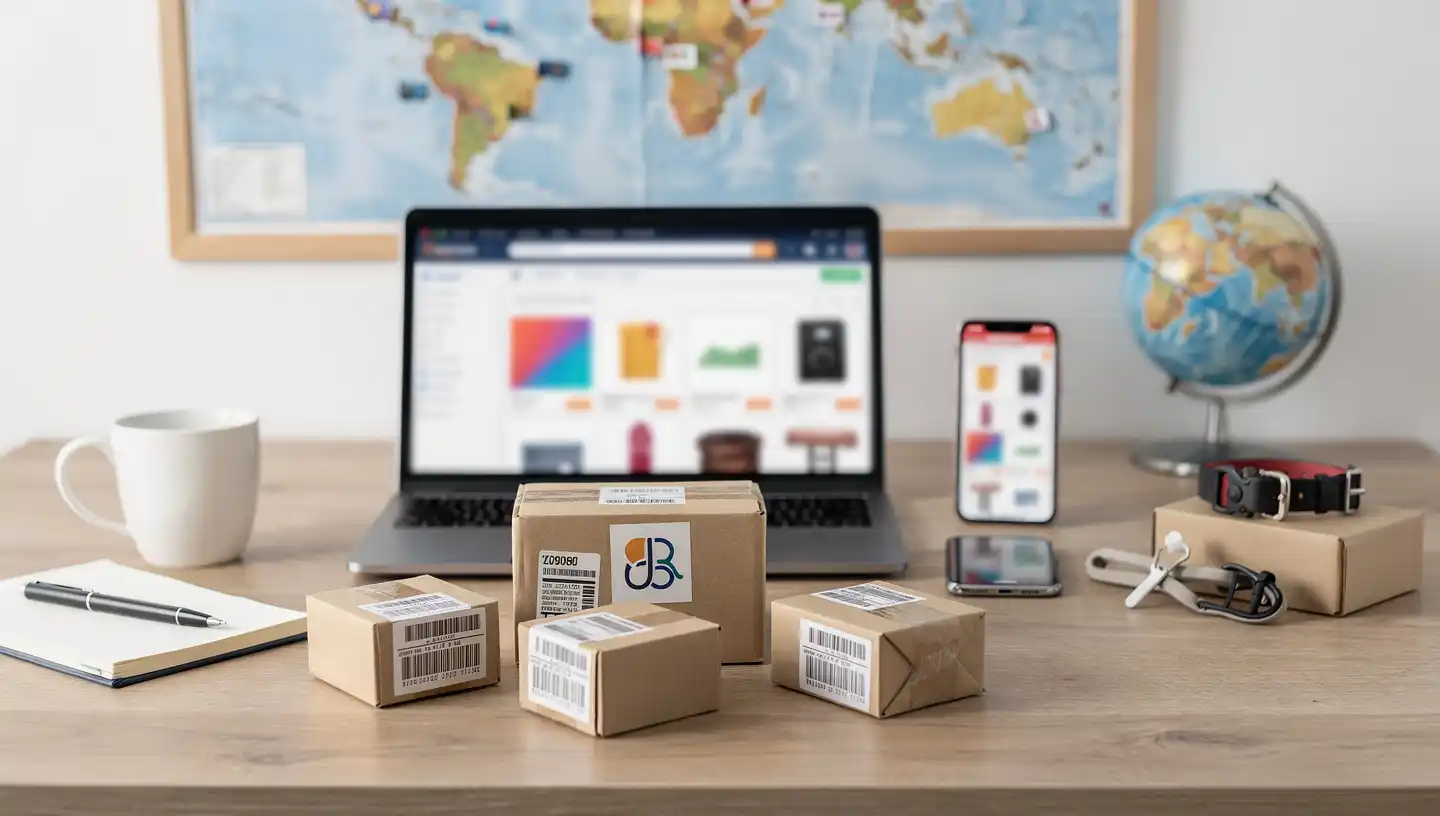
Shopify lets you build the store with product pages, a cart and payments in one place, and it offers a trial period, so check the current plans first. Choose a small niche, such as study gear or gifts for a hobby, and write honest product descriptions. Income takes a few weeks to start, because you need traffic from social media or search before the first sale.
| Detail | Estimate |
|---|---|
| Startup cost | Medium (store plan, domain, samples, marketing) |
| Time to first income | 1-3 months |
| Best for | Students who like marketing and design |
| Main requirement | A niche, a supplier and a way to find buyers |
Pros
- No stock to buy or store
- Works from a laptop and fits a class schedule
- Can grow into a real brand
Cons
- Slow start and strong competition
- Shipping times and supplier quality affect your reviews
2. Online Tutoring
Online tutoring is one of the fastest ways to earn as a student. You teach math, science, languages, writing or exam skills to younger students by video call, one to one or in a small group. A simple website built with Hostinger that lists your subjects, prices, free trial lesson and a booking form makes you look more reliable than a profile on a marketplace.

Good tutors also use AI tools for class 9 students to prepare practice questions and worksheets faster, but the lesson itself should stay personal. Collect a review from every happy parent or student, because reviews bring most of your next clients.
| Detail | Estimate |
|---|---|
| Startup cost | Very low (laptop, headset, a simple website) |
| Time to first income | Days to a few weeks |
| Best for | Students with strong grades in one subject |
| Main requirement | Subject knowledge and a stable internet connection |
Pros
- Very low cost and a fast first payment
- Flexible hours that you can move around exams
- Prices rise as your reviews grow
Cons
- Many tutors compete on the same marketplaces
- Income depends on the hours you can give
3. Online Course and Digital Products
A course or a digital product earns again every time someone buys it, which is why many students call it passive income, even though the first version takes real work. You can sell a video course, a study guide, a planner or a set of notes. Systeme.io lets you build a sales page, an email list and your lessons in one account, and it has a free plan, so check the current limits before you start.
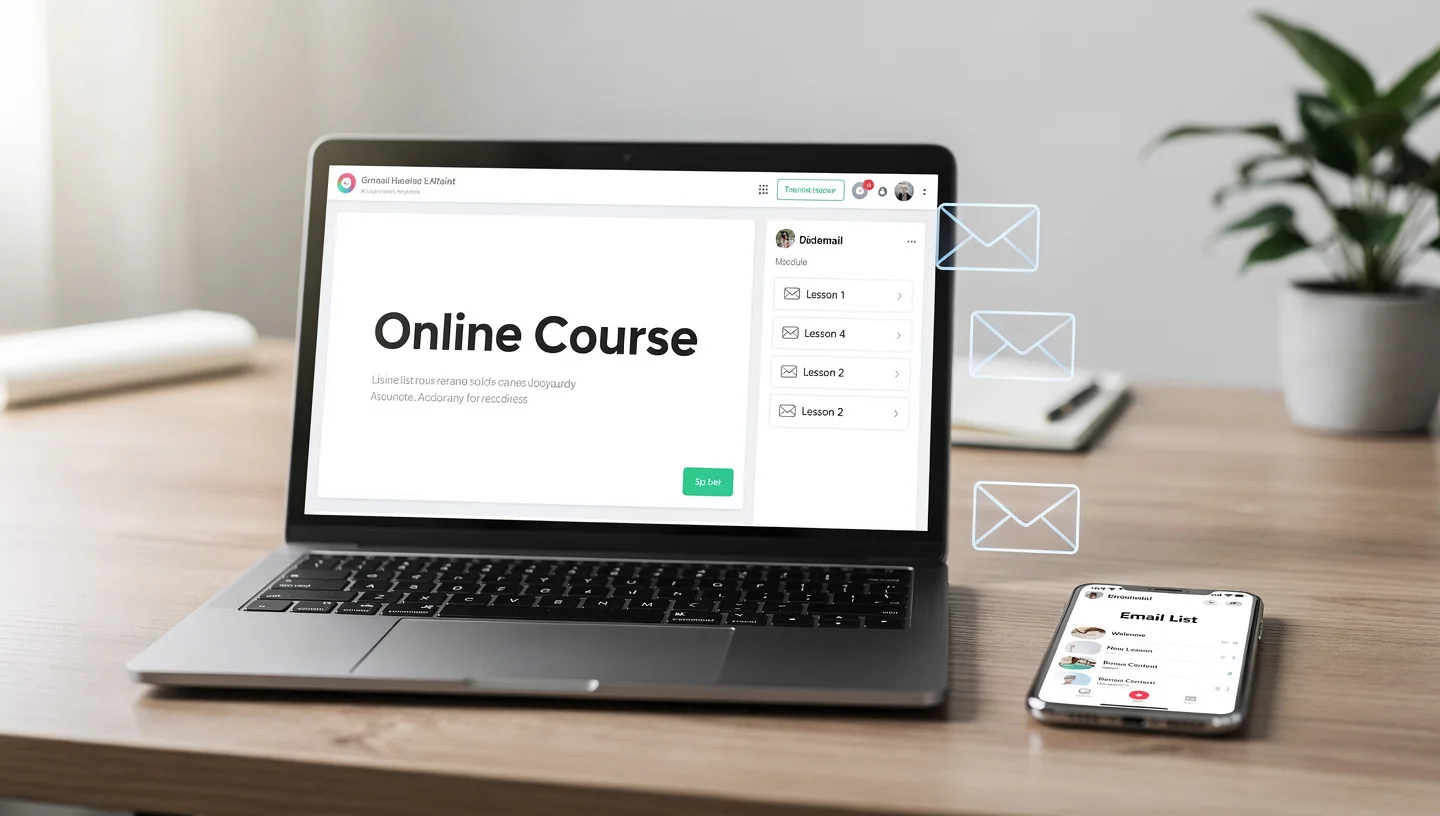
Pick a topic where you already have results, such as a language exam, a software tool or a study method, and record a short first version instead of a long one. Ask a few early buyers for feedback and improve the lessons.
| Detail | Estimate |
|---|---|
| Startup cost | Low (platform plan, microphone, a few hours of work) |
| Time to first income | 1-3 months |
| Best for | Students who can explain a skill clearly |
| Main requirement | A clear topic and an audience to sell to |
Pros
- One product can sell many times
- Builds an email list you own
- Counts as strong experience for a resume
Cons
- Needs time to create before the first sale
- No sales without marketing
4. Graphic Design and Student Resources
If you like design, you can sell logos, social media posts, flyers and presentation templates to small businesses, or create planners, study notes and resume templates for other students. Canva has a large library of templates, fonts and images and a free plan, so you can design on a laptop without buying expensive software.

Build a small portfolio of five to ten samples, show it on a simple page and offer a first design at a lower price. Student resources sell well in August and January, when new terms start and exam season approaches.
| Detail | Estimate |
|---|---|
| Startup cost | Very low (free plan, optional paid plan) |
| Time to first income | 1-4 weeks |
| Best for | Creative students who like visual work |
| Main requirement | A portfolio and a clear style |
Pros
- Almost no startup money
- Works as a service and as a product
- Good samples bring repeat clients
Cons
- Low prices at the start
- Many designers offer the same templates
5. Blogging and Affiliate Marketing
A blog around a topic you know, such as student life, budgeting, a language or a hobby, can earn from affiliate links, ads and your own products. In affiliate marketing you recommend a product and earn a commission when a reader buys through your link. Register a short domain with Namecheap, add hosting and write useful posts that answer real questions.
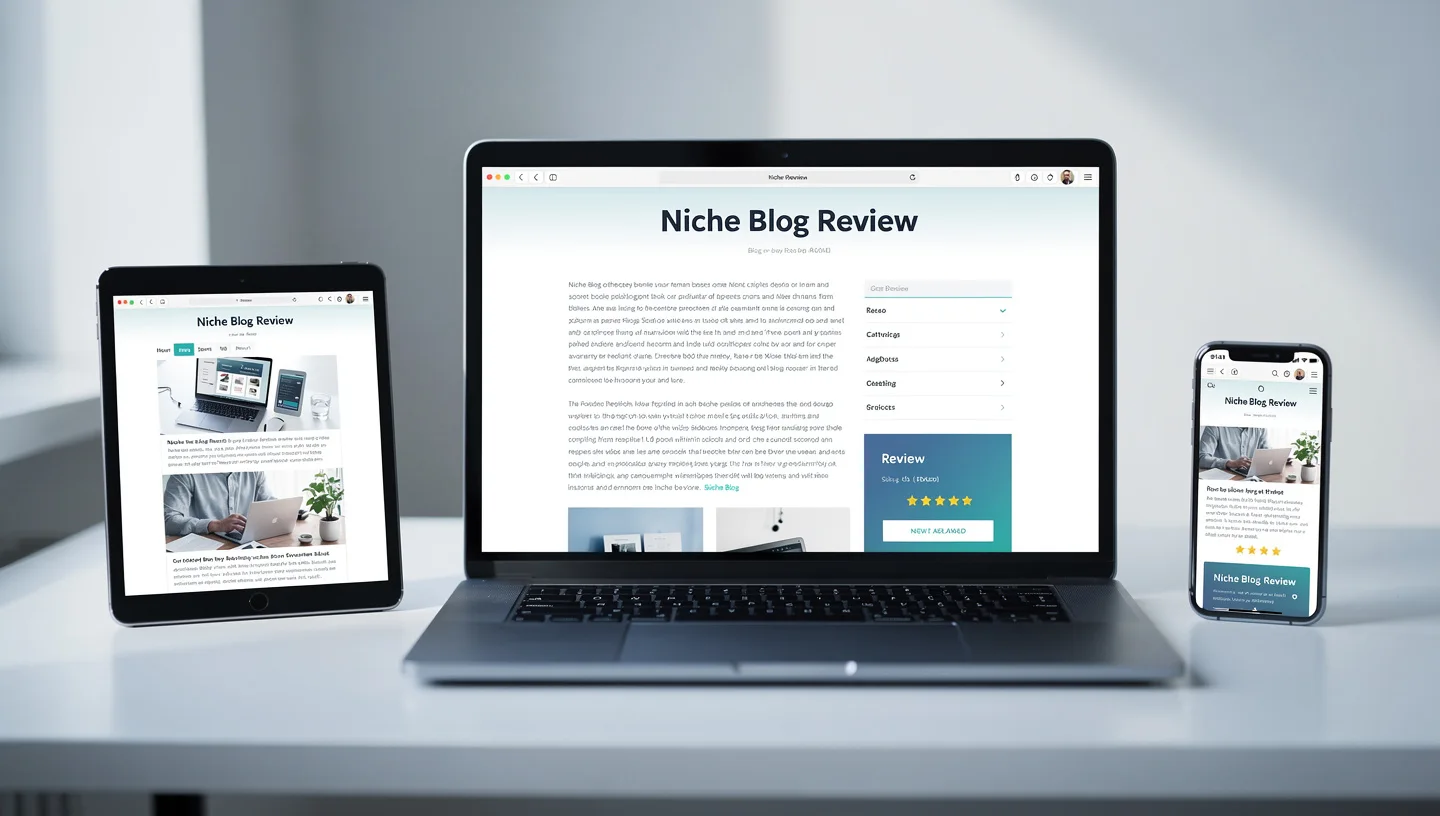
Be honest about every link you earn from, because the rules require a clear disclosure, as explained in the legal section below. A blog is a slow business: the first months bring few readers, and the income grows once your posts start to rank.
| Detail | Estimate |
|---|---|
| Startup cost | Low (domain, hosting) |
| Time to first income | 3-12 months |
| Best for | Students who like writing and research |
| Main requirement | A niche, patience and regular posting |
Pros
- Low cost and no stock
- Posts keep earning for years
- Builds writing and marketing skills
Cons
- Very slow start
- Traffic depends on search rankings
6. Freelance Writing and Editing
Freelance writing is one of the most common online jobs for students. You write articles, product descriptions, emails or website pages for clients, or you edit and proofread other texts. Start with a small portfolio of three samples and offer a fixed price per article.
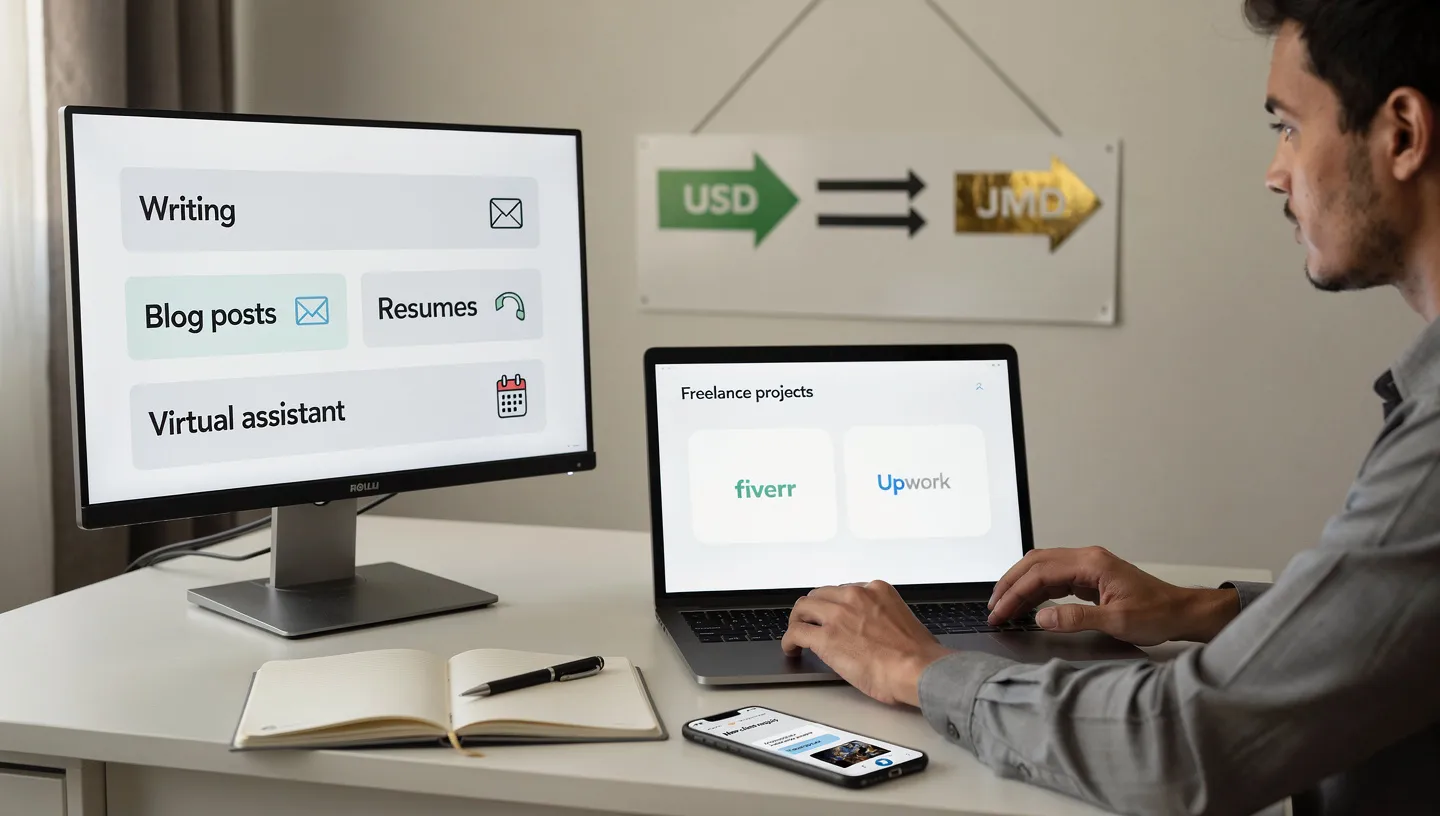
Writers often use AI tools for drafts, and a look at AI tools alternative to Claude shows which options exist, but clients pay for accurate facts and a clear voice, so always edit by hand. Proofreading and editing are a good first step because they need less time per job than writing a full article.
| Detail | Estimate |
|---|---|
| Startup cost | Very low (laptop and a few samples) |
| Time to first income | 1-4 weeks |
| Best for | Students who write well and meet deadlines |
| Main requirement | Samples, good grammar and reliable delivery |
Pros
- Works from anywhere and fits around classes
- Clients can become regular customers
- Every job adds to your portfolio
Cons
- Low rates for beginners on bidding sites
- Deadlines can clash with exams
7. Social Media Management
Small businesses know they need social media but rarely have the time. You can plan posts, write captions, reply to comments and report simple results for a monthly fee. Start with a local cafe, a shop or a coach you know, and show a few examples of your work.
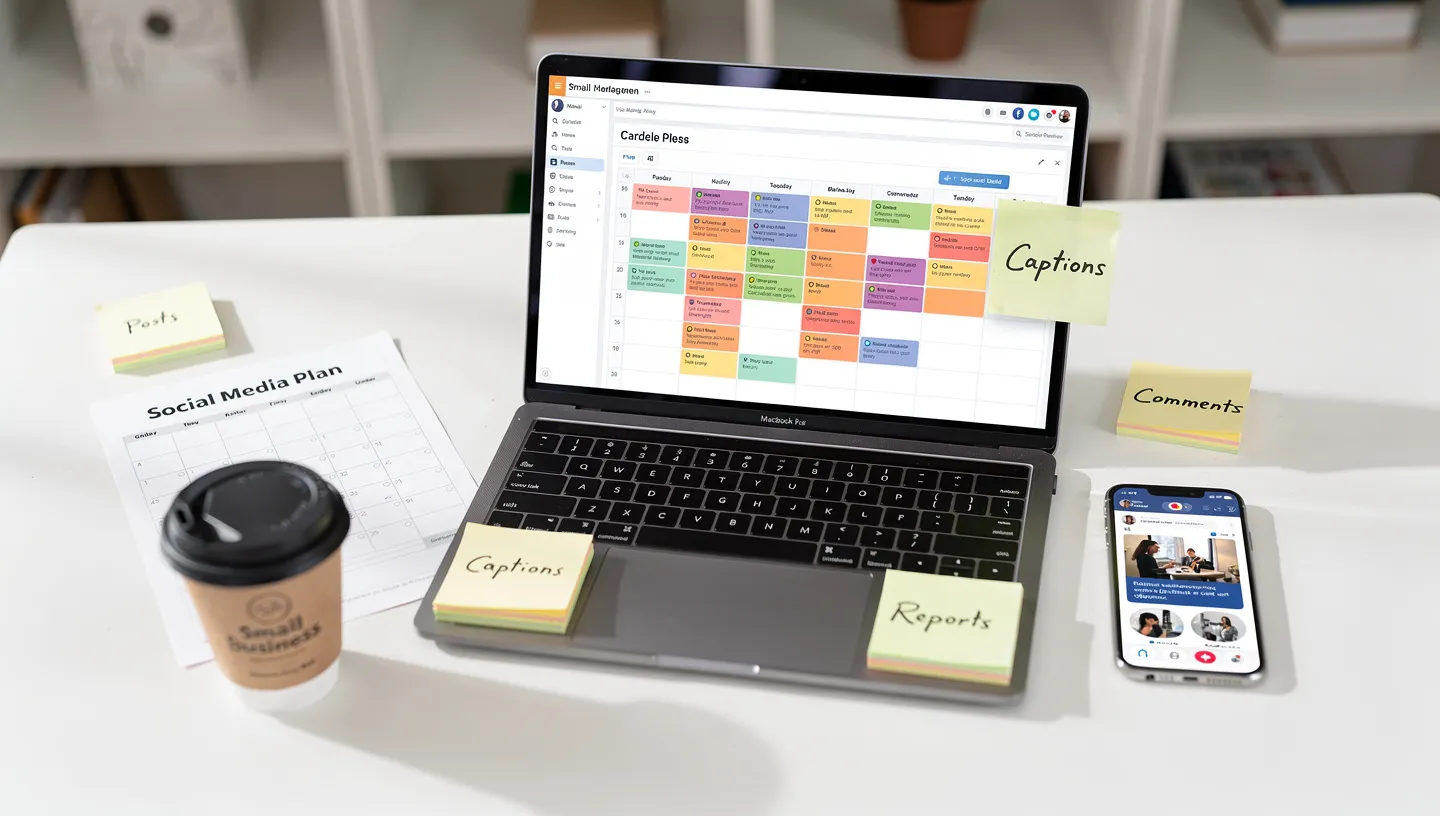
Posts and templates made in Canva save time, and a content calendar in a spreadsheet keeps every client on schedule. Do not take more clients than your class schedule allows, because late posts cost you trust.
| Detail | Estimate |
|---|---|
| Startup cost | Very low |
| Time to first income | 1-3 weeks |
| Best for | Students who use social media every day |
| Main requirement | A few sample accounts and reliable posting |
Pros
- Monthly clients give steady income
- Skills are useful in almost every future job
- You can work from a phone and a laptop
Cons
- Results take time and clients expect them quickly
- Platform rules and algorithms change
8. Virtual Assistant Services
A virtual assistant handles email, calendars, travel plans, data entry, research and customer messages for a busy person or a small company. You work remotely, and many clients pay by the hour or with a monthly package. Begin with the tasks you already do well, such as organizing files, writing clear emails or managing a calendar, and list them on a one-page service sheet.

Reliability matters more than experience, because clients want someone who answers fast and delivers on time.
| Detail | Estimate |
|---|---|
| Startup cost | Very low |
| Time to first income | 1-4 weeks |
| Best for | Organized students with good communication |
| Main requirement | A list of services and quick replies |
Pros
- No special training needed to start
- Hourly or monthly pay
- Easy to move to higher-paid tasks
Cons
- Clients may ask for time during your study hours
- Pay is lower until you specialize
9. YouTube and Content Creation
A YouTube channel, a podcast or a short video account can earn from ads, sponsors, affiliate links and your own products. Pick a topic where you can post for a year, such as study tips, a language, gaming, cooking on a student budget or a software tool.
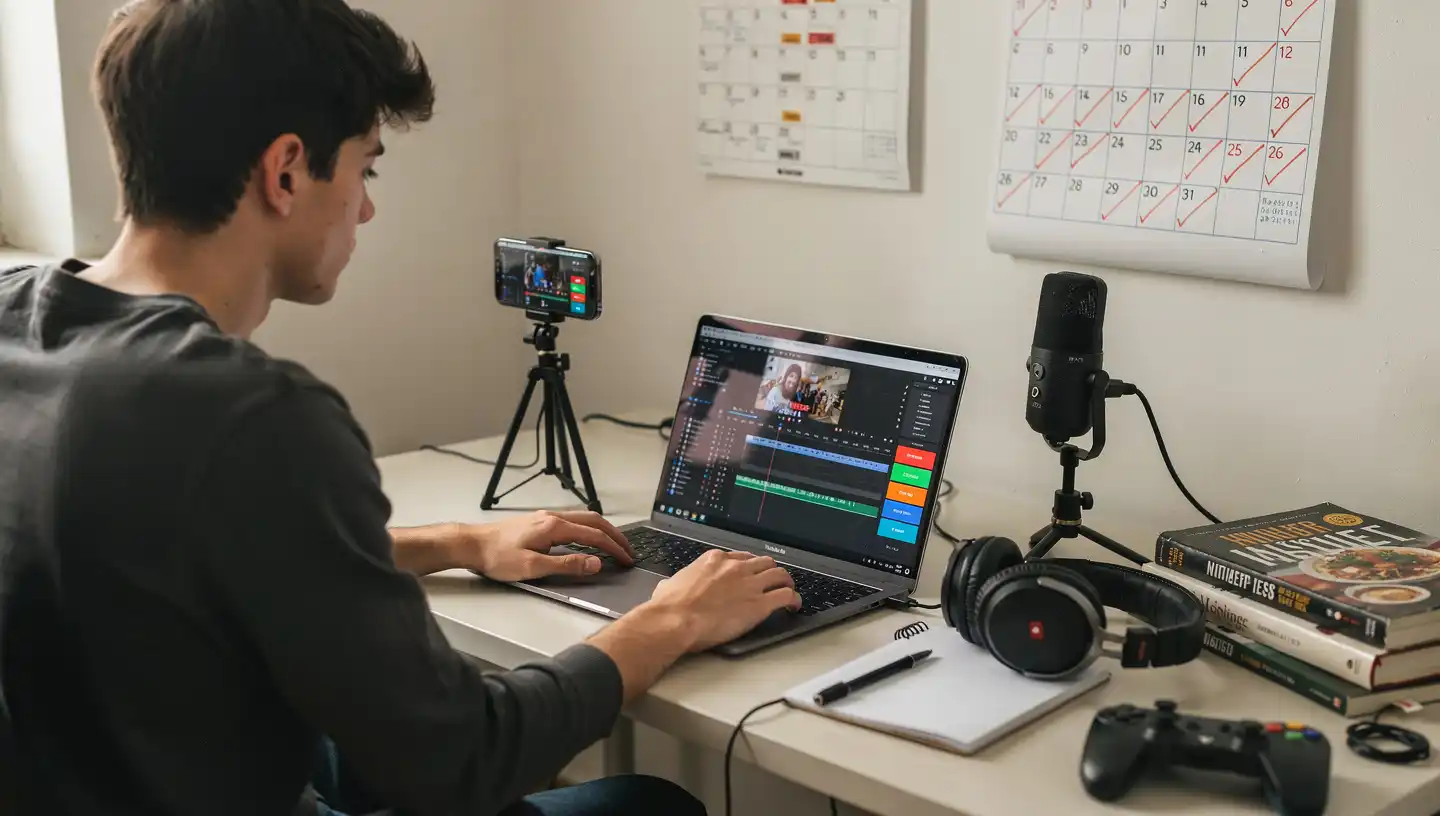
Record with your phone, learn basic editing and post on a fixed schedule. Content is the slowest idea on this list, because most channels need months before they earn, but the skills in video, editing and audience building are useful in many jobs.
| Detail | Estimate |
|---|---|
| Startup cost | Very low to low (phone, microphone, editing app) |
| Time to first income | 6-12 months |
| Best for | Students who enjoy video and talking to an audience |
| Main requirement | A clear topic and steady posting |
Pros
- Several income sources from one channel
- Builds a personal brand before graduation
- Teaches video, editing and marketing
Cons
- Very slow start with no guarantee of views
- Takes many hours of editing each week
10. Translation and Transcription
If you speak two languages, you can translate documents, subtitles, websites and short texts. Transcription turns audio or video into written text for podcasts, interviews and classes, and it needs fast typing and good listening. Many translators and transcribers use tools to speed up the first draft, and our guide to AI tools for live translation explains what these tools can and cannot do.

A human check is still required, because clients pay for correct names, numbers and tone. Start with short jobs and ask for feedback on your first projects.
| Detail | Estimate |
|---|---|
| Startup cost | Very low |
| Time to first income | 1-4 weeks |
| Best for | Language students and bilingual speakers |
| Main requirement | Strong skills in two languages and attention to detail |
Pros
- Language skills turn into income
- Jobs can be small and fit between classes
- Repeat work from agencies and creators
Cons
- Machine translation puts pressure on low prices
- Specialist topics need extra knowledge
11. Web Design and Website Maintenance
Small businesses, coaches and local clubs often need a simple website and nobody to build it. You can design a one-page site, fix errors, update text and prices, and handle the monthly care of the pages. Site builders let you work without writing code, and students who study design or programming can charge more for custom work.

Show three finished sites in your portfolio, even if they are samples for friends, and offer a monthly maintenance plan so one client brings steady income. Clients usually need a domain and hosting, so explain the setup in plain words.
| Detail | Estimate |
|---|---|
| Startup cost | Very low to low (site builder plan, domain) |
| Time to first income | 2-6 weeks |
| Best for | Students in design, IT or marketing |
| Main requirement | A portfolio and clear communication |
Pros
- Higher prices than most beginner services
- Monthly maintenance gives steady income
- Strong skill for future jobs
Cons
- Clients expect fast fixes at any time
- You need a few samples before the first sale
12. Video Editing
YouTubers, coaches, shops and brands post more video every year, and many of them hate the editing. You cut raw footage, add captions, music and effects, and deliver short clips for social media or full videos for a channel. Free and low-cost editing apps are enough to start, and a laptop with a decent processor helps.

Build a sample reel of three short edits and offer a trial clip to a small creator. Clients who like your style often send work every week, which gives you steady income as a student.
| Detail | Estimate |
|---|---|
| Startup cost | Very low to low (editing app, laptop) |
| Time to first income | 2-4 weeks |
| Best for | Students who enjoy video and detail work |
| Main requirement | A sample reel and fast delivery |
Pros
- Strong demand from creators and small brands
- Repeat work from the same client
- Easy to learn from free tutorials
Cons
- Large files need a good laptop and storage
- Clients may ask for many revisions
AI-Powered Online Business Ideas for Students
AI tools open a few extra options for students. You can offer AI-assisted writing, design and research as a service, teach other students how to use AI tools for study and note taking, or set up simple automations for small businesses, such as email replies and booking reminders. Clients pay for the result, not for the tool, so always check facts, edit the text and give your own style to the work. Read the rules of each platform and school before you use AI in paid or graded work, and tell a client when AI helped if they ask.
List of 48 More Online Business Ideas for Students
The twelve ideas above are the most common, but they are not the only options. The list below adds 48 more online business ideas for students, with a short note on what each one involves, so the guide covers 60 ideas in total. Some are local jobs that you can run next to your online work. Readers who like selling products can also see these online business ideas in Kenya, which use the same basic steps of picking a product, setting up a store and finding buyers.
13. Handmade Goods
Candles, soap, jewelry, cards and crafts sell on marketplaces and social media, and you can start with a small batch of supplies. Take clear photos, write honest descriptions and test two or three products before you buy in bulk. Costs stay low, and repeat buyers come from gifts and seasonal sales.
14. Digital Art and Illustrations
Draw characters, portraits, posters or book covers and sell commissions, prints or downloads. A drawing tablet or a free app is enough to begin. Show a small portfolio, state your prices and the number of revisions, and take part payment up front on custom work.
15. Logo and Brand Kits
Small shops, creators and clubs need a logo, a color palette and fonts. Offer a fixed package with two or three concepts and a short brand guide. A few sample projects on a simple page help you win the first order, and the startup cost is close to zero.
16. Photo Editing and Retouching
Sellers, families and event photographers pay to fix light, remove objects and clean product photos. Practice on your own pictures, show before and after samples and set a price per image or per batch. Free and low cost editing apps are enough for most beginner jobs.
17. Stock Photography
Upload photos to stock sites and earn each time someone downloads one. Shoot everyday subjects such as work, food, study and travel, add clear titles and tags and follow the model release rules. Income is slow at first, and a good camera raises the startup cost to medium.
18. 3D Modeling and CAD
Students in design, engineering and gaming can make 3D models for products, printing and games. Sell custom jobs, or upload ready models to marketplaces. You need skill with 3D software, and the first projects can come from clubs and small makers.
19. Selling Music and Beats
If you produce music, sell beats, loops or sound effects to creators and small studios. Upload tracks to music marketplaces, price them with clear license terms and promote short previews on social media. Use only sounds you own or have licensed.
20. Voiceover Work
Video makers, advertisers and course creators need voices for videos, ads and audiobooks. A decent microphone, a quiet room and a short demo reel are the basics. Start on freelance sites and with local creators, and send a short sample with every message.
21. Resume and LinkedIn Profile Writing
Job seekers pay for a clear resume and a strong profile. Learn the layout employers expect, ask for a short interview and write results, not duties. Fellow students looking for internships make a good first audience, and the service needs almost no money to start.
22. Proofreading and Thesis Formatting
Students and researchers need fixes in grammar, references and layout. Offer to check text and formatting only, within school and client rules, and never write the work yourself. A sample edit with tracked changes shows your skill, and the cost is very low.
23. Remote Customer Support
Small online shops need someone to answer emails and chats, especially at hours when the owner is busy. You need clear writing, patience and a set of ready answers. Many jobs are part time and can be done on your own schedule.
24. Data Entry and Spreadsheet Help
Owners and researchers pay to clean lists, enter data and build simple spreadsheets with formulas and charts. Strong skill with spreadsheet software is the main requirement. Accuracy matters more than speed, so test your work before you send it.
25. Market Research and Surveys
Small businesses want to know what customers think. Set up a short survey, collect answers, sum up the results in a simple report and suggest two actions. Students in business and psychology have an advantage, and free survey tools keep the cost very low.
26. Micro-Consulting in Your Major
Advanced students can sell short paid calls to beginners in their field, such as coding, finance, biology or design. Set a fixed time, share a few tips and send notes after the call. Be honest about your level and never claim licensed expertise.
27. Content Repurposing
Creators and coaches record long videos and need short clips, posts and quotes from them. Cut highlights, add captions and format each piece for its platform. Offer a monthly package, and show a before and after example to win your first client.
28. Remote Tech Support
Older adults, small offices and families need help with devices, Wi-Fi, accounts and software. Offer short remote calls, write a simple checklist for each problem and set a clear price per hour. Patience and plain language matter as much as technical skill.
29. Virtual Event and Webinar Help
Coaches and small companies run online events but often struggle with the tools. You can manage the video platform, chat, slides, recording and follow-up emails. Practice on student events first, and keep a short checklist for every event.
30. Reselling Used Textbooks
Buy used books from graduating students and sell them online to the next class. Check the edition, take clear photos and set your price after you compare listings. It is a seasonal business with peaks at the start of each term, and the startup cost is low.
31. Reselling Thrifted Clothes
Find second-hand clothes in good condition, clean them, photograph them well and list them on resale apps. Pick a niche, such as vintage jackets or sportswear, and learn which brands sell. The work is hands-on, and the money for stock can be small.
32. Marketplace Reselling
Buy products in bulk or on sale and resell them on large marketplaces. Research demand, check fees, shipping costs and platform rules, and start with a small order to test your margin. Medium startup cost and strong competition make careful numbers important.
33. Subscription Box
A monthly box built around one niche, such as study snacks, tea or craft supplies, brings repeat income. Test the idea with a small group, find reliable suppliers and track shipping costs. This idea needs more money and planning, so start with a preorder.
34. Invent and Sell a New Product
Turn a daily problem into a simple product, such as a study organizer or a cable holder. Make a prototype, show it to people and test interest before you produce many units. Crowdfunding and preorders reduce the risk.
35. Study Notes and Templates
Clear notes, planners, flashcards and checklists sell on marketplaces and through your own page. Use your own work, follow your school rules on course material and design clean files. A template that saves time can sell again and again.
36. Self-Publishing an E-Book
Write a short guide or story and publish it on e-book platforms. Pick a narrow topic, such as a study method or a budget plan, get a good cover and ask readers for reviews. The cost is very low, and a book can sell for years.
37. Online Fitness or Wellness Coaching
Students with training or a certificate can teach workouts, stretching or healthy habits by video. Start with small groups, share a clear plan and track progress. Stay within your qualification and send clients to a doctor for medical questions.
38. Online Music or Art Lessons
Teach beginners an instrument, drawing or painting by video call. Plan a first lesson, send a short practice sheet and keep groups small. Parents and adult learners pay for patient teachers, and a simple booking page helps.
39. Podcast
Record episodes on a topic you can talk about for months, such as study life, a hobby or a career field. Learn basic audio editing, keep episodes short and release on a fixed day. Income comes from sponsors, affiliate links and listener support, and it builds slowly.
40. Podcast Editing
Podcasters pay to cut mistakes, balance sound and add intros. Learn a free audio editor, edit a sample episode and offer a price per episode. It is a good fit for students with a good ear and patience.
41. Email Newsletter
A weekly email on a niche topic builds an audience you own. Pick a clear subject, give useful tips and grow the list with a free guide. Sponsors, paid issues and affiliate links can bring income once readers trust you.
42. Niche Social Media Page
Grow a page around one topic, such as study tips, budget meals or a game. Post on a schedule, answer comments and use partnerships and affiliate links to earn. Growth takes time, and the startup cost is close to zero.
43. Paid Online Community
Run a group on Discord or Telegram for a niche, such as exam prep, coding or language practice. Offer weekly events, answers and resources, and charge a small monthly fee. Moderation and a clear set of rules keep the group useful.
44. App or Web Tool Development
Students who code can build a small app or tool for one problem, such as a planner, a calculator or a booking page. Start with a simple version, test it with ten people and add a paid plan later. The cost is medium, mostly in time.
45. Game Testing and Feedback
Studios and small developers pay testers to find bugs and give feedback. Write short, clear reports with the steps to repeat each problem. Pay is usually small, but the work shows how products are built and can lead to better jobs.
46. Pet Sitting and Dog Walking
Neighbors and busy workers pay for walks, feeding visits and care while they travel. Build trust with references, meet the pet first and agree on the schedule and price. This local job needs no money to start, and holiday periods bring the most requests.
47. Babysitting
Families need evening and weekend care, and student sitters are in demand near campuses. Take a first aid course, collect references and set a clear hourly price. Ask for the house rules and emergency contacts before every job.
48. Personal Training
Students in sport and fitness can train neighbors and fellow students in a park or a gym. Get a recognized certificate if your area requires one, plan a simple program and track results. Insurance and safety rules matter, so check them before you take clients.
49. Event Photography
Parties, graduations, clubs and small events need photographers. Build a portfolio with free or low cost shoots, set package prices and deliver edited photos fast. A camera and editing software make the startup cost medium.
50. Cleaning and Moving Help
Students moving in and out of campus housing pay for help with cleaning, packing and carrying. Start with a flyer on campus and in student groups, and set a price per hour or per room. Peaks come at the end and the start of each term.
51. Delivery and Errands
Shops, restaurants and busy people pay for deliveries and errands. A bike or a car helps, and many apps and local shops hire students for short shifts. Check insurance and local rules before you start.
52. Practice Exams and Quizzes
Write practice tests, quizzes and answer guides for a school subject or an entrance exam. Use original questions, add clear solutions and sell the files on your page or a marketplace. Teachers and students pay for material that saves time.
53. Custom Merch for Student Clubs
Clubs, teams and events need shirts, hoodies and bags with their design. Use a print-on-demand partner or a local printer, collect orders in advance and design in Canva or another tool. Preorders keep your risk low.
54. Calligraphy and Lettering
Hand lettering sells for invitations, signs, quotes and wedding items. Practice a few styles, post short videos of your work and offer custom orders and prints. A pen set and paper are enough to start.
55. Custom Invitations and Cards
Offer digital and printable invitations, greeting cards and thank-you notes for birthdays, weddings and school events. Design templates, let customers change the text and deliver a file within a day. Marketplaces and your own page both work.
56. Interview and Presentation Coaching
Students and young workers pay for practice with interviews, speeches and slides. Run mock interviews by video, give clear feedback and share a short checklist. Experience from debate clubs or internships helps you gain trust.
57. Paid Ads Setup for Small Businesses
Small shops want ads on search and social media but do not know where to start. Learn the basics from free platform courses, build a small test campaign and report clicks and costs. Never promise sales, and agree on the ad budget with the client.
58. SEO Audits and Keyword Research
Website owners pay for a list of fixes and keywords that can bring more visitors. Learn the basics of search optimization, review a few sites for free and deliver a short report with priorities. Free tools cover most beginner audits.
59. Teaching Resources for Teachers
Teachers buy worksheets, lesson plans and slides that save planning time. Create original material for one subject and grade, test it with a teacher and sell it on a marketplace. Check the rules of each platform and your school.
60. Gaming Coaching
Players pay for coaching in popular games, from tactics to team play. Show your rank or results, record a short sample lesson and sell lessons by the hour. Set clear goals for each player and keep your own studies first.
Online Business Ideas for Students Without Investment
Many students ask which online business they can start without investment. The answer is any idea where your time and skill are the product. You still need a laptop, internet and a free account, but you do not need stock, a store plan or a paid course. Starting with zero investment also lowers the risk, and low cost ideas are easy to drop, because you can stop at any time if the idea does not fit.
What You Can Start With Zero Budget
Online tutoring, freelance writing, proofreading, virtual assistant work, social media management, transcription and graphic design with a free plan all start with no money. Create a free profile, add three samples and contact ten possible clients. Students who want a longer plan for working online can read how to start an online business in Nepal, which explains the steps from the first idea to the first customer.
What Needs a Small Budget
A store, a course platform, a blog and a portfolio site need a plan, hosting or a domain. These are low cost compared with a physical shop, and a domain from Namecheap or a site on Hostinger can be paid with the first income from a service. Move to these projects after your first clients, not before.
Choose an Online Business by Budget
The table groups the ideas by how much money you need on day one. Use it together with your free hours to pick a first project.
| Budget | Ideas | Tools you may need |
|---|---|---|
| Zero | Tutoring, freelance writing, virtual assistant, transcription | Laptop, free accounts |
| Very low | Social media management, graphic design, translation, podcast | Canva free plan, microphone |
| Low | Blog, affiliate marketing, online course, digital products | Domain, hosting, course platform |
| Medium | Dropshipping, print-on-demand, subscription box, photography | Store plan, samples, ads, camera |
Quick Comparison: Flexibility, Income Speed and Scalability
This general guide compares the 12 ideas on three points that matter most to students. Real results depend on your skill, your niche and the hours you give.
| Idea | Flexibility | Income speed | Scalability |
|---|---|---|---|
| Dropshipping or Print-on-Demand | High | Slow | High |
| Online Tutoring | High | Fast | Low to medium |
| Online Course and Digital Products | High after setup | Slow | High |
| Graphic Design and Student Resources | High | Fast | Medium |
| Blogging and Affiliate Marketing | High | Very slow | High |
| Freelance Writing and Editing | High | Fast | Medium |
| Social Media Management | Medium | Fast | Medium |
| Virtual Assistant Services | High | Fast | Medium |
| YouTube and Content Creation | High | Very slow | High |
| Translation and Transcription | High | Fast | Low |
| Web Design and Maintenance | Medium | Medium | Medium |
| Video Editing | Medium | Medium | Medium |
Tools to Start an Online Business as a Student
Most online businesses need a way to be found, a way to take orders and a way to get paid. The five tools below cover those jobs without a large budget. Prices and free plans change, so always check the current terms on each site.
Open an Online Store With Shopify
For physical products, Shopify gives you a store, a cart, payments and order tracking. It suits dropshipping and print-on-demand, and its trial period lets you test before you pay.
Build a Website With Hostinger
A website is where clients check your prices, samples and reviews. Hostinger offers hosting and a website builder, which is enough for a tutor, a designer or a writer. If your business grows and you need help with daily tasks, an online business manager can take over bookings, payments and client messages.
Sell Courses and Collect Emails With Systeme.io
Systeme.io combines a sales page, an email list, a course area and simple funnels in one account. It fits students who teach a skill and want to sell a course or a guide.
Create Designs and Templates With Canva
Canva has templates for posts, logos, flyers, presentations and planners. Use it for client work, for your own brand and for digital products you sell.
Register a Domain With Namecheap
A domain such as yourname.com looks more reliable than a free address. Namecheap sells domains and also offers email on the same name, which is useful when you write to clients.
Other Free Tools for Payments and Planning
| Job | Tools students often use |
|---|---|
| Payments | PayPal, Stripe, Wise |
| Planning and notes | Notion, Trello, Google Calendar |
| Video calls with clients | Zoom, Google Meet |
| Invoices and records | A simple spreadsheet or a free invoice tool |
Check the fees, the supported countries and the age rules of each payment tool before you use it.
How to Set Your Prices as a Student
New students often charge too little or guess a number. Look at what others in your niche charge, then choose one pricing method. Hourly pricing suits tutoring and assistant work, a fixed price per project suits writing and design, and a monthly package suits social media management. Start slightly below the market for your first two or three clients, collect reviews and raise your price step by step. Never go so low that the work does not pay for your time.
Legal, Tax and Payment Basics for Student Businesses
An online business is still a business, so check the rules in your country before you take money. Age limits matter: many payment platforms require users to be 18, so younger students may need a parent to open the account, and our guide to starting an online business under 18 explains the options. Keep a record of every payment and cost, because income from your own business is usually taxed as self-employment. In the United States, the IRS self-employed tax center explains the basics. International students should check visa and study permit rules first, because some permits limit work or self-employment, and the international office of your school can confirm what is allowed. If you earn from affiliate links, tell readers clearly, and read the FTC disclosures guide for the rules on labeling.
How to Balance Studies and an Online Business
Students lose money and grades when the business grows faster than their schedule. A simple plan prevents both.
Set Weekly Hours Around Your Class Schedule
Choose a fixed number of hours for your side hustle, such as five to ten a week, and block them in your calendar like a lecture. Good time management means you stop at that limit, even when a client wants more. Tell clients about exam weeks in advance and take fewer orders in that period.
Use Campus Resources
Many schools have a career center, a student entrepreneurship club, a library with free software and mentors who answer business questions. Professors, student groups and campus societies can also become your first clients. Ask whether your school offers discounts on tools or a space for student projects.
Plan for Exams and Summer Breaks
Mark your exam weeks and tell clients about them early. Take fewer orders in those weeks, or pause new work completely. Summer and winter breaks are the best time for bigger projects, such as a course, a store or a blog, because you have more free hours.
Avoid Common Mistakes
- Spending too early: do not pay for a course or a store plan before your first customer.
- Starting too many ideas: one idea at a time gives better results than four half-finished projects.
- Ignoring deadlines: late work costs reviews and repeat clients.
- Skipping records: note every payment and cost from day one.
- Underpricing: very low prices attract difficult clients and burn you out.
- Copying other work: use your own text, designs and photos, or licensed material.
- Skipping contracts: write down the scope, price, deadline and payment date for every job.
Challenges Students Face and How to Overcome Them
Every new business meets problems. These are the most common ones for students, with a fix for each.
- Not enough time: pick a flexible idea, set weekly hours and take fewer clients in exam weeks.
- No money to start: begin with a service that needs no investment and use the first income for tools.
- No clients at the start: offer a first job at a lower price, collect a review and ask for referrals.
- Low motivation: set small weekly goals and track your results, such as messages sent and clients won.
- Lack of technical skills: learn one tool at a time from free tutorials and practice on a sample project.
- Scams: never pay to get a job, avoid offers that promise fast money and do not share bank or password details.
How to Grow Your Online Business After the First Clients
After your first five clients, look for repeat work and raise your prices step by step. Turn a service into a package with a fixed price, add a second service for the same clients, and start an email list so you can reach past customers. Keep a simple sheet with income, costs and hours, because it shows which clients and tasks pay best. When work grows beyond your free hours, drop the lowest-paid tasks first.
How to Start an Online Business as a Student in 5 Steps
- Choose one idea. Match it with your skills, your free hours and your budget.
- Offer it to a first client. Ask a friend, a teacher or a small business, and take a lower price for the first job.
- Set up your base. Register a domain, create a simple site or profile and prepare three samples.
- Take payments safely. Use a payment platform, send an invoice and keep a record.
- Collect reviews and grow. Ask every client for feedback, raise your prices step by step and add a second service.
Starting an Online Business in Another Country
The same ideas work in most countries, but payments, taxes and demand change by place. A student in the Caribbean who wants a local view can read how to start an online business in Trinidad for local registration and payment steps. Look for clients in your own language and time zone first, then move to international marketplaces once you have reviews.
The Bottom Line
The best online business ideas for students start small, cost little and fit around classes. Pick one idea, test it with a real client and keep a record of what works. Services such as tutoring, writing and design pay first, and stores, courses and blogs can follow once you have income and experience. Start this week, in 2026, with one sample, one profile and one message to a possible client.
Frequently Asked Questions
What is the best online business for students?
Online tutoring, freelance writing and social media management are the best online business options for most students, because they cost almost nothing and pay quickly. The right choice depends on your skills, your free hours and your budget.
What is the easiest online business for students to start?
Tutoring a subject you know, proofreading and virtual assistant work are the easiest to start. You need a laptop, a free profile and a few samples, and you can find your first client within days.
What are the types of online business for students?
The main types are services, teaching, products, digital products and content. Services and teaching pay fastest, products and digital items take longer, and content such as a blog or a channel needs the most patience.
Can students start an online business without money?
Yes. Tutoring, freelance writing, proofreading, virtual assistant work and graphic design with a free plan can all start with no investment. Add a store, a domain or a course platform later, after your first income.
How much can a student earn from an online business?
Earnings depend on the idea, your skill and your hours. Services usually bring income first, and products, courses and blogs grow slowly. Treat any promised income with caution, and track your own results for a few months before you plan around them.
Can a student run a business while taking a full course load?
Yes, if you choose a flexible idea and set weekly hours. Many students work five to ten hours a week and take fewer clients in exam periods. Tell clients about your schedule at the start.
What skills do students need to start an online business?
Useful skills include writing, communication, basic design, time management and the ability to deliver on time. You can learn the rest while you work, and every client adds to your portfolio.
How many hours a week should a student spend on an online business?
Most students start with five to ten hours a week. Increase the hours only when your grades stay steady and the business brings enough income to justify them.
Can AI help students make money online?
AI tools can speed up drafts, research, design ideas and lesson plans. Clients still pay for accuracy, voice and good judgment, so check every result by hand and do not submit work you have not reviewed.
Do students need to register a business or pay taxes?
It depends on your country, your age and your income. Many places treat small online income as self-employment, so keep records and ask your tax office. Check the rules before you take regular payments.
Is dropshipping worth it for students?
It can be, but it is one of the slower ideas. You need a niche, a reliable supplier and a way to bring buyers to the store, and the first sales often take weeks or months. Test with a small number of products before you spend on ads.
How much money do I need to start an online business as a student?
Services and tutoring can start with no money. A blog, a course or a store usually needs a small budget for a domain, hosting or a platform plan. Spend only after you have a first client or a clear test result.
Can an online business become a full-time career after graduation?
Yes, for many people it can. Clients, reviews, a portfolio and an email list built during your studies give you a head start, and you can decide later whether to keep it as a side hustle or grow it into a full-time business or a job.
How can students find their first customers?
Start with people you know: classmates, teachers, family friends and local businesses. Then add profiles on freelance sites, posts in student groups and a simple website with your services and samples. A short message with a clear offer works better than a long pitch.
What is the cheapest online business for students to start?
Services cost the least. Tutoring, freelance writing, editing, virtual assistant work and transcription can start with a laptop and a free profile, and they also bring income faster than stores, courses or blogs.
Can international students run an online business?
Sometimes. Visa and study permit rules differ by country, and some permits limit work or self-employment. Ask the international office of your school before you take payments, and keep a record of everything you earn.