Do you enjoy time with children and wonder if it could pay your bills? Many business ideas working with kids need little more than patience, a clear plan and a few local rules. Parents always need someone to watch, teach, entertain or buy for their children, and that steady demand is the reason this niche attracts so many new owners in 2026.
This guide lists 12 ideas, from a shop for toys and books and online tutoring to a home daycare. Each idea has a short review, a detail table with startup cost and time to first income, and a list of pros and cons. After the list you will find eight ideas that kids can run themselves, the tools for a website and an online store, the legal basics and a five step plan to start.
The cost levels in the tables are rough bands, not quotes. Prices change by city and by country, so check your own area before you spend money. The same goes for licenses, which are covered in a separate section below.
Business Ideas Working With Kids at a Glance
- Toy, Book and Educational Products Shop – an online store for parents and teachers.
- Online Tutoring – one-to-one or group lessons by video call.
- Coding and Tech Classes – first steps in programming for kids.
- Kids Party Planning – birthday themes, games and entertainment.
- Babysitting or Nanny Service – sitters for evenings, weekends and full days.
- Home Daycare – care for a small group of children in your own house.
- After-School Care Club – supervised homework and play for school age kids.
- Music, Art or Dance Classes – weekly classes for small groups.
- Swimming Lessons and Sports Coaching – training for beginners and teams.
- Children Clothing and Handmade Products – baby clothes, gifts and crafts.
- Special Needs Childcare – care and support for children who need extra attention.
- Kids Photography – portraits, school events and birthday shoots.
How to Choose a Business Working With Kids
Start with what you already do well. A former teacher can offer tutoring, a person with a spare room can open a daycare, and a parent with a camera can book photo shoots. Experience with children is the strongest asset, and it also makes your first customers trust you faster.
Pick by Age Group
Each age group needs a different setup. Babies and toddlers (ages 0-5) call for licensed care, small groups and a lot of safety work. Kids aged 6-12 are the core market for tutoring, classes, after-school care and parties. Teenagers (ages 13-18) look for coaching, tech skills and exam help. Choose one group first, because parents search for a person who knows their child age, not for someone who offers everything.
Compare Startup Costs and Time
Some ideas start for almost nothing. Online tutoring and babysitting need a laptop, a phone and a few good reviews. A home daycare or a learning center needs space, equipment, insurance and often a license, so the startup costs are higher and the first income comes later. A free or low cost idea is a good test if you are not sure about the niche, and you can move to a bigger one once you have steady clients.
Check Local Rules Before You Start
Childcare is one of the most regulated fields for small business owners. Look up the rules for your city or state before you buy anything: license, background check, first aid training, group size limits and insurance. Teaching and coaching usually have lighter rules, but parents still expect a clean record and a clear contract.
12 Best Business Ideas Working With Kids
The first five ideas are built around the tools covered later in this guide: an online store, a website, an online course, marketing material and a domain name. The other seven follow. Pick the ones that match your skills, your budget and the rules in your area, and read the pros and cons before you decide on one of these business ideas working with kids.
1. Toy, Book and Educational Products Shop
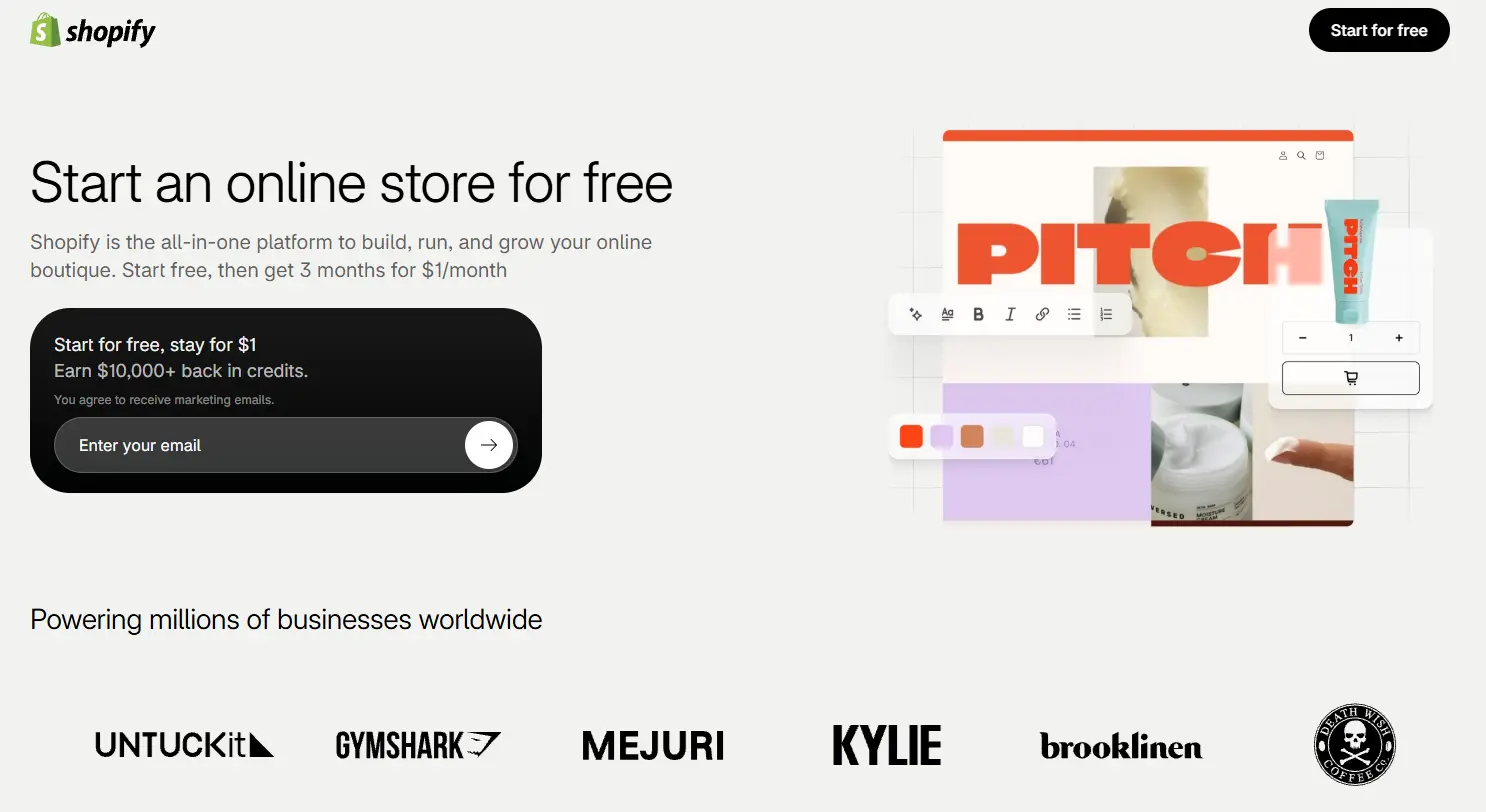
Parents, teachers and gift buyers spend steadily on toys, story books and learning games. You can open an online store, sell through a market stall or supply local schools. Shopify lets you build a shop with product pages, payments and shipping in one place, and it offers a trial period, so check the current plans before you commit.
A shop name registered with Namecheap keeps the address short and easy to remember. For more ways to sell online, see these online business ideas in Kenya, which use the same basic steps of choosing a product, building a store and finding buyers.
| Detail | Estimate |
|---|---|
| Startup cost | Medium (stock, store plan, domain, shipping supplies) |
| Time to first income | 1-2 months |
| Best for | Parents, teachers and people who like retail |
| Main requirement | Safe, certified products and a supplier |
Pros
- Large market with repeat buyers around birthdays and holidays
- Can be run from home with dropshipping or small stock
- Easy to grow with email and social media
Cons
- Strict safety rules for toys sold to children
- Price competition from large stores
2. Online Tutoring
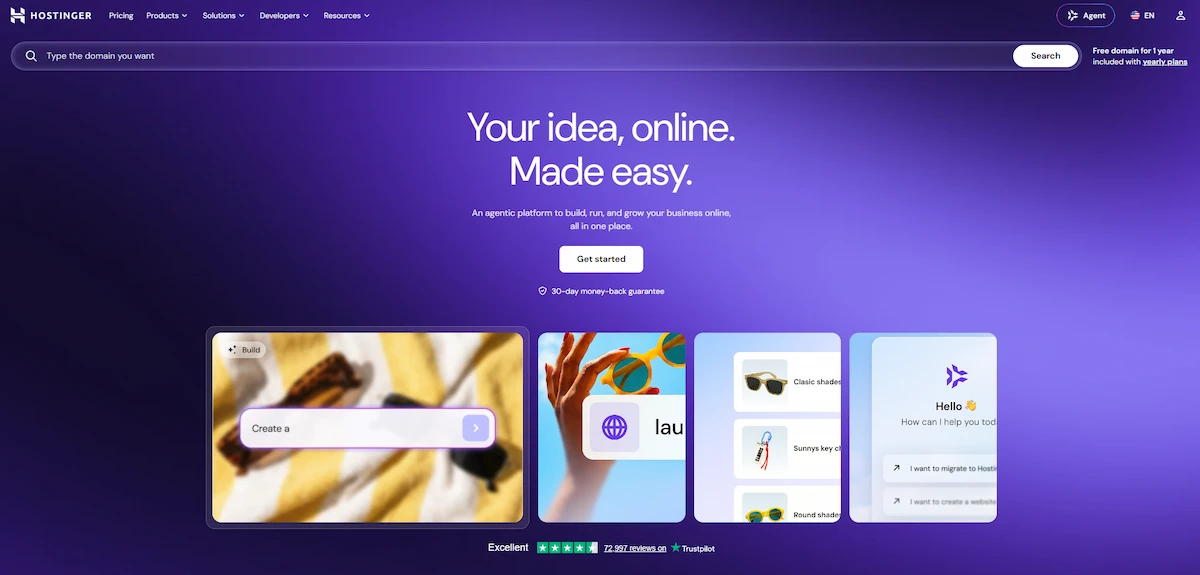
Online tutoring lets you teach math, reading, languages or exam skills from your laptop. You can work with one child at a time or with a small group, and your clients can live in any city. A basic website from Hostinger with your subjects, prices and a booking form makes you look more reliable than a profile on a marketplace.
Tutors who use AI tools for class 9 students can prepare worksheets and practice questions faster, but the lesson itself should stay personal.
| Detail | Estimate |
|---|---|
| Startup cost | Low (laptop, headset, a simple website) |
| Time to first income | Days to a few weeks |
| Best for | Teachers, students and subject experts |
| Main requirement | Subject knowledge and good internet |
Pros
- Very low cost and no travel
- Flexible hours that fit around a job
- Easy to raise prices as reviews grow
- Works for ages 6-18
Cons
- Many tutors compete on the same marketplaces
- Younger kids lose focus on a screen
3. Coding and Tech Classes
Kids who learn to code early gain a skill that schools often skip, and parents are willing to pay for it. You can teach visual tools to younger children and real programming languages to teenagers. Classes can run at a local center or online.
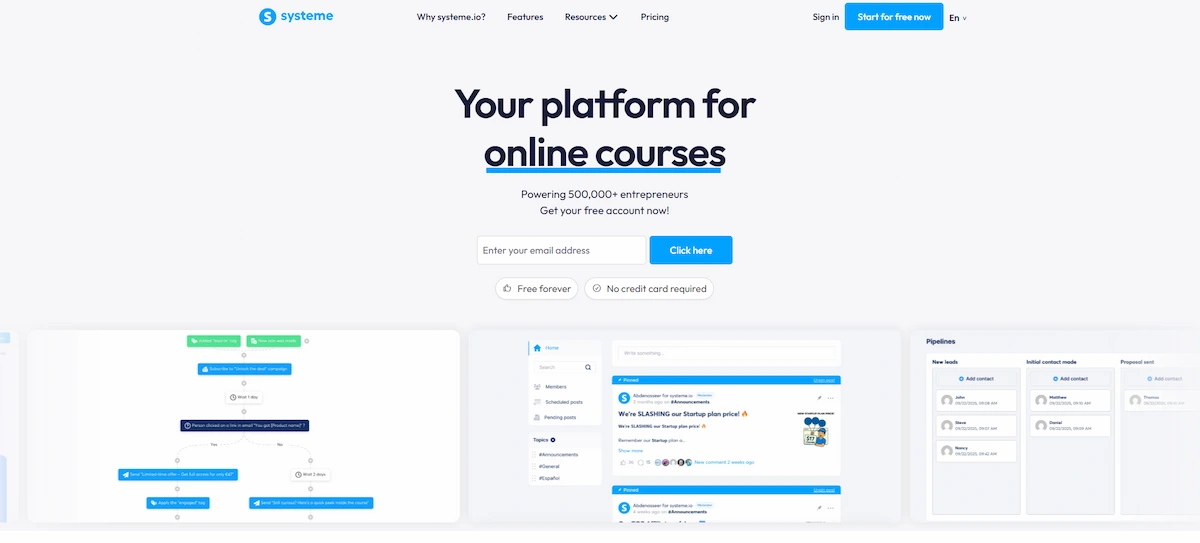
A course sold through Systeme.io lets you keep a sales page, an email list and your lessons in one account, so families can buy while you sleep. Add a free trial lesson to lower the doubt of new parents.
| Detail | Estimate |
|---|---|
| Startup cost | Low (laptop, course platform) |
| Time to first income | 2-6 weeks |
| Best for | Developers, students and tech teachers |
| Main requirement | Programming skill and a clear lesson plan |
Pros
- Growing demand from parents of kids aged 8 and above
- Can turn into a recorded course that sells again
- Works online with students in different places
Cons
- Lesson plans take time to build
- Younger kids need patient, hands-on help
4. Kids Party Planning
Parents often pay to avoid planning a birthday themselves. A kids party business offers themes, decorations, games, cakes and entertainers such as a magician or a face painter. You can sell a full package or a single service, for example a dress-up visit or a craft table. Invitations, banners and menus made with Canva add a personal touch, and photos from past events are the best advertising.

Start with parties for friends and neighbors, then book through local parent groups.
| Detail | Estimate |
|---|---|
| Startup cost | Low to medium (decor, props, costumes) |
| Time to first income | 2-4 weeks |
| Best for | Creative people who enjoy events |
| Main requirement | Event insurance and a clear contract |
Pros
- High price per event
- Easy to start part time on weekends
- Every party brings new families who may book again
Cons
- Work is concentrated on Saturdays and Sundays
- Seasonal peaks around summer and holidays
5. Babysitting or Nanny Service
Babysitting is the easiest way to start and one of the oldest. You care for children at their home for an evening, a weekend or a full day. A step up is a nanny placement service, where you screen sitters and match them with families for a fee.
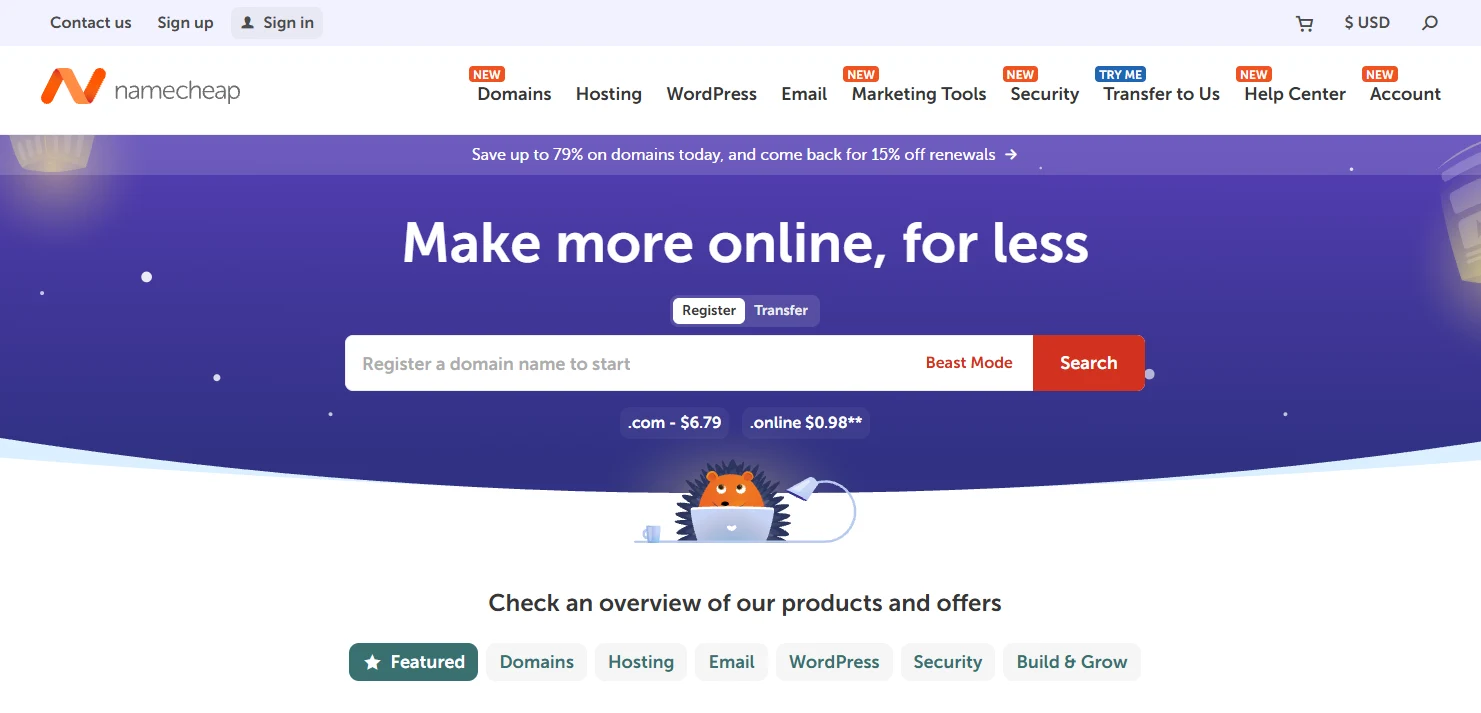
A short website and your own domain from Namecheap help parents find you and trust the name, and a profile with your training, references and rates answers most of their questions before they call.
| Detail | Estimate |
|---|---|
| Startup cost | Very low (first aid course, background check) |
| Time to first income | Days |
| Best for | Students, parents and carers with free evenings |
| Main requirement | References, first aid training and a clean record |
Pros
- Almost no startup money
- Demand on weekends, holidays and school breaks
- A placement service can grow beyond your own hours
Cons
- Irregular hours and uneven income
- A placement service needs careful screening and insurance
6. Home Daycare
A home daycare is the classic way to work with kids. You look after a small group of children in your own house while their parents are at work, and you charge a weekly or monthly fee per child. Demand is steady because many families struggle to find a place near home.
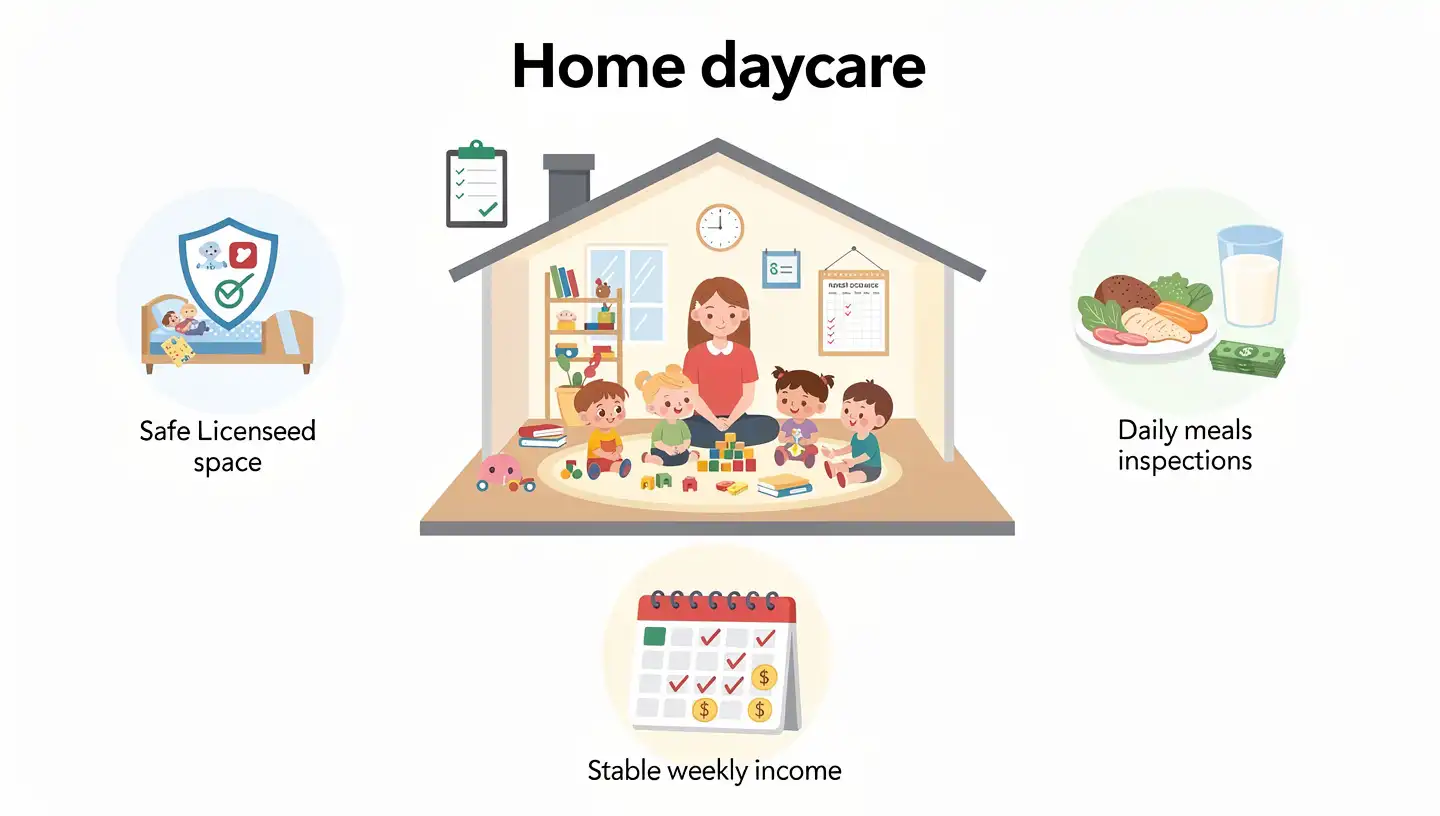
You need a safe room, toys, meals, a daily schedule and a license in most areas, and the first months go to paperwork and inspections. Once the group is full, income repeats every week, which is rare for a small business.
| Detail | Estimate |
|---|---|
| Startup cost | Medium (equipment, safety items, license fees, insurance) |
| Time to first income | 1-3 months, depending on licensing |
| Best for | Parents and former childcare workers with space at home |
| Main requirement | License, inspection and first aid training |
Pros
- Steady, repeat income from weekly fees
- Low rent because you work from home
- Strong word of mouth between parents
- Your own children can stay with you
Cons
- Long hours and little time off
- Strict rules on group size and safety
7. After-School Care Club
An after-school club covers the hours between the end of school and the time parents finish work. You pick up or receive the kids, give them a snack, help with homework and organize games or crafts. The idea works well in a church hall, a community room or a rented classroom. Parents pay monthly, and you can add holiday camps for extra income.
Flyers made in Canva are enough to announce the club at nearby schools, and a simple sign-up form helps you count children and collect contact details.
| Detail | Estimate |
|---|---|
| Startup cost | Low to medium (room rent, snacks, supplies) |
| Time to first income | 1-2 months |
| Best for | Teachers, tutors and youth workers |
| Main requirement | Safe space, helpers and background checks |
Pros
- Predictable hours each school day
- Easy to add tutoring or holiday camps
- Parents recommend a club that works
Cons
- Income drops during school breaks unless you run camps
- You need more than one adult once the group grows
8. Music, Art or Dance Classes
If you play an instrument, paint or dance, you can teach it. Weekly classes for small groups of kids bring in steady income, and you can run them at home, in a rented studio or at a school.
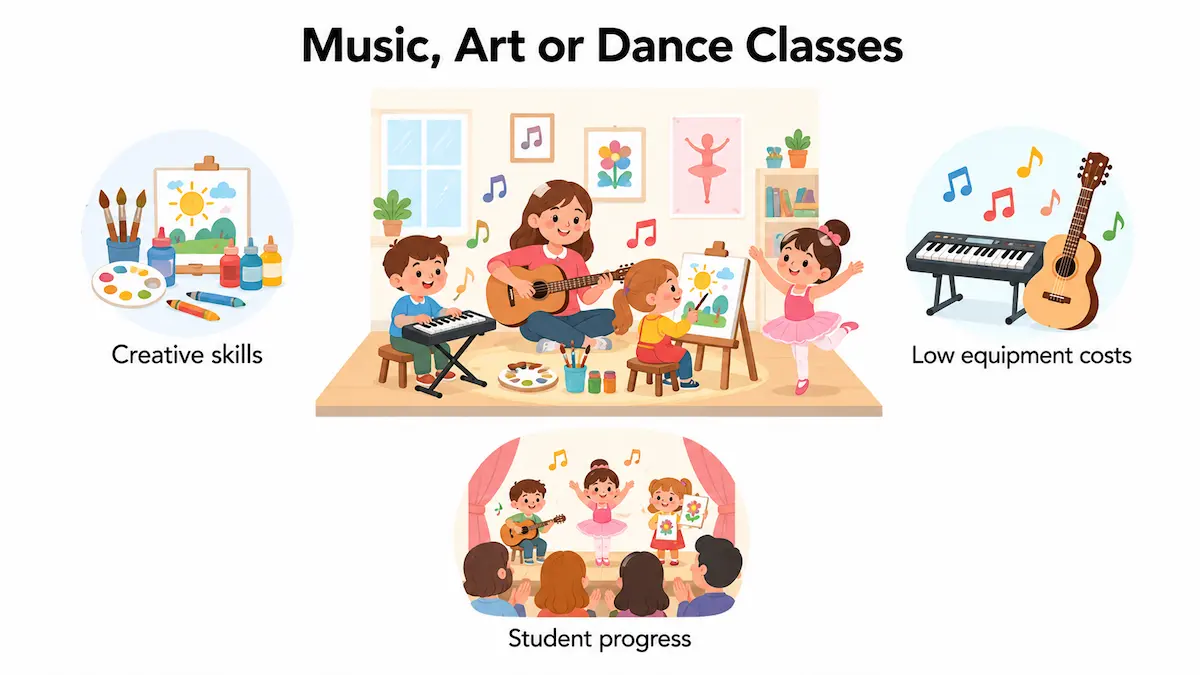
Music lessons and art and crafts classes need little equipment, while dance classes need floor space and a sound system. Families like to see progress, so a short show at the end of each term keeps them enrolled and brings new students.
| Detail | Estimate |
|---|---|
| Startup cost | Low to medium (instruments, art supplies, studio rent) |
| Time to first income | 2-6 weeks |
| Best for | Musicians, artists and dancers |
| Main requirement | Teaching skill and a suitable room |
Pros
- Regular weekly income from students who stay for months
- You teach something you already love
- Group classes raise your hourly income
Cons
- Students may quit when a hobby changes
- Studio rent can be high in big cities
9. Swimming Lessons and Sports Coaching
Coaches work with kids on swimming, football, tennis, gymnastics or martial arts.
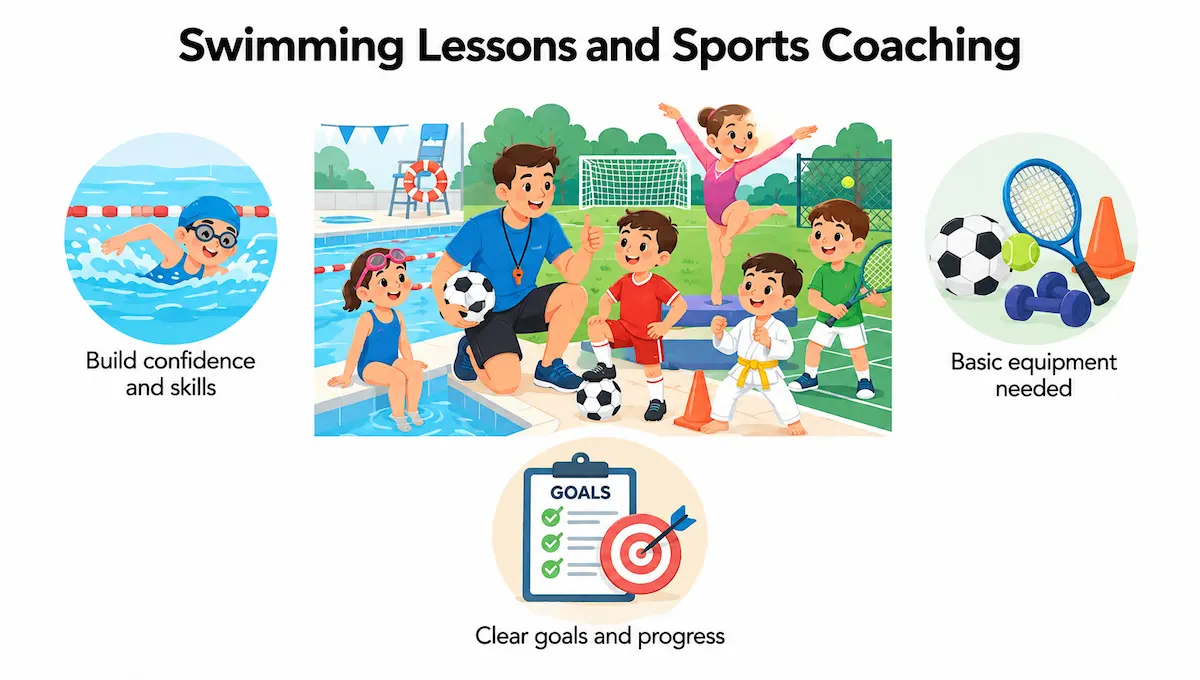
You can teach private lessons, run a weekly team or organize a holiday camp. Swimming needs a pool and a lifeguard or teaching certificate, while most other sports need only a field, a hall and basic equipment. Families choose a coach by trust and results, so show clear goals for each age group and keep classes small.
| Detail | Estimate |
|---|---|
| Startup cost | Low to medium (certificate, equipment, venue hire) |
| Time to first income | 2-4 weeks |
| Best for | Athletes, trainers and former players |
| Main requirement | Coaching certificate, first aid and insurance |
Pros
- Families value sport and pay for good coaching
- Works as private lessons, teams or camps
- Easy to add holiday programs
Cons
- Injury risk means insurance is a must
- Weather and venue costs can cut your profit
10. Children Clothing and Handmade Products
Baby clothes, printed t-shirts, knitted hats and personalized gifts sell well because parents and relatives like to buy for kids. You can make products yourself, work with a print-on-demand supplier or sell second-hand items in good condition.
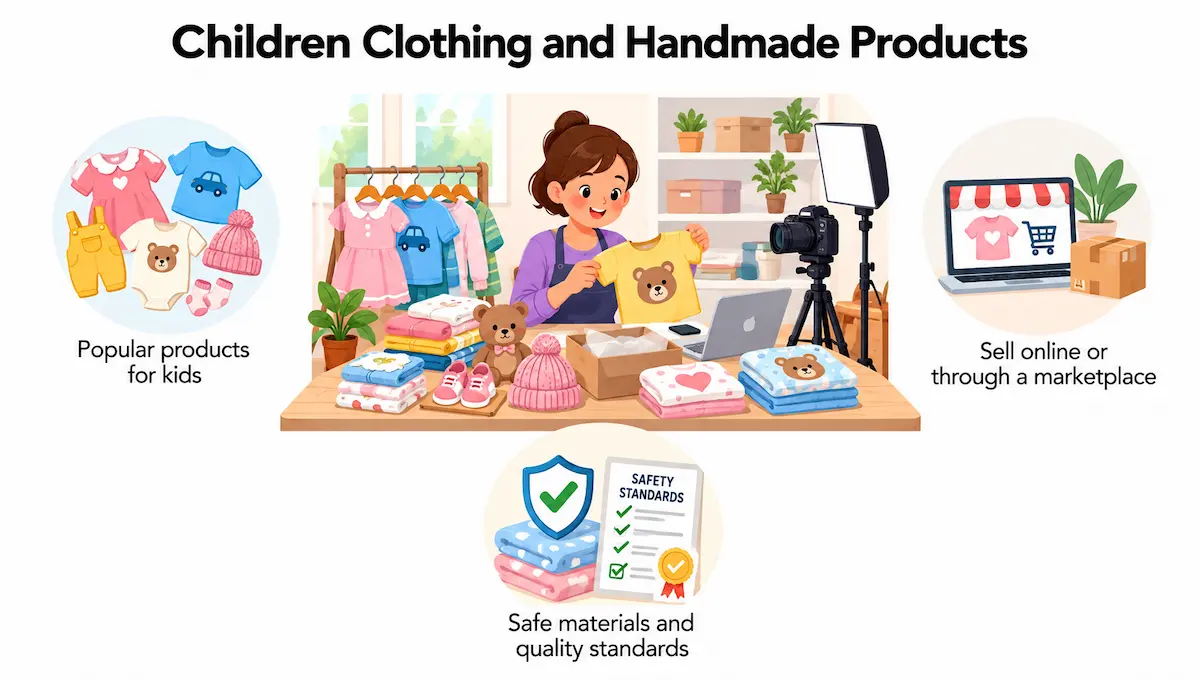
Designs and product photos made in Canva are enough to start, and a store built on Shopify or a marketplace shop can follow once you know which items sell. Fabric and materials for babies must meet safety rules, so check the standards in your country.
| Detail | Estimate |
|---|---|
| Startup cost | Low to medium (materials, tools, store fees) |
| Time to first income | 2-6 weeks |
| Best for | Makers, sewers and designers |
| Main requirement | Safe materials and clear product labels |
Pros
- You can start at home with a small budget
- Personalized items have higher margins
- Gift seasons bring sales peaks
Cons
- Handmade work is slow to scale
- Rules for baby products can be strict
11. Special Needs Childcare
Families of children with special needs often struggle to find care that fits. A small daycare, a weekend club or a home visit service for these children fills a real gap.
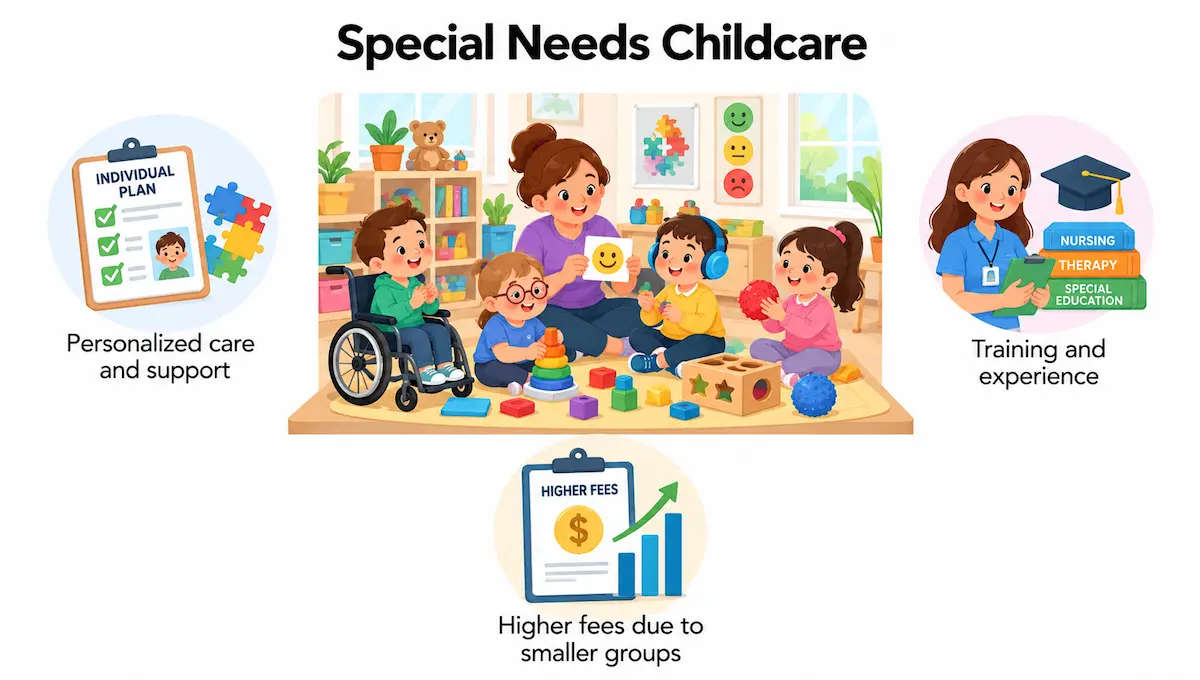
You need training, patience and a clear plan for each child, and many owners come from nursing, therapy or special education. Fees are usually higher than standard childcare because groups are smaller and staff need more training.
| Detail | Estimate |
|---|---|
| Startup cost | Medium to higher (training, equipment, insurance) |
| Time to first income | 2-4 months |
| Best for | Therapists, nurses and special education teachers |
| Main requirement | Specialist training, license and low child-to-staff ratio |
Pros
- Higher fees and little local competition
- Strong loyalty from families
- Meaningful work with a clear community need
Cons
- Training and staffing costs are higher
- The work can be emotionally demanding
12. Kids Photography
Photographers who work with kids shoot portraits, school events, birthdays and newborn shoots. Parents buy prints, albums and digital files, and the same family often returns every year. Patience matters more than gear, because children move, laugh and refuse to sit still.
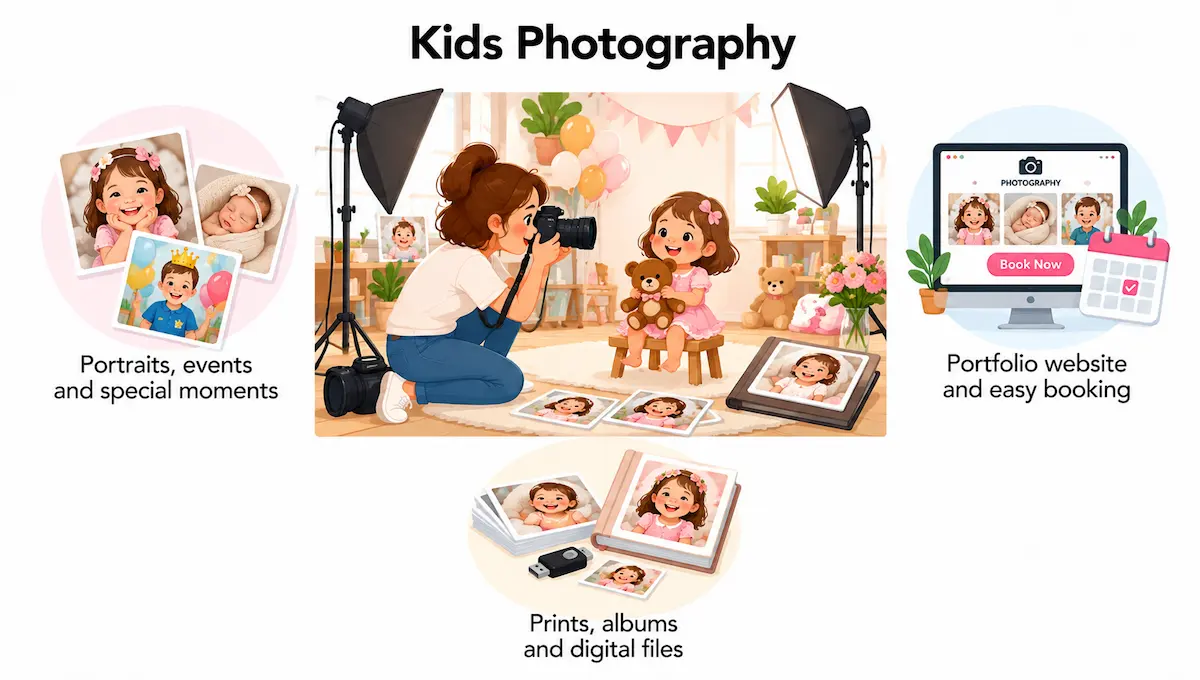
A portfolio website from Hostinger with your best photos and a booking page lets parents see your style and pick a date without a phone call.
| Detail | Estimate |
|---|---|
| Startup cost | Medium (camera, lenses, lighting, website) |
| Time to first income | 2-4 weeks |
| Best for | Photographers who like working with families |
| Main requirement | Portfolio, parent consent and a signed contract |
Pros
- Repeat bookings every year
- Extra income from prints and albums
- Flexible schedule and part time start
Cons
- Equipment is an upfront cost
- Busy seasons are short
Business Ideas Kids Can Run Themselves
The same search also brings up ideas for children who want to earn their own money. A kid business should be simple, safe and supervised by a parent. Our list of business ideas for kids covers more options, and the short list below shows the ones that work best for ages 6-12 and ages 13-18.
Lemonade Stand, Dog Walking and Pet Sitting
The simplest business ideas for kids need almost no money, and a lemonade stand is the first business for many children and teaches prices, change and customer service. Dog walking and pet sitting suit kids aged 11 and older who live near neighbors with pets. A parent should know every customer and every address.
Baking and Selling Treats
Among business ideas for kids, baking is a favorite because cookies, cake pops and other treats sell at school fairs, markets and to neighbors. Check local food rules before selling, because some places limit home baked goods.
Handmade Crafts and Cards
Bracelets, greeting cards, bookmarks and painted stones need cheap supplies and sell at craft fairs or through a family shop. Teenagers who want to start something online can read how to start an online business under 18, including the age rules for payment accounts.
Content Creation and YouTube
Online business ideas for kids need extra care. A kid with a hobby, such as games, drawing or science, can start a channel or a blog. Parents must manage the account, the privacy settings and any income, and should never share the child location or school.
Recycling and Plant Care
Collecting bottles, watering plants for neighbors and helping in gardens are low cost jobs that teach responsibility. They also fit short summer breaks.
Tools to Start a Business Working With Kids
Most of these businesses need a way to be found, a way to take bookings and a way to be paid. The five tools below cover those jobs without a large budget. Check the current pricing on each site, because plans change.
Build a Website With Hostinger
A website is where parents check your prices, hours, photos and reviews. Hostinger offers hosting and a website builder, which is enough for a tutor, a daycare, a photographer or a class teacher. Add a contact form, a short about page and a list of your qualifications. If your business grows to several staff members, an online business manager can run bookings and daily tasks so you can spend more time with the kids.
Register a Domain With Namecheap
A domain such as yourname.com or yournamecare.com is easier to remember than a social media link. Namecheap sells domains and also offers email addresses on the same name, which looks more professional when you write to parents.
Create Marketing Material With Canva
Canva has templates for flyers, posters, party invitations, worksheets and social media posts. Use it for a price list, a class schedule or a welcome sheet for new families, and keep your colors and fonts the same everywhere.
Sell Courses and Collect Emails With Systeme.io
If you teach, Systeme.io helps you sell an online course, send newsletters and build a simple sales funnel from one account. Parents who leave their email for a free lesson or checklist can later hear about new classes.
Open an Online Shop With Shopify
For toys, books, clothes and gifts, Shopify gives you product pages, a cart and payments. Start with a few products, add clear photos and write honest descriptions with age ranges and safety notes.
Legal and Safety Requirements
Working with children comes with more rules than most small businesses. Laws differ by country and by state, so treat this section as a checklist of questions to ask your local office, not as legal advice.
Licenses, Insurance and Background Checks
Childcare almost always needs a license or registration, and the office will check your home, your training and your record. Tutors, coaches and party planners may not need a license, but they still need a background check and liability insurance in most places. In the United States, the SBA guide to licenses and permits shows how to find what applies to your business. Ask the local childcare office about group size limits, adult-to-child ratios and first aid training.
Child Safety and Parent Consent
Get written consent from the parents or guardians for pickups, photos, medical care and any trip outside the venue. Keep a list of allergies, emergency contacts and approved adults for each child. For photos and social media posts, ask permission every time and never show a child full name or school.
How to Start a Business Working With Kids in 5 Steps
- Choose one idea and one age group. A clear offer, such as math tutoring for ages 8-12, is easier to sell than a general kids service.
- Check the rules. Ask about licenses, training, insurance and taxes. Rules differ by country, and a guide on how to start an online business in Trinidad shows the usual registration steps that apply almost everywhere.
- Write a short business plan. List your price, your costs, the hours you can work and the number of children you can handle.
- Set up your tools. Register a domain, build a simple website, make flyers and prepare a contract and a booking form.
- Find your first customers. Tell friends, school groups and local parent pages, offer a trial class or a first visit, and ask every happy parent for a review.
Income from your own business is usually taxed as self-employment, so keep records of everything you earn and spend. The IRS self-employed tax center explains the basics for the United States.
Startup Costs at a Glance
The table below compares all 12 ideas on cost, speed and license needs. Use it to pick the idea that fits your budget.
| Idea | Startup cost | First income | License usually needed |
|---|---|---|---|
| Toy, Book and Products Shop | Medium | 1-2 months | Business permit |
| Online Tutoring | Low | Days to weeks | No |
| Coding and Tech Classes | Low | 2-6 weeks | No |
| Kids Party Planning | Low to medium | 2-4 weeks | Business permit |
| Babysitting or Nanny Service | Very low | Days | Sometimes |
| Home Daycare | Medium | 1-3 months | Yes |
| After-School Care Club | Low to medium | 1-2 months | Often |
| Music, Art or Dance Classes | Low to medium | 2-6 weeks | Rarely |
| Swimming and Sports Coaching | Low to medium | 2-4 weeks | Certificate |
| Children Clothing and Handmade | Low to medium | 2-6 weeks | Product safety rules |
| Special Needs Childcare | Medium to higher | 2-4 months | Yes |
| Kids Photography | Medium | 2-4 weeks | Business permit |
The Bottom Line
Business ideas working with kids range from a babysitting job you can start this week to a licensed daycare that takes months to set up. The best choice matches your skills, your budget and the rules where you live. Pick one idea, one age group and one way to reach parents, then test it with a few families before you grow. Good reviews from happy parents will bring most of your next customers.
Frequently Asked Questions
What business can I start if I love working with kids?
You can start a home daycare, an after-school club, tutoring, babysitting, a party business, classes in music, art or sport, a toy shop or a photography service. Pick the one that matches your skills and your local rules, and begin with a small group of clients.
What is the best business to start working with children with no experience?
Babysitting, kids party help and online tutoring in a subject you know are the easiest ways in. They need little money and no license in many places. Take a first aid course and collect references, and you can move to a daycare or a learning center later.
How much does it cost to start a business working with kids?
It depends on the idea. Babysitting and online tutoring can start for very little. A home daycare, a shop or a photography business needs more for equipment, stock, insurance and fees. Check local prices and write a simple budget before you spend.
Do I need a license to work with kids?
Childcare usually needs a license or registration, and the office may inspect your home and check your record. Tutoring, coaching and party planning often need only a business permit, a background check and insurance. Rules differ by country and state, so ask your local office.
What is the easiest business for a parent to start from home?
Home daycare, online tutoring, handmade products and an online shop for kids items all work from home. Daycare gives steady income, and tutoring and online selling have the lowest startup cost.
Can kids start their own business?
Yes. Children can run a lemonade stand, walk dogs, sell crafts or bake treats, and teenagers can tutor or run a small online shop. A parent should supervise, manage any online account and help with money and safety.
What business should I start at 11 years old?
At 11, simple and local jobs work best: pet sitting, dog walking for a neighbor, a lemonade stand, baking for a school fair or handmade cards. Talk to a parent first and sell only to people the family knows.
What is the best age to start a business?
There is no fixed age. Kids can try small projects from around age 6 with an adult, and teenagers can run real services. Adults who want to work with kids can start at any age, as long as they meet the local rules.
How do I get my first customers for a kids business?
Tell friends and neighbors, post in local parent groups, leave flyers at schools and libraries, and offer a trial class or a first visit at a lower price. Ask every happy parent for a short review, because parents trust other parents.