Some links on this page are affiliate links, so we may earn a commission if you buy through them. It costs you nothing extra. Prices and rules below come from vendor pages and guides published in 2026, and both change often, so confirm them before you pay or register.
Starting an online business in Nepal is easier than it was a few years ago. Most people already have a smartphone and an internet connection, eSewa and Khalti are part of daily life, and you can open a Facebook page or a simple website in an afternoon. The harder part is knowing what to sell, how to register, and how to get paid.
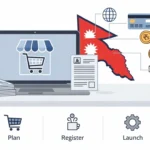
This guide explains how to start an online business in Nepal from the first idea to the first order. It covers four business ideas, five tools worth considering (Namecheap, Hostinger, Shopify, Systeme.io, and Canva), then registration with PAN and the e-commerce rules, payments, delivery, and a 30-day plan.
Rules change often, so every legal point is marked, and you should confirm it with the official office before you act. Prices are given in NPR where possible, with the source.
How to Start an Online Business in Nepal at a Glance
Here are the eight steps in one list. Each one has its own section below.
- Choose an idea: pick a product, a service, a digital product, or a course
- Check demand and costs: test the idea small and work out your margin
- Register legally: business registration, PAN, VAT if it applies, and the e-commerce listing
- Set up your website and tools: a domain, hosting or a store builder, and your design tools
- Take payments: eSewa, Khalti, bank transfer, cash on delivery, and foreign payment options
- Arrange delivery: a courier or marketplace for products, a download link for digital goods
- Get your first customers: Facebook, Instagram, TikTok, Viber, and search
- Track and grow: orders, returns, reviews, and profit
Best Online Business Ideas in Nepal
Pick the idea that matches what you already know and the money you can spend. These four are the most common online business ideas in Nepal, and each one has a short review, a table, and the main pros and cons.
1. Sell Products Online (E-Commerce Store)
An e-commerce business in Nepal means selling physical products through a website, a Facebook or Instagram page, or a marketplace such as Daraz. You can hold stock yourself, buy from a wholesaler when an order arrives, or use dropshipping from a supplier.

Bytecode Developers advises a small test batch first, so you check demand before you pay for a full website. Delivery and returns on cash on delivery orders are where most stores lose money, so plan for them from the start.
| Detail | Info |
|---|---|
| Startup cost | From about NPR 10,000 for a small store, up to NPR 50,000 for a WooCommerce site (competitor ranges, confirm locally) |
| Skills | Sourcing, product photos, customer service |
| Where you sell | Facebook, Instagram, Daraz, your own website |
| Best for | People who can source a product and handle delivery |
Pros
- You can start with a Facebook page and no website
- Customers already buy through Facebook and Daraz
- Easy to test with a small batch
- Dropshipping lets you start without stock
Cons
- Delivery and returns add cost
- Stock ties up your money
- Price competition from Daraz and other sellers
2. Freelancing and Online Services
Freelancing means selling a skill such as web design, writing, video editing, or social media management. You need a laptop, a stable internet connection, and a portfolio. Clients can be local businesses or foreign buyers. Foreign clients usually pay in dollars, so you need a way to receive money.

Payoneer is the option Nepali freelancers mention most, and PayPal has been limited for Nepal, so check current availability before you promise anything to a client.
| Detail | Info |
|---|---|
| Startup cost | Low, mostly a laptop and internet |
| Skills | A skill clients pay for, plus a portfolio |
| Income | Per project or a monthly retainer |
| Best for | People who already have a skill |
Pros
- Almost no startup cost and no stock
- You start with the skill you already have
- Local and foreign clients both work
- Can grow into a small agency
Cons
- Income is uneven at first
- Receiving foreign payments needs setup
- Clients often ask for proof of past work
3. Digital Products and Templates
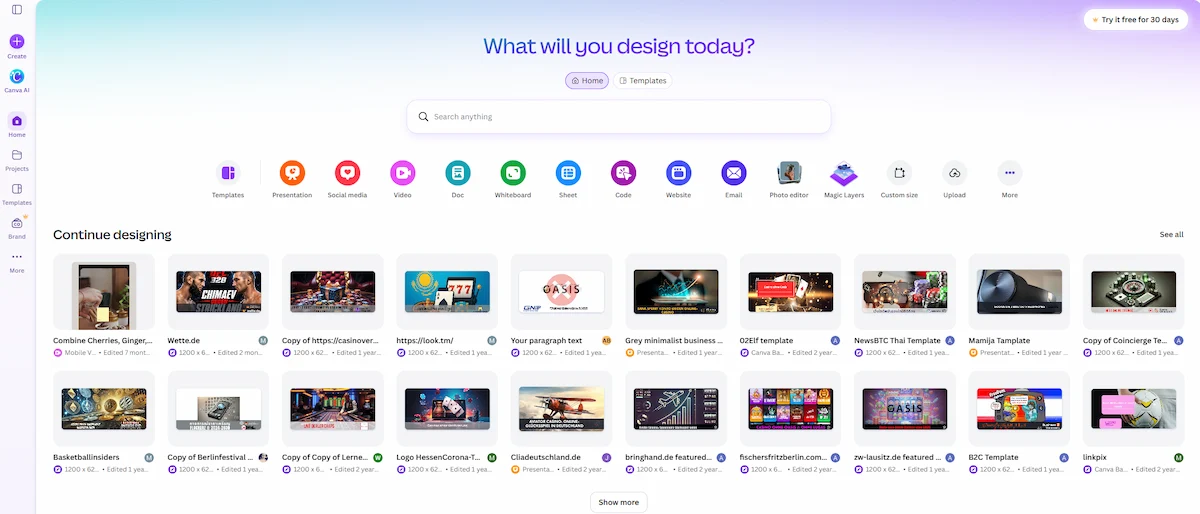
Digital products are files you make once and sell many times: Canva templates, e-books, planners, photo presets, or study notes. There is no stock and no delivery. Cybolex Academy lists Canva templates among its ideas for Nepal. You can sell through your own website or a Facebook page, and Nepali buyers can pay by eSewa or Khalti with a manual confirmation.
The trade-off is that files are easy to copy, so build trust and update your products.
| Detail | Info |
|---|---|
| Startup cost | Low, mostly your time |
| Skills | Design, writing, or teaching |
| Delivery | Download link or file sent by email or Viber |
| Best for | Designers, teachers, and writers |
Pros
- No stock and no delivery
- High margin once the product is made
- Easy to start with Canva
- Scales without extra work per sale
Cons
- Files can be copied and shared
- Needs steady marketing to keep sales coming
- International buyers are hard to reach without a foreign payment option
4. Online Courses and Coaching
If you can teach a subject, you can sell an online course or coaching. Online tuition appears on most idea lists for Nepal, with subjects such as languages, exam preparation, computer skills, and design.

You can record videos, run live classes on Zoom or Google Meet, and collect payments through eSewa or Khalti. A tool like Systeme.io can hold the course, the sales page, and the email list in one place.
| Detail | Info |
|---|---|
| Startup cost | Low to medium, depending on equipment and tools |
| Skills | Subject knowledge and clear teaching |
| Tools | Zoom or Google Meet, Systeme.io, Canva |
| Best for | Teachers, trainers, and experienced professionals |
Pros
- A recorded course can sell many times
- Works next to a YouTube channel
- Builds your name in your field
- Live classes can start right away
Cons
- Trust takes time to build
- Many course platforms rely on Stripe or PayPal, which are limited for Nepal
- A full course takes weeks to produce
If none of these fits, our list of online business ideas in Kenya shows how a similar market compares.
Best Tools to Start an Online Business in Nepal
You do not need a website on day one. A Facebook page and an eSewa QR code can bring your first orders. A domain and a simple site help later because they build trust and let customers find you in search. Five tools cover the basics.
- Namecheap: for your domain name
- Hostinger: for hosting a WordPress or WooCommerce store
- Shopify: for a hosted store that sells to foreign customers
- Systeme.io: for funnels, email, and courses
- Canva: for logos, posts, and product images
Namecheap: Best for Your Domain
Namecheap is a domain registrar. Bizstartz puts a .com domain at about $10 to $15 a year, and most buyers pay by card or PayPal, so confirm your card works from Nepal before you start. Some guides say a .com.np domain is available with business registration papers, so ask the local registrar as well.
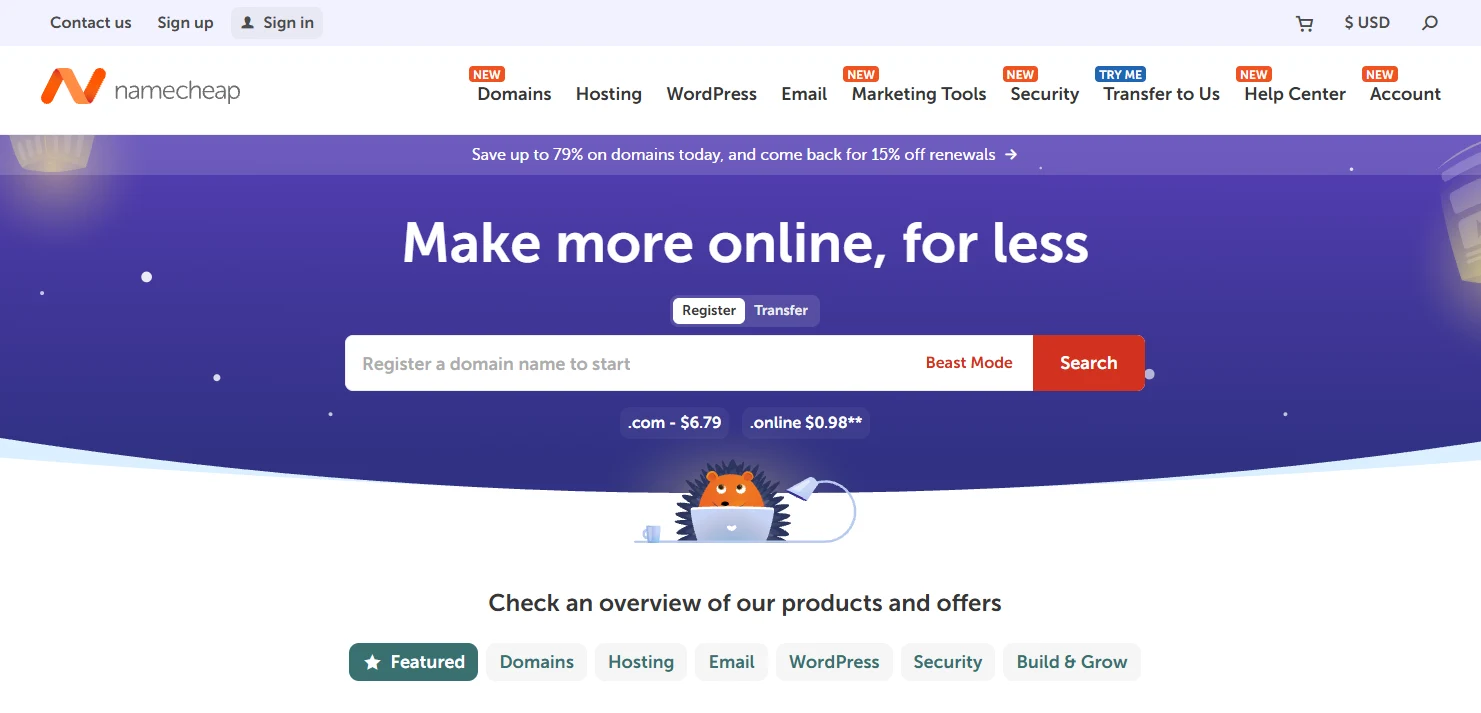
Buy the name in your own account so you control it, whatever hosting you choose later.
| Detail | Info |
|---|---|
| Type | Domain registrar |
| Price (source) | .com about $10 to $15 a year (Bizstartz), renewal prices can differ |
| Works with | Hostinger, Shopify, WordPress, Systeme.io |
| Best for | One domain you fully control |
Pros
- Domain and DNS settings stay under your control
- Easy to connect to other tools
- Low first-year prices on many domains
- Works with any host
Cons
- Renewal price is often higher than the first year
- Card payment from Nepal needs checking
Hostinger: Best for a WordPress or WooCommerce Site
Hostinger sells web hosting for WordPress and WooCommerce, which is a common route for a store you fully control. Merokalam puts shared hosting in Nepal at NPR 3,000 to 8,000 a year, so compare the Hostinger plan price with local hosts. Plans usually include an SSL certificate, and some longer plans include a free domain for the first year.
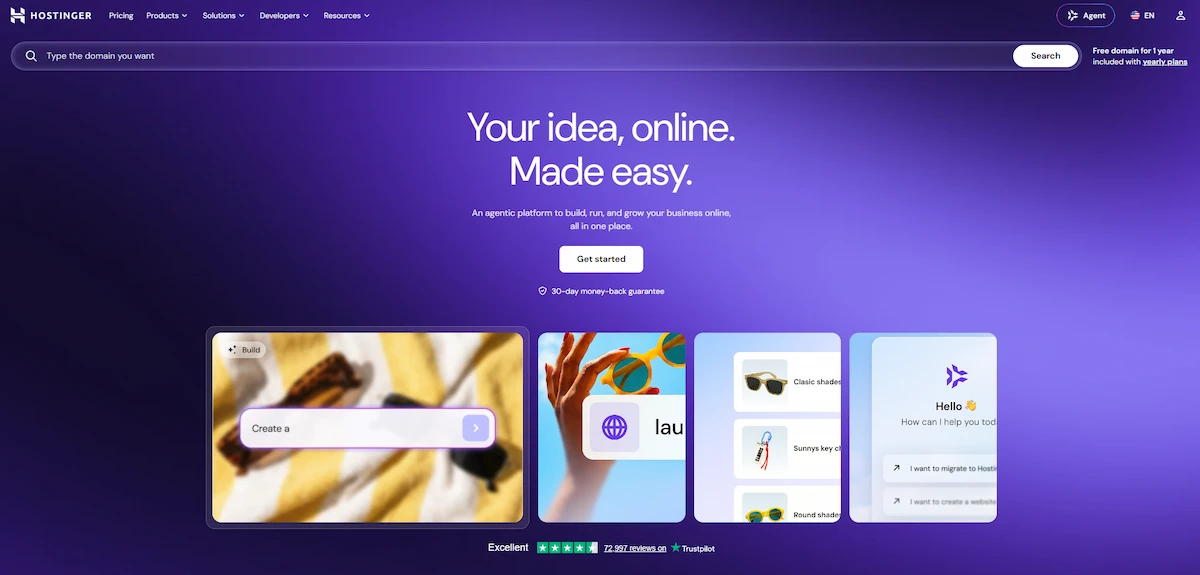
The monthly price depends on the term, so check the current plan page before you decide.
| Detail | Info |
|---|---|
| Type | Web hosting |
| Price (source) | Depends on the plan and term, check the current plan page |
| Works with | WordPress, WooCommerce, domains from Namecheap |
| Best for | Owners who want a store they control |
Pros
- Good fit for WordPress and WooCommerce
- SSL certificate included on most plans
- Longer terms lower the monthly price
- Can also host a blog for SEO
Cons
- Low prices usually need a multi-year term
- You set up and manage the store yourself
- Check plugin support for eSewa and Khalti before you build
Shopify: Best for a Hosted Store That Sells Abroad
Shopify is a hosted store builder. You pay a monthly fee and get the store, hosting, and checkout in one account. Bizstartz lists Shopify Basic at $29 a month and a free trial, but the bigger problem from Nepal is payments. Bizstartz says Shopify Payments is not available, and Stripe does not accept Nepal-registered businesses, so some sellers use other gateways or register a company abroad, which adds cost and tax duties.
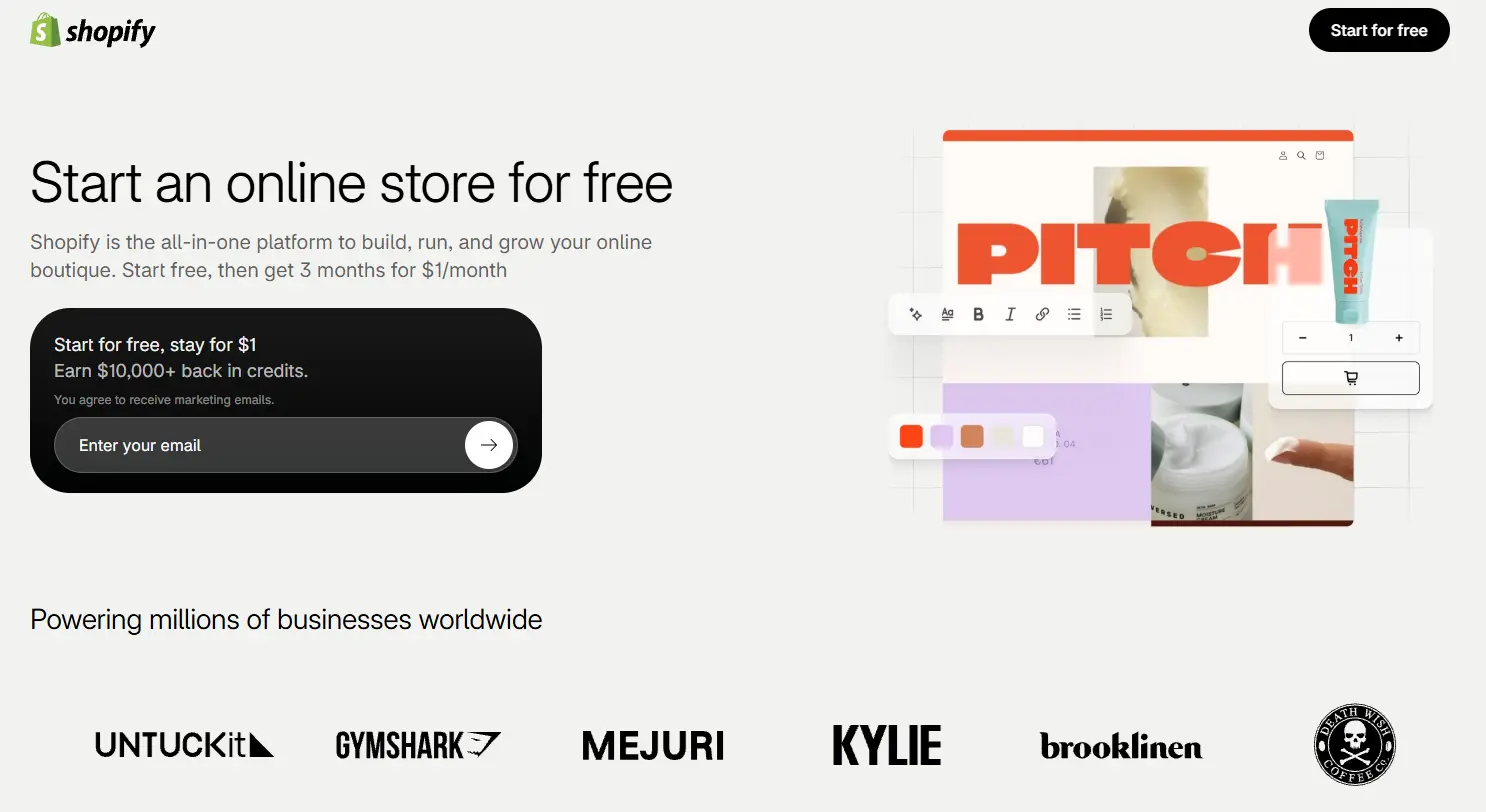
Check which payment options work for you before you pay for a plan.
| Detail | Info |
|---|---|
| Type | Hosted store builder |
| Price (source) | Basic about $29 a month (Bizstartz), check the current price and trial |
| Works with | Third-party payment apps, Namecheap domains, Canva images |
| Best for | Sellers who ship to foreign customers |
Pros
- Fast to launch, with store, hosting, and checkout in one place
- Large library of apps
- Suited to selling abroad
- Free trial to test the setup
Cons
- Payments from Nepal are limited
- Monthly fee plus app costs
- Local wallets such as eSewa and Khalti need extra tools
Systeme.io: Best for Funnels, Email, and Courses
Systeme.io combines a sales funnel builder, email marketing, online courses, and a simple blog in one account. It has a free plan with limits and paid plans above it, so check the current limits. It suits courses, coaching, and digital products.
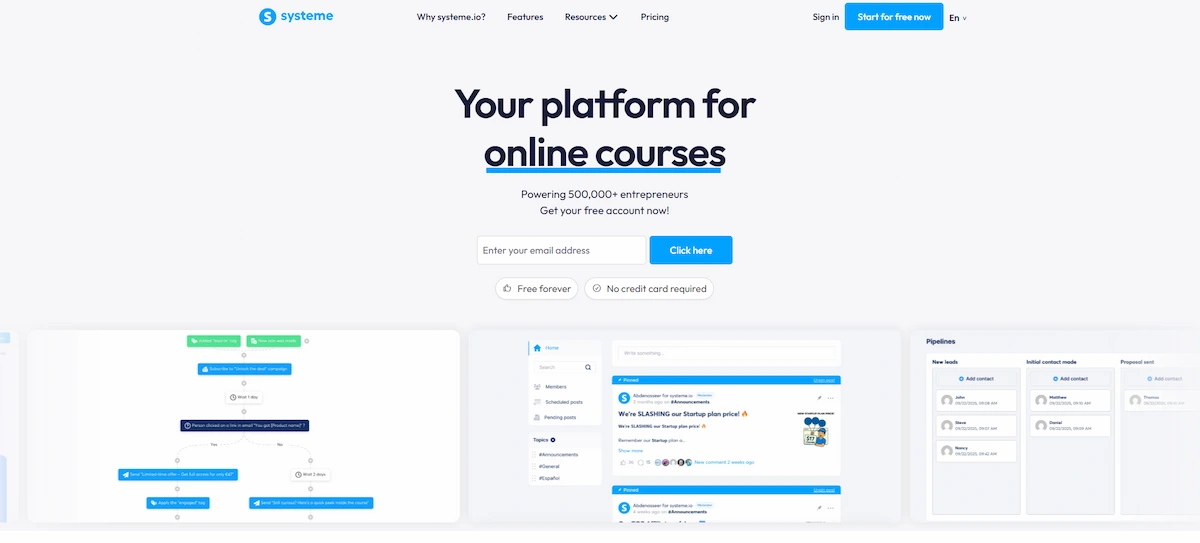
Its payments run through processors such as Stripe and PayPal, which are limited for Nepal, so decide how you will collect money before you build a paid course.
| Detail | Info |
|---|---|
| Type | Funnel, email, and course platform |
| Price (source) | Free plan with limits, paid plans above it, check the current page |
| Works with | Stripe, PayPal, Canva, Namecheap domains |
| Best for | Courses, coaching, and digital products |
Pros
- Funnel, email, and course tools in one account
- Free plan to test an idea
- Simple page builder
- Good fit for digital products
Cons
- Payment options are limited for Nepal
- Fewer design options than some page builders
- More than a small Facebook shop needs
Canva: Best for Logos and Social Posts
Canva is a design tool for logos, social posts, product images, and printable files. The free plan covers most small-business needs, and the paid plan adds brand kits and extra tools, so check the current plans.
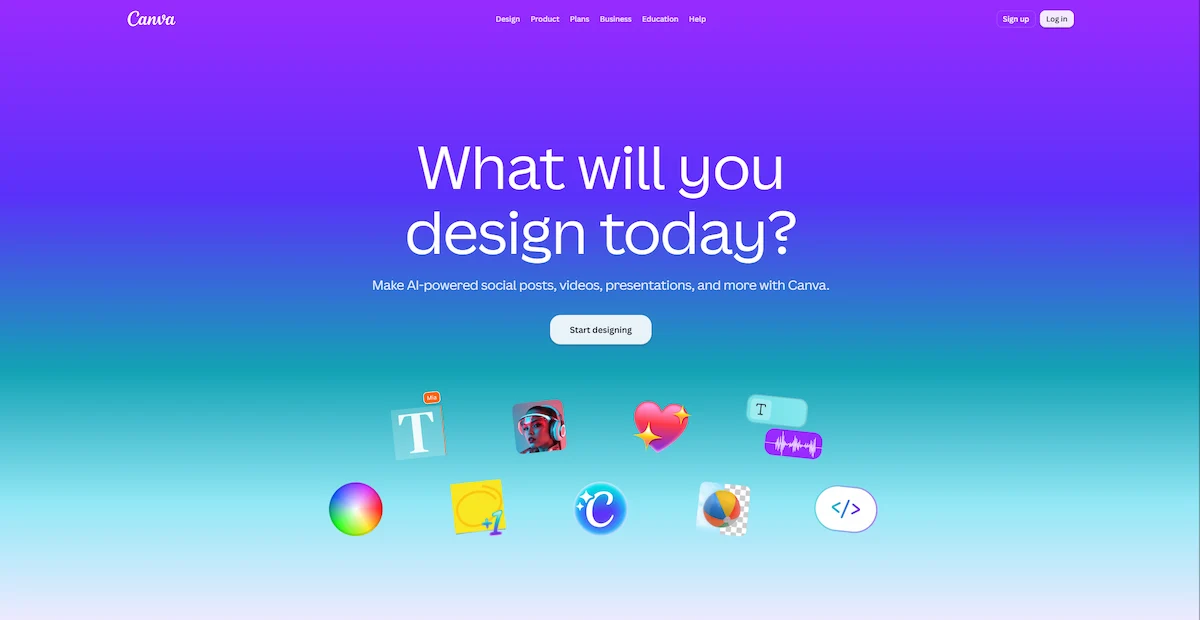
Digital product sellers use it to make templates, and shop owners use it for Facebook and Instagram posts. If you plan to sell templates, read Canva’s licence terms first.
| Detail | Info |
|---|---|
| Type | Design tool |
| Price (source) | Free plan, paid plan above it, check the current page |
| Works with | Facebook, Instagram, Shopify, Systeme.io |
| Best for | Logos, social posts, and templates |
Pros
- Free plan is enough to start
- Large library of templates
- Quick for social posts and product images
- Lets you make templates to sell
Cons
- Popular templates make brands look alike
- Some features need the paid plan
- Selling templates comes with licence rules
Online Business in Nepal: Where the Market Stands
Pigeon Web Solutions and Digital Terai both cite Nepal Telecommunications Authority figures that put internet use above 90% of the population, and the phone is now the main way people shop. Digital wallets moved with them. eSewa, Khalti, IME Pay, and FonePay are accepted at many shops, and connectIPS bank transfers are common for larger payments. Treat these numbers as a starting point and check the latest figures before you use them in a business plan.

Cash on delivery is still common, so most online sellers offer it next to digital payments. That affects your costs, because a refused parcel means you pay for delivery twice. Competition is growing as well, so an e-commerce business in Nepal needs a clear edge. Daraz leads among marketplaces, and many small sellers run Facebook and Instagram shops. Pigeon Web Solutions lists low trust in online shopping as a main challenge, so clear prices, quick replies, and a registered business help you stand out.
Step 1: Check Demand and Work Out Your Costs
Before you spend money, test whether anyone wants what you plan to sell. Post the product or service in a few Facebook groups, ask ten people you know for a direct opinion, and check how many sellers already offer the same thing and at what price. Bytecode Developers also suggests a small test order to see how customers respond. That test saves money for any online business in Nepal, whatever the model.
Then work out your profit on one sale. Take the selling price and subtract the product cost, packaging, delivery, the payment fee, and your ad cost per order. If the number is thin, change the price, the supplier, or the idea. Many new sellers skip this step and only discover the loss after the first dozen orders.
Step 2: Register Your Online Business in Nepal
Registration is the part most people avoid, and it is also what lets you open a business bank account and a merchant account with a payment gateway. Here is how to register an online business in Nepal, in the order most guides follow. Where guides disagree, confirm with the office before you pay any fee.
Choose a Business Structure
Guides usually split the choice into a private firm and a company. A private firm suits one owner and is registered at a local or cottage and small industry office. A private limited company is registered with the Office of the Company Registrar. Sources do not agree on which office handles small online sellers: Digital Terai names the Department of Industry, while others name the OCR or the ward office. Ask the office that serves your area. If you are still a student, our guide on how to start an online business under 18 covers the first steps.
Get PAN and Decide on VAT
A PAN comes from the Inland Revenue Department, and many guides say you can apply online. You need it for the business bank account and for most payment gateways. VAT is a separate question. Merokalam lists NPR 50 lakh for goods and NPR 20 lakh for services as the thresholds in 2026, while Bytecode Developers warns that these numbers change. Confirm the current figures with the department before you decide.
List Your Platform Under the E-Commerce Act
Nepal’s Electronic Commerce Act 2081 and the 2082 directive ask e-commerce platforms to list with the Department of Commerce, Supplies and Consumer Protection, according to Nepal Laws and Bytecode Developers. Bytecode also lists details a store should show, such as the business name, contact information, prices, and return terms. The guides do not say clearly whether a Facebook page counts as a platform, so ask the department before you assume either way.
Step 3: Take Payments From Nepali and Foreign Customers
Most Nepali customers pay with eSewa or Khalti, and many also use IME Pay, FonePay, or bank transfers through connectIPS. Bytecode Developers advises using payment gateways approved by Nepal Rastra Bank, and most gateways ask for a registered business and a PAN before they open a merchant account. That is one more reason to finish registration first.
Cash on delivery remains common. It brings orders, but it also brings refused parcels. Bytecode Developers suggests confirming each order by phone before shipping and asking for an advance payment on risky orders to cut failed deliveries.
Foreign payments are harder. Freelancers often use Payoneer, PayPal has been limited for Nepal, and Bizstartz says Stripe does not accept Nepal-registered businesses. Check what is available when you start, because these rules change. Small markets elsewhere face the same limits, and our guide on how to start an online business in Trinidad shows another example.
Step 4: Arrange Delivery for Product Businesses
If your online store in Nepal sells physical products, delivery decides whether customers come back. Competitor guides name courier and logistics companies such as Pathao, Nepal Can Move, Delivery Sewa, and NepXpress. Compare their prices for the cities you serve, and ask how they handle cash on delivery and returns. If you sell on Daraz, check what the marketplace handles for you and what you pay for it.
Pack each order the same way, add a printed invoice, and track how many parcels are returned. A high return rate points to a pricing, photo, or description problem, not only a courier problem. Digital products and services skip this step, because the customer gets a download link or a booking instead.
Step 5: Get Your First Customers
Customers of an online business in Nepal mostly start on social media, so begin where they already spend time. For most Nepali sellers that means Facebook, Instagram, TikTok, and Viber or WhatsApp for replies. Post clear photos, show the price, answer messages quickly, and ask each buyer for a review. Bytecode Developers also lists search engine optimisation, paid ads, and email or SMS for repeat sales, which you can add after the first orders.
Try a small paid ad test only when your page and prices are ready. A tight budget spent on a clear offer works better than a large budget spent on a weak page.
How Much Does It Cost to Start an Online Business in Nepal?
The cost of an online business in Nepal varies with the model. This table collects the figures competitors give, with the source. Confirm each one before you budget.
| Item | Estimate (Source) |
|---|---|
| Domain name | NPR 1,200 to 2,500 a year (Merokalam, 2026), or about $10 to $15 for a .com (Bizstartz) |
| Shared hosting | NPR 3,000 to 8,000 a year (Merokalam, 2026) |
| WooCommerce store built for you | NPR 15,000 to 50,000 (Merokalam, 2026) |
| Hosted store builder | Shopify Basic about $29 a month (Bizstartz) |
| Small store, all in | From about NPR 10,000 (competitor range) |
| Registration and PAN | Fees vary by office, ask before you pay |
A service or digital product business costs far less, because you need no stock and no delivery. Your main spending is time, tools, and a small ad budget.
Common Challenges When You Start an Online Business in Nepal
Pigeon Web Solutions lists a set of problems that new sellers hit. These are the ones that matter most, with a way to handle each:
- Low trust from buyers: show a real address, a phone number, reviews, and your registration details
- Payment limits: offer eSewa, Khalti, and cash on delivery locally, and check foreign options before you promise anything
- Failed deliveries: confirm every cash on delivery order by phone
- Copycat sellers: compete on service, speed, and a clear brand, not only on price
- Unclear rules: ask the official offices and keep written records of what they tell you
As orders grow, daily work such as replies, order tracking, and returns piles up. Many owners hire help at that stage, and our guide to the online business manager role explains what that person does.
A 30-Day Plan to Launch Your Online Business
Here is how to start an online business in Nepal in four weeks.
- Week 1: pick one idea, test demand in Facebook groups, and work out your profit per sale
- Week 2: register the business, get your PAN, open a bank account, and buy your domain
- Week 3: build your page or site, set up eSewa, Khalti, and cash on delivery, and make your visuals in Canva
- Week 4: launch to friends and family, collect the first reviews, run a small ad test, and track orders and returns
This is the shortest realistic path. If registration takes longer, start selling through a Facebook page while you wait, but finish the legal steps before orders grow.
Final Thoughts on Starting an Online Business in Nepal
The simplest way to start an online business in Nepal is to pick one idea, register properly, and sell to a small group first. A low-cost model such as freelancing or digital products lets you learn with little risk, while a product store needs more money and a plan for delivery. If you want to compare ideas from another market, see our list of business ideas in Ghana.
Frequently Asked Questions
Do I Need to Register an Online Business in Nepal?
In most cases yes. Registration lets you open a business bank account, get a PAN, and apply for a payment gateway. Under the Electronic Commerce Act 2081, e-commerce platforms are also asked to list with the Department of Commerce, Supplies and Consumer Protection. Confirm the details with the office before you start selling at scale.
How to Register an Online Business in Nepal?
Most guides follow the same order: choose a structure, register the business at the right office, get a PAN from the Inland Revenue Department, open a bank account, and list your e-commerce platform. Which office handles registration depends on your structure, and guides disagree, so ask before you pay a fee.
Can I Start Selling Through Facebook or Instagram?
Yes, many Nepali sellers start this way. It is the cheapest first step, and you can add a website later. The guides do not say clearly whether a social media page counts as an e-commerce platform under the new rules, so ask the department if your sales grow.
Do I Need a Website to Start an Online Business in Nepal?
No. A Facebook page, a phone number, and an eSewa or Khalti account are enough to take the first orders. A website with your own domain helps with trust and search traffic once the business has a steady flow of customers.
Can I Use Shopify, PayPal, or Stripe in Nepal?
You can open a Shopify store, but payments are the problem. Bizstartz says Shopify Payments is unavailable and Stripe does not accept Nepal-registered businesses, and PayPal has been limited. Check current rules and local gateway options before you pay for any plan.
How Much Money Do I Need to Start an Online Business in Nepal?
A small product store starts from about NPR 10,000 according to competitor ranges, and a WooCommerce site built for you costs NPR 15,000 to 50,000. Freelancing and digital products can start with a laptop, an internet connection, and a free Canva account.
Which Online Business Is Best to Start in Nepal?
It depends on your skills and money. Of the online business ideas in Nepal covered above, freelancing and digital products have the lowest cost. A product store has the biggest market but needs stock and delivery. Courses suit people who already teach or train. Pick the one where you already have an advantage.
How Long Does It Take to Launch an Online Business in Nepal?
A simple Facebook shop can launch in a few days. A registered business with a website, payments, and delivery usually takes three to four weeks, depending on how fast registration moves. The 30-day plan above shows one realistic order of steps.