Yes, you can learn how to start an online business at 15, and most teens begin with a parent or guardian helping behind the scenes. You do not need much money. A phone or laptop, one skill people will pay for and an adult who can open the accounts is enough to get going. The tricky part at your age is not the idea. It is the rules: many platforms want account holders to be 18, banks want an adult name on the account, and taxes still apply once you earn real money.
This guide walks through nine steps in order. You will find seven online business ideas with costs, pros and cons, a one-page business plan, a plan for getting paid, free marketing ideas, privacy and safety rules, and what changes if you are 13, 14, 16 or 17. Prices and rules change, so check each site before you pay for anything. Some figures come from US guides and are in dollars, and your country may have different rules for money and taxes.
Key Takeaways
- A 15 year old can run an online business, but an adult usually has to own the store, payment, domain and bank accounts
- Pick one idea, test it with five people and aim for one paying customer in 14 days
- Rules differ by platform: Shopify and Hostinger need an adult account holder, Etsy lets 13 to 17 year olds sell through a parent-owned account, and Canva is open from 13
- Never lie about your age to open an account, since accounts can be closed and money can be lost
- Start with free tools and small tests before you spend your savings
- Keep records of income and costs, and check the tax rules where you live
The 9 Steps at a Glance
Here is the full path from first idea to first customer. Each step has its own section below.
- Talk to a parent or guardian – Agree who opens the accounts and what the rules are
- Pick an idea – Choose one skill or product you can start with a phone or laptop
- Test it – Ask five people if they would pay before you build anything
- Set up money and accounts – A parent opens the store, payment and bank accounts
- Make a name and logo – Keep it simple and use free tools
- Build your page or store – Domain, hosting or store, and an email list
- Get your first customer – Aim for one paying person in 14 days
- Stay safe – Protect your personal details and never meet buyers alone
- Balance school and business – Set weekly hours and stick to them
Why Start a Business at 15
Fifteen is a good age to try, because mistakes cost little. You have no rent, no staff and fewer bills, so a product that does not sell is a lesson and not a disaster. You also have more free time than you will have later, and a lot of free tools and video tutorials to learn from. The skills carry over to school projects, first jobs and college applications: pricing, writing, design, talking to customers and keeping records. A small online business also gives you something real to show, such as a portfolio, reviews and a record of sales.
Can You Start an Online Business at 15?
You can run the business, but an adult usually has to own the accounts that touch money. That is the short answer to whether a 15 year old can start a business online, and the first rule of how to start an online business at 15. Many teenagers sell designs, notes, crafts and services this way, and the work is yours even when a parent is the named account holder. Once you turn 18, you can take over the accounts.
What You Can Do on Your Own
You can choose the idea, design the logo, write the descriptions, make the products, take the photos, answer customer questions and keep your own records. You can also learn the tools, from free design apps to store builders, while a parent handles sign-up and payments.
What a Parent or Guardian Has to Handle
An adult usually has to open the store account, the payment account, the domain and hosting accounts and any bank account, because most terms of service require account holders to be 18. Contracts signed by minors are also not fully binding, so a parent signs when a contract is involved. For rules that apply to anyone under 18, see this guide on how to start an online business under 18.
Platform Age Rules at a Glance
Rules differ by site and change over time, so ask your parent to read the current terms before signing up. These are the ones that came up most:
- Etsy – Ages 13 to 17 can sell only through an account owned by a parent or guardian, with all billing and payment details in the adult’s name, as set out in the Etsy Minors Policy
- Shopify – The account holder must be 18 or the age of majority where they live
- Hostinger – Users confirm they are at least 18 in the terms of service
- Systeme.io – The terms list age limits of 16 and 18, and its affiliate program is for adults, so a parent should open the account
- Canva – Requires users to be 13 or older, with children under 13 allowed only through Canva for Education
- Namecheap – Domain companies expect an adult account holder, so a parent should buy and keep the domain, and check Namecheap’s current terms
- eBay – The user agreement sets 18 as the minimum age, and under 18s may use the service only with a parent or guardian’s consent
- Amazon – Seller accounts require the owner to be 18, so a parent has to register
- Depop – Users can join from 13, with a parent or guardian’s permission for anyone under 18
- PayPal and Stripe – Usually need an adult account holder, so check the current rules for your country
Talk to a Parent or Guardian First
Everything else about how to start an online business at 15 depends on this step. A parent is the one who opens the accounts, receives the money and answers if something goes wrong, so they need to understand the plan. Most parents are happy to help once they see you have thought it through.
What to Say
Keep it short and honest, the way a teenager would explain a plan to a boss. Three lines are enough to start the conversation:
- “I want to start a small online business, and I need an adult to open the accounts.”
- “I will pay for the first costs from my own savings, and I will track every dollar.”
- “School comes first, and I will keep to a weekly schedule.”
Agree on Money and Rules
- Who owns each account and who has the passwords
- Where the money goes, such as a joint or custodial bank account
- How much you can spend before you ask
- Which tools and platforms are allowed
- How many hours a week you can work on it
Safety Rules Before You Start
Use a business email that is not your personal one. Keep your home address, school and daily schedule off public profiles. Do not meet customers in person without an adult. Tell a parent about any message that feels strange. These rules are covered in more detail in the safety section below.
Online Business Ideas for a 15 Year Old
The best online business ideas for a 15 year old use a skill you already have and cost almost nothing to test. The first four below work with tools you can set up in an afternoon. The rest are good fits if you like making, teaching or selling. For more models to compare, look at these online business ideas in Kenya.
1. Dropshipping and Online Store
With dropshipping you list products in an online store and a supplier ships them after the customer pays, so you hold no stock. A parent opens a Shopify account because Shopify requires account holders to be 18 or the age of majority. Pick one small niche, such as phone cases, pet accessories or desk gear, and test three to five products.
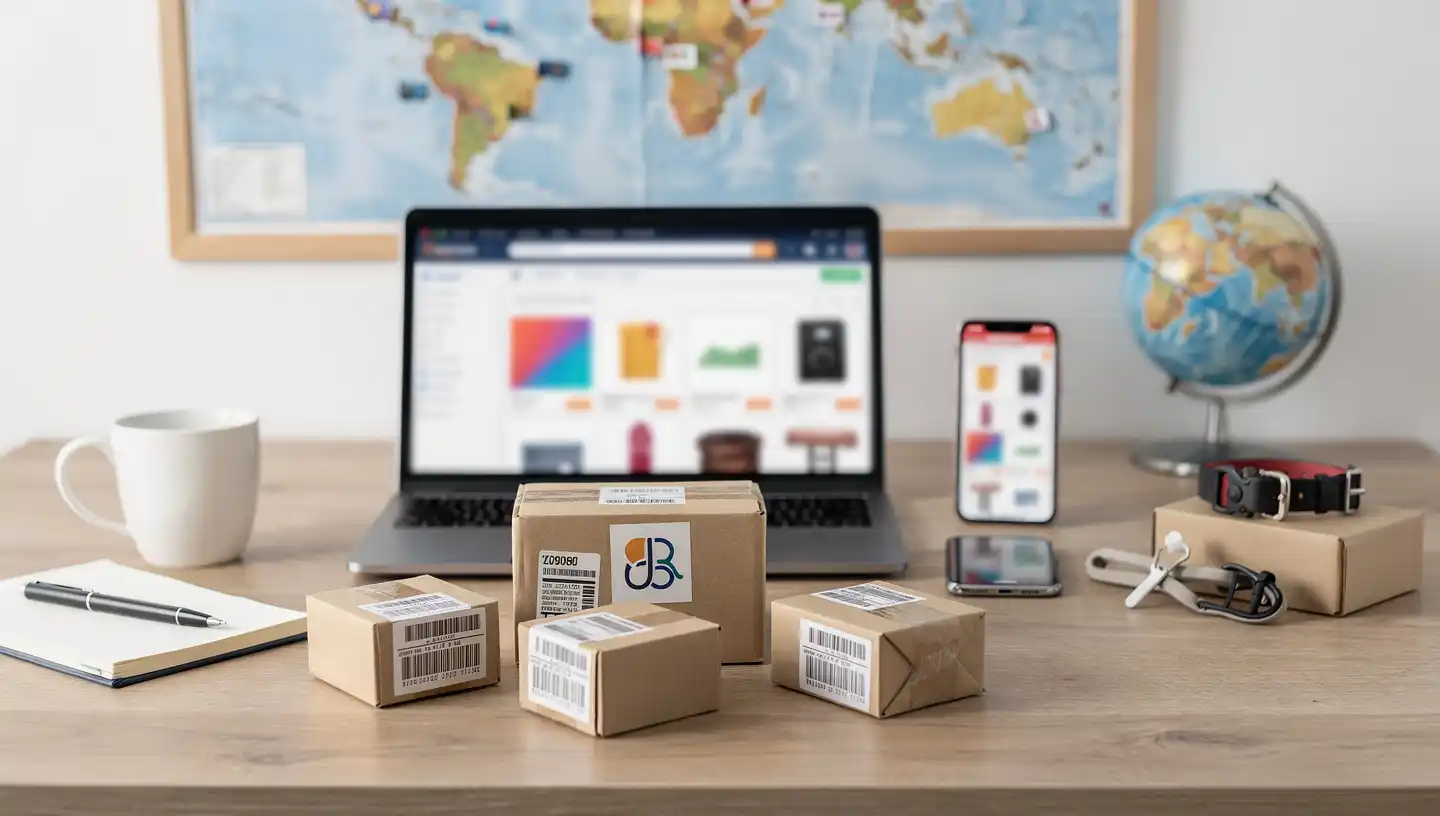
A parent can also buy the domain from Namecheap so your store has its own web address. US guides report dropshipping margins of about 20% to 30%, but delivery times and returns eat into that, so read supplier reviews first.
| Detail | Estimate |
|---|---|
| Typical startup cost | Low, mostly a store plan, a domain and a small ad test, so check current prices |
| Time to first customer | 2 to 6 weeks |
| Income model | Margin of about 20% to 30% per product |
| Who opens the accounts | A parent or guardian |
Pros
- No stock to buy or store
- You can test products with small orders
- Works from a phone or laptop
- Teaches pricing, marketing and customer service
Cons
- Slow shipping can lead to bad reviews
- Margins are thin after fees and ads
- Needs a parent for the store and payment accounts
2. Digital Products and Templates
Study guides, planners, social media templates, printable art and wallpaper packs are made once and sold many times. Canva is enough to design them, and its free plan covers the basics for users 13 and older. Sell through a store page or a funnel tool like Systeme.io, which gives you a sales page, an email list and a place to deliver files.
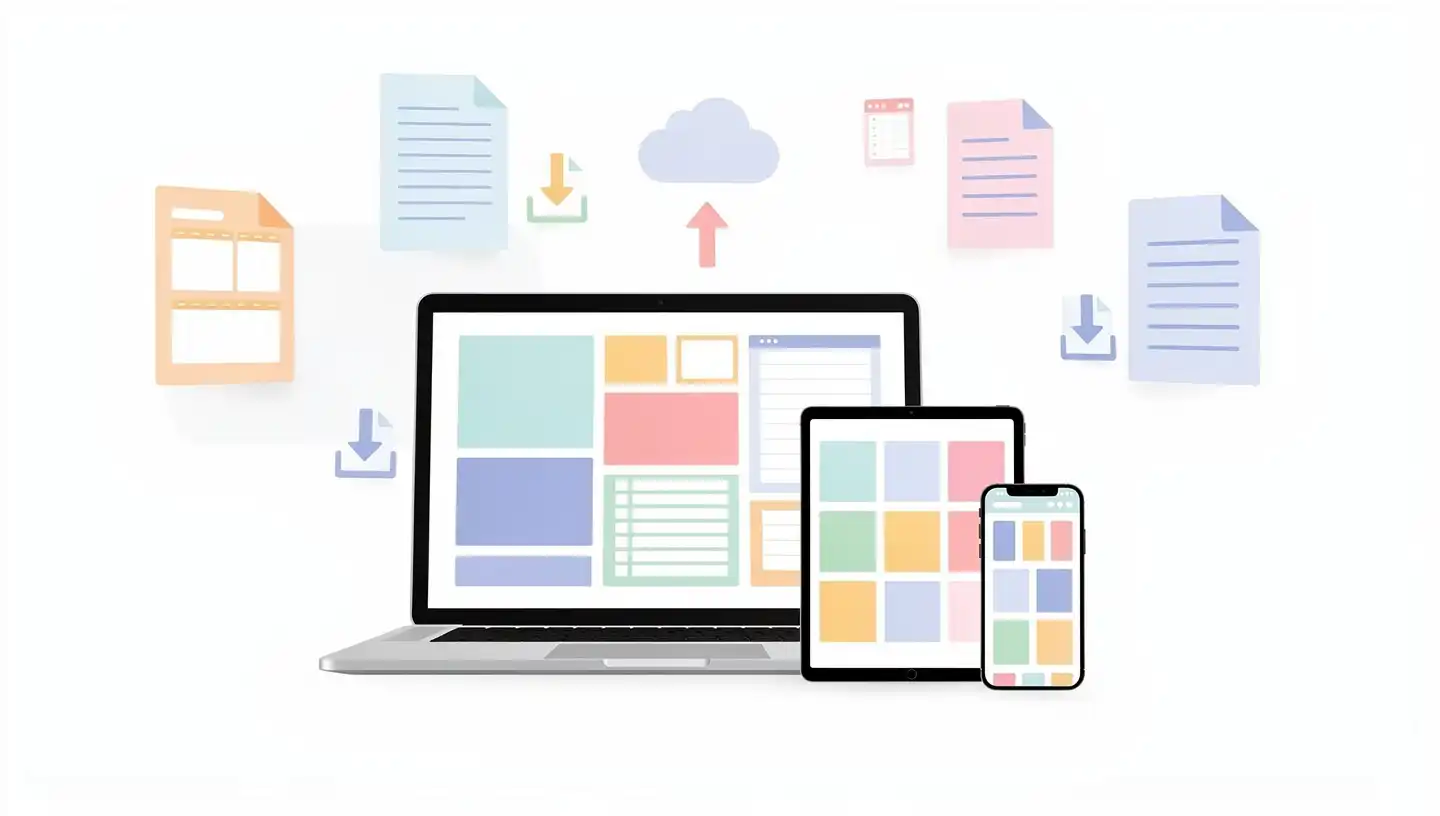
Because Systeme.io lists age limits in its terms, a parent should open the account. Start with one product and ask a friend to buy it before you make a second.
| Detail | Estimate |
|---|---|
| Typical startup cost | Low, mostly your time, plus a free design app |
| Time to first customer | 2 to 6 weeks |
| Income model | One-time sales or small bundles |
| Who opens the accounts | A parent or guardian |
Pros
- Create once, sell again and again
- No shipping and no stock
- Free tools are enough to start
- Builds a portfolio you can show later
Cons
- You need buyers before it earns anything
- Many similar products already exist
- First sales can take weeks
3. Freelance Design and Social Media Management
Local shops, clubs, creators and small brands need logos, flyers and posts. If you already make good graphics, you can offer a simple package, such as five posts for a set price.
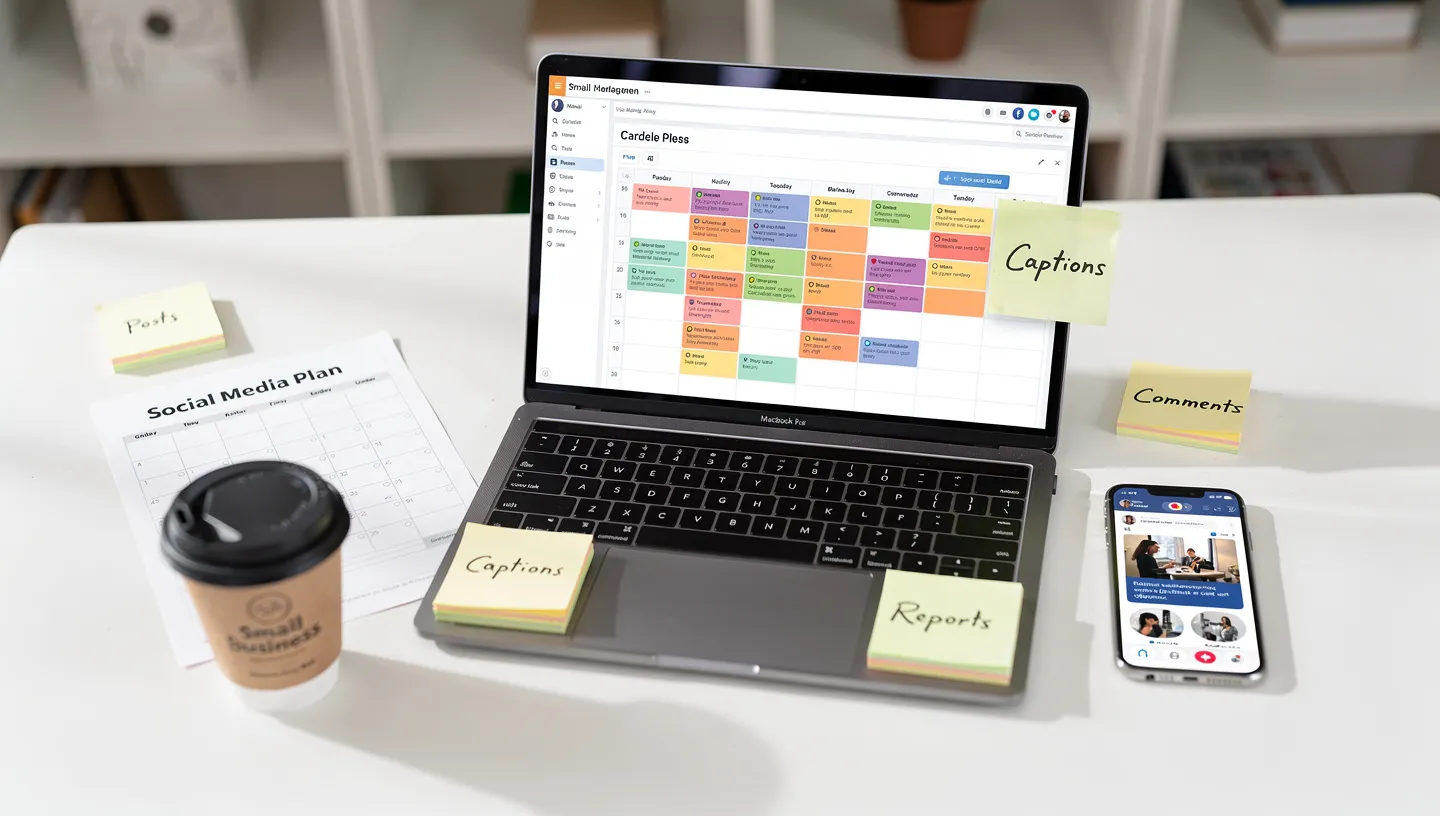
Use Canva for the designs and show three sample projects before you ask for a client. US guides list experienced freelance designers at about $20 to $100 an hour, but beginners charge far less, so price by the project and not by the hour. Keep client talks in channels a parent can see.
| Detail | Estimate |
|---|---|
| Typical startup cost | Low, a phone or laptop and a free design app |
| Time to first customer | 1 to 4 weeks |
| Income model | Fee per project or a small monthly package |
| Who opens the accounts | A parent for payments |
Pros
- Low startup cost
- Uses a skill you already enjoy
- Clients often come back for more
- Builds a portfolio for later jobs
Cons
- Clients may pay late, so ask for a deposit
- Price competition from older freelancers
- Needs a parent to handle payments
4. Blog or Niche Website
A blog about something you know, such as a game, a sport, a study subject or a hobby, can earn from ads, affiliate commissions and sponsored posts. It is slow, so treat it as a long project.
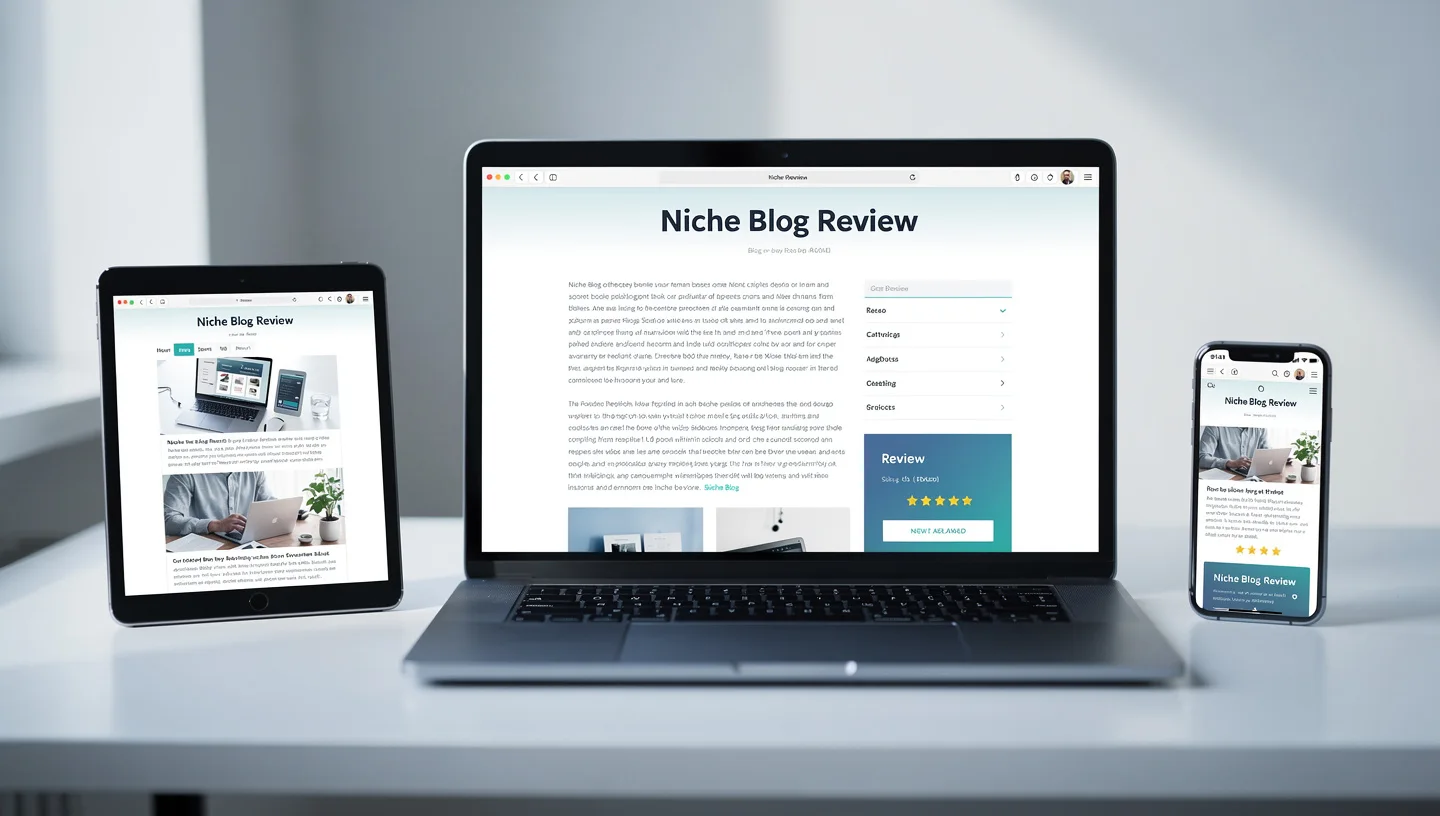
A parent buys the domain from Namecheap and a hosting plan from Hostinger, then installs WordPress. Affiliate programs usually require adult sign-ups, so ask a parent to apply and read the rules. Write posts that answer real questions, and do not copy text from other sites.
| Detail | Estimate |
|---|---|
| Typical startup cost | Low, a domain and a hosting plan |
| Time to first income | Several months |
| Income model | Ads, affiliate commissions, sponsored posts |
| Who opens the accounts | A parent or guardian |
Pros
- One article can bring visitors for years
- No stock and no shipping
- Teaches writing and basic SEO
- Low running cost
Cons
- Slow start, often six months or more
- Depends on Google traffic
- Affiliate and ad accounts need an adult
5. Print-on-Demand Merch
You design a shirt, mug, poster or phone case, and a print company makes and ships it after each sale. Printful and Printify are the names that come up most. You design with Canva and sell through a Shopify store opened by a parent, or through Etsy with a parent-owned account. US guides report margins of about 25% to 40% on items like phone cases.
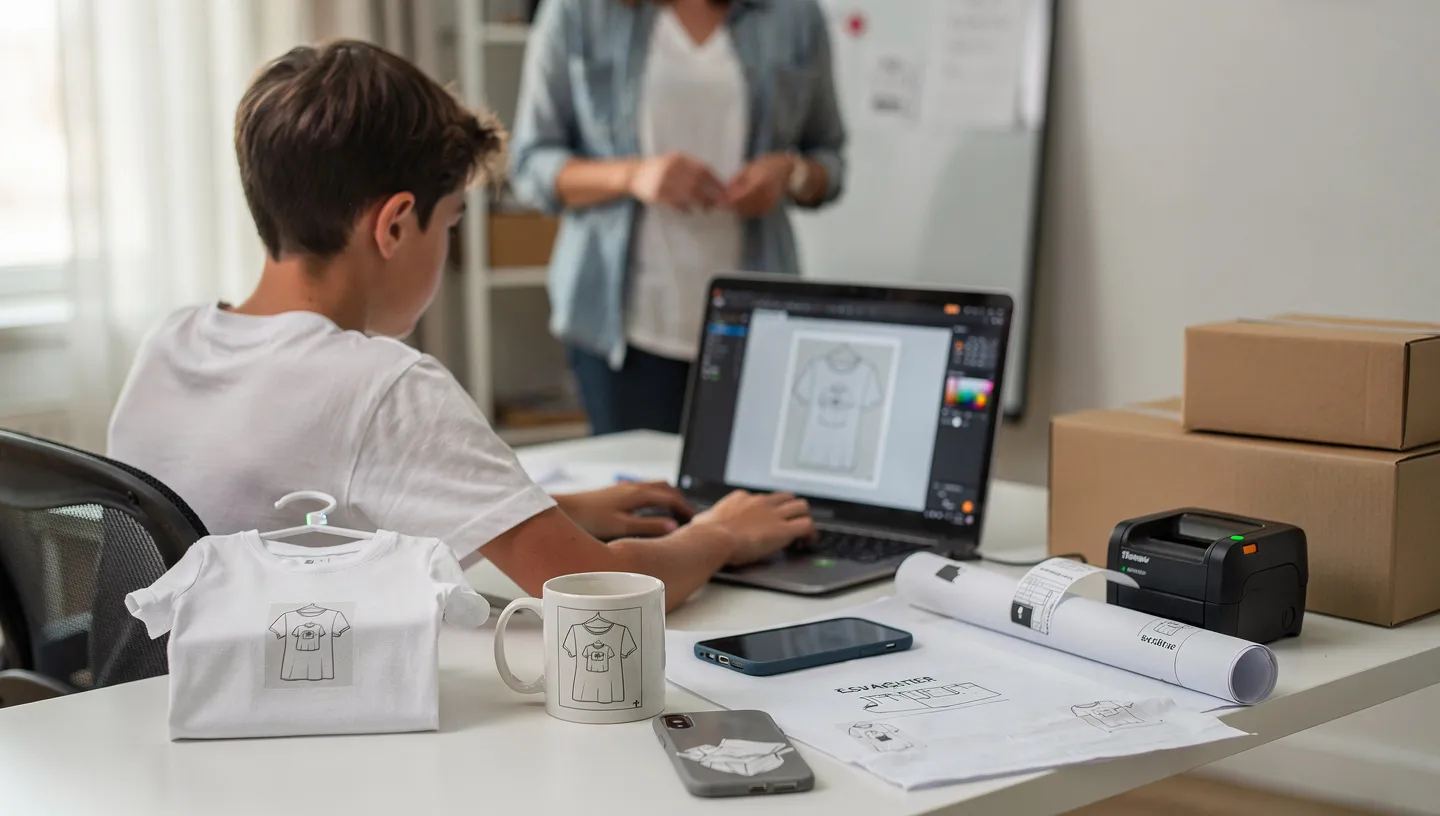
Pick a niche with a clear audience, such as a sport, a school club or a hobby, and make five designs before you launch.
| Detail | Estimate |
|---|---|
| Typical startup cost | Low, you pay when an order comes in |
| Time to first customer | 2 to 4 weeks |
| Income model | Margin of about 25% to 40% per item |
| Who opens the accounts | A parent or guardian |
Pros
- No stock and no packing
- Your own designs make you stand out
- Easy to test with a few products
- Works with a store or a marketplace
Cons
- Print and shipping fees cut your margin
- Crowded niches are hard to enter
- You need a parent for the store and payment accounts
6. Online Tutoring
If you are strong in a subject, younger students may pay for help. Math, reading, a language, coding basics or music all work. Teach over video calls with a parent nearby, use a shared document for notes and set a simple price per session.
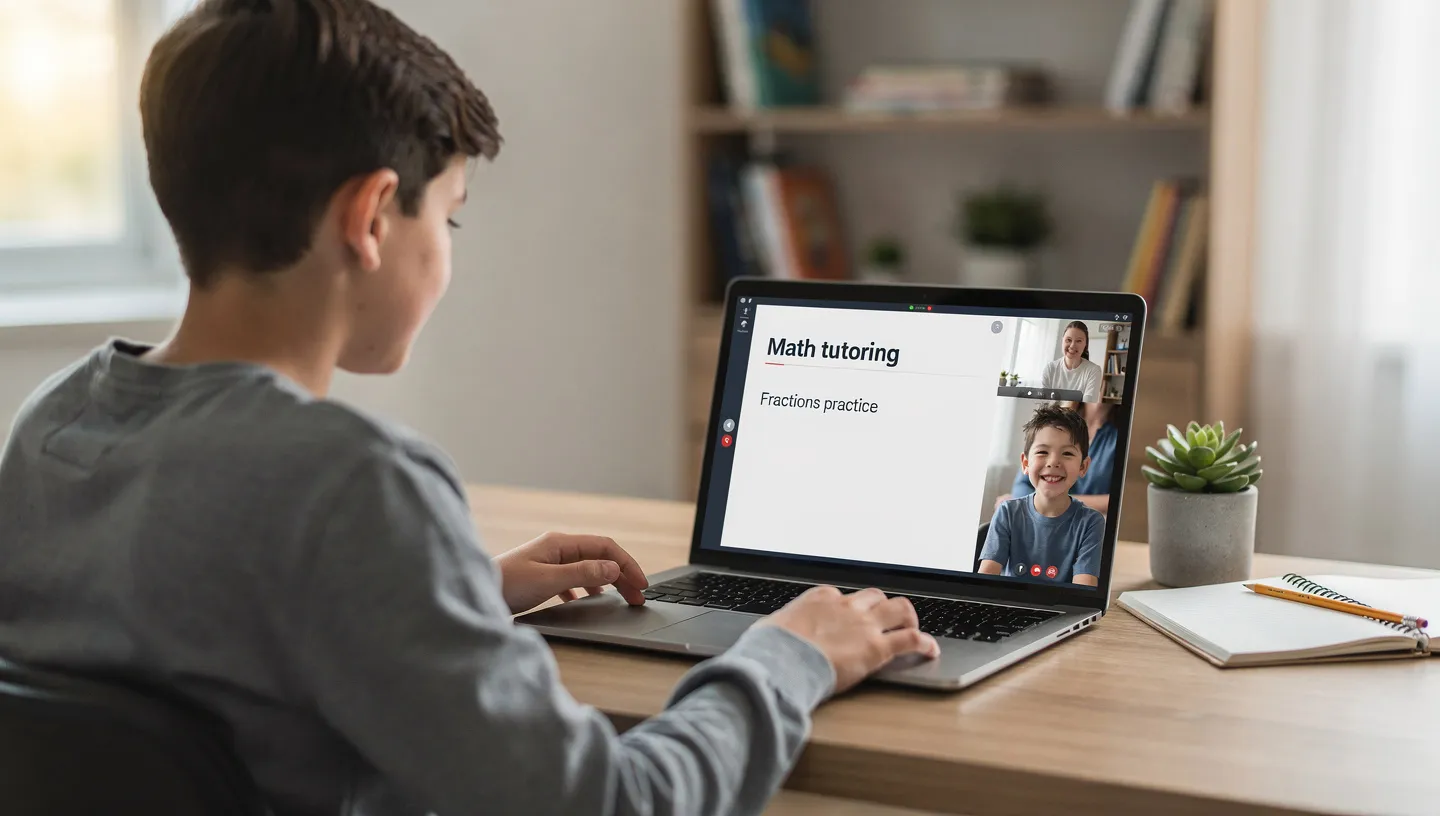
US guides list tutoring at about $25 to $80 an hour, but younger tutors usually charge less, so start low and raise your price as you get reviews.
| Detail | Estimate |
|---|---|
| Typical startup cost | Almost nothing, a laptop and a video call app |
| Time to first customer | 1 to 2 weeks |
| Income model | Fee per session or monthly package |
| Who opens the accounts | A parent for payments |
Pros
- No startup cost
- Repeat students bring steady income
- Makes your own grades stronger
- Easy to fit around school
Cons
- Your time is limited
- Parents of students may expect an adult on calls
- Income is capped by the hours you work
7. Reselling Thrift Finds and Collectibles
Buy second-hand clothes, shoes, books or collectibles at a low price, clean them, photograph them well and resell online. Start with things you know, such as sneakers, trading cards or vintage clothing.
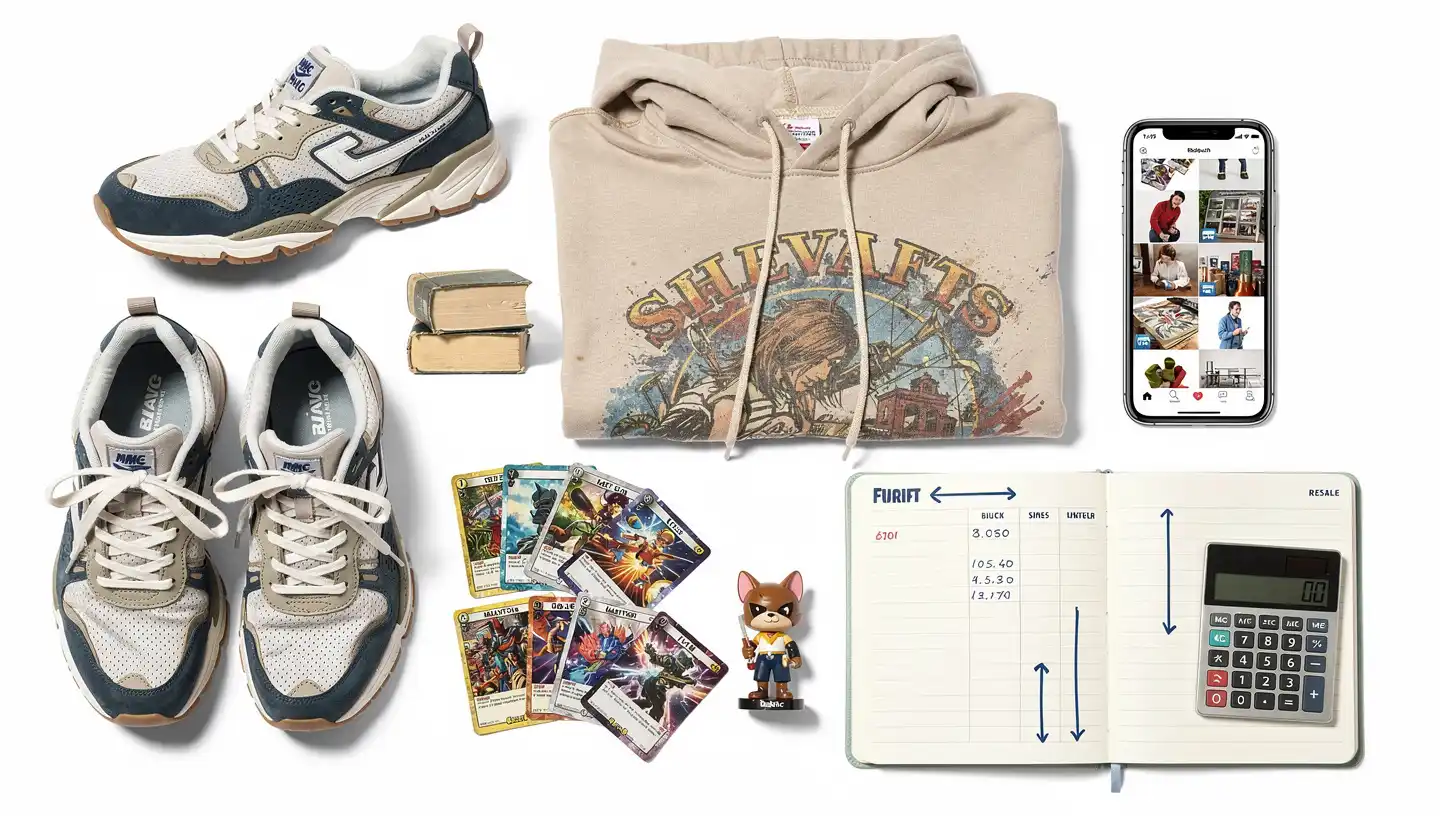
A parent opens the marketplace account, because many sites set their own age rules. Track what you paid and what you sold for, since that tells you which items are worth buying again.
| Detail | Estimate |
|---|---|
| Typical startup cost | A small stock budget you can afford to lose |
| Time to first customer | 1 to 3 weeks |
| Income model | Resale margin on each item |
| Who opens the accounts | A parent or guardian |
Pros
- Cheap to start
- Learn pricing and photography
- You can start with things you already own
- Quick feedback from buyers
Cons
- Finding good stock takes time
- Shipping and packing add work
- Marketplace fees reduce your profit
More Ideas for a 15 Year Old Worth a Look
These did not make the main list, but they show up often in guides about business ideas for teens, and several suit a teenager with a few free hours each week. Most can start with a small budget and a parent’s support.
- Handmade goods on Etsy – Jewelry, candles and art, sold through a parent-owned shop
- YouTube or TikTok channel – Needs patience, and earning money depends on platform rules and an adult account
- Podcast – Free tools to record, but slow to earn
- Babysitting – A local service you can promote online
- Pet sitting and dog walking – Regular weekly clients near your home
- Car washing – Low cost and good for summer weekends
- Yard work and lawn care – Steady income in warm months
- Tech help for older people – Setting up phones and email
- Photo and video editing – Short clips and photo cleanup for local sellers
- Game or app testing – Learn skills, though real pay usually needs 18
How to Pick Your Idea and Test It
The best business ideas for teens work because they are tested early. Do not buy tools or stock before you know someone wants what you plan to sell. A small test teaches more than a month of planning. If you want to start an online business at 15 without wasting your savings, use the steps below.
What Makes a Good Idea for a Teen
A good teen business is not the one that looks most exciting. It is the one you can start this month, run around school and learn from. Use these checks before you commit:
- It costs little to start and you can afford to lose the money
- It fits around your school schedule and exams
- It uses a skill you already have or want to build
- You can run it online with a phone or laptop
- You know where the first buyers are and can reach them
- An adult can safely own the accounts
Match It to Your Skills and Time
Make a short list of things you are good at and things people ask you for. Cross out anything that needs more money than you have or more time than your schedule allows. Choose one idea and give it a few weeks before you add another.
Test It With Five People
Describe your idea to five people who could be real buyers. Ask what they pay for today and what would make them buy from you. If three out of five show interest, make a small first version and ask one of them to buy it. If nobody does, change the idea before you spend more.
Set Your First Price
Add up your costs, then add a margin that pays for your time. Check what similar sellers charge and start close to that. It is easier to raise prices later than to lower them, and a price that is too low makes buyers doubt the quality.
Write a One-Page Business Plan
A plan for a teen business does not need to be long. One page is enough to show a parent that you have thought it through, and it keeps you focused when ideas start piling up. Answer these questions in a few lines each:
- What you sell – One product or service, described in a sentence
- Who buys it – Classmates, local shops, parents, hobby fans
- Price and cost – What you charge, what each sale costs you and what is left
- Where you sell – A store, a marketplace, direct messages or a page
- How you get paid – Which parent-owned account receives the money
- Your weekly hours – A number you can keep during school weeks
- First goal – One paying customer in 14 days
For example: “I make study planner templates in Canva and sell them for a few dollars each to classmates and online. Each sale costs me almost nothing, I work five hours a week and my goal is ten sales in the first month.” Review the page every month and change it when you learn something.
How to Pay for Your First Costs
Many teen businesses can start with almost no money, and that is the best way to begin. If you do need to spend, keep the amount small and use money you can afford to lose. These are the usual options:
- Your own savings – Birthday money, chores and allowance, kept to a limit you agree with a parent
- Pre-orders – Let buyers pay first, then use the money to buy supplies
- Selling things you own – Turn games, clothes or gadgets you no longer use into starting funds
- A small family loan – Write down the amount and when you will pay it back
- Free tools first – Use free design apps and free plans before you pay for upgrades
Do not borrow from strangers or take offers from people who ask for money up front in return for “funding” or a “mentor”. Start with a model that costs little, such as design, tutoring or digital products, and add paid tools only after the first sales come in.
Money, Accounts and Payments at 15
This is the part most guides skip, and it is where teens get stuck. Customers pay into an account, and that account has to belong to an adult in most cases. Plan the money flow before you launch.
Who Owns the Accounts
A parent or guardian owns the store, payment, hosting, domain and marketplace accounts, and is responsible for what happens on them. On Etsy, the Minors Policy requires the adult to be the owner. When you turn 18, you can ask the platform to move the account into your name.
How You Get Paid
Money from sales usually lands in the adult’s payment account. From there it can move into a joint account or a custodial account where you can see your balance. Some families use a prepaid card or a youth banking app. Agree on how and when money moves, and write down every sale so the numbers match.
Taxes and Records
Taxes depend on your country. In the US, anyone who nets $400 or more from self-employment must file a tax return, minors included, and teens can sign their own return, according to the IRS guide for young entrepreneurs. You can deduct business expenses, so keep receipts. In the UK, earnings above 1,000 pounds in a tax year can mean the account holder has to register for Self Assessment. Ask your parent to check the rules where you live and keep a simple record of income and costs.
If You Live Outside the US
The tax and privacy rules above are from the United States, and they are only one example. In the UK, earnings above 1,000 pounds in a tax year can trigger Self Assessment for the account holder. In the EU, the age at which a young person can agree to data use online is set between 13 and 16 depending on the country. Other countries have their own tax offices, consumer laws and rules for minors. Ask a parent to check with the national tax office and with a local adviser. To see how local steps look in a smaller market, read how to start an online business in Trinidad.
Business Structure and Legal Basics
A small teen business does not need a big legal setup, but a few basics keep you and your family safe. Rules vary by country and by how much you earn, so use this as a checklist to discuss with a parent and not as legal advice.
- You usually do not need to form a company to start small – Many guides say a registration is not needed at the start, but this depends on where you live and what you sell
- A parent often runs it as a sole proprietorship – The business operates under the parent’s name, and the adult is responsible for it
- Contracts need an adult – In many places contracts with minors are not fully binding, so a parent signs when a contract is involved
- Some products need licenses – Food, cosmetics and similar items often have local rules, so check before you sell them
- Keep money separate – Use a separate account for business income and costs, even a simple one
- Respect copyright – Do not use photos, logos, music or designs you do not own or have permission to use
Privacy Laws and Customer Data
Online businesses collect small bits of personal data, such as email addresses, names and shipping details. In the US, the Children’s Online Privacy Protection Act, known as COPPA, requires parental consent before websites or services collect personal information from children under 13. The simplest rule for a young founder is not to collect personal data from anyone under 13 and not to aim your business at that age group. For email lists, ask only for an email address, say what you will send, make it easy to unsubscribe and never share the list. Keep customer addresses private and delete data you no longer need.
Set Up Your Online Presence
Once you have tested the idea and agreed on accounts, you can build the basics. Keep it small: a name, a logo, a page or store and a way to collect emails.
Pick a Name and Make a Logo
Choose a short name that is easy to spell and not already taken as a domain or social handle. Canva has free templates for logos, social posts and product mockups, and it is open to users 13 and older. Save your colors and fonts in one place so everything looks the same.
Buy a Domain Name
A domain is your web address, such as yourbrand.com. A parent buys it from a registrar like Namecheap and keeps the login. Choose a name close to your brand and avoid numbers and hyphens, which are hard to say out loud.
Choose Hosting or a Store
If you plan a blog or content site, a parent can buy a hosting plan from Hostinger and install WordPress. If you plan to sell products, Shopify gives you a ready-made store. Both require an adult to sign up, and both change their plans from time to time, so check current options.
Collect Emails
An email list belongs to you, unlike followers. Offer something small, such as a free template or a discount, in exchange for an address. Systeme.io lets you collect emails, send messages and run a simple funnel from one account, which a parent should open.
Social Accounts and Age Limits
Most social apps ask users to be at least 13, and some set higher ages in certain countries. Use a separate business account, and do not share your home address, school or daily schedule. For a general step list of how people launch online, see this guide on how to start an online business in Nepal.
Get Your First Customer in 14 Days
A deadline keeps you moving, so this plan for how to start an online business at 15 ends with one paying customer in two weeks, even if it is a friend of the family.
- Days 1 and 2 – Write down your offer, price and who it is for
- Days 3 and 4 – Make a simple sample, a mockup or a first product
- Days 5 to 7 – Set up your page or store with a parent
- Days 8 to 10 – Show your offer to people you know and post it where your buyers are
- Days 11 to 13 – Answer every question quickly and ask for the first order
- Day 14 – Review what worked and write down what you will change
How to Market Your Business for Free
You do not need a paid ad budget to get early customers. Most first sales come from people who already know you or can reach you through free channels. Pick two and do them well instead of trying all of them.
- Instagram and TikTok – Use a separate business account and show how you make or deliver your product, with a parent approving the account
- WhatsApp status and groups – Share your offer with family, friends and classmates, with permission and no spam
- School and local groups – Clubs, teams and community pages are full of people who may buy
- Word of mouth – Ask your first customers to tell one friend and to leave an honest review
- Collaborations – Team up with another small seller and promote each other
- Email list – Offer a free template or a small discount in return for an email address
- Pinterest and search – Good for design, craft and template products that people look for over time
Be honest in everything you post. Do not write fake reviews, do not claim results you cannot deliver and follow the age rules of each app. Most social platforms ask users to be at least 13.
Customer Service, Shipping and Refunds
Good service is what turns a first sale into a second one. A short set of rules is enough:
- Reply to messages within a day, even if the reply is “I will check and get back to you”
- State delivery times clearly and do not promise what you cannot keep
- Write a simple refund and return policy and put it on your page
- Keep screenshots of orders, messages and payments
- Show a parent any dispute or angry message before you answer
Using AI Tools as a Teen Founder
AI tools can help you brainstorm names, draft product descriptions, check spelling and outline a plan. They can also lead you into trouble if you use them carelessly, so set a few rules first.
- Check the age rules of each tool, since many ask users to be 13 or older with a parent’s permission and some require 18
- Never type personal details, passwords or customer data into an AI tool
- Check facts, prices and claims yourself before you publish anything
- Do not present AI output as your own original design or claim skills you do not have
- Make sure images and text do not copy other people’s work
- Be careful with courses that promise fast income from AI
Stay Safe Online
Running a business puts you in front of strangers, so safety rules matter more than any tool.
- Keep your home address, school and schedule off public profiles
- Use a business email and a strong password, and never share passwords
- Do not meet online customers in person without an adult
- Never lie about your age to open an account, since accounts can be closed and money can be lost
- Ignore messages that ask for gift cards, deposits to personal accounts or private chats
- Show a parent any message that feels strange
- Do not buy courses that promise fast income
Balance School and Your Business
School comes first, and a business that hurts your grades is not worth it. Set a weekly limit, such as five to eight hours, and pick the same time slots each week. Pause the business during exams and let customers know in advance. A calendar that you and a parent can both see helps everyone stay honest about time.
Where to Get Help and Meet Other Young Founders
You do not have to do this alone. A parent or guardian is your first helper, and a teacher, relative or family friend who runs a business can be a good second one. Beyond that, there are programs and contests made for students:
- Blue Ocean Student Entrepreneur Competition – A global, online pitch contest for high school students
- NFTE – Runs youth entrepreneurship competitions, including the World Series of Innovation, an online contest open to ages 5 to 24
- Junior Achievement – Business programs and challenges for students
- Diamond Challenge – A business competition for high school teams from the University of Delaware
- School business clubs – Ask your school if one exists, or start one with friends
Rules, ages and deadlines change every year, so read each program’s page before you apply. Even if you do not win, a contest gives you a deadline, feedback and a place to practice explaining your idea.
Mistakes to Avoid at 15
- Opening accounts without a parent or lying about your age
- Buying stock or tools before testing the idea
- Trying three businesses at once
- Pricing too low and burning out
- Skipping records of income and costs
- Falling for get-rich-quick courses, multi-level marketing offers, crypto or forex promises, or courses that sell income from AI
Few business ideas for teens survive without a plan for time, so keep your list short. As orders grow, doing every job yourself gets hard. When orders, suppliers and reports pile up, an online business manager can take over daily tasks while you focus on school and sales.
How Much Can a 15 Year Old Earn?
Earnings vary a lot, and your first months are usually small. Treat these as rough ideas, not promises.
- Digital products – The first month often brings little or nothing, and sales grow as you add products and an email list
- Freelance design – Per-project fees, with income depending on how many clients you can handle
- Tutoring – Hourly income, limited by your schedule
- Dropshipping and print-on-demand – A margin per sale, minus fees and ads
- Blogging and affiliate marketing – Often nothing for the first months, then slow growth
Growing Your Business
Wait until you have steady sales for two or three months before you think about growing. Then add one change at a time. Launch a second product or package, raise your prices a little, ask happy customers for reviews and write down the steps you repeat every week so a friend could help. If friends help, pay them fairly and agree on the work in writing. Keep your school schedule fixed while you grow. As your 18th birthday gets close, ask each platform how to move the accounts from your parent’s name into yours, and keep your records in order so the move is simple.
Starting at 13, 14, 16 or 17
The steps stay the same at every age, but the rules and the room to work alone change.
At 13 and 14
If you want to start an online business at 13 or at 14, a parent will be involved in almost every account, and that is normal for a teenager at this age. Canva is open from 13, and Etsy allows 13 to 17 through a parent-owned account. Stick with ideas that cost little and do not need a bank account of your own: digital products, design for local clients, tutoring and small crafts. As a 13 year old, keep a close eye on privacy and let your parent review every message with a customer. A teen who wants to start an online business at 13 can still build a real habit of saving, pricing and record keeping.
At 16 and 17
When you start an online business at 16 or at 17, you have more room, better skills and more time to build a real portfolio. You can handle more of the daily work, from designs to customer messages. Platforms still require 18 for most accounts, so a parent stays the named owner. This is a good age to start saving receipts and learning how taxes work, since the first account in your own name is close.
As a 10 Year Old
At 10, the goal is learning, not income. Start with offline projects like a lemonade stand, handmade cards or a pet-care service, and let a parent run any online part. These business ideas for kids show what works at that age.
Your First Week Plan
You do not need to do everything at once. This week, talk to a parent, pick one idea from this list and ask five people if they would pay for it. Can a 15 year old start a business with a plan this small? Yes, as long as an adult is on your side. Once that is done, you know how to start an online business at 15 with a plan and a small test. Take the next step only after you hear back.
Frequently Asked Questions
Can a 15 Year Old Start an Online Business?
Yes, with a parent or guardian helping. You can create the idea, products and content, but an adult usually has to own the store, payment and bank accounts. Many platforms require account holders to be 18, so the adult stays the named owner until you turn 18, which is the rule that shapes how to start an online business at 15.
Do I Need My Parent’s Permission?
Yes. Platform terms, payment accounts and tax rules all point to an adult. Etsy, for example, requires a parent or guardian to own the account for users under 18. Ask early, show a simple plan and agree on rules for money and time.
Can a 13 Year Old Start an Online Business?
Yes, but a parent will need to handle nearly every account. Anyone who starts as a 13 year old should expect an adult on every sign-up. Canva is open from 13, and Etsy allows 13 to 17 through a parent-owned account. Start with low-cost ideas like digital products, design for local clients or tutoring, and keep privacy rules strict.
Can a 14 Year Old Start a Business?
Yes. At 14 you can run the business with a parent as the account owner. Choose ideas that need a phone or laptop and a free design app, test them with five buyers and keep school first. Check local rules for money and taxes.
Can a 16 Year Old Start an Online Business?
Yes, and at 16 you can take on more of the daily work. Most platforms still want an adult as the account holder, so a parent stays named on store, payment and bank accounts. Keep records so the move to your own name at 18 is simple.
Can a 17 Year Old Start an Online Business?
Yes. If you start an online business at 17, you can build a real portfolio, handle customers and manage most of the work. Accounts still need an adult until 18. Use this year to learn taxes and record keeping, and plan how you will take over accounts after your birthday.
Can a 10 Year Old Start an Online Business?
Not on their own. Starting as a 10 year old means a parent has to run every online account. Focus on learning with simple offline projects like cards, crafts or pet care, and let a parent handle any selling online. Treat it as a learning project, not a source of income.
Can I Use Shopify at 15?
Not by yourself. Shopify requires account holders to be 18 or the age of majority where they live. A parent can open the account, add the payment details and let you build the store and manage products under their supervision.
How Does a 15 Year Old Get Paid Online?
Money from sales usually goes into a parent’s payment account, then into a joint or custodial bank account where you can see your balance. Keep a record of every sale. Ask the bank or payment company what options they offer for minors in your country.
What Is the Best Online Business at 15 With No Money?
Tutoring, freelance design with a free design app and digital products cost almost nothing to start. They use skills you already have and need only a phone or laptop. Test with five people first, and let a parent open any payment account you need.
What Is the Best Age to Start a Business?
There is no single best age. Younger teens learn skills and test ideas with a parent running the accounts. At 16 and 17 you can handle more of the work and build a stronger portfolio. The right moment is when you can fit it around school and an adult can support you.
How Much Money Do I Need to Start an Online Business as a Teen?
You can start with very little. Tutoring, freelance design and digital products can begin with a phone or laptop and free tools. Paid ideas need a store plan, a domain or stock, so keep the first spend small and test with five buyers before you invest.
Do I Need a Business License or LLC at 15?
Often not at the very start, but it depends on your country and what you sell. Food, cosmetics and similar products can have local rules. A parent usually runs the business under their name, so ask a local adviser or the tax office what applies to you.
Do Teens Pay Taxes on Online Income?
It depends on the country and the amount. In the US, anyone who nets $400 or more from self-employment must file a return, minors included. Other countries have different limits. Keep records of income and costs, and ask a parent to check the rules with the local tax office.
Can a 15 Year Old Sell on Etsy, eBay or Amazon?
On Etsy, ages 13 to 17 can sell only through an account owned by a parent or guardian. eBay requires account holders to be 18 and allows under 18s only with a parent or guardian’s consent. Amazon seller accounts require 18, so a parent has to register. Check each site’s current terms.
Can a 15 Year Old Have a Bank Account?
In many places, yes, usually as a joint or custodial account with a parent or guardian. Rules and account types differ by bank and country, so ask what options exist for minors. A separate account for business income helps you keep records clean.
What Can a 15 Year Old Sell Online?
A 15 year old can sell digital products, design services, tutoring, print-on-demand items, handmade goods and second-hand finds. Avoid anything with age limits or special rules, such as food, cosmetics, alcohol and supplements, unless an adult handles the licensing.
How Can a Teenager Protect Their Privacy Online?
Use a business email, keep your home address, school and schedule off public profiles, and never share passwords. Collect only the customer data you need. Do not meet customers in person without an adult, and show a parent any message that feels strange.