Most people who search for online business ideas in Kenya have the same problem. They have a phone, a bit of savings, maybe a job that does not pay enough, and they do not know which idea will bring the first shilling. This guide lists 15 ideas that Kenyans are already running, with the cost, the skill and the first step for each one.
Each idea works like a short review: a plain description, a table with cost and timing, and a list of pros and cons. You will also see the main types of online business in Kenya, a short list of the 5 best paying online businesses in Kenya, a section on how to avoid scams, and the exact steps to register and get paid through M-Pesa. Pick one idea, test it for 30 days, and only then think about a second one.
Why an Online Business Makes Sense in Kenya in 2026
Kenya has one of the highest mobile money rates in Africa. Almost every adult has an M-Pesa account, so a customer can pay you in seconds without a bank card. That alone removes the biggest obstacle for a small online business in Kenya.
Rent is the second reason. A shop in Nairobi or Mombasa costs a lot before you sell anything. An online shop, a freelance profile or a WhatsApp catalog costs close to nothing to open, and you can run it from your bedroom or between lectures.
Third, your customers are not limited to your estate or your town. A graphic designer in Kisumu can work for a client in Nairobi, and a writer in Nakuru can work for a company in London. Entrepreneurs in other countries have noticed the same thing, and you can compare with the business ideas in Ghana to see how similar markets work.
The honest side: an online business is not fast money. Most people need between two weeks and three months to get a first paying customer, and the ones who succeed usually pick a skill they already have.
Types of Online Business in Kenya
Before you pick an idea, it helps to know which types of online business in Kenya exist, because each type needs a different amount of money and time. Almost every idea in this article fits into one of the four groups below.
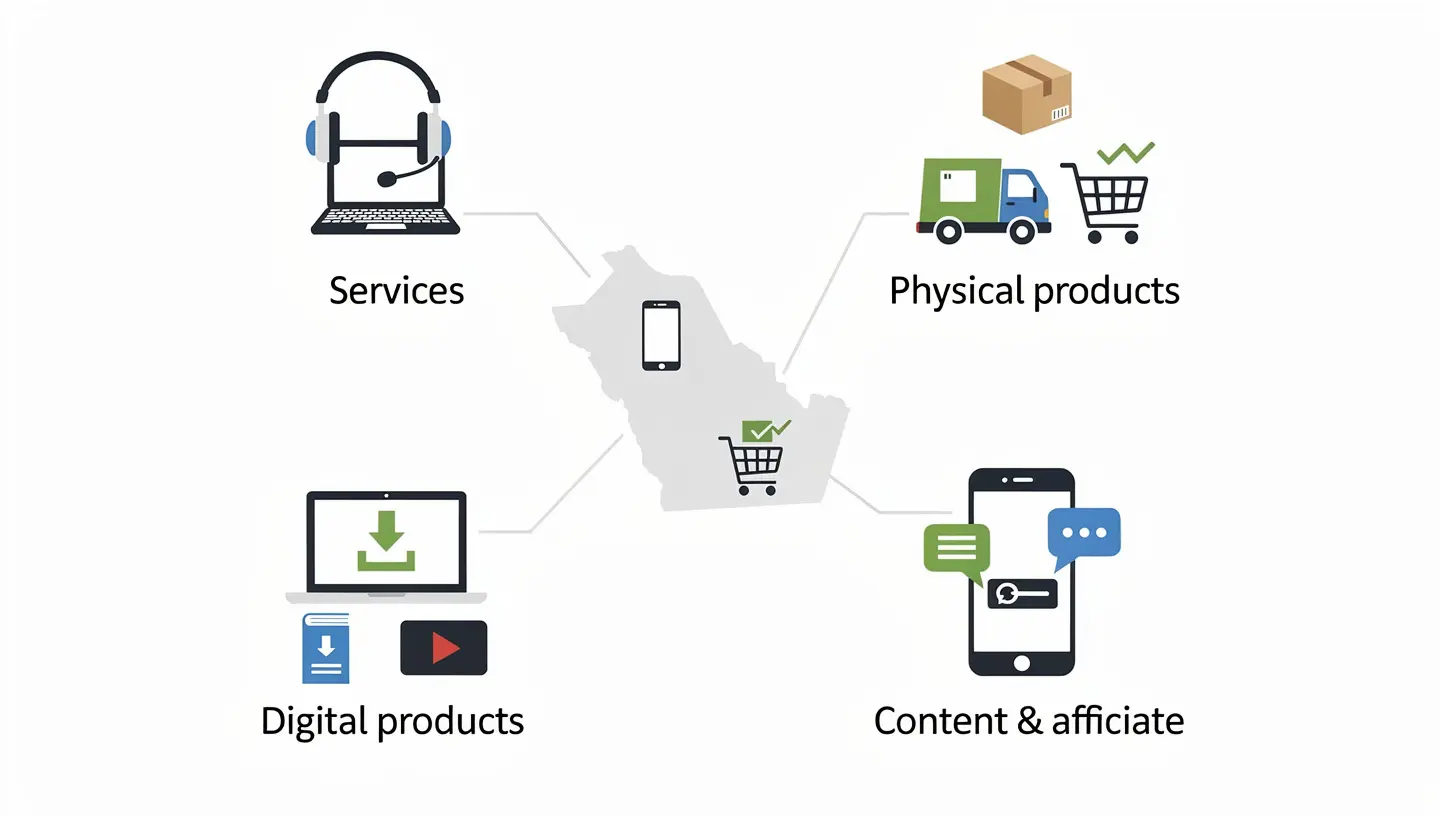
Service-based online businesses
You sell your time and skill. Examples are virtual assistance, writing, design, tutoring and bookkeeping. This type needs the least money and brings the fastest first payment, but your income stops when you stop working.
Product-based online businesses
You sell physical goods through a website, Instagram, WhatsApp or a marketplace such as Jumia, Kilimall or Jiji. You need stock, delivery and a way to handle returns. Margins can be good, but the capital is higher than in services.
Digital product businesses
You create something once and sell it many times, like templates, ebooks, courses or presets. Work at the start is heavy, and later it becomes much lighter. If you are thinking about an app or software product, the list of business ideas for an application gives more directions.
Content and affiliate businesses
You build an audience with a blog, a YouTube channel or a TikTok account and earn from ads, sponsors or affiliate commissions. This is the slowest type, because traffic takes months, but it can grow without extra hours.
Here is how the four types compare:
- Service-based: very low starting money, first income in 1 to 4 weeks, main risk is that income depends on your hours
- Product-based: medium starting money, first income in 2 to 6 weeks, main risk is stock and delivery costs
- Digital products: low starting money, first income in 1 to 3 months, main risk is weeks of work before the first sale
- Content and affiliate: low starting money, first income in 3 to 12 months, main risk is slow traffic growth
Online Business Ideas in Kenya at a Glance
Here are all 15 online business ideas in Kenya from the next section, so you can compare them before you read the details. The full reviews follow below.
- Niche online shop – One narrow category with clear photos and M-Pesa payment
- Print on demand – Your own designs on shirts and mugs, with no stock
- Second-hand reselling – Thrift items sold through Instagram and WhatsApp
- Blog or affiliate site – Helpful articles that earn from ads and commissions
- Digital templates – CVs, invoices and planners made once and sold many times
- Online course – One clear skill taught to one type of learner
- Virtual assistant – Inbox, calendar and data entry for busy owners
- Freelance writing – Blog posts and product descriptions for companies
- Graphic design – Logos, flyers and social posts for new shops
- Social media management – Monthly posting and reporting for local businesses
- UGC videos – Short honest product videos that brands use in ads
- Online tutoring – Paid lessons in school subjects and exam preparation
- Web design – Simple sites for shops, clinics and hotels
- Online bookkeeping – Weekly records and tax reminders for small owners
- SEO and local listings – Better Google visibility for nearby businesses
15 Online Business Ideas in Kenya With Low Capital
None of these ideas needs a big investment. Good low capital ideas usually start from something you already do well, and each review below follows the same order: the problem a customer has, what you sell, and how to find the first customer. Costs in the tables are rough estimates in Kenyan shillings and change by city, tools and supplier, so confirm them before you commit.
1. Niche Online Shop
People do not want a shop that sells everything. They want one that sells, for example, kitchen tools, school bags or baby clothes. Choose one narrow category, order a small batch, and take clear photos. A platform like Shopify lets you open a store without a developer, and you can connect your own domain later.
Start with a few items, because stock that does not sell is the biggest loss.
| Detail | Estimate |
|---|---|
| Typical startup cost | KES 15,000 to 60,000 |
| Time to first customer | 2 to 6 weeks |
| Income model | Product margins |
| Best for | People who like selling and can handle delivery |
Pros
- Easy to start with a small batch
- Shopify needs no developer
- Customers pay by M-Pesa
- A narrow category is easier to promote
- Can grow into a full brand
Cons
- Unsold stock ties up your money
- Delivery and returns take time
2. Print-on-Demand Products
You design a T-shirt, mug or phone case, and a print partner makes and ships it only after an order comes in. You never hold stock. Canva is enough to make the first designs, and Shopify can host the store.
Check the shipping time to Kenya before you promise a delivery date, because slow delivery causes most complaints.
| Detail | Estimate |
|---|---|
| Typical startup cost | KES 3,000 to 20,000 |
| Time to first customer | 3 to 8 weeks |
| Income model | Profit per item sold |
| Best for | Creative people who want no stock |
Pros
- No stock to buy
- Canva is enough for first designs
- Low risk per order
- Works for any niche or hobby group
- Easy to add new designs
Cons
- Shipping to Kenya can be slow
- Margins per item are small
3. Second-Hand Reselling on Instagram and WhatsApp
Thrift clothes, shoes and electronics sell well, especially in Nairobi and university towns. Buy from markets like Gikomba, clean the items, photograph them well and post them with the price.

Customers pay by M-Pesa and you deliver by boda or a pickup service. Be honest about condition, because one bad review spreads fast.
| Detail | Estimate |
|---|---|
| Typical startup cost | KES 5,000 to 30,000 |
| Time to first customer | 1 to 2 weeks |
| Income model | Resale margins |
| Best for | Students and people with an eye for bargains |
Pros
- Fastest idea to test
- No website needed
- Strong demand for thrift items
- Instagram and WhatsApp are free
- Stock is cheap to buy
Cons
- Income depends on your daily effort
- Item condition can lead to disputes
4. Blog or Niche Affiliate Site
You write helpful articles on one topic and earn when readers click an affiliate link or see an ad. You need a domain from a registrar like Namecheap and hosting from a provider like Hostinger.
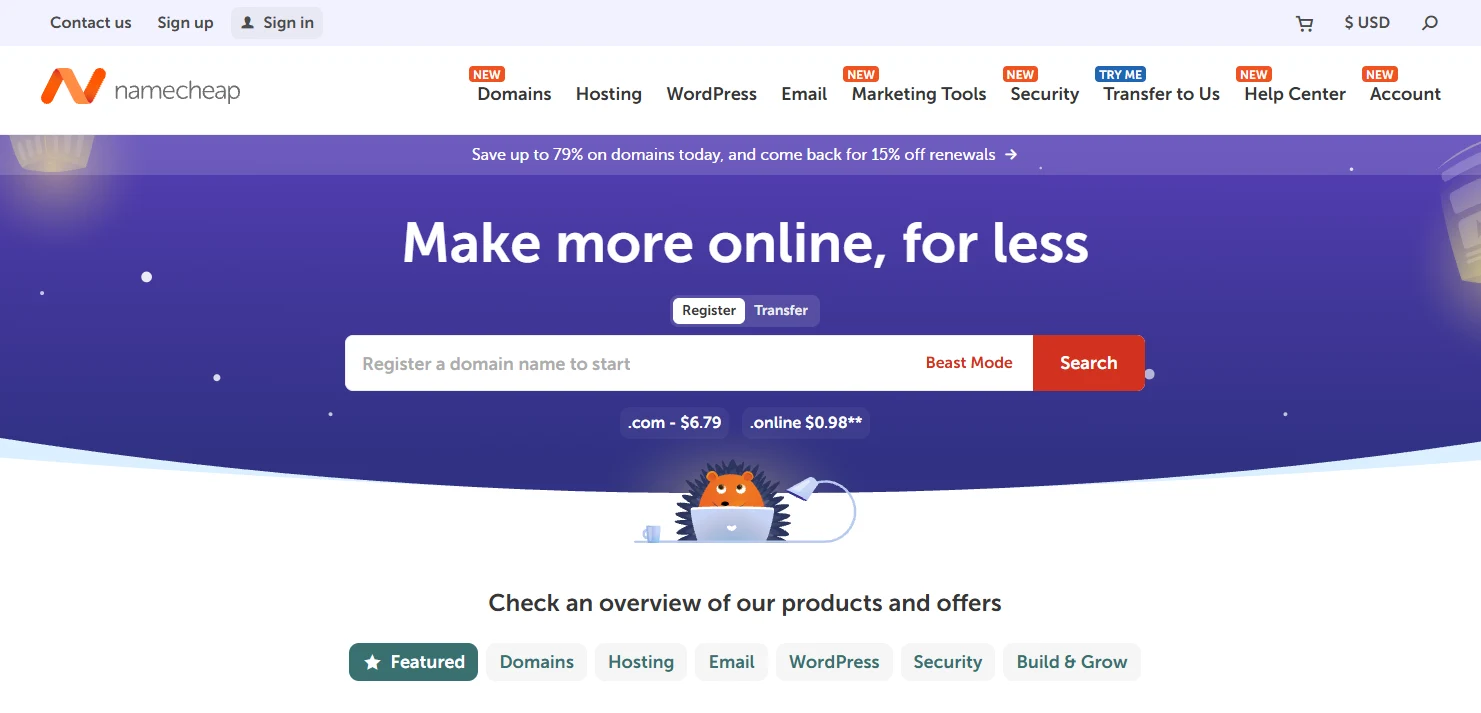
Expect the first income after several months, so this idea fits people who can wait. Pick a topic where you can say something useful from your own experience.
| Detail | Estimate |
|---|---|
| Typical startup cost | KES 8,000 to 25,000 per year |
| Time to first customer | 3 to 12 months |
| Income model | Ads and affiliate commissions |
| Best for | Patient writers who know one topic well |
Pros
- Low yearly cost
- Old articles keep bringing traffic
- You own the site and the audience
- Income grows without extra hours
- Works for almost any topic
Cons
- Traffic takes months to build
- Income is unpredictable at the start
5. Digital Templates
Small businesses need CVs, invoices, social media posts, meal plans and budget sheets, and they would rather buy a ready one than build it. Make the template in Canva or a spreadsheet, and sell it on Selar, Gumroad or through your own page.
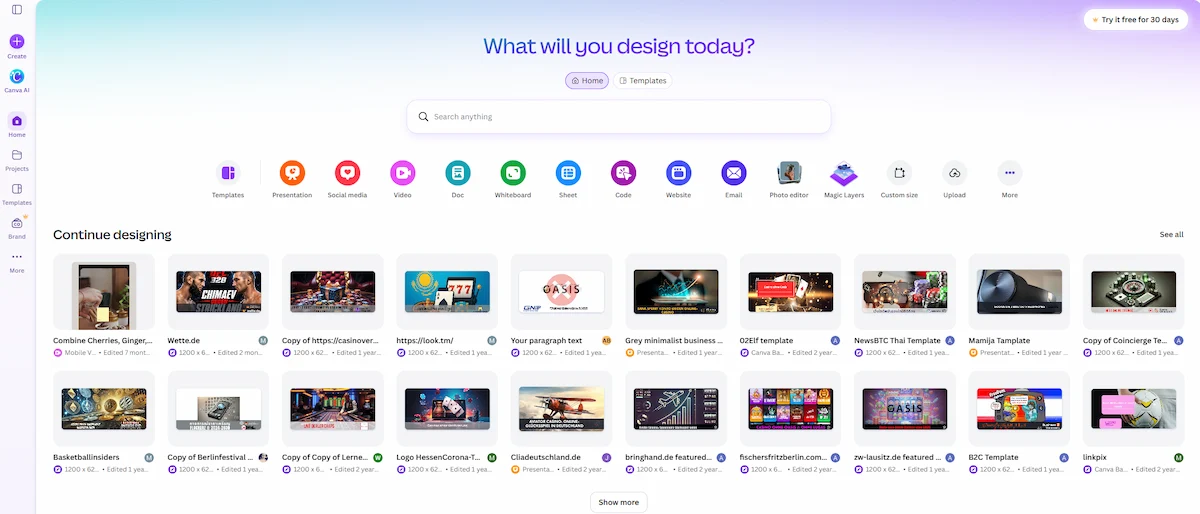
The work is done once. The weak point is competition, so choose a clear audience, such as church groups or small salons.
| Detail | Estimate |
|---|---|
| Typical startup cost | Under KES 5,000 |
| Time to first customer | 3 to 8 weeks |
| Income model | One-time product sales |
| Best for | Designers and spreadsheet builders |
Pros
- No stock and no shipping
- Work is done once
- One listing is enough to test demand
- Margins stay high
- A product can sell again and again
Cons
- Heavy competition
- Needs a clear niche to stand out
6. Online Course
If you can teach a skill like baking, Excel, tailoring or driving theory, you can package it as video lessons or a PDF guide. A tool like Systeme.io combines a course area, a sales page and email in one account, so you do not pay for several apps.
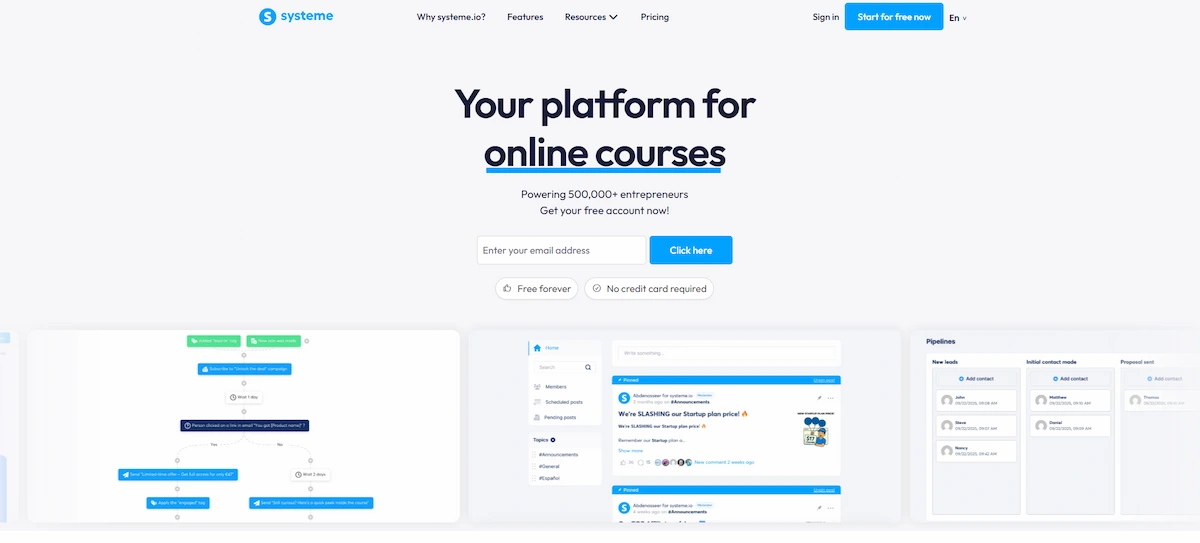
Test the topic first with a free live class on WhatsApp or Zoom, and build the full course only if people show up.
| Detail | Estimate |
|---|---|
| Typical startup cost | KES 5,000 to 40,000 |
| Time to first customer | 1 to 3 months |
| Income model | Course sales or group fees |
| Best for | Experts with a teachable skill |
Pros
- You can pre-sell before recording
- One account covers the course, sales page and email
- Sells repeatedly once built
- Free live classes test demand
- Builds your name as an expert
Cons
- Building the course takes weeks
- Needs steady marketing to find students
7. Virtual Assistant Services
Busy owners and foreign founders pay for inbox management, calendar work, data entry and simple research. You do not need a degree, you need reliability.

Many VAs later grow into managing whole teams, and the guide on the online business manager role shows where that path leads. Start by offering a one week trial to two or three clients.
| Detail | Estimate |
|---|---|
| Typical startup cost | Under KES 5,000 |
| Time to first customer | 1 to 3 weeks |
| Income model | Hourly rates or monthly retainers |
| Best for | Organized people with admin skills |
Pros
- Very low startup cost
- Works fully from home
- Skills carry over from many office jobs
- Easy to test with a free trial week
- Retainers create steady income
Cons
- Hourly pricing caps your income
- Needs new clients often at the start
8. Freelance Writing and Editing
Websites, agencies and companies need blog posts, product descriptions and proofreading. Build three sample pieces, put them on a simple page, and apply on Upwork or approach local companies directly.
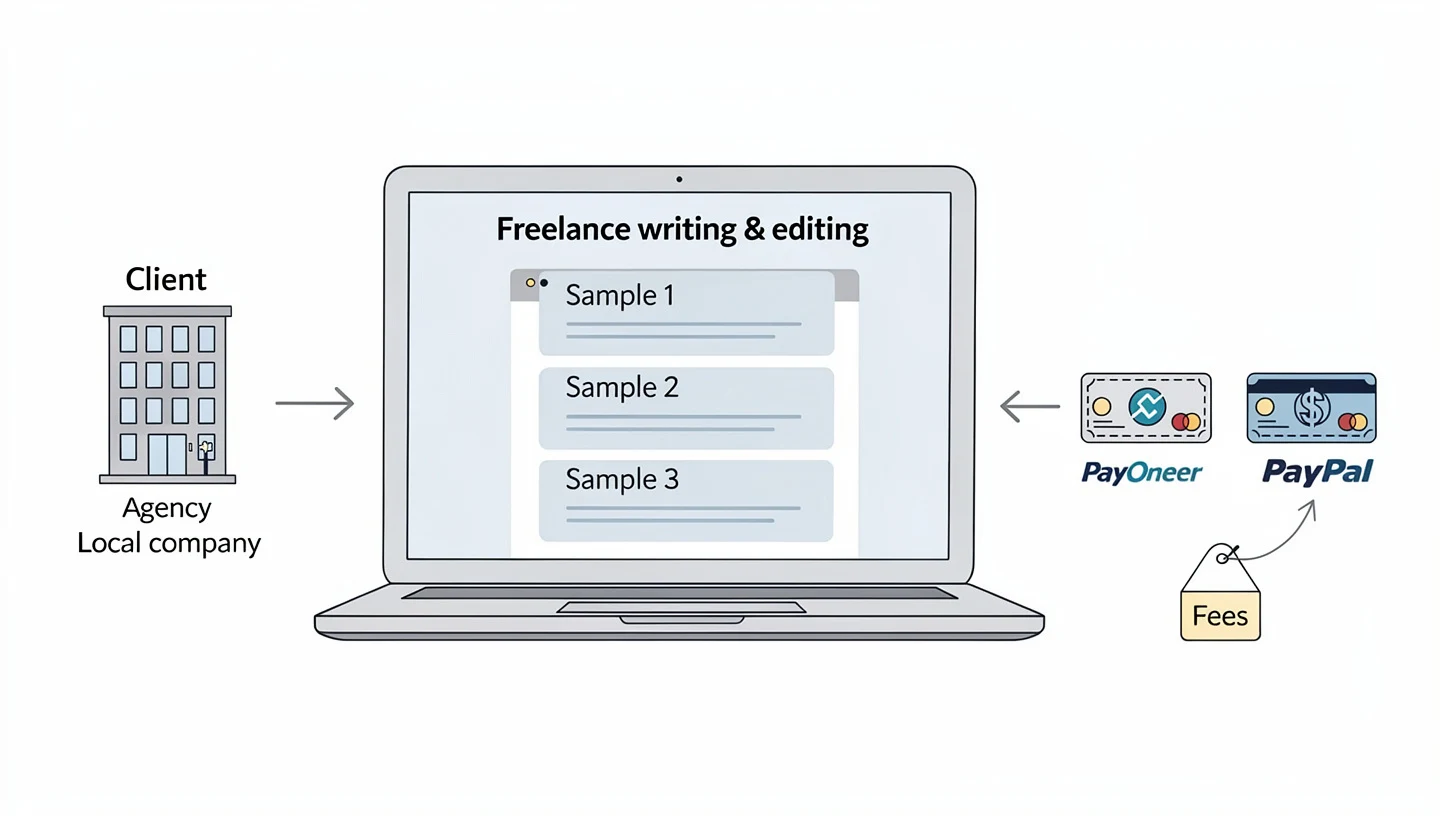
Payment usually arrives through PayPal, Payoneer or direct bank transfer, and fees add up, so include them in your price.
| Detail | Estimate |
|---|---|
| Typical startup cost | Under KES 3,000 |
| Time to first customer | 1 to 4 weeks |
| Income model | Per article or monthly retainers |
| Best for | Skilled writers |
Pros
- Almost no startup cost
- Foreign clients pay in dollars or pounds
- Writing samples work as marketing
- Fits any subject you know
- Can be done from anywhere
Cons
- Early income often depends on a few clients
- Payment fees reduce what you keep
9. Graphic Design and Logo Work
Every new shop, church, school and salon wants a logo, a flyer or a set of social posts. Canva is fine for simple jobs, and many clients care more about speed than software.
Show before and after examples in your portfolio. Do not work for free on spec, because it trains clients to expect it.
| Detail | Estimate |
|---|---|
| Typical startup cost | Under KES 5,000 |
| Time to first customer | 1 to 4 weeks |
| Income model | Per project or monthly packages |
| Best for | People with a good eye for layout |
Pros
- Constant demand from new businesses
- Canva covers simple jobs
- A portfolio sells your work
- Clients return for new materials
- Fast turnaround wins repeat jobs
Cons
- Clients often ask for endless changes
- Low prices are common in a crowded market
10. Social Media Management
Small businesses know they should post, but they do not have time. You plan the content, write the captions, reply to comments and report what worked. Start with one client in a niche you understand, such as restaurants or beauty.

Agree in writing how many posts per month are included.
| Detail | Estimate |
|---|---|
| Typical startup cost | Under KES 5,000 |
| Time to first customer | 2 to 4 weeks |
| Income model | Monthly retainers |
| Best for | Anyone with a strong eye for content |
Pros
- Low startup cost
- Local businesses need the help
- Templates can be reused across clients
- Monthly fees give predictable income
- Sample posts make an easy sales pitch
Cons
- Results take weeks to appear
- Clients may leave if growth is slow
11. UGC Videos for Brands
User generated content means you film a short, honest video of yourself using a product, and the brand uses it in its ads. You only need a phone, good light and a clear voice. Brands pay per video, and the work suits people who are comfortable on camera.

Contact many brands, since replies can be slow.
| Detail | Estimate |
|---|---|
| Typical startup cost | Under KES 5,000 |
| Time to first customer | 2 to 6 weeks |
| Income model | Payment per video |
| Best for | People at ease on camera |
Pros
- A phone is enough
- No big audience needed
- Brands pay per video
- One sample video can win many jobs
- Skills grow fast with practice
Cons
- Brands can be slow to reply
- Many jobs come from foreign brands with strict briefs
12. Online Tutoring
Parents and students look for help in maths, sciences, English, coding and exam preparation. You can teach on Zoom, Google Meet or WhatsApp calls. Set a fixed price per session and ask for payment before the lesson.
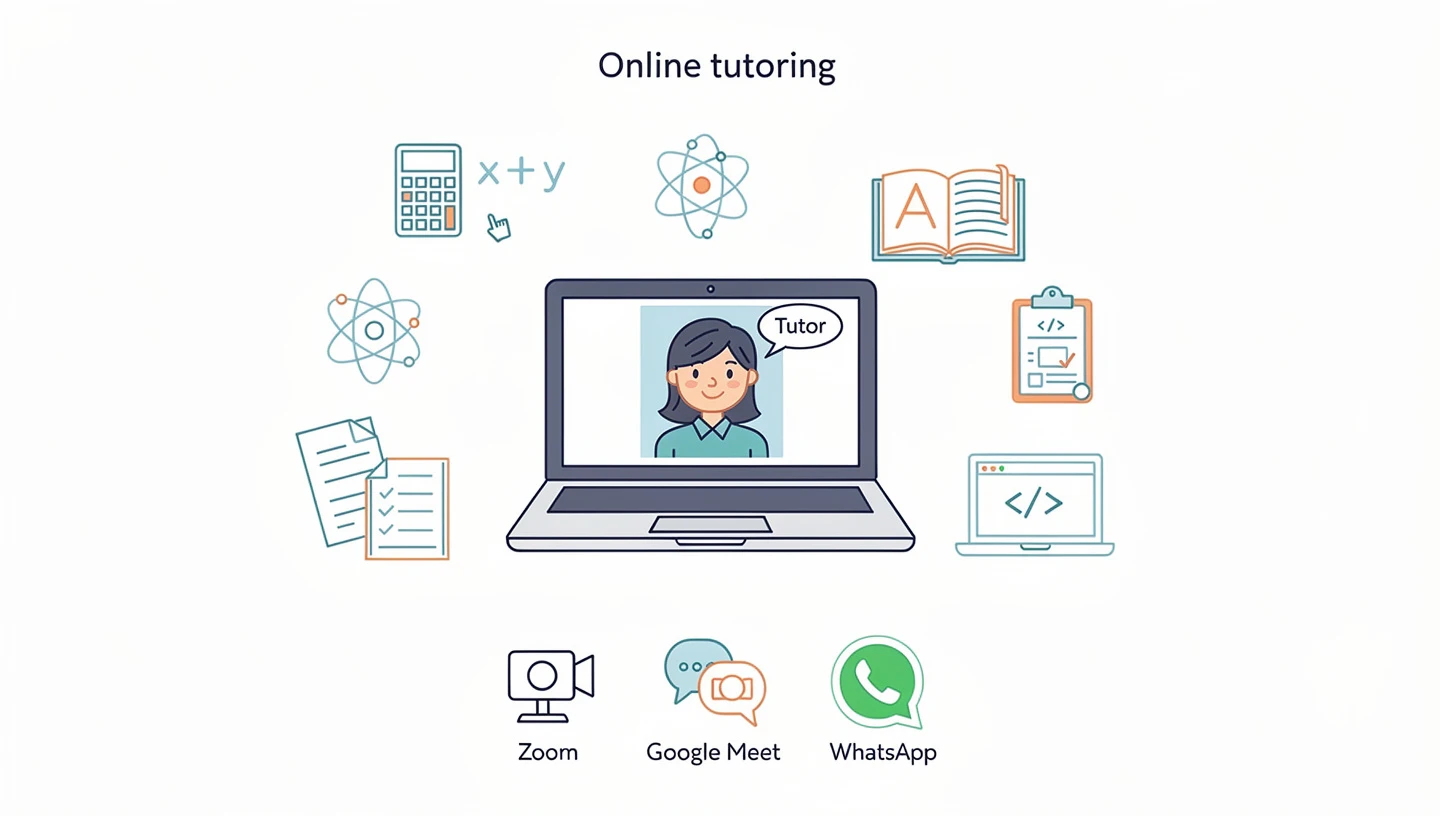
Past exam papers and clear notes make your sessions stand out.
| Detail | Estimate |
|---|---|
| Typical startup cost | Under KES 3,000 |
| Time to first customer | 1 to 3 weeks |
| Income model | Per lesson or monthly packages |
| Best for | Teachers, graduates and strong students |
Pros
- Almost no startup cost
- Parents pay regularly
- Demand peaks before national exams
- Easy to start with people you know
- Notes and papers can be reused
Cons
- Income is tied to your own time
- Busy only during school seasons
13. Web Design for Local Businesses
Many shops, clinics and hotels in Kenya still have no website or have one that is broken. You can build a simple five page site and charge for setup and monthly care. Use a hosting plan from Hostinger and a WordPress theme to save time.
Explain clearly what is included, so clients do not ask for endless changes.
| Detail | Estimate |
|---|---|
| Typical startup cost | KES 5,000 to 20,000 |
| Time to first customer | 3 to 6 weeks |
| Income model | Setup fee plus monthly care |
| Best for | People who know WordPress or similar tools |
Pros
- Many local businesses have no site
- Setup fees pay well
- Monthly care adds steady income
- WordPress themes save time
- Each finished site becomes a portfolio piece
Cons
- Clients may demand many changes
- Needs technical skill to build and fix sites
14. Online Bookkeeping
Small owners often mix personal and business money and fear tax deadlines. You record their sales and expenses weekly, prepare simple reports and remind them about KRA dates. Learn a tool like QuickBooks or Zoho Books first.
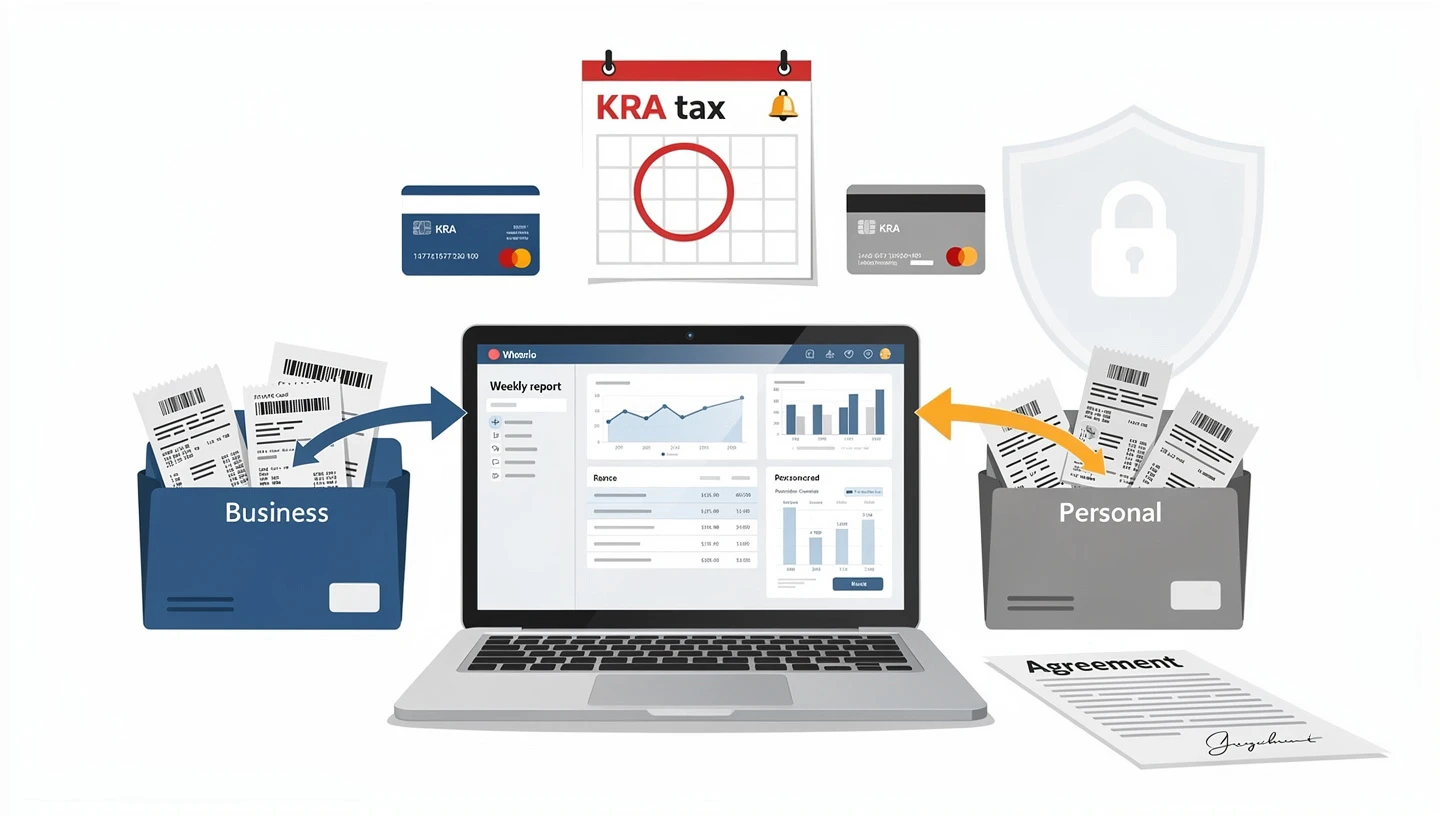
You will handle private financial information, so keep it protected and sign an agreement.
| Detail | Estimate |
|---|---|
| Typical startup cost | KES 3,000 to 15,000 |
| Time to first customer | 2 to 6 weeks |
| Income model | Monthly fees |
| Best for | People with accounting knowledge |
Pros
- Monthly fees create steady income
- Low client turnover
- Owners often dislike bookkeeping and will pay for help
- One workflow fits every client in a niche
- Works fully remote
Cons
- Mistakes cost trust quickly
- You must learn one accounting tool well first
15. SEO and Local Listing Services
Restaurants, dentists and lawyers want to appear when someone searches nearby. You set up and improve their Google Business Profile, fix their website basics and ask customers for reviews. Show results with numbers, like more calls or direction requests.
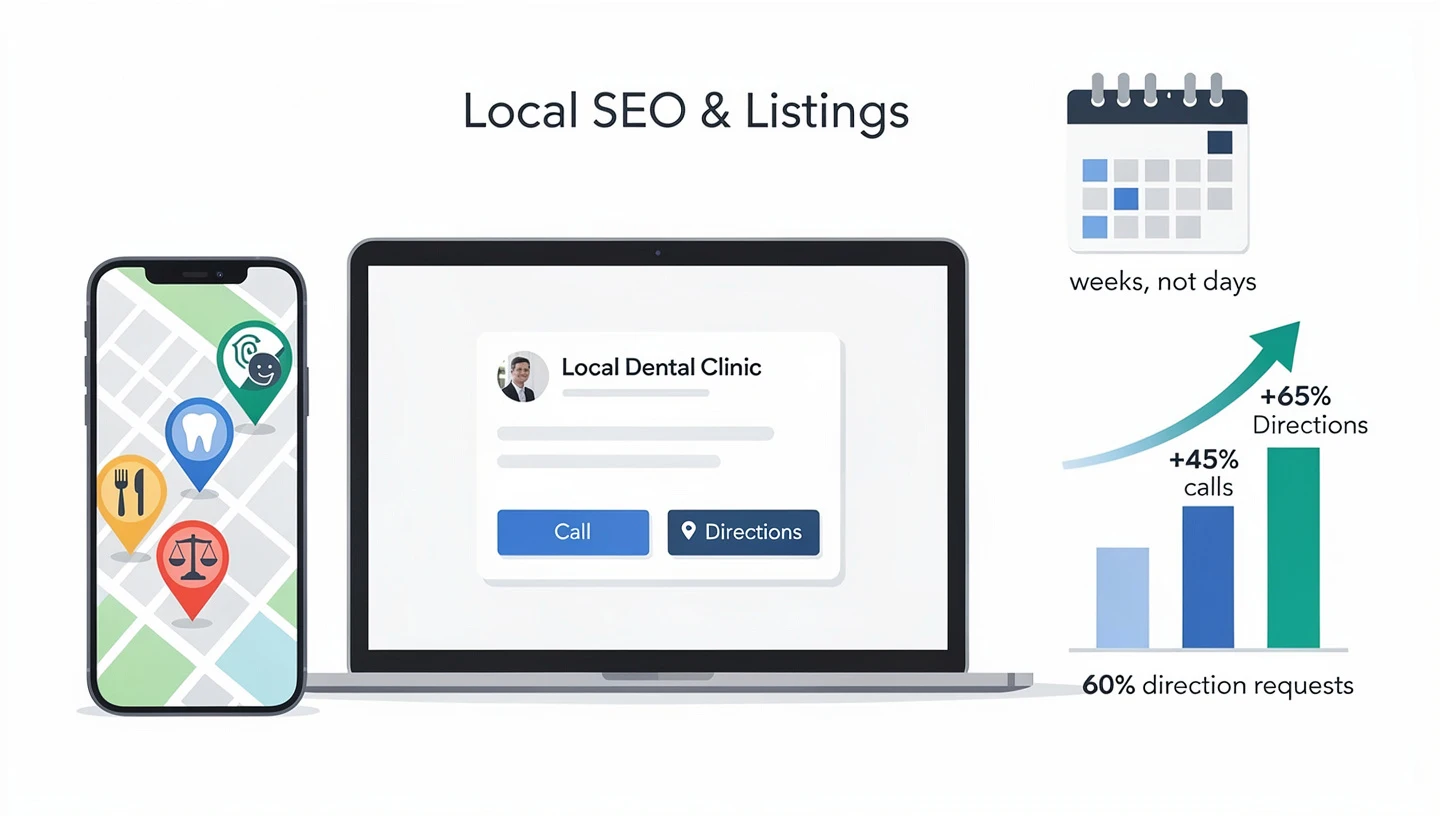
Results take weeks, so say that at the start.
| Detail | Estimate |
|---|---|
| Typical startup cost | KES 3,000 to 15,000 |
| Time to first customer | 4 to 8 weeks |
| Income model | Monthly retainers or one-time setup |
| Best for | Detail-minded people who can track results |
Pros
- Local businesses see value in being found
- Results can be shown with numbers
- Monthly retainers are common
- Free tools cover most of the work
- Skills can grow into full SEO services
Cons
- Results take weeks to show
- Clients may expect instant rankings
5 Best Paying Online Businesses in Kenya
Some of the 15 ideas pay more than others, mostly because the client needs a skill that is hard to find.

If you want a short list of 5 paying online business options in Kenya, these are the ones that most often reach a good monthly income, in this order.
- High value freelancing. Technical writing, programming, video editing and translation for foreign clients pay in dollars or pounds, which is a big advantage against the shilling.
- Digital marketing. Running ads and managing social media for businesses brings monthly retainers instead of one-time payments.
- Web design. One site can be sold for a fair setup fee, and hosting or care plans add monthly income.
- Virtual assistance for foreign clients. The hourly rate is modest, but the work is steady and does not need a special degree.
- Online tutoring. Parents pay regularly, especially before national exams.
The best paying online businesses in Kenya share one thing: the owner can show proof. A portfolio, a few reviews or one case study with numbers is more useful than a long list of certificates.
Online Business Ideas in Kenya With No Registration Fee
You can start many online business ideas in Kenya without paying for registration on day one. Freelancing, tutoring, resale through social media and UGC videos are the common examples. You only need a phone, internet and an M-Pesa line.
What you can start this week
- Offer tutoring or assistance to people you already know.
- Post second-hand items on WhatsApp Status and Instagram.
- Create a free freelance profile on a platform like Upwork or Fiverr.
- Film one UGC sample video and send it to ten brands.
- Design three Canva templates and list them for sale.
Students are often the group that benefits most from these options, since they have time but no capital. If you are younger than 18, the page on how to start an online business under 18 explains what is allowed and what needs a parent.
When you still need to register
Starting without paying is fine at the testing stage. Once customers send you steady money, or you want a business M-Pesa Till, a bank account or bigger clients, registering the business name becomes sensible. It protects your brand and makes clients trust you more.
How to Tell a Genuine Online Business From a Scam
Kenya has many fake online jobs, and the victims are usually people who want fast money. A genuine online business in Kenya earns money by selling something real, and it never asks you to pay to get work. Watch for these warning signs.
- You must pay a “registration” or “activation” fee before you get tasks.
- The offer promises a large daily income for clicking, liking or watching videos.
- Your income depends mainly on bringing in other people.
- The contact person only uses WhatsApp or Telegram and hides the company name.
- Forex or crypto “signals” are sold as guaranteed profit.
Before paying anyone, search the company name together with the word “scam”, check the website age, and ask for a real office or registration number. If a client overpays you and asks for a refund, do not send money back before the original payment is fully cleared.
How to Start an Online Business in Kenya Step by Step
If you want to start an online business in Kenya properly, follow these steps in order. Do not buy tools or a domain before you know someone will pay.
Pick one idea and test it
Choose the idea from the list that matches a skill you already have, then find three people who might pay for it. Ask them directly. Their answers tell you more than any research.
Register your business and get a KRA PIN
You can register a business name online through the Business Registration Service on eCitizen, and the name registration fee is around KES 950 at the time of writing. A KRA PIN is also required for tax, and income from an online business is taxable like any other income. Check the current rules on the KRA website, including eTIMS for invoicing if it applies to you.
Set up M-Pesa for your business
A personal number works for the first sales, but a Till number or Paybill looks more professional and keeps your own money separate from business money. If you have a website, a payment tool that supports M-Pesa STK Push lets customers pay without leaving the page.
Buy a domain and hosting
A website is not needed on day one, but it helps once you have clients. You can register a domain with Namecheap and host it with Hostinger. Check which payment methods each provider accepts for Kenyan customers at checkout, because card requirements differ and may change.
Get paid from abroad
Foreign clients usually pay through PayPal, Payoneer, Wise or a bank transfer. You can move the money to M-Pesa or a bank account, and each step has a fee. Compare the total cost before you quote a price. People in other countries follow almost the same steps, as you can see in the guide on how to start an online business in Nepal.
A 30-Day Plan to Test Your Online Business
A short test saves months of guessing. Use this plan to find out if your idea has real demand.
Days 1 to 3: choose and define
Write down one idea, one type of customer and one clear offer with a price. Remove everything else for now.
Days 4 to 10: build the minimum
Prepare a simple portfolio, a product photo set or a short sales message. Open the accounts you need, such as Instagram, WhatsApp Business or a freelance profile.
Days 11 to 20: contact people
Message at least 30 possible customers directly. Post daily where they spend time. Write down every question they ask, since those become your content and your improved offer.
Days 21 to 30: sell and adjust
Close your first sales, ask for a review, and look at what worked. If nobody paid, change the offer or the audience, not your whole plan. Entrepreneurs in other small markets follow the same process, for example the ideas collected for an online business in Trinidad.
Common Mistakes to Avoid
- Starting too many things at once. One idea tested properly beats five half-built ones.
- Buying tools before customers. Pay for a domain, store or software only after someone has said yes.
- Pricing too low. Cheap work attracts difficult clients and burns you out.
- Ignoring tax. Keep records from the first month, so you are not stuck later.
- Mixing personal and business money. A separate Till or account makes reports easy.
Online Business in Kenya FAQ
Which online business pays the most in Kenya?
High value freelancing, digital marketing and web design usually pay the most, because clients pay for a skill that is hard to find. Income depends on your portfolio and the clients you win, so there is no fixed amount.
Can I start an online business in Kenya with only a phone?
Yes. Resale through WhatsApp and Instagram, tutoring, UGC videos and simple freelance work can all start from a smartphone. A laptop becomes useful later, when your work gets more technical.
Do online businesses pay tax in Kenya?
Yes. Income from an online business is taxable, and you need a KRA PIN. Rates and rules depend on how your business is set up, so check with KRA or an accountant.
How long does it take to become profitable?
Service ideas like writing, tutoring or assistance can bring a first payment in two to four weeks. Shops and digital products often take one to three months, and blogs can take up to a year.
Does YouTube pay in Kenya?
Yes, once your channel meets the YouTube Partner Program requirements and you set up an AdSense account. Many creators also earn from sponsors and affiliate links, which can pay more than ads.
How do I know if an online job is fake?
Be careful if the offer asks for a fee, promises daily income for simple clicking or hides who the employer is. A real job pays you, it does not charge you to start.
How can I receive money from abroad?
Most freelancers use PayPal, Payoneer, Wise or bank transfer, then withdraw to M-Pesa or a bank account. Compare fees on each step before you accept a client.
Start With One Customer, Not Fifteen Ideas
The best online business ideas in Kenya are not the ones with the highest income promise. They are the ones that match a skill you already have and a problem somebody will pay to solve. Pick one idea from the list, follow the 30-day plan, and keep your spending low until the first customer pays. After that, you can add tools like Shopify, Hostinger, Systeme.io, Canva and Namecheap one at a time, when the business actually needs them.