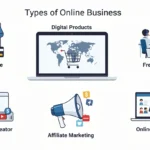
The main types of online business are product-based (online stores, dropshipping, print-on-demand), service-based (freelancing, consulting, agencies), digital and content businesses (courses, blogs, affiliate marketing) and subscription or platform models (memberships, SaaS, marketplaces). Services cost the least and pay fastest, while software and platforms cost the most and take longest.
This guide covers 20 types of online businesses, with a short review, a table with startup cost and time to first income, and pros and cons for each. It also shows how to group them by buyer (B2C, B2B, C2C) and by how they earn, and how to choose and start one of the online business models that fits you.
Costs come from published guides and change by platform and country. Check them on the platform site before you spend.
Types of Online Business at a Glance
Here are all 20 types of online business with the main idea behind each. The full reviews follow below, grouped by what you sell.
- Online Store – Sell physical products through your own site
- Dropshipping – Sell products without holding stock
- Print-on-Demand – Shirts and mugs printed after each order
- Marketplace Selling on Amazon, Etsy and eBay – A ready audience for your products
- Social Commerce and Live Selling – Selling inside TikTok, Instagram and Facebook
- Freelancing – Sell a skill like writing or design to clients
- Virtual Assistant – Remote admin work for busy owners
- Consulting and Coaching – Paid advice in a field you know
- Digital Marketing Agency – Ads, email and SEO for local businesses
- Lead Generation – Sell leads and inquiries to local businesses
- Online Courses – One skill sold many times
- Digital Products and Templates – Files you build once and sell again and again
- Blogging and Content Creation – Ads, sponsors and affiliate links
- Influencer and Video Creator – Sponsors, ad revenue and affiliate links from your audience
- Affiliate Marketing – Commission for promoting the products of other companies
- Subscription Box – Monthly boxes in a narrow niche
- Membership Site – Free content plus paid premium access
- App and Software Products – Apps, plugins and extensions
- Software as a Service (SaaS) – Software sold on a monthly plan
- Online Marketplace or Directory – A platform that connects buyers and sellers
What Is an Online Business?
An online business is a company that makes most of its sales over the internet, through a website, an app, a marketplace or social media. It can sell products, services or digital files. Some owners work purely online, and others mix online and offline, such as a local shop with a web store. This guide covers businesses that work mainly online.
Online Business vs Ecommerce Business
Ecommerce is the buying and selling of goods and services online, so it is only one type of online business. A freelance writer or a coach runs an online business without an online store, and a software company earns from subscriptions, not from selling goods. Every ecommerce business is an online business, but not the other way around.
Online, Offline and Hybrid Businesses
A pure online business has no physical shop or office for customers. A company like Amazon works only online. A chain with stores and a website, such as Walmart, is a hybrid, because customers can buy in either place. Many small owners also run a hybrid, for example a local bakery that takes orders online. Most types in this guide can work as pure online or as a hybrid.
Three Ways to Group Types of Online Business
Most guides list the types in one way only, which makes them hard to compare. These three groups cover all of them, and most businesses fit more than one.
- By what you sell: physical products, services or digital products.
- By who buys: consumers (B2C), businesses (B2B) or other individuals (C2C).
- By how you earn: a product sale, a project fee, a subscription, a commission or ads.
The review sections below follow the first group. The sections after them cover buyers and ways to earn.
Product-Based Types of Online Business
Product-based businesses sell physical goods, so they need money for stock, packaging and shipping. In return you build a brand and can add products over time. Test demand with a few items or pre-orders before you buy in bulk.
1. Online Store
An online store sells physical products to buyers through your own site. You pick a niche, find a supplier or make the product, build a store on Shopify, Wix or WooCommerce and market it.
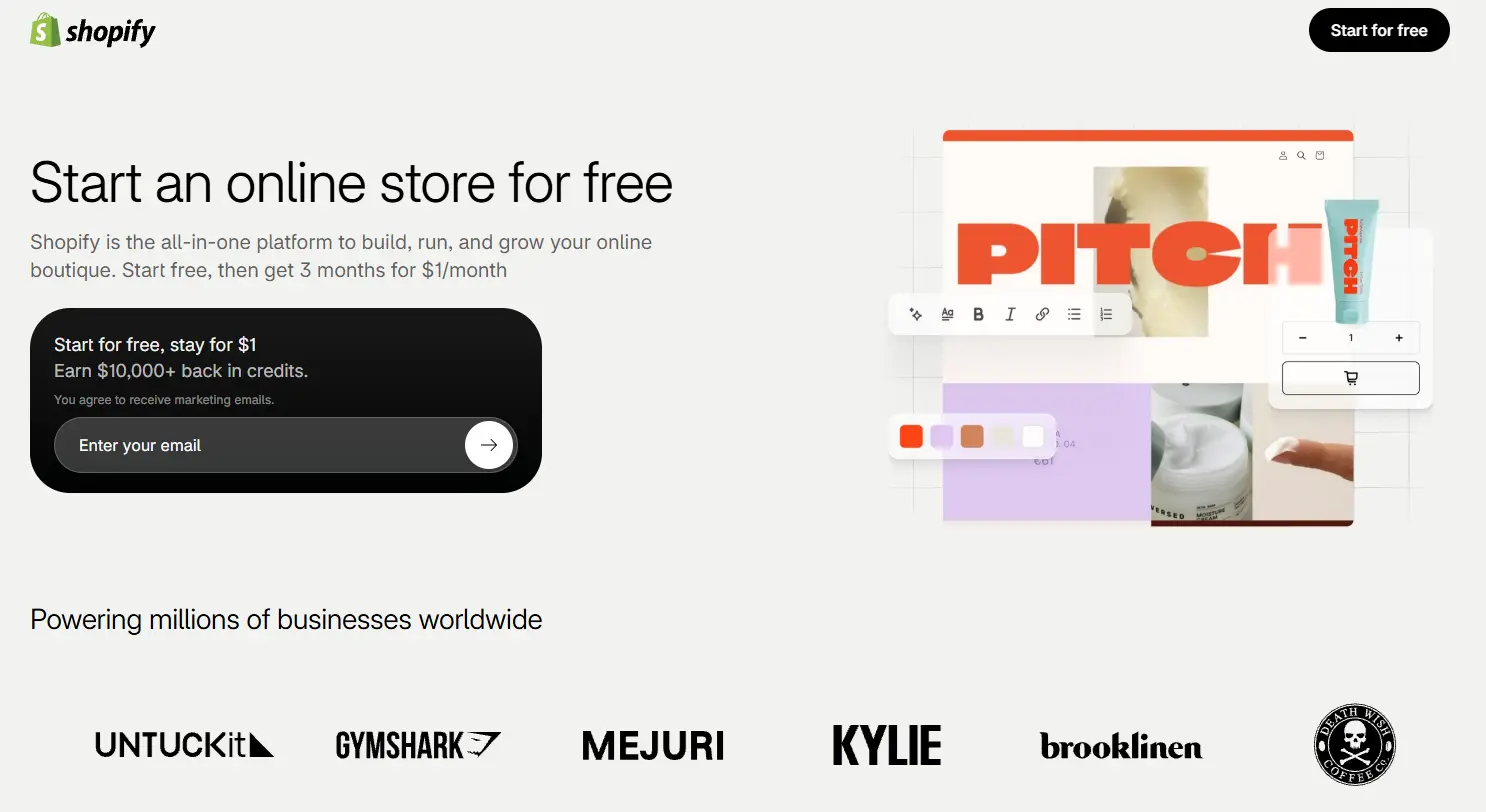
A narrow niche works better than a general shop, because you cannot match the big retailers on price or delivery.
| Detail | Info |
|---|---|
| Startup Cost | From a few hundred dollars for a small niche store to $5,000 to $25,000+ for private label |
| Time to First Income | 1 to 3 months |
| Skill Level | Medium |
| How You Earn | Margin on each product sold |
| Best For | People with a product idea and money for stock |
| Examples | Shopify stores, WooCommerce shops |
Pros
- Sells to buyers anywhere
- You own the brand and the customer data
- Easy to add new products
Cons
- Needs money for stock
- Shipping and returns take time
- Crowded niches
2. Dropshipping
Dropshipping lets you list products in your store and have a supplier ship each order to the customer. You pay for the item only after the customer pays you.
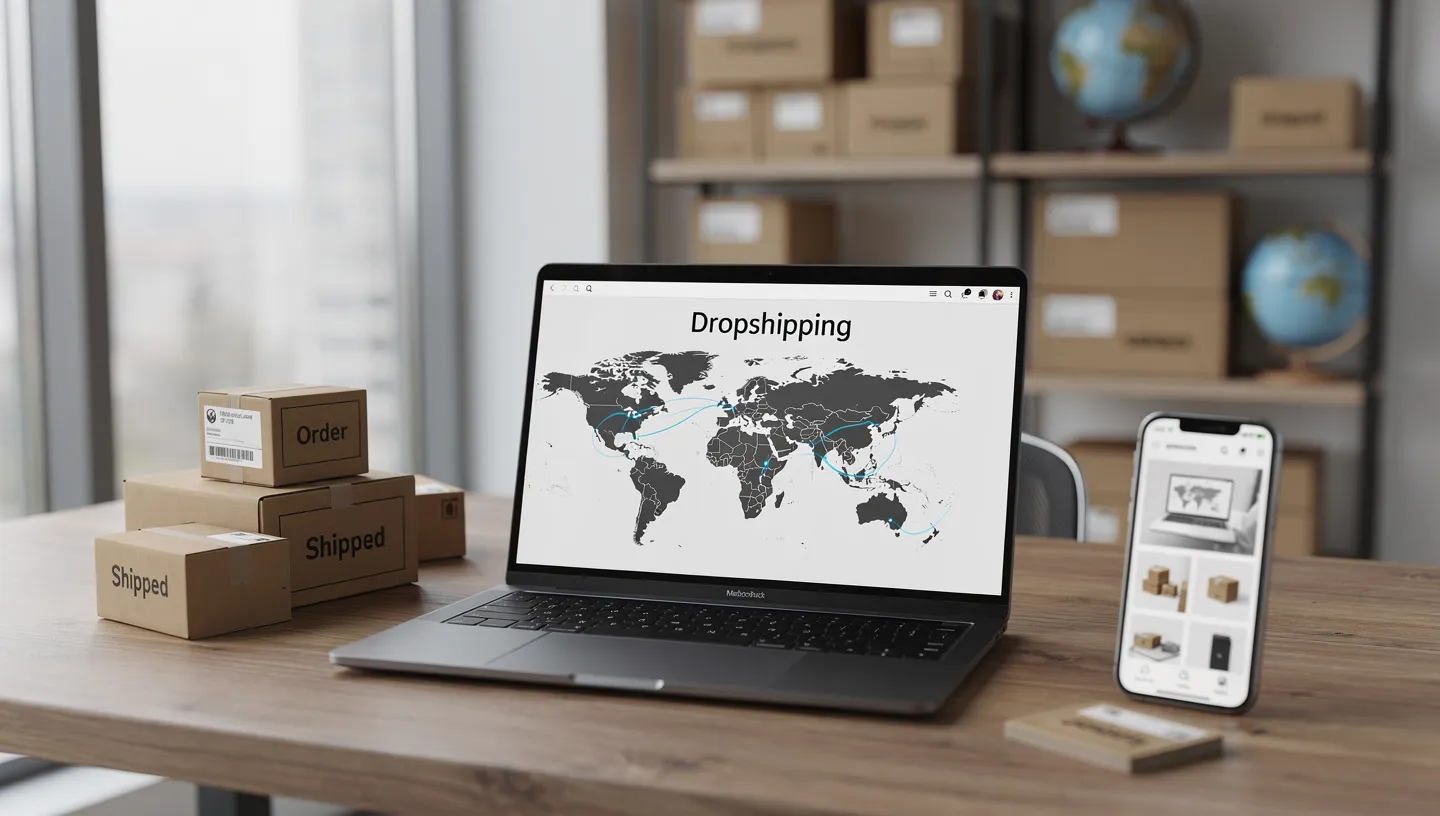
Margins are thin and you depend on the supplier for quality and shipping speed, so test a few products before you spend on ads.
| Detail | Info |
|---|---|
| Startup Cost | Under $1,000 |
| Time to First Income | 1 to 3 months |
| Skill Level | Medium |
| How You Earn | The gap between your price and the supplier price |
| Best For | People with limited capital who want a hands-off model |
| Examples | Shopify stores connected to dropship suppliers |
Pros
- No stock to buy
- Low startup cost
- Easy to test products
Cons
- Thin margins
- Quality and shipping depend on the supplier
- Hard to stand out
3. Print-on-Demand
Print-on-demand lets you sell shirts, mugs and phone cases while Printful or Printify prints and ships each order.
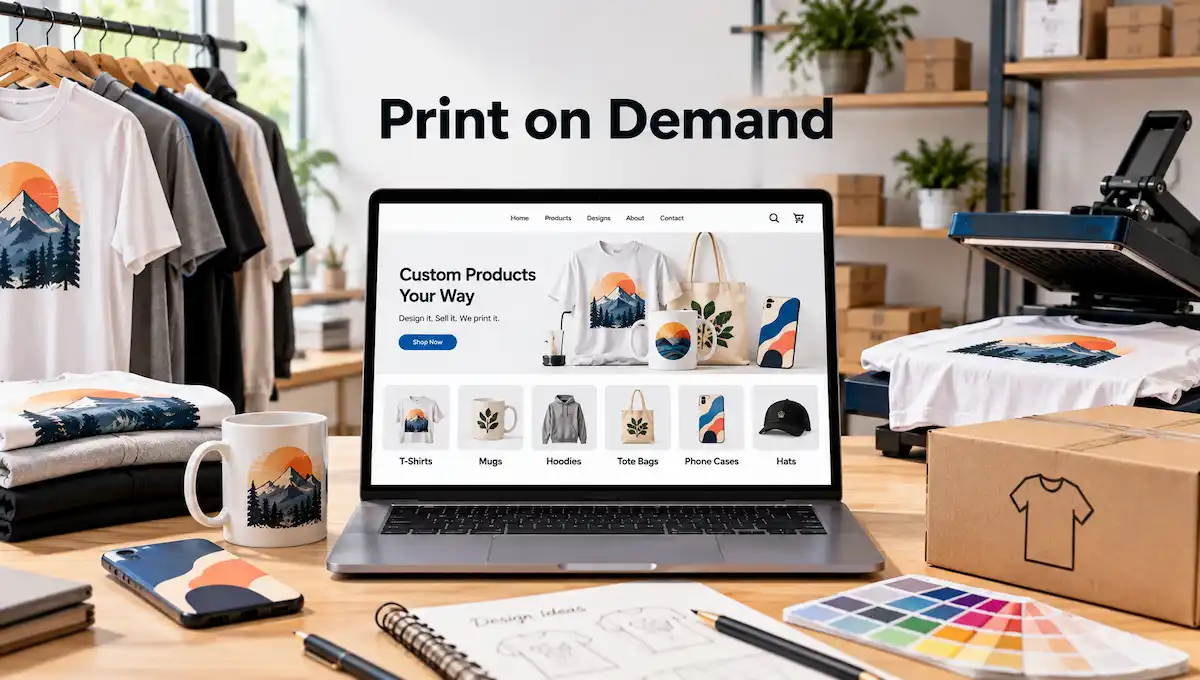
You pay for the product only after a sale. Pick a small niche such as dog lovers or a hobby, design five to ten products and promote them on Pinterest or TikTok.
| Detail | Info |
|---|---|
| Startup Cost | $100 to $700 |
| Time to First Income | 1 to 3 months |
| Skill Level | Medium |
| How You Earn | Margins of 20% to 40% per item |
| Best For | People with design skill and a clear niche |
| Examples | Printful, Printify, Redbubble |
Pros
- No stock to buy
- The platforms are free to start
- Easy to test niches
Cons
- Thin margins
- Slow sales without a niche
- Shipping times are out of your hands
4. Marketplace Selling on Amazon, Etsy and eBay
Selling on a marketplace gives you a ready audience without building a store. You list products on Amazon, Etsy or eBay and pay fees on each sale.
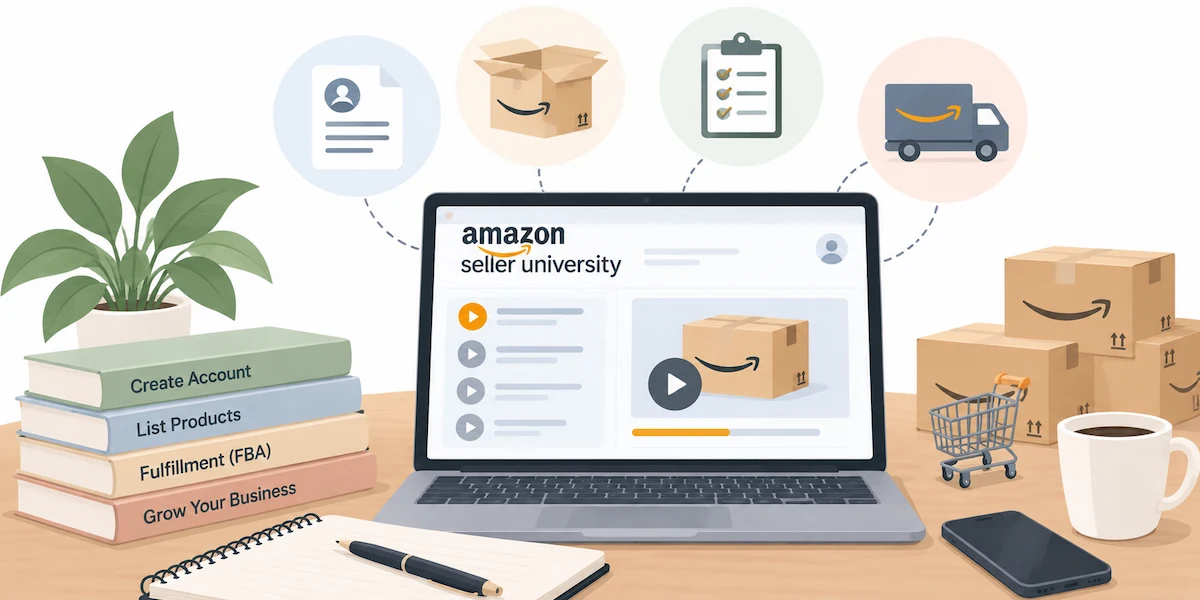
The platform sets the rules and keeps the customer data, so many sellers run a marketplace shop next to their own store.
| Detail | Info |
|---|---|
| Startup Cost | Varies by stock and platform fees |
| Time to First Income | A few weeks once listings are live |
| Skill Level | Low to medium |
| How You Earn | Margin on each product, minus platform fees |
| Best For | Sellers who want fast access to buyers |
| Examples | Amazon, Etsy, eBay |
Pros
- Built-in audience
- Quick to set up
- The platform handles payments and trust
Cons
- Fees on every sale
- The platform sets the rules
- You do not own the customer data
5. Social Commerce and Live Selling
Social commerce sells products inside social apps such as TikTok Shop, Instagram and Facebook, so buyers never leave the app. Live selling adds a video stream where you show products and answer questions in real time.
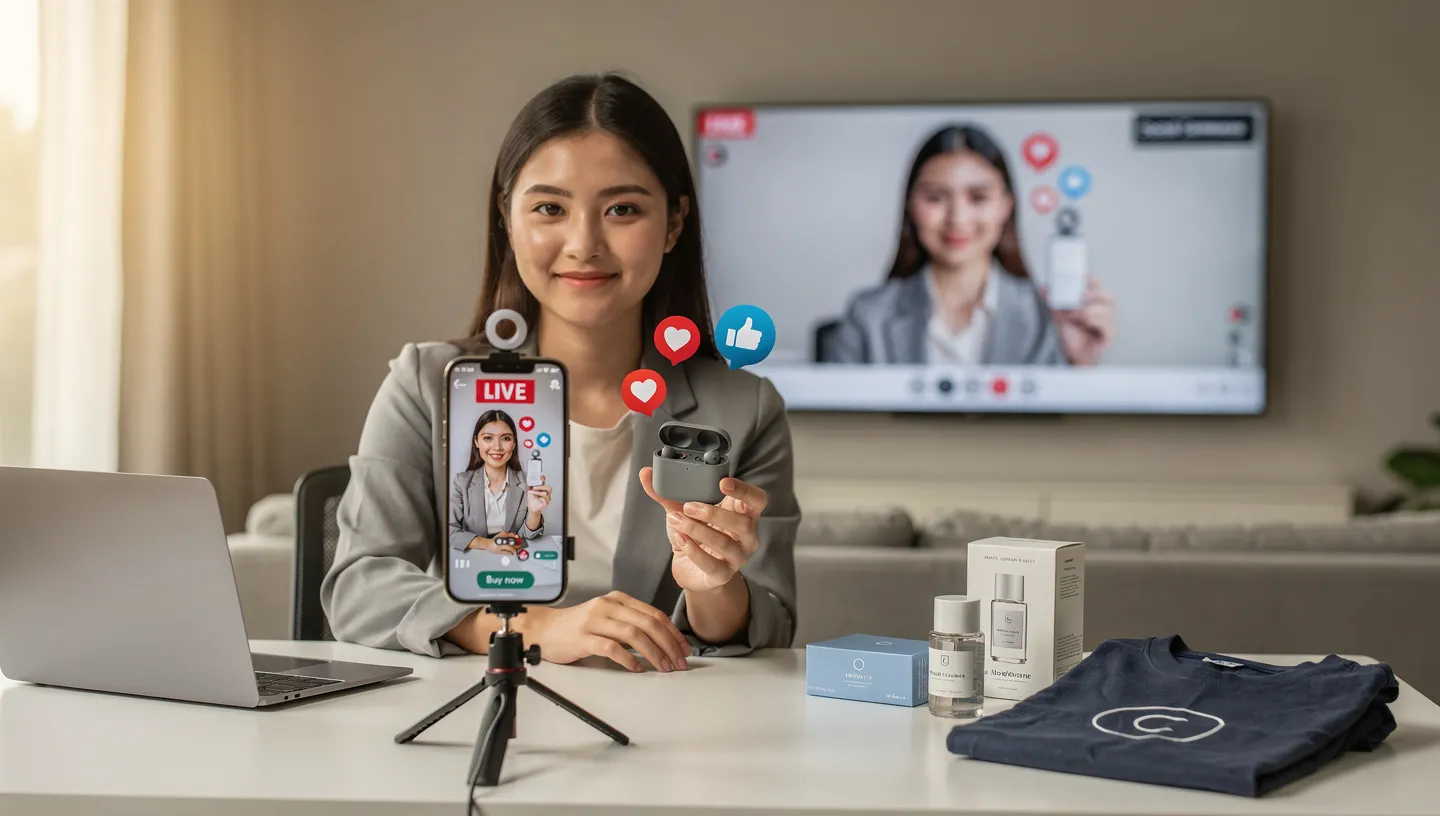
It works best for products that look good on video and for sellers who already have followers.
| Detail | Info |
|---|---|
| Startup Cost | Low if you already have a product, plus stock |
| Time to First Income | A few weeks if you have followers |
| Skill Level | Medium |
| How You Earn | Margin on each product, minus platform fees |
| Best For | Sellers with an audience and products that look good on video |
| Examples | TikTok Shop, Instagram Shopping, Facebook Shops |
Pros
- Buyers purchase without leaving the app
- Video shows the product well
- Reaches new buyers fast
Cons
- Platform rules and fees change
- Needs steady content and followers
- Shipping and returns are still on you
Service-Based Types of Online Business
Service-based businesses have a low startup cost because you sell your time and skill, not stock. Most can take a first client within a few weeks. If you want more remote options, see our list of remote business ideas.
6. Freelancing
Freelancing means selling a skill such as writing, design or web development directly to clients. Pitch on Upwork, Fiverr and LinkedIn, build a few samples and raise your rates as reviews come in. It is one of the cheapest ways to start, since your main product is your time.

Popular freelance services include writing, graphic design, web design, SEO, social media management, video editing, bookkeeping and translation.
| Detail | Info |
|---|---|
| Startup Cost | $50 to $1,400 |
| Time to First Income | 2 to 6 weeks |
| Skill Level | Medium |
| How You Earn | Per project or per hour |
| Best For | Skilled people who want flexibility |
| Examples | Upwork, Fiverr |
Pros
- Low startup cost
- Work from anywhere
- You set your own rates
Cons
- Income can swing from month to month
- You trade time for money
- Finding clients takes effort
7. Virtual Assistant
A virtual assistant handles email, scheduling, research and other admin tasks for busy owners. Pick one specialty, such as real estate or podcast support, and pitch on Upwork and LinkedIn.
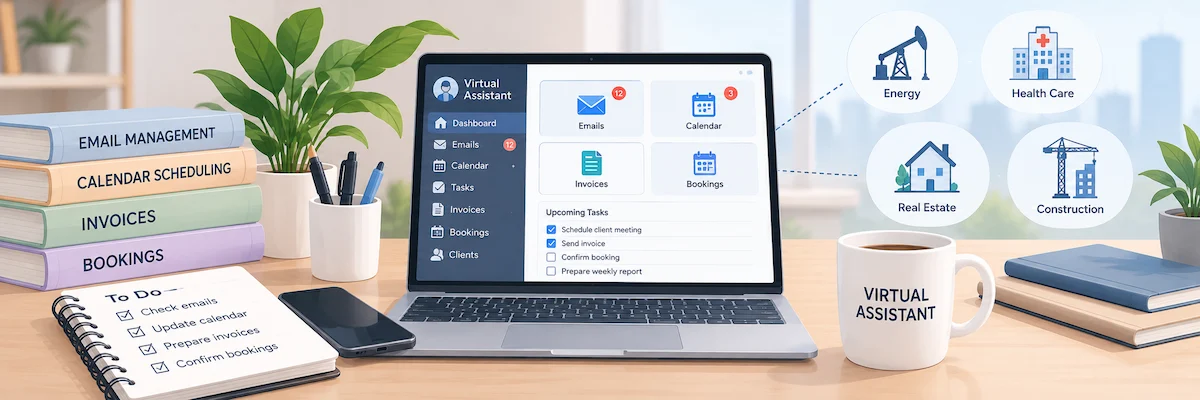
Assistants who like operations can grow into an online business manager role.
| Detail | Info |
|---|---|
| Startup Cost | $200 to $1,500 |
| Time to First Income | 2 to 4 weeks |
| Skill Level | Low |
| How You Earn | Per hour or monthly retainer |
| Best For | Organized people who want a remote business |
| Examples | Upwork, LinkedIn |
Pros
- Almost no startup cost
- Clients keep good assistants for years
- A specialty raises your rate
Cons
- Routine work
- Low rates at the start
- Clients expect fast replies
8. Consulting and Coaching
Consultants and coaches sell advice in a field they know well, one on one or in small groups. Credibility matters most, so show results, collect testimonials and offer a short first call to build trust.

Business coaching, life coaching and fitness coaching are common starting points.
| Detail | Info |
|---|---|
| Startup Cost | $50 to $1,200 |
| Time to First Income | 1 to 2 months |
| Skill Level | High |
| How You Earn | Per session, package or retainer |
| Best For | Experts with specialized knowledge |
| Examples | Business, career and fitness coaches |
Pros
- High earning potential
- Low overhead
- Packages and retainers repeat
Cons
- Needs credibility
- Trust takes time to build
- Income is tied to your hours
9. Digital Marketing Agency
A digital marketing agency runs ads, email, social media and SEO for local businesses. Start with one service, offer a discounted first month and show results in a simple monthly report.

Hire help only after you have steady clients.
| Detail | Info |
|---|---|
| Startup Cost | $100 to $1,500 |
| Time to First Income | 2 to 4 weeks |
| Skill Level | Medium |
| How You Earn | Monthly retainers |
| Best For | People who like data and marketing |
| Examples | Local SEO and ad management agencies |
Pros
- Low startup cost
- Monthly retainers
- Results are easy to measure
Cons
- Clients expect fast results
- Platforms change often
- Needs strong pitching
10. Lead Generation
A lead generation business finds potential customers for other companies and sells those leads, or the calls and forms that come from them. Typical niches are home services, insurance and real estate.
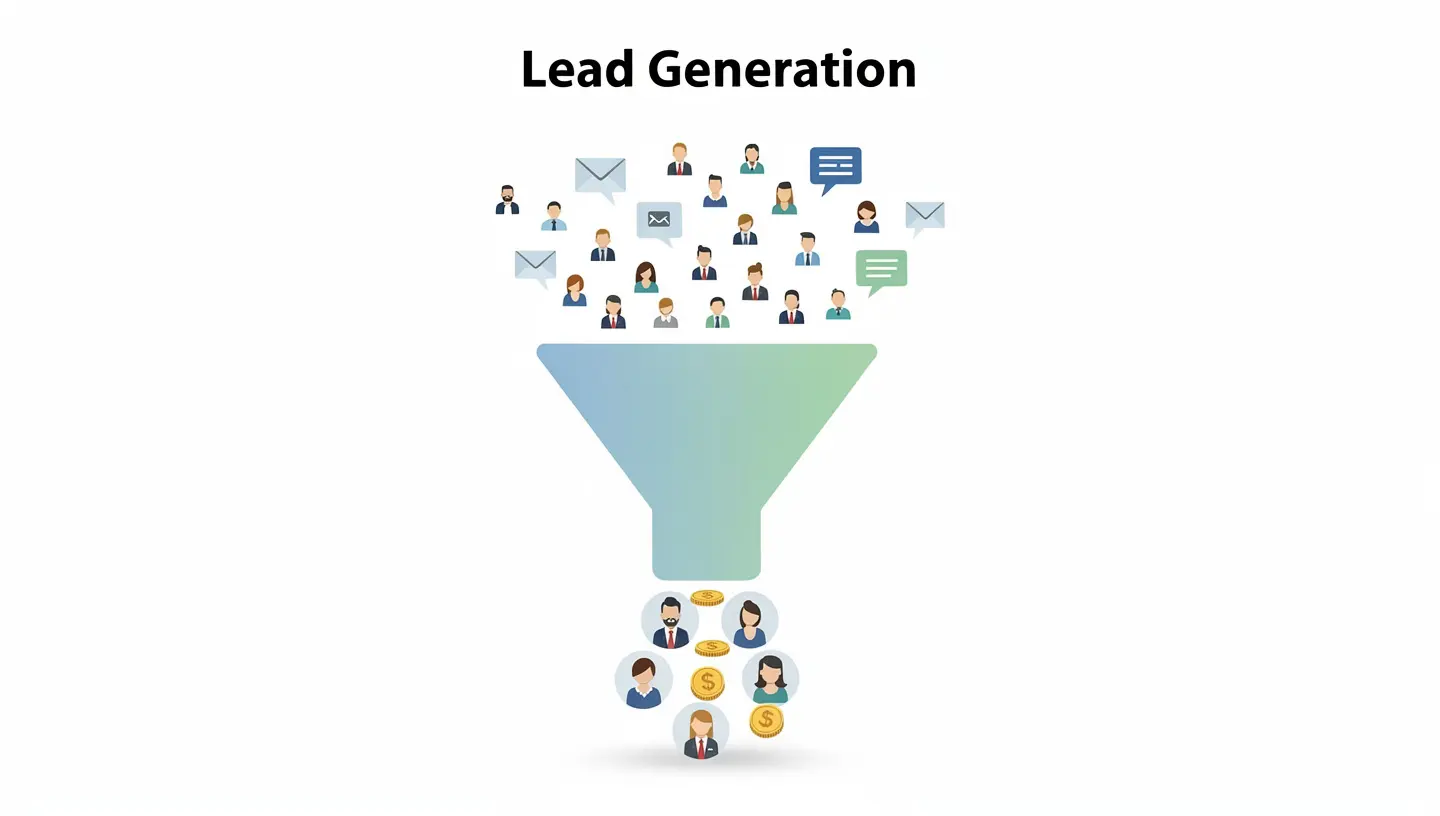
You build a website or run ads, collect inquiries and pass them to a business that pays for each lead.
| Detail | Info |
|---|---|
| Startup Cost | Low to medium, mostly website and ad costs |
| Time to First Income | 1 to 3 months |
| Skill Level | Medium to high |
| How You Earn | Fee per lead or per booked job |
| Best For | Marketers who can run ads or rank pages |
| Examples | Thumbtack, Angi, local niche sites |
Pros
- Low startup cost
- Works in many local niches
- Buyers pay for results
Cons
- Needs ad or SEO skill
- Buyers can drop you
- Quality rules and privacy laws apply
Digital Product and Content Types of Online Business
Digital and content businesses create something once and sell it many times, which is why people link them to passive income. The tradeoff is time, since an audience takes months to build.
11. Online Courses
An online course turns one skill you know well into a product you can sell many times. Outline five to ten lessons, record them with a decent microphone and a screen recorder, and pre-sell the course to test demand.

Teachable, Udemy and Kajabi can host it for you.
| Detail | Info |
|---|---|
| Startup Cost | $100 to $1,500 |
| Time to First Income | 1 to 3 months |
| Skill Level | High |
| How You Earn | Per course sale |
| Best For | Experts and teachers who want passive income |
| Examples | Udemy, Teachable, Kajabi |
Pros
- One build can sell many times
- Low equipment cost
- Pre-selling tests demand
Cons
- Building takes weeks
- Needs marketing to find buyers
- Income is slow at first
12. Digital Products and Templates
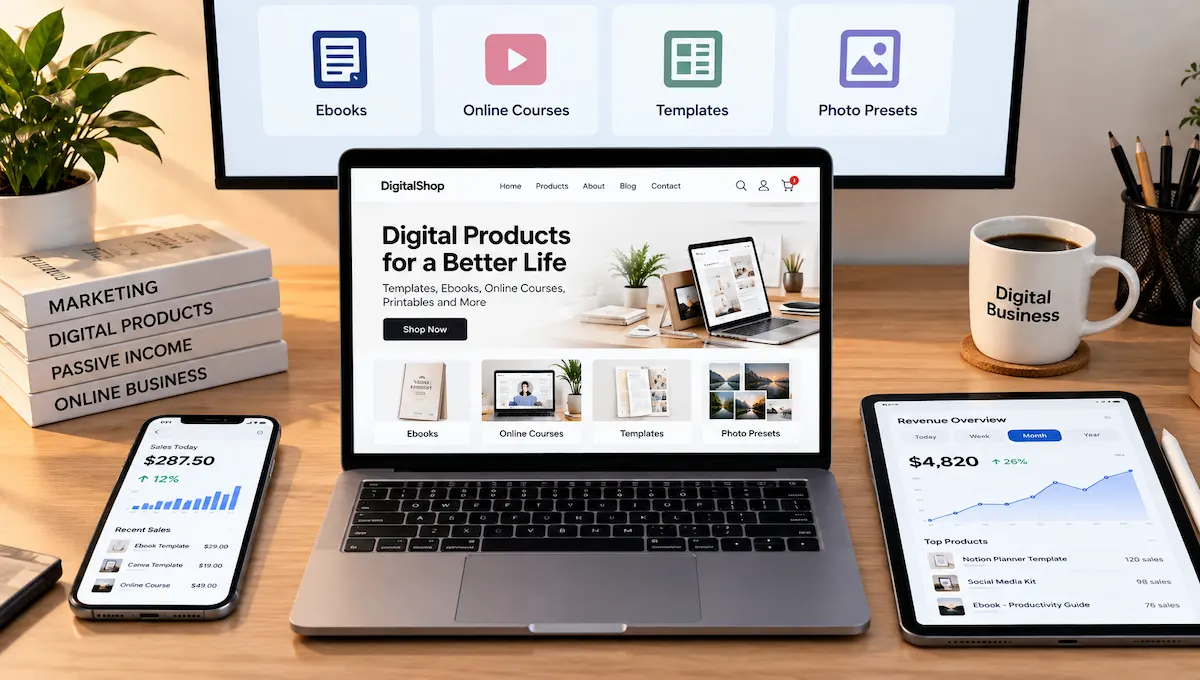
Digital products include ebooks, templates, planners, presets and printables. You build the file once and sell it again and again with no stock to hold. Sell on Etsy, Gumroad or your own site.
If you want to build something around AI, see our guide to starting an AI business with no money.
| Detail | Info |
|---|---|
| Startup Cost | $0 to $500 |
| Time to First Income | 2 to 6 weeks |
| Skill Level | Medium |
| How You Earn | Per download sold |
| Best For | Creative people who like making templates and guides |
| Examples | Etsy, Gumroad |
Pros
- No stock to hold
- High margins
- One file sells again and again
Cons
- Crowded markets
- Files can be pirated
- Needs steady marketing
13. Blogging and Content Creation
A blog, podcast or YouTube channel earns from ads, sponsors, affiliate links and digital products, but it pays slowly. Pick a niche you can cover every week, publish on a steady schedule and build an email list from day one.
Plan for 6 to 18 months before the income becomes meaningful.
| Detail | Info |
|---|---|
| Startup Cost | $50 to $800 |
| Time to First Income | 6 to 18 months |
| Skill Level | High |
| How You Earn | Ads, sponsors and affiliate commissions |
| Best For | Patient writers and video creators with a niche |
| Examples | WordPress blogs, newsletters |
Pros
- Very low startup cost
- Several income streams
- Builds an audience you own
Cons
- Slowest payback on this list
- Crowded niches
- Traffic depends on search and social changes
14. Influencer and Video Creator
Creators earn from sponsored posts, brand deals, ad revenue and affiliate links by building an audience on YouTube, Instagram or TikTok. Pick a niche, post on a steady schedule and treat your channel as a small media business.
Brand deals usually start after you build a loyal audience, so expect a slow start.
| Detail | Info |
|---|---|
| Startup Cost | $100 to $1,000 for basic gear |
| Time to First Income | 6 to 18 months |
| Skill Level | Medium |
| How You Earn | Sponsors, ad revenue and affiliate commissions |
| Best For | Outgoing people who like making video |
| Examples | YouTube, TikTok, Instagram |
Pros
- Several income streams
- Low startup cost
- Builds a personal brand
Cons
- Slow growth
- Income depends on platform algorithms
- Public criticism and burnout
15. Affiliate Marketing
Affiliate marketing means promoting the products of other companies and earning a commission on each sale. You do not need your own product or stock, but you do need an audience, and that takes time.

Review sites and niche blogs are the usual way in.
| Detail | Info |
|---|---|
| Startup Cost | Low or free |
| Time to First Income | 6 months to 2 years for steady income |
| Skill Level | Medium |
| How You Earn | Commission on each sale |
| Best For | Bloggers and creators with an audience |
| Examples | Amazon Associates, niche review sites |
Pros
- Low startup cost
- No product or stock
- Works from anywhere
Cons
- Needs a large audience
- High competition
- Takes a long time to pay
Subscription and Platform Types of Online Business
These models earn recurring revenue or a commission, so they can grow without more hours from you. They also cost more to build and take longer to pay, so most owners start with a smaller type first.
16. Subscription Box
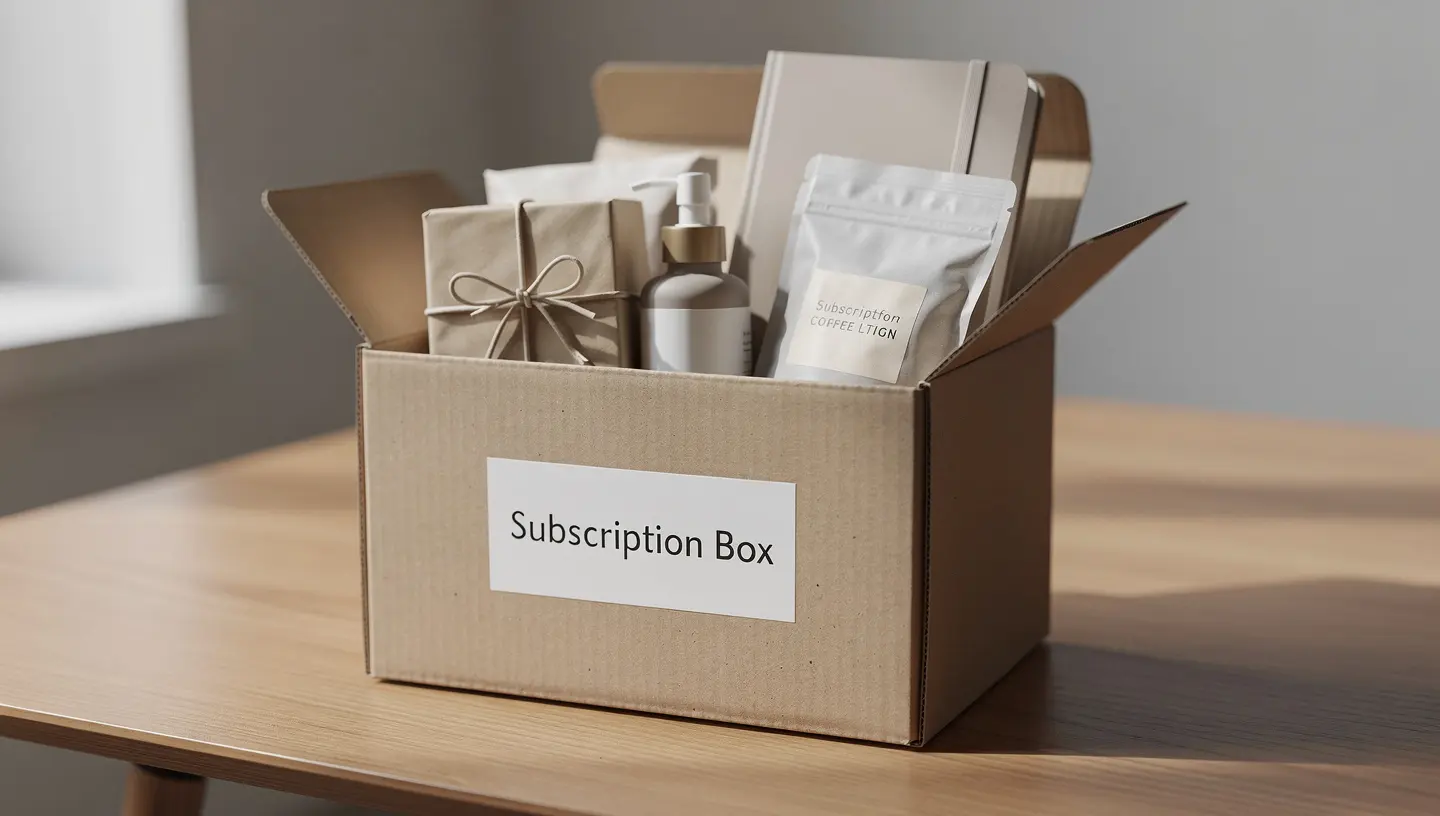
A subscription box ships a themed set of products each month, such as snacks, pet treats or self-care items. Pick a narrow niche, source four to six items per box and take pre-orders before you buy in bulk.
Profit grows with volume, since bulk buying cuts the cost per box.
| Detail | Info |
|---|---|
| Startup Cost | $1,500 to $4,000 |
| Time to First Income | 1 to 3 months |
| Skill Level | High |
| How You Earn | Monthly subscription fee |
| Best For | People who like finding and picking products |
| Examples | Snack, pet and beauty boxes |
Pros
- Recurring monthly income
- Pre-orders test demand first
- Bulk buying lifts the margin
Cons
- Needs money for stock
- Shipping costs eat profit
- Subscribers cancel
17. Membership Site
A membership site has free content to attract visitors and premium content for paying members. Members pay a monthly or yearly fee, often at several levels such as bronze, silver and gold.
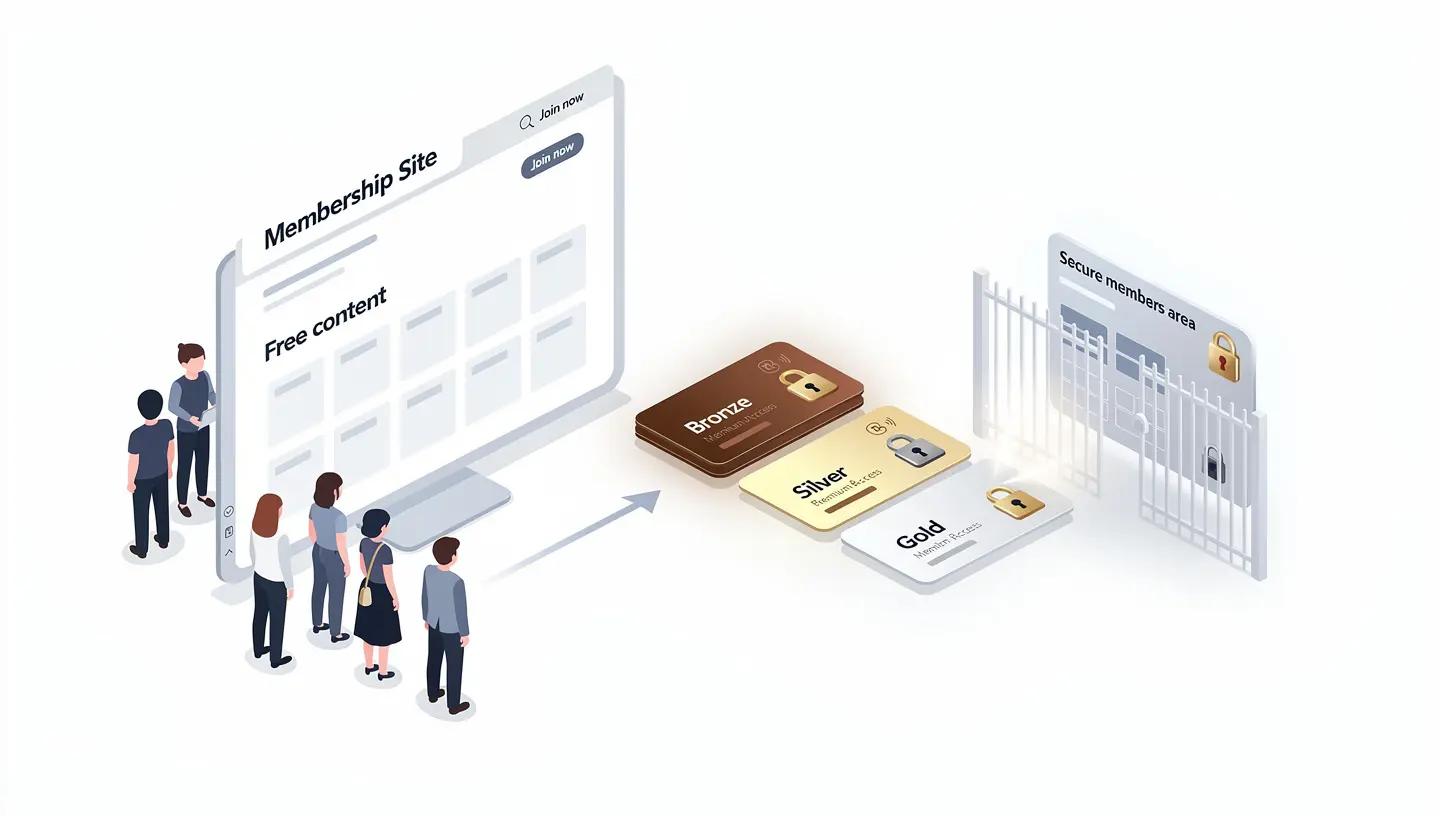
You must add new content regularly, or members will leave.
| Detail | Info |
|---|---|
| Startup Cost | Varies with your content and platform |
| Time to First Income | Varies, usually a few months |
| Skill Level | Medium |
| How You Earn | Monthly or yearly membership fee |
| Best For | Creators and experts with a loyal audience |
| Examples | Patreon, Substack paid newsletters |
Pros
- Predictable recurring revenue
- Builds a community
- Free content brings in visitors
Cons
- Needs fresh content all the time
- Members can cancel
- Competes with free alternatives
18. App and Software Products
An app or software product is a program you sell once, or give away and earn from ads or in-app purchases. Examples are mobile apps, browser extensions and plugins for platforms such as WordPress or Shopify.
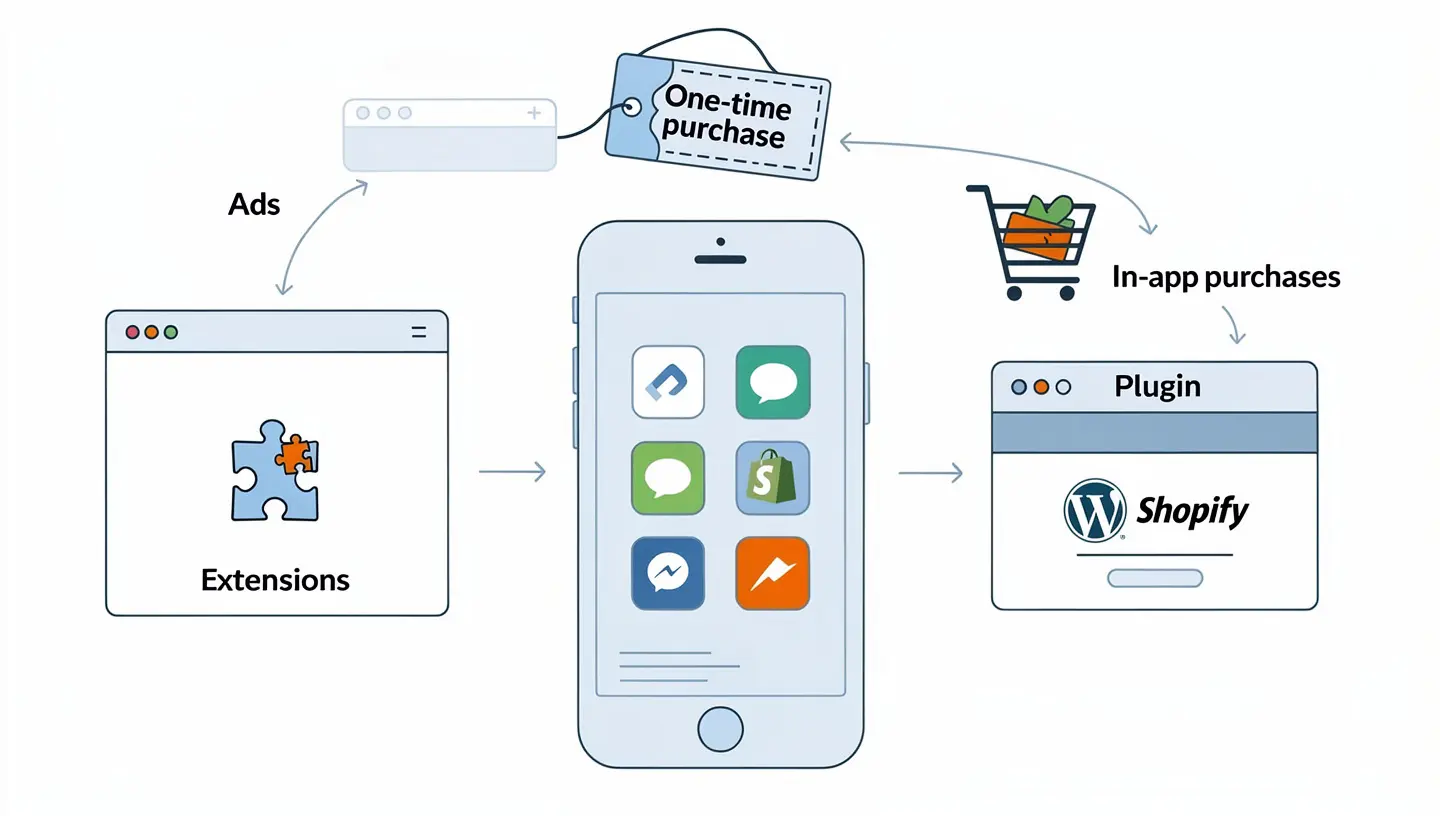
Start with one narrow problem, build a simple version and add features as users ask.
| Detail | Info |
|---|---|
| Startup Cost | Low with no-code tools, high with a developer |
| Time to First Income | Months to build |
| Skill Level | High |
| How You Earn | One-time sale, in-app purchases or ads |
| Best For | Technical people and teams with a developer |
| Examples | Mobile apps, WordPress plugins, Chrome extensions |
Pros
- Sells to a global market
- Can earn without more hours once built
- Plugins reach existing platform users
Cons
- Needs technical skill or a developer
- Updates and bug fixes never stop
- App stores take a cut
19. Software as a Service (SaaS)
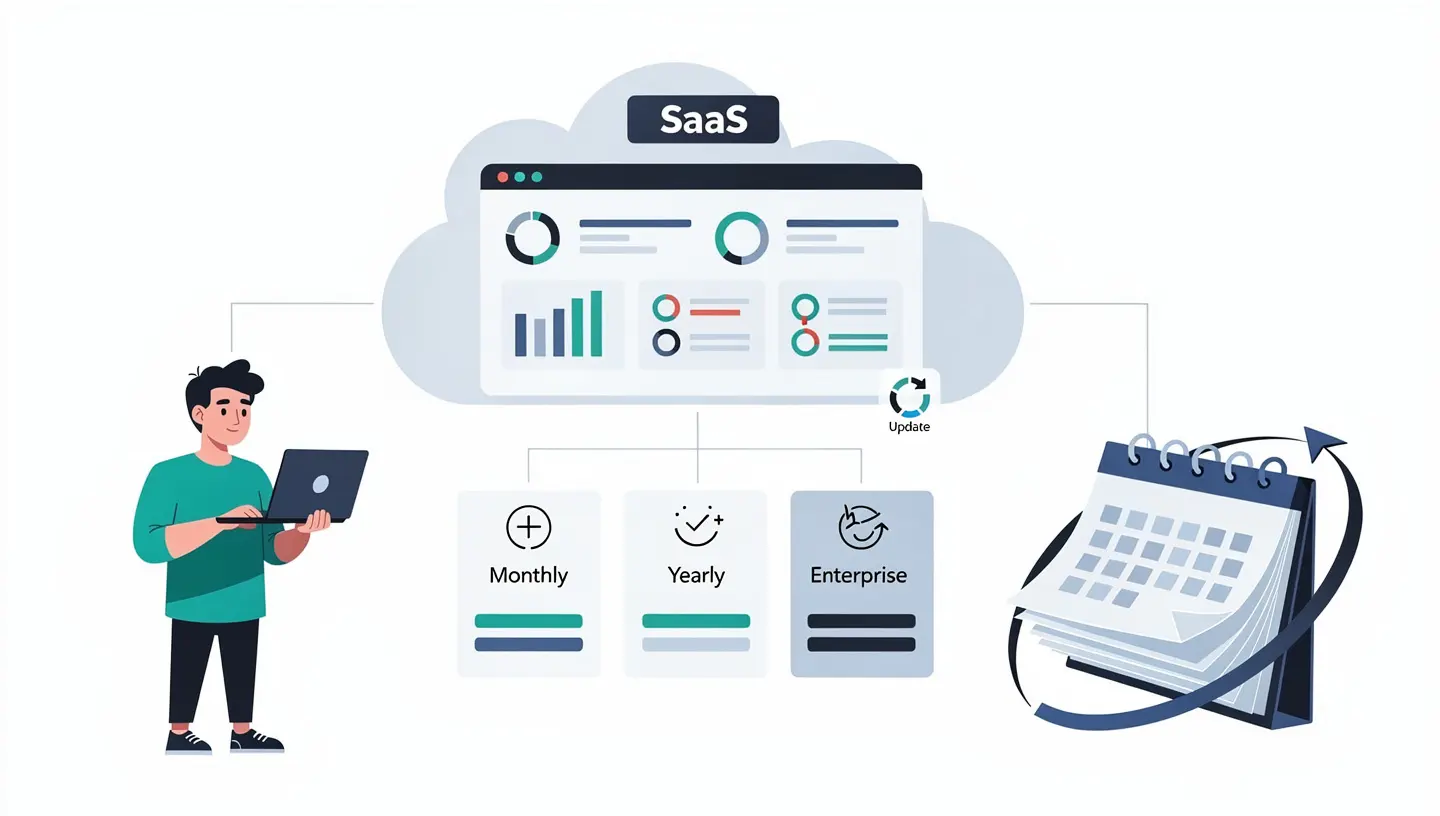
SaaS sells software on a monthly or yearly subscription. Customers keep access as long as they pay, which gives you recurring revenue. It needs technical skill or a developer, and updates never stop.
Founders in the Gulf can read how to start a SaaS business in Dubai.
| Detail | Info |
|---|---|
| Startup Cost | High, depends on development |
| Time to First Income | Months to build |
| Skill Level | High |
| How You Earn | Subscription fee per user |
| Best For | Technical founders or teams with a developer |
| Examples | Slack, Zoom, Canva |
Pros
- Recurring revenue
- Easy to grow once built
- Buyers value steady subscription income
Cons
- Needs technical skill and money for development
- Constant updates and support
- Long wait before income
20. Online Marketplace or Directory
A marketplace connects buyers and sellers on a platform you own, and you earn a commission on each deal. A niche directory lists businesses in one area and earns from ads and premium listings.
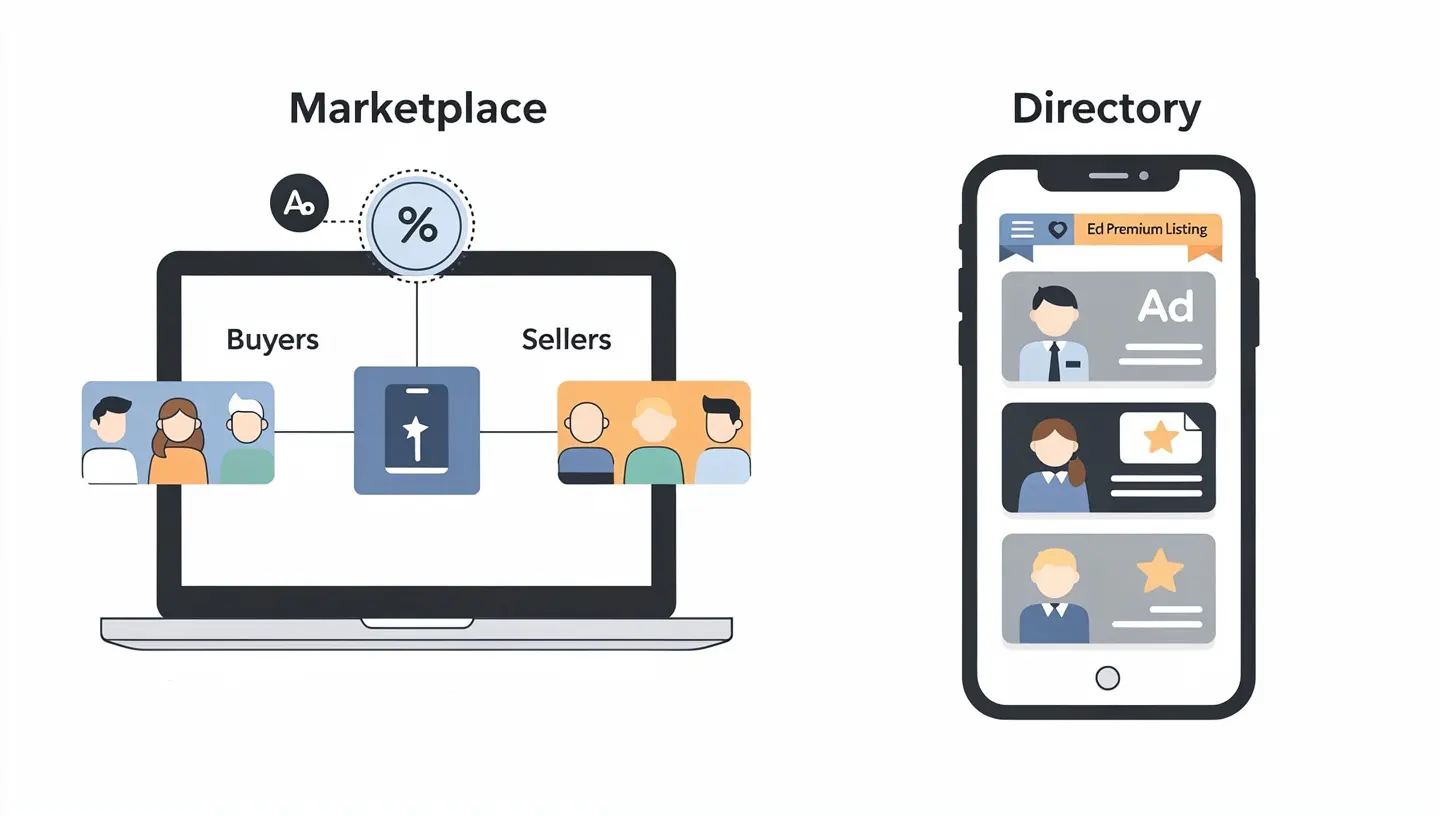
Both need a big audience before they pay, so start with a narrow niche.
| Detail | Info |
|---|---|
| Startup Cost | Varies with the platform you build |
| Time to First Income | Slow, needs buyers and sellers first |
| Skill Level | High |
| How You Earn | Commission or paid listings |
| Best For | People ready to build and run a platform |
| Examples | Airbnb, TripAdvisor, Thumbtack |
Pros
- Commission on every deal
- Can grow fast once both sides join
- Hands-off once it runs
Cons
- Needs both buyers and sellers
- Complex to build
- Slow start
Types of Online Business by Buyer: B2C, B2B, C2C and D2C
You can also group the types of ecommerce by who buys. These are the main models and an example of each.
- B2C (business to consumer): a business sells to individual customers. It is the most common model, and an online store is a typical example.
- D2C (direct to consumer): a brand sells through its own channel and keeps the customer data, without retailers in between.
- B2B (business to business): one company sells to another, with bigger orders, negotiated prices and a longer sales cycle.
- C2C (consumer to consumer): individuals trade through a platform such as eBay or Facebook Marketplace.
- C2B (consumer to business): an individual sells a service to a business, such as a freelancer on Upwork.
- B2G (business to government): a company sells to a government agency, usually through a bidding process.
- B2B2C: a company sells to a business that then delivers the product or service to consumers.
Most growing businesses use more than one of these, such as a D2C store plus a B2B wholesale channel. These are the main ecommerce business models you will see in other guides.
How B2C, D2C and B2B Differ
B2C and D2C both sell to individual customers. The difference is the channel. B2C can use retailers and marketplaces, while D2C means the brand sells directly through its own site and keeps the customer data. B2B sells to other companies, so orders are larger, prices are often negotiated and the sales cycle is longer.
| Model | Who Buys | Order Size | Sales Cycle | Pricing |
|---|---|---|---|---|
| B2C | Individual customers | Small | Short | Public prices |
| D2C | Individual customers, direct from the brand | Small | Short | Set by the brand |
| B2B | Other businesses | Larger | Longer | Often negotiated or tiered |
Types of Online Business by Revenue Model
The online business models below describe how the money comes in. Knowing this helps you plan cash flow, because a subscription pays every month and a product sale pays once.
| Revenue Model | How It Works | Types That Use It |
|---|---|---|
| Product sale | You earn the margin on each item sold | Online store, dropshipping, print-on-demand, marketplace selling |
| Hourly or project fee | You get paid for the work you do | Freelancing, virtual assistant, consulting, agency |
| Subscription | Customers pay every month or year | Subscription box, membership site, SaaS |
| Commission | You earn a cut of each sale or deal | Affiliate marketing, marketplace or directory |
| Ads and sponsors | Advertisers pay for your audience | Blogging and content creation |
| Download sale | You sell a file again and again | Online courses, digital products |
Subscription Models Explained
Subscriptions are one of the most popular online business models, because they turn one sale into regular income. They come in three main forms.
- Curation: you pick a mix of items each month, such as a beauty or snack box.
- Replenishment: you deliver everyday items on a schedule, such as coffee, razors or pet food.
- Access: customers pay for content, tools or perks, such as a membership site, a streaming service or software.
Customers leave fast when a plan is hard to understand, so keep pricing and cancellation simple.
Types of Online Business Compared
Here is a quick comparison of all 20 types by cost, speed and skill. Use it to narrow the list before you read the reviews again.
| Type | Startup Cost | Time to First Income | Skill Level |
|---|---|---|---|
| Online Store | From a few hundred dollars for a small niche store to $5,000 to $25,000+ for private label | 1 to 3 months | Medium |
| Dropshipping | Under $1,000 | 1 to 3 months | Medium |
| Print-on-Demand | $100 to $700 | 1 to 3 months | Medium |
| Marketplace Selling on Amazon, Etsy and eBay | Varies by stock and platform fees | A few weeks once listings are live | Low to medium |
| Social Commerce and Live Selling | Low if you already have a product, plus stock | A few weeks if you have followers | Medium |
| Freelancing | $50 to $1,400 | 2 to 6 weeks | Medium |
| Virtual Assistant | $200 to $1,500 | 2 to 4 weeks | Low |
| Consulting and Coaching | $50 to $1,200 | 1 to 2 months | High |
| Digital Marketing Agency | $100 to $1,500 | 2 to 4 weeks | Medium |
| Lead Generation | Low to medium, mostly website and ad costs | 1 to 3 months | Medium to high |
| Online Courses | $100 to $1,500 | 1 to 3 months | High |
| Digital Products and Templates | $0 to $500 | 2 to 6 weeks | Medium |
| Blogging and Content Creation | $50 to $800 | 6 to 18 months | High |
| Influencer and Video Creator | $100 to $1,000 for basic gear | 6 to 18 months | Medium |
| Affiliate Marketing | Low or free | 6 months to 2 years for steady income | Medium |
| Subscription Box | $1,500 to $4,000 | 1 to 3 months | High |
| Membership Site | Varies with your content and platform | Varies, usually a few months | Medium |
| App and Software Products | Low with no-code tools, high with a developer | Months to build | High |
| Software as a Service (SaaS) | High, depends on development | Months to build | High |
| Online Marketplace or Directory | Varies with the platform you build | Slow, needs buyers and sellers first | High |
Advantages and Disadvantages of an Online Business
Every type has its own pros and cons, but online businesses share some strengths and weaknesses.
Advantages
- Lower startup cost than a physical shop
- Reach buyers anywhere
- Flexible hours and location
- Easy to test and change an offer
- Customer data helps you improve
- Growth without a lease or a bigger shop
Disadvantages
- Heavy competition
- Customers cannot see or touch the product, so trust takes longer
- Dependence on platforms and search or social algorithms
- Shipping, returns and fraud
- Tech problems can stop sales
- You must keep marketing to stay visible
How to Choose the Right Type of Online Business
The best type of online business depends on your skills, budget and free time. Six questions help you pick among the online business models in this guide.
Match Your Skills and Interests
If you write well, freelancing or blogging is a natural fit. If you are good with numbers or software, consider a bookkeeping service or SaaS. Pick something you can keep doing for at least a year, since most of these businesses take months to pay.
Know Who Your Customer Is
Decide if you sell to consumers or to businesses. Consumers buy fast and in small orders, while businesses buy less often but spend more. Your customer also decides where you sell: on social media, on a marketplace, through search or by direct outreach.
Check Your Budget
Services, digital products and affiliate marketing can start with a low startup cost, often under $1,500. Stores, subscription boxes and SaaS need more money for stock or development. If money is tight, read our guide to online business without investment first.
Decide How Much Time You Have
A service can pay within weeks, while blogs, affiliate sites and courses take months. If you need income soon, start with a service. If you can wait, a content or product business may grow bigger.
Think About Growth
Services trade time for money, so income stops when you stop. Subscriptions, software and digital products can grow without more hours. Many owners start with a service and add a recurring product later.
Test Demand Before You Spend
Ask a few people to pay for your offer, run a pre-sale or post in a niche group. If nobody wants it, change the offer before you build a store, a course or an app.
Best Types of Online Businesses for Beginners
These are the easiest online business ideas for beginners, because they cost little and you can learn them as you go.
- Freelancing: cheap to start and you learn by doing. Teens can start too, see how to start an online business under 18.
- Virtual assistant: needs no formal training, and many tasks are easy to learn.
- Affiliate marketing: needs no product, but needs patience to build an audience.
- Print-on-demand: no stock and no shipping to handle.
- Digital products: low cost, and one file can sell many times.
Quick Picks by Goal
If you do not want to read all 20 reviews, start with one of these picks.
- Lowest startup cost: freelancing, digital products, affiliate marketing and blogging.
- Fastest to first income: freelancing, virtual assistant and digital marketing agency, all within 2 to 4 weeks.
- Best for passive income: online courses, digital products and affiliate marketing.
- Best for recurring revenue: subscription box, membership site and SaaS.
- Most profitable at scale: SaaS, marketplaces and consulting, but they need skill, time or money first.
- Best with a small budget: see our list of business ideas under 5k for more options.
Can You Run More Than One Type of Online Business?
Yes, and most owners do, because many online business models can be combined. A blogger adds affiliate links and a course. A freelancer adds digital products. A store owner sells on Amazon and on their own site. This is called a hybrid model. Start with one type, get it paying, and then add a second one that uses the same audience or skill.
Emerging Online Business Trends for 2026
Recent guides point to a few trends that are opening new niches for small owners.
- Social commerce and live selling: buying inside TikTok, Instagram and Facebook keeps growing, as covered above.
- AI-based services: prompt writing, workflow setup and AI-assisted content are new niches for freelancers and consultants.
- Subscriptions and memberships: more creators and experts move to recurring plans.
- Niche digital products: templates, planners and printables for narrow audiences.
- Creator-led brands: creators who launch their own product lines for their audience.
Trends change quickly, so test a small version before you commit money.
How to Start an Online Business in 6 Steps
Once you pick a type, the steps are mostly the same. Do them in this order so you do not spend money before you have your first customers.
Step 1: Pick a Type and a Niche
Choose one type from this guide and one narrow audience. A narrow niche is easier to reach and easier to rank for than a broad one.
Step 2: Validate Before You Spend
Ask three to five people to pay for your offer at a discount. A landing page or a post in a niche group works too. If nobody pays, change the offer.
Step 3: Register Your Business
Most people start as a sole proprietor, which is the fastest option. An LLC costs from about $50 to $500 depending on the state and keeps your savings apart from business debt. The SBA business guide explains the options.
Step 4: Build Your Website or Store
Use a simple builder such as Shopify, Wix or WordPress, depending on what you sell. Add a clear offer, a contact option and a logo. If you need a quick logo, see our guide to AI tools for 3D logo.
Step 5: Set Up Payments
Connect Stripe, PayPal or Square so customers can pay you. Open a separate business bank account so your taxes stay clean.
Step 6: Get Your First Customers
Tell your network, post in niche groups, pitch on freelance platforms and ask early buyers for reviews. Free methods like content, referrals and local groups work for most online businesses, and your first customers often come from your own network.
Strategies for Success
These habits help new owners in almost every type of online business.
- Start small and test: launch the simplest version and see if anyone pays.
- Study competitors: check what they charge, how they sell and what customers complain about.
- Invest in marketing: even a good product needs a steady flow of visitors.
- Stay flexible: change the offer, price or niche when your numbers say so.
- Focus on repeat customers: keeping a customer costs less than finding a new one.
- Track your numbers: sales, costs and what it costs to win each customer.
Legal, Tax and Payment Basics
The rules depend on your country and on the type of business, so check them before you launch. These are the usual items to look up.
- A business license or registration with your city, county or state.
- An EIN from the IRS if you hire help or open a business bank account in the US.
- A sales tax permit if you sell physical products.
- A privacy policy and terms on your site, especially if you collect emails.
- Payment processor fees, which take a cut of each sale.
- Platform rules if you sell on Amazon, Etsy or eBay.
Outside the US the steps are different. For one example, see how to start an online business in Ireland.
Common Mistakes to Avoid
Most new owners lose time and money on the same few mistakes.
- Picking a type because it sounds popular instead of one that fits your skills.
- Building before testing demand, then finding that nobody wants the product.
- Spending too much on a website or tools before the first sale.
- Relying on one platform or one client for most of your income.
- Ignoring marketing, since good products do not sell themselves.
- Mixing personal and business money, which makes taxes harder.
- Quitting a job too early before the business pays your bills.
Tools for Running an Online Business
You do not need many tools. Most have a free plan.
- Website or store: Shopify, Wix or WordPress.
- Payments: Stripe, PayPal or Square.
- Design: Canva for logos, posts and simple graphics.
- Finding clients: Upwork, Fiverr and LinkedIn.
- Email list: Mailchimp or a similar tool.
- Courses and downloads: Teachable, Udemy, Kajabi or Gumroad.
- Stats: Google Analytics.
How We Picked These Types of Online Businesses
We compared published guides on types of online business and ecommerce models and chose the types that appeared in most of them. We looked at startup cost, time to first income, skill needed and how each type earns. Costs are in US dollars and come from those guides, so they vary by platform and country. If you start outside the US, see our guide to online business ideas in Kenya for a local example. Prices were last checked in October 2026.
Frequently Asked Questions
What Are the Main Types of Online Business?
The main types are product-based (online stores, dropshipping), service-based (freelancing, consulting), digital and content (courses, blogs, affiliate marketing) and subscription or platform models (memberships, SaaS, marketplaces). You can also group them by buyer, such as B2C and B2B.
What Is the Best Type of Online Business to Start?
Freelancing and virtual assistant work are the best starting points for most people, because they cost little and pay within weeks. If you can wait longer, digital products and affiliate marketing can grow without more hours.
What Is the Most Profitable Type of Online Business?
SaaS, marketplaces and consulting have the highest profit potential, but they need skill, time or money first. Profit depends more on your niche and your marketing than on the type you pick.
What Is the Easiest Online Business to Start?
Affiliate marketing is often called the easiest, since you need no product, stock or large budget. It is slow to pay, though. Freelancing and virtual assistant work are easier to turn into income fast.
What Is the Most Common Type of Online Business?
Ecommerce is the most common, and within it, B2C stores that sell directly to consumers. That includes online stores, marketplace shops and dropshipping.
What Is the Difference Between an Online Business and an Ecommerce Business?
Ecommerce is the buying and selling of goods and services online, so it is one type of online business. Freelancing, blogging and SaaS are online businesses that do not sell goods through a store.
What Are the 7 Major Types of Ecommerce?
B2C, D2C, B2B, C2C, subscription, social commerce and marketplace selling. Some lists also add B2G, C2B and B2B2C. Most growing businesses use more than one.
What Is the Difference Between B2B and D2C?
B2B sells from one business to another, with bigger orders and negotiated prices. D2C sells from a brand straight to the end customer through its own channel, with public prices and a short checkout.
Can I Run Multiple Types of Online Business at Once?
Yes. Many owners combine, for example, a blog with affiliate links and a course, or a store with a marketplace shop. Start with one type, get it paying and then add another.
How Much Money Do I Need to Start an Online Business?
Services, digital products and affiliate marketing can start for under $1,500, often much less. Stores, subscription boxes and SaaS need more money for stock or development.
Which Types of Online Business Have Recurring Revenue?
Subscription boxes, membership sites and SaaS earn every month. Consulting retainers and agency contracts also repeat. Product sales and course sales pay once per customer.
Do I Need a Website for Every Type of Online Business?
Not always. Freelancers can use Upwork or LinkedIn, and sellers can use Amazon or Etsy. A website still helps you build trust and own your customer list, so most owners add one soon.
What Is Social Commerce?
Social commerce is selling products inside social apps such as TikTok, Instagram and Facebook, so buyers can check out without leaving the app. It often includes live selling, where a seller shows products on video and takes orders in real time.
How Do Online Businesses Make Money?
They earn from product sales, service fees, subscriptions, commissions, advertising or downloads. Most owners mix more than one. A store earns on each sale, while a membership site earns every month.
Is an Online Business Better Than a Physical Business?
Online businesses cost less to start and reach more buyers, but they face more competition and depend on platforms. A physical business gets local trust and walk-in traffic, but needs rent and a fixed location. Many owners run both.
How Long Does It Take for an Online Business to Make Money?
Services can pay within 2 to 4 weeks. Stores, courses and subscription boxes often take 1 to 3 months. Blogs, affiliate sites and channels can take 6 to 18 months or longer, so plan your cash for that gap.
Can I Start an Online Business With No Money?
Yes, with a service or a digital product. Freelancing, virtual assistant work and affiliate marketing need little more than a laptop and an internet connection. You pay in time instead of money, so expect to spend weeks finding your first client.
Which Ecommerce Type Is Best for Beginners?
Print-on-demand and dropshipping are the easiest, because you hold no stock. Marketplace selling on Etsy or Amazon gives you a ready audience. Start with one of these before you build your own store.
Final Thoughts
There is no single best type of online business, only the one that fits your skills, budget and time. Start with a service or a digital product if money is tight, and add a subscription, a store or software once you have income. Pick one of the types of online business in this guide, test it with real buyers and grow from there. The online business models that work are the ones you keep building.