Finding business ideas in Houston is not hard. Picking one that fits your savings, your skills and your free hours is the real work. This guide lists 45 small business ideas in Houston, sorted by budget and type, with start-up costs in USD, so you can match an option to the money and time you actually have.
Each of the 33 main ideas works like a short review: a plain description, a table with cost, timing and permits, and a list of pros and cons. Twelve more ideas sit in a quick list. Most of these Houston business ideas can start from home or from a truck with a few tools, and a few, such as a food truck or home health care, need real capital and a license. Costs are rough estimates and change with your tools, truck and permits, so confirm them before you spend money.
After the ideas you will find the Texas steps to register a business, the permits that apply to common jobs, free help in Houston and a simple way to test an idea with real customers. That test matters more than the idea itself.
Best Business Ideas in Houston at a Glance
Here are eight business ideas in Houston with little money. The full list of 45 follows in the sections below.
- Virtual assistant services – Admin help for small firms in energy, health and real estate
- Bilingual tutoring – English and Spanish lessons and test prep for students
- AC repair and maintenance – Steady demand in a city with long, hot summers
- Lawn care – Weekly contracts in a long growing season
- Food truck – Mobile food under the new statewide license
- Bookkeeping – Monthly work for small firms and contractors
- Mobile car detailing – Service at home or at work in a city built around cars
- Last-mile delivery – Local deliveries across a very wide metro area
Why Houston Is a Good Place to Start a Business
Houston is the largest city in Texas, and the metro area has more than 7 million people. That gives a new owner a very large pool of customers, from homeowners in the suburbs to companies in energy, health care, shipping and aerospace.
- No state personal income tax: Texas does not tax personal income, so a sole owner keeps more of each dollar earned.
- Large industries nearby: the Texas Medical Center, the Port of Houston, NASA Johnson Space Center and the energy sector create demand for services, supplies and support.
- A mixed, bilingual population: many customers speak Spanish, which opens room for bilingual services.
- Homes and cars everywhere: a wide metro area means constant demand for home services, delivery and car care.
- Weather creates work: heat, humidity, storms and flooding bring steady jobs in AC, cleanup, roofing and landscaping.
The trade-off is distance. Houston is spread out, so travel time and fuel cost matter for any mobile service. Pick one or two areas, such as Katy, Sugar Land, The Woodlands or the Galleria, and build your first customers there.
What It Costs to Register a Business in Houston at a Glance
The government fees for your Houston business are small compared with equipment and insurance. These are the main fixed costs for a new business in Houston:
- LLC filing: $300 one time, filed with the Texas Secretary of State (Form 205).
- EIN: free from the IRS.
- Sales tax permit: free from the Texas Comptroller, if you sell taxable goods or services.
- Houston sales tax rate: 8.25%.
- Franchise tax: no tax due if annualized revenue is at or below $2.65 million for 2026 and 2027 reports, but the report is still due.
- Assumed name certificate (DBA): filed with the Harris County Clerk, and the fee depends on the current schedule.
- Mobile food vendor license: issued by DSHS, and the fee depends on the current schedule.
- Cottage food: no state or local license for allowed foods.
- Insurance: the price depends on your business, so ask for quotes.
Big Industries in Houston and the Services They Need
Large employers need many small suppliers, and many business ideas in Houston grow from that need, so a new owner can find steady customers. Here are the main industries and the work they create:
- Energy: consulting, inspection, safety training, equipment support and administration.
- Health care: home health, medical billing, supplies, transport and cleaning around the Texas Medical Center.
- Port and shipping: packaging, crating, freight support, warehousing and customs help around the Port of Houston.
- Aerospace and technology: engineering support, IT services, training and design work linked to NASA and local firms.
- Homes and construction: repair, cleaning, landscaping, painting and AC service for a very large housing market.
- Food and hospitality: catering, events, specialty food and supplies for restaurants.
Large customers pay more but take longer to sign, so many owners start with small local clients and add bigger accounts over time.
Where to Start in Houston
Houston is spread out, so pick one area first and build a name there. Most Houston business ideas work best when you serve one part of the city well. These groups are starting points, not rules:
- Suburbs with many families: Katy, Sugar Land, Pearland, Cypress and The Woodlands suit home services, tutoring, pet care, cleaning and delivery.
- Business and shopping districts: Downtown, Midtown and the Galleria suit office services, catering, photography and IT support.
- Inner neighborhoods with restaurants and events: the Heights and EaDo suit food trucks, event planning and custom goods.
- Industrial areas near the port: East Houston, Pasadena and Baytown suit packaging, delivery and industrial support.
How to Choose the Right Business Idea in Houston
There is no single best business to start in Houston, so match your situation to a budget, then test two or three ideas from that group. If you want to compare with another big city, read these business ideas in Dubai.
- Working full time, short on hours: tutoring, virtual assistant work, bookkeeping
- Strong skill, little cash: social media management, freelance writing, cleaning
- Have a truck or a van: lawn care, pressure washing, delivery, mobile detailing
- Handy with tools: AC repair, handyman work, pool service
- Good cook: cottage food, catering, food truck
- Speak English and Spanish: tutoring, translation, home services, event planning
- Want to sell online: online store, digital marketing, photography
Rank your shortlist by how fast you could reach a first paying customer. The quickest path usually wins, because early income gives you proof and pays for the next step.
Business Ideas in Houston With Little Money
You do not need big savings to test business ideas in Houston with little money. The seven options below can start with under about $2,000, and several need only a laptop and your skills. Many also work as a side hustle in Houston next to a job, and each of these small business ideas in Houston can be tested in a month. For more options under a tight budget, see these business ideas under 5k.
1. Virtual Assistant Services
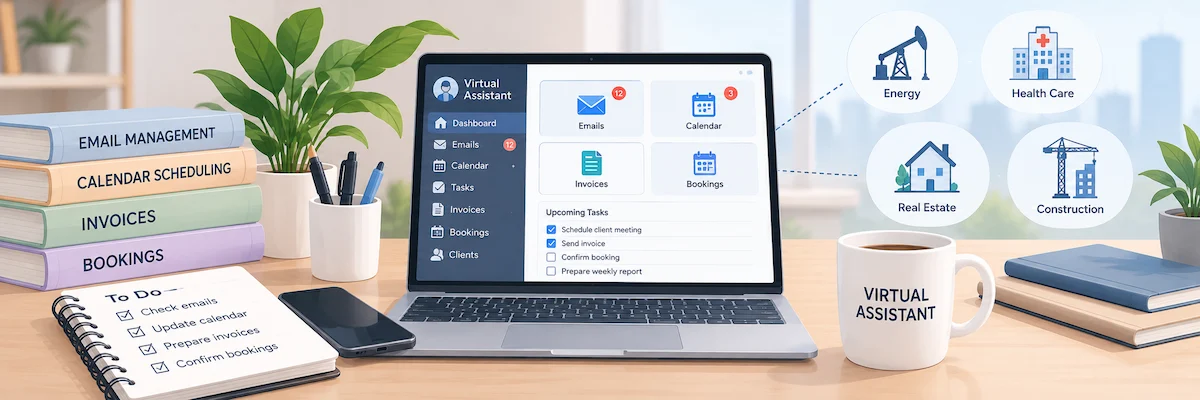
Houston firms in energy, health care, real estate and construction need someone to handle email, calendars, invoices and bookings. You work for an hourly rate or a monthly retainer and take on two or three clients at first. Post three sample tasks on LinkedIn and ask your network for an introduction. The main downside is that income can swing from month to month while you build a client list.
| Detail | Estimate |
|---|---|
| Typical start-up cost | Under $300 |
| Time to first customer | 1 to 3 weeks |
| Income model | Hourly rate or monthly retainer |
| Permit check | No state license |
| Best for | Organized people with office experience |
Pros
- No stock and no rent
- Works from home
- Clients across Houston and abroad
- Skills carry over from many office jobs
Cons
- Many freelancers compete on price
- Income is uneven early on
2. Freelance Writing and English-Spanish Translation
Houston has a large Spanish-speaking population, and companies need clear English and Spanish text for websites, flyers, product labels and customer emails. If you write well in both languages, you can sell web copy, blog posts, product descriptions and translations. A live translation tool can help check terms, and these AI tools for live translation show what is available. Always review the final text yourself before you send it.

| Detail | Estimate |
|---|---|
| Typical start-up cost | Near zero (laptop and internet) |
| Time to first customer | 1 to 3 weeks |
| Income model | Per word, per project or monthly retainer |
| Permit check | No state license (certified translation has its own rules) |
| Best for | Bilingual writers with a clear niche |
Pros
- No stock and no rent
- Steady demand from local firms
- Works fully from home
- A niche such as legal or medical raises your rates
Cons
- Many freelancers compete on price
- Official documents may need certified skills
3. Bilingual Tutoring and Test Prep
Parents and students pay for help with math, reading, science, the STAAR test and the SAT. A tutor who teaches in English and Spanish reaches families that larger centers miss. Start with two or three students you already know, charge by the hour and send a short progress note every week. If you are still in school yourself, see these business ideas for students. Group lessons and online classes let you earn more from the same hours.

| Detail | Estimate |
|---|---|
| Typical start-up cost | Near zero to $200 |
| Time to first customer | 1 to 2 weeks |
| Income model | Hourly rates or group fees |
| Permit check | No state license for private tutoring |
| Best for | Teachers, graduates and subject experts |
Pros
- Almost free to start
- Steady demand during the school year
- Can be taught online or at home
- Group lessons raise hourly income
Cons
- Income is tied to hours worked
- Demand rises and falls with the school calendar
4. Social Media Management
Houston restaurants, salons, contractors and clinics need help with Instagram, Facebook and TikTok but cannot pay an agency. You plan the posts, write the captions, schedule them and report the results. Offer a monthly package with a set number of posts, and make sample posts for two local businesses as a free preview. Expect slow results in the first month, so set that expectation with the client.

| Detail | Estimate |
|---|---|
| Typical start-up cost | Under $200 |
| Time to first customer | 2 to 4 weeks |
| Income model | Monthly package per client |
| Permit check | No state license |
| Best for | People who know the social platforms well |
Pros
- Very low start-up cost
- Local businesses need the help
- Templates can be reused across clients
- Monthly fees give predictable income
Cons
- Results take weeks to appear
- Clients may leave if growth is slow
5. Pet Sitting and Dog Walking
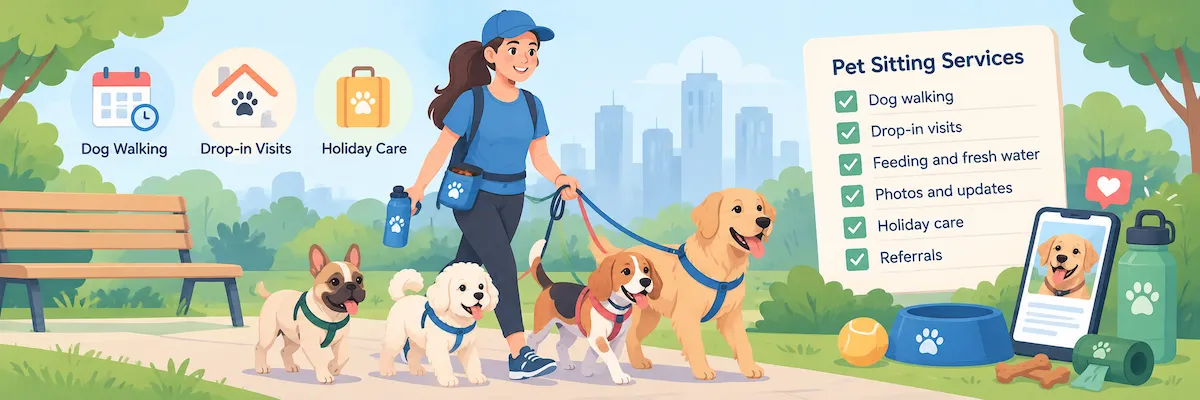
People in apartments and busy households pay for walks, drop-in visits and holiday care. Houston heat limits midday walks, so offer early morning and evening slots, and always carry water. You can start nearly free with neighbors and friends. Send photos and updates to build trust, and ask for referrals. Check insurance, because you are responsible for the animals in your care.
| Detail | Estimate |
|---|---|
| Typical start-up cost | Under $200 |
| Time to first customer | 1 to 2 weeks |
| Income model | Per walk, per visit or per day |
| Permit check | Check city rules for commercial pet services |
| Best for | Animal lovers with flexible hours |
Pros
- Almost no start-up cost
- Regular clients bring recurring income
- Referrals do most of the selling
- Flexible hours
Cons
- Heat limits walking hours
- You carry responsibility for the animals
6. Home and Office Cleaning
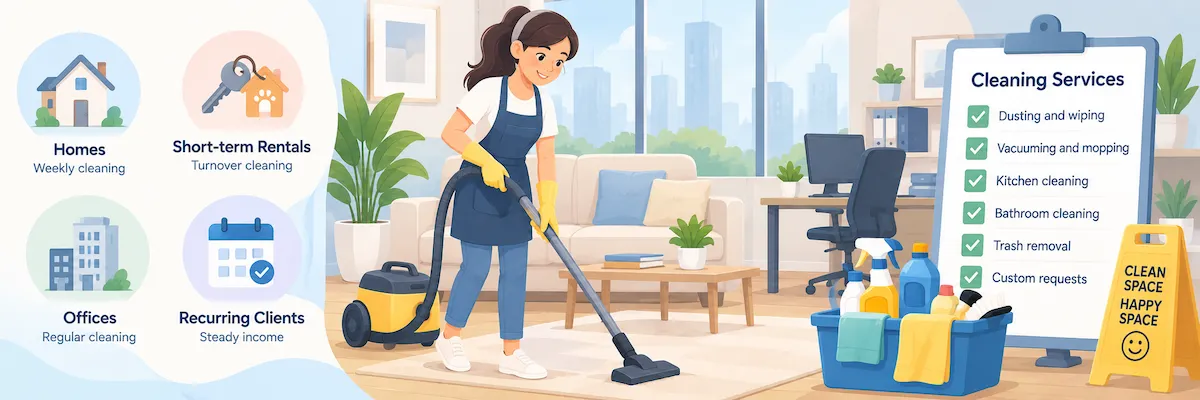
Busy Houston families, short-term rental hosts and small offices pay for weekly cleaning. Basic supplies and a reliable car are enough to start. Offer a fixed weekly package and ask each client about allergies and preferences. Regular clients mean regular income, and you can hire helpers once your calendar fills up. If you hire staff, check the payroll and tax rules first.
| Detail | Estimate |
|---|---|
| Typical start-up cost | $300 to $1,500 |
| Time to first customer | 1 to 2 weeks |
| Income model | Hourly rate or weekly package |
| Permit check | No state license |
| Best for | Reliable, hard-working people |
Pros
- Low start-up cost
- Regular clients bring recurring income
- Easy to grow by hiring helpers
- Word of mouth does most of the selling
Cons
- Physically demanding work
- Hiring staff adds rules and costs
7. Mobile Car Detailing
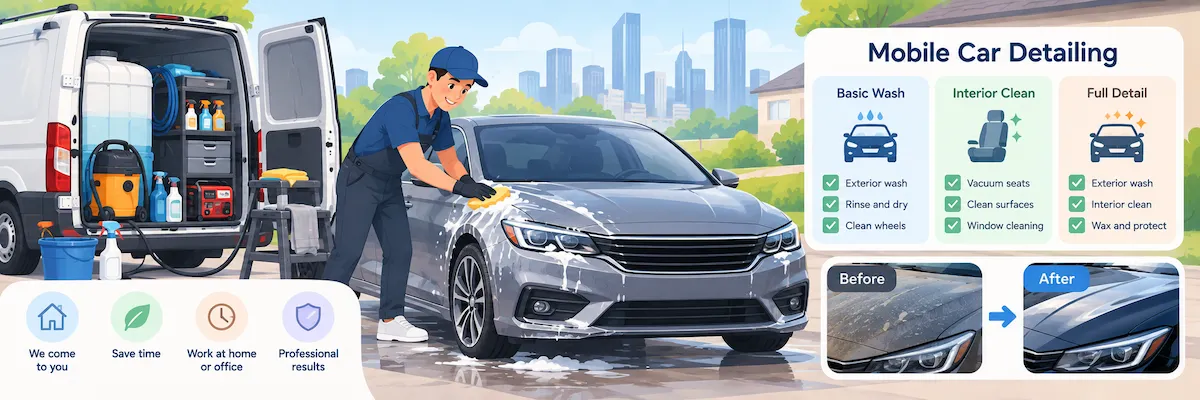
Houston is a city of cars, and many people have no time to visit a shop. A mobile detailer comes to the home or the office with a water tank, a vacuum and a power supply. Offer three packages, such as a wash, an interior clean and a full detail, and post before-and-after photos. Sun and heat can dry soap too fast, so work in shade or early in the day.
| Detail | Estimate |
|---|---|
| Typical start-up cost | $1,000 to $5,000 |
| Time to first customer | 1 to 3 weeks |
| Income model | Per package, plus monthly plans |
| Permit check | No state license |
| Best for | People with a vehicle and an eye for detail |
Pros
- No shop rent
- Referrals bring new customers fast
- Packages raise the price per job
- Flexible hours
Cons
- Heat and rain can cancel jobs
- Needs a water and power plan for each site
8. Graphic Design
Houston shops, restaurants, churches, contractors and event planners need logos, menus, flyers, signs and social posts. Start with free design tools, build a portfolio of five pieces and offer simple packages, such as a logo, two social templates and a business card. Bilingual designs in English and Spanish reach more local customers. For more ideas that need no money to start, see these online business ideas without investment.

| Detail | Estimate |
|---|---|
| Typical start-up cost | Under $500 |
| Time to first customer | 1 to 2 weeks |
| Income model | Per project or monthly package |
| Permit check | No state license |
| Best for | Creative people who like branding |
Pros
- Very low start-up cost
- Every business needs design work
- Packages are easy to explain and sell
- Bilingual work raises your value
Cons
- Many freelancers compete on price
- Clients often ask for several rounds of changes
Home Service Business Ideas in Houston
Heat, humidity, storms and a huge number of homes keep these small business ideas in Houston busy all year. Most of them need a truck and a few tools, and some need a license, so check the rules before you take a paid job. These are also strong home-based business ideas in Houston if you run the office from your house.
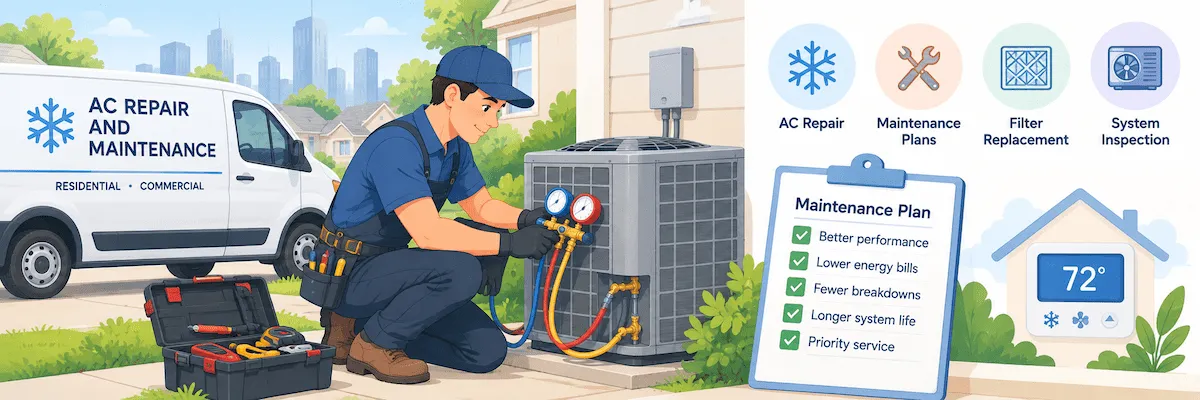
9. AC Repair and Maintenance
In a city with long, hot summers, a broken air conditioner is an emergency, and homeowners pay well for fast service. Texas requires a license from the Texas Department of Licensing and Regulation (TDLR) for air conditioning work done for pay, so most people start as an employee or apprentice, gain experience and then open their own company. Offer maintenance plans before summer starts, because they bring steady income when calls are slow.
| Detail | Estimate |
|---|---|
| Typical start-up cost | $5,000 to $30,000 (truck, tools and license costs) |
| Time to first customer | 2 to 6 months |
| Income model | Per service call, plus yearly maintenance plans |
| Permit check | TDLR license required, check before you start |
| Best for | Trained technicians with field experience |
Pros
- Demand is strong in the heat
- Maintenance plans bring recurring income
- Customers pay for fast response
- Skills can grow into installation
Cons
- License and training take time
- Peak season is hard on hours and health
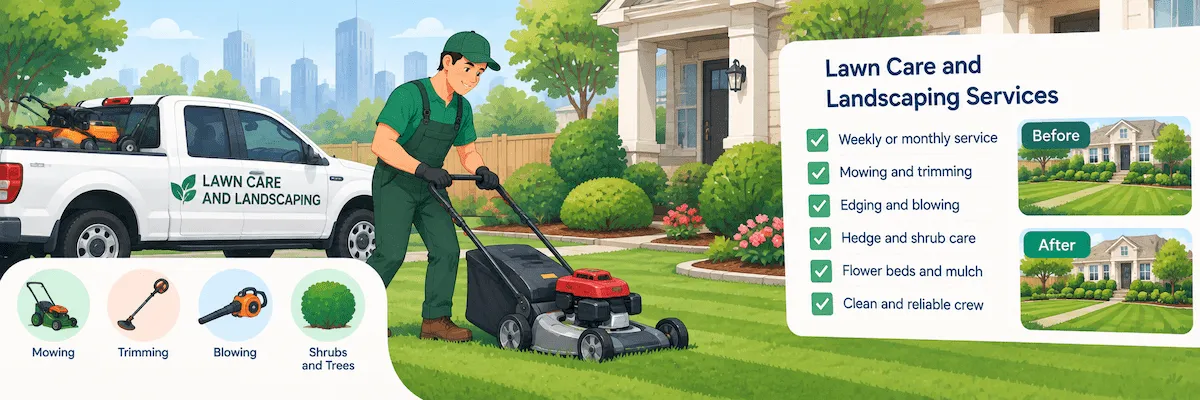
10. Lawn Care and Landscaping
Grass, trees and shrubs grow for much of the year in Houston, so lawn care is almost year-round. Start with neighbors, then offer weekly or monthly contracts. A mower, a trimmer, a blower and transport are the main costs. Clear pricing, neat work and the same crew each week build a name quickly, and recurring contracts make your income easier to predict.
| Detail | Estimate |
|---|---|
| Typical start-up cost | $2,000 to $15,000 |
| Time to first customer | 1 to 3 weeks |
| Income model | Weekly or monthly contracts |
| Permit check | No general license (chemicals and pesticides have their own rules) |
| Best for | Hard workers with basic tools |
Pros
- Recurring contracts
- Easy to start with neighbors
- Equipment lasts for years
- Homes and businesses both need it
Cons
- Physically demanding
- Heat, rain and equipment repairs slow the schedule
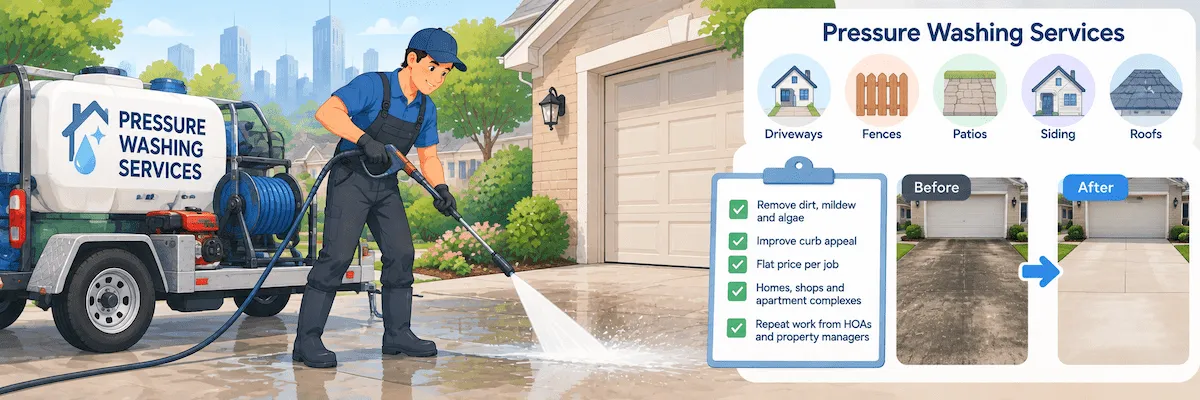
11. Pressure Washing
Driveways, fences, patios, siding and roofs collect dirt, mildew and algae in the Houston climate. A pressure washer, a surface cleaner and a trailer let you clean homes, shops and apartment complexes. Offer before-and-after photos and a flat price per job. Ask homeowner associations and property managers for repeat work, because they hire for many properties at once.
| Detail | Estimate |
|---|---|
| Typical start-up cost | $2,000 to $10,000 |
| Time to first customer | 1 to 3 weeks |
| Income model | Per job or per square foot |
| Permit check | No general license |
| Best for | People with a truck and a trailer |
Pros
- Low-cost equipment
- Photos prove the result
- Property managers bring repeat jobs
- Easy to add gutter or window cleaning
Cons
- Needs water access at each site
- Weather can cancel jobs
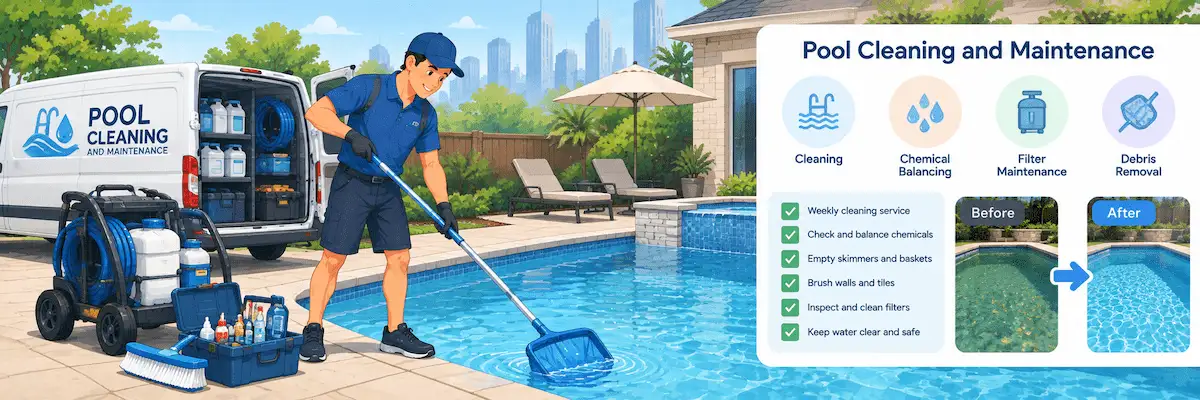
12. Pool Cleaning and Maintenance
Many Houston homes have pools, and owners pay for weekly cleaning and chemical checks. Learn water chemistry, buy basic gear and start with a small route of nearby homes. Weekly visits give you recurring income and a route you can fill street by street. Chemicals need safe storage and handling, so read the rules and get training before you start.
| Detail | Estimate |
|---|---|
| Typical start-up cost | $2,000 to $10,000 |
| Time to first customer | 2 to 6 weeks |
| Income model | Monthly service plans |
| Permit check | Check training and chemical handling rules |
| Best for | Detail-oriented people who like outdoor work |
Pros
- Recurring monthly income
- Compact routes keep drive time low
- Add-ons such as repairs raise income
- Referrals travel fast between neighbors
Cons
- Chemicals need safe handling
- Summer is busy and winter is slower
13. Handyman and Small Repairs
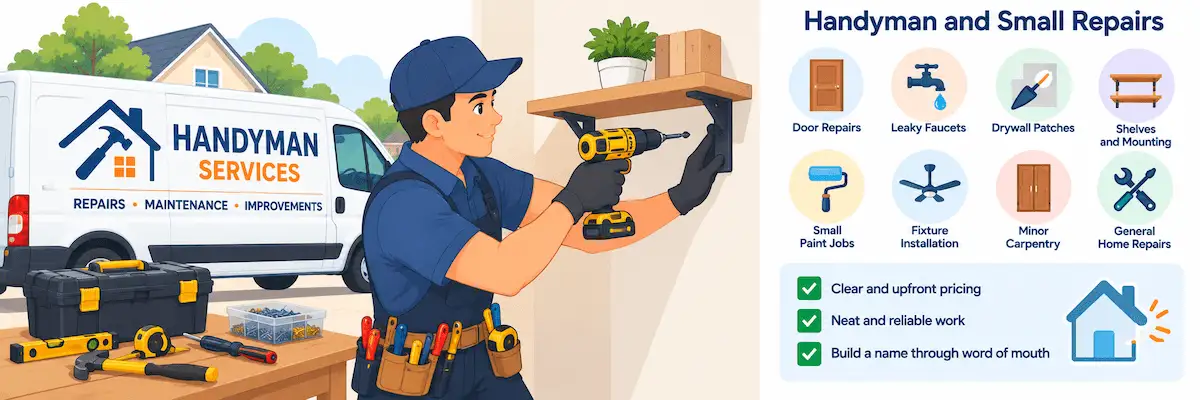
Houston homeowners and landlords always have a list: loose doors, leaking faucets, drywall patches, shelves and small paint jobs. Start with jobs you can do well and list them clearly. Work that needs a licensed plumber or electrician is off limits without the right license, so know where the line is. Clear prices and neat work build a name quickly through word of mouth.
| Detail | Estimate |
|---|---|
| Typical start-up cost | $1,000 to $8,000 |
| Time to first customer | 1 to 2 weeks |
| Income model | Hourly rate or per job |
| Permit check | License needed for plumbing and electrical work |
| Best for | Skilled people with tools and patience |
Pros
- Steady demand from homeowners and landlords
- Low start-up cost
- Referrals bring repeat work
- Easy to add paint or flooring jobs
Cons
- Licensed trades are off limits without a license
- Jobs vary, so pricing needs care
14. Appliance Repair
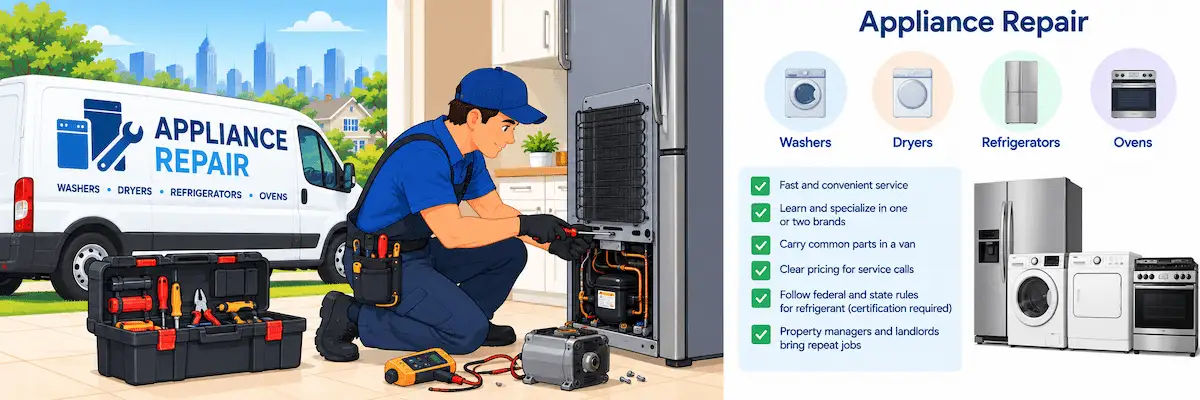
Washers, dryers, refrigerators and ovens break down in every neighborhood, and homeowners and landlords want fast repair. Learn one or two brands well, carry common parts in a van and publish clear prices for a service call. Repairs on cooling systems and anything that handles refrigerant fall under federal and state rules, so check certification before you start. Property managers and landlords bring repeat jobs.
| Detail | Estimate |
|---|---|
| Typical start-up cost | $3,000 to $15,000 |
| Time to first customer | 2 to 8 weeks |
| Income model | Service call fee plus parts and labor |
| Permit check | Refrigerant work needs certification; check TDLR and EPA rules |
| Best for | Technicians with repair skills and a van |
Pros
- Steady demand from homeowners and landlords
- Landlords and property managers give repeat work
- Parts and labor both earn money
- Skills can grow into installation
Cons
- Needs training and parts stock
- Refrigerant and electrical work have strict rules
15. Interior and Exterior Painting
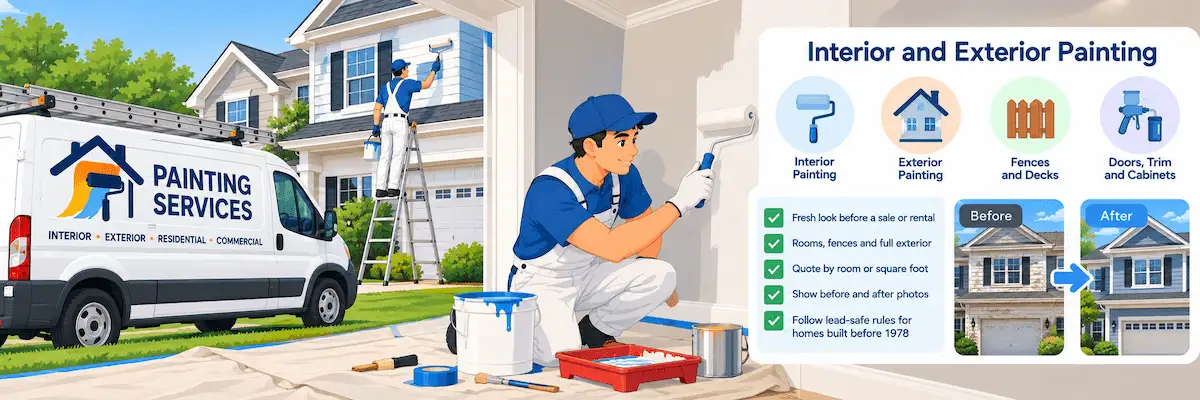
Homeowners, landlords, realtors and homeowner associations pay for fresh paint before a sale, a move or a rental. Start with rooms and fences, show before-and-after photos and quote by room or by square foot. Humidity affects drying time, and older homes can trigger federal lead-safe rules for paid work, so check the rules before you take jobs in homes built before 1978.
| Detail | Estimate |
|---|---|
| Typical start-up cost | $1,000 to $8,000 |
| Time to first customer | 1 to 3 weeks |
| Income model | Per room, per job or per square foot |
| Permit check | Lead-safe rules may apply to older homes |
| Best for | Detail-oriented people with a steady hand |
Pros
- Low-cost tools and supplies
- Realtors and landlords send repeat jobs
- Photos prove the result
- Easy to add drywall and trim repair
Cons
- Humidity and rain affect scheduling
- Prep work takes time that clients rarely see
Car and Transport Business Ideas in Houston
Houston is a city of cars, long drives and busy airports, so cars and rides are a steady source of work for small business ideas in Houston. These ideas need a vehicle and insurance, and some need a permit, so check the rules before you take paying customers.
16. Mobile Mechanic and Auto Repair
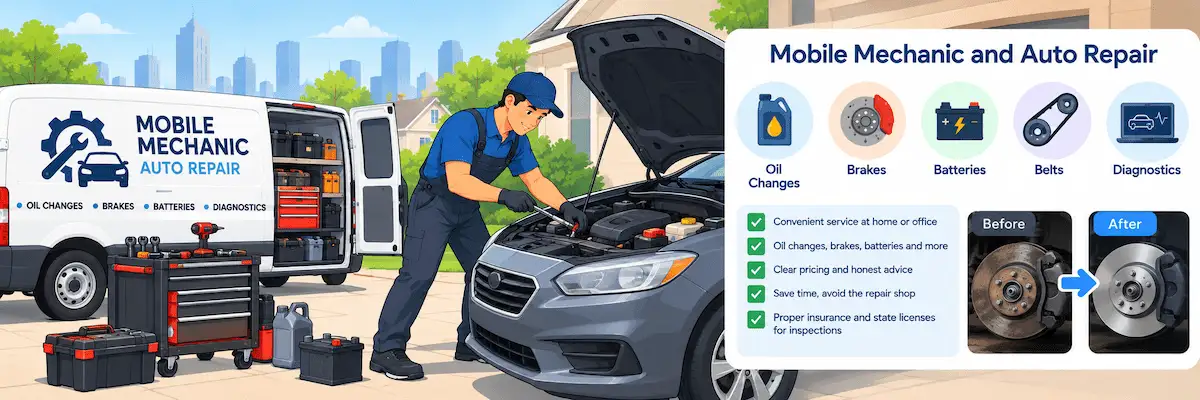
Many drivers cannot lose a day at a shop, so a mechanic who comes to the home or the office has an edge. Offer oil changes, brakes, batteries, belts and basic diagnostics, and be clear about what you can do on a driveway. Safety and emissions inspections need a state inspection license, and repair work needs proper insurance, so check the rules for each service you offer.
| Detail | Estimate |
|---|---|
| Typical start-up cost | $5,000 to $25,000 (van, tools and insurance) |
| Time to first customer | 2 to 6 weeks |
| Income model | Per job plus parts |
| Permit check | Inspection services need a state license; check city and insurance rules |
| Best for | Experienced mechanics with a van and tools |
Pros
- No shop rent
- Convenience brings premium prices
- Fleet owners and landlords can bring repeat work
- Referrals spread fast between neighbors
Cons
- Tools and a van cost money
- Heat, rain and limited space affect some repairs
17. Airport and Ride Transfers
Houston has major airports, and visitors, workers and families need rides to and from them. Start with a reliable vehicle, a clear price list and a simple booking page. Ground transportation for pay usually needs a permit and commercial insurance from the city or the airport system, so check the rules for the airports you plan to serve. Partner with hotels, event planners and corporate offices for steady bookings.
| Detail | Estimate |
|---|---|
| Typical start-up cost | $5,000 to $30,000 (vehicle and insurance) |
| Time to first customer | 2 to 6 weeks |
| Income model | Per ride or fixed transfer price |
| Permit check | City and airport permits and commercial insurance usually required |
| Best for | Drivers with a clean record and a reliable vehicle |
Pros
- Steady demand from travelers and businesses
- Hotels and planners can send repeat bookings
- Fixed prices make quotes simple
- Can grow into a small fleet
Cons
- Permits and insurance add cost
- Fuel, parking and vehicle wear add up
Food and Event Business Ideas in Houston
Houston loves its food, and events fill the calendar all year, so food is a common starting point among Houston business ideas. Food rules changed in Texas in 2025 and 2026, so check each rule below before you cook for customers.

18. Food Truck
Tacos, barbecue, burgers, coffee and desserts work well at markets, breweries, offices and events. Under House Bill 2844, Texas created one statewide mobile food vendor license from the Texas Department of State Health Services, in effect from July 1, 2026. It replaces separate city and county health permits, and a separate license is needed for each vehicle. Local fire and zoning rules still apply, and one local news report cites close to $1,400 for the application and pre-licensing inspection, so confirm fees on the DSHS mobile food vendor page before you buy a truck.
| Detail | Estimate |
|---|---|
| Typical start-up cost | $30,000 to $100,000 (truck or trailer and equipment) |
| Time to first customer | 2 to 6 months |
| Income model | Sales per plate or per event |
| Permit check | DSHS statewide license, plus local fire and zoning |
| Best for | Cooks who like events and crowds |
Pros
- One statewide license replaces local permits
- Lower cost than a restaurant
- Events and markets bring crowds
- Simple menu keeps costs down
Cons
- High start-up cost for the truck
- Fees, inspections and local zoning rules
19. Catering and Meal Prep
Offices, weddings, quinceañeras, church groups and busy families all pay for food. Create two or three set packages so pricing stays simple, and build a photo portfolio. A commercial kitchen is usually needed to sell prepared meals beyond cottage food, so check the rules and look at renting a licensed kitchen by the hour. One good event can cover a lot of your costs, so word of mouth matters more than any ad.
| Detail | Estimate |
|---|---|
| Typical start-up cost | $2,000 to $15,000 |
| Time to first customer | 1 to 2 months |
| Income model | Per plate, weekly plan or per event |
| Permit check | Licensed kitchen and food rules apply, check with the health authority |
| Best for | Cooks who can plan and manage helpers |
Pros
- Events pay well
- Set packages simplify pricing
- Regular customers bring recurring income
- Can grow into a restaurant later
Cons
- Kitchen rules and permits
- Income is uneven between events
20. Home Bakery and Cottage Foods
Texas cottage food law lets individuals make some foods at home and sell them directly to customers without a state or local license. The sales cap is $150,000 per year and is indexed for inflation starting in 2026, and foods that need time and temperature control may require registration with DSHS. Labels, allergen notes and your name and address are required. Start with cookies, breads and candy, and sell through Instagram, markets and neighbors.
| Detail | Estimate |
|---|---|
| Typical start-up cost | $300 to $2,000 |
| Time to first customer | 1 to 3 weeks |
| Income model | Per item or per order |
| Permit check | Cottage food rules apply, check DSHS for allowed foods and registration |
| Best for | Bakers who enjoy small batches |
Pros
- Very low start-up cost
- No state or local license for allowed foods
- Instagram brings buyers
- Custom orders carry higher prices
Cons
- Sales cap and allowed-food limits
- Individuals only, not LLCs
21. Event Planning and Party Rental
Weddings, quinceañeras, birthdays, baby showers and company parties keep planners busy. Offer a clear package for each event type, and build relationships with venues, bakers, florists and DJs. If you own tables, chairs, tents or a bounce house, add rental income. Show past events on Instagram and ask every client for a review.
| Detail | Estimate |
|---|---|
| Typical start-up cost | $500 to $10,000 |
| Time to first customer | 1 to 3 months |
| Income model | Per event, plus rentals |
| Permit check | Check venue and event rules; insurance recommended |
| Best for | Organized people who handle pressure well |
Pros
- Events happen all year
- Bilingual planners reach more families
- Referrals bring repeat clients
- Rentals add a second income
Cons
- Weekend work with tight deadlines
- Late changes and weather can disrupt events
Beauty and Fitness Business Ideas in Houston
People spend on how they look and feel all year, so these business ideas in Houston stay busy, and many customers prefer service at home or in small groups. Beauty work needs the right license, and fitness needs insurance and good habits.

22. Mobile Beauty Services
Hair, makeup, nails and braiding can be done at the client home, at events or in a rented suite. Texas requires a license from the Texas Department of Licensing and Regulation (TDLR) for most hair, nail and skin services done for pay, so check the license that matches your work. Build a photo portfolio on Instagram, offer packages for weddings and quinceañeras and take deposits for event bookings.
| Detail | Estimate |
|---|---|
| Typical start-up cost | $1,000 to $6,000 |
| Time to first customer | 1 to 3 weeks |
| Income model | Per appointment or event package |
| Permit check | TDLR license required for most hair, nail and skin services |
| Best for | Licensed stylists and makeup artists |
Pros
- No shop rent
- Instagram portfolio sells for you
- Event packages raise the price per client
- Add-ons raise the ticket
Cons
- License and training needed
- Travel time between clients
23. Small-Group Fitness and Personal Training
Personal trainers do not need a state license in Texas, but a recognized certification and liability insurance protect you and build trust. Start with a few friends or neighbors, run small groups in a park, a garage gym or a rented studio, and book early mornings or evenings to beat the heat. Offer monthly packages and bilingual classes to reach more families.
| Detail | Estimate |
|---|---|
| Typical start-up cost | $1,000 to $10,000 |
| Time to first customer | 1 to 4 weeks |
| Income model | Monthly package or per session |
| Permit check | No state license; certification and insurance recommended |
| Best for | Fitness fans with certification and a reliable schedule |
Pros
- Low start-up cost for outdoor sessions
- Monthly packages bring recurring income
- Small groups raise hourly income
- Bilingual classes reach more people
Cons
- Heat limits outdoor hours
- Liability insurance and space cost money
Professional and Online Business Ideas in Houston
These ideas run from a laptop, a phone and a small office. They suit people who want flexible hours, and many of the best online business ideas in Houston sit in this group. For more options that can run from anywhere, see these remote business ideas.
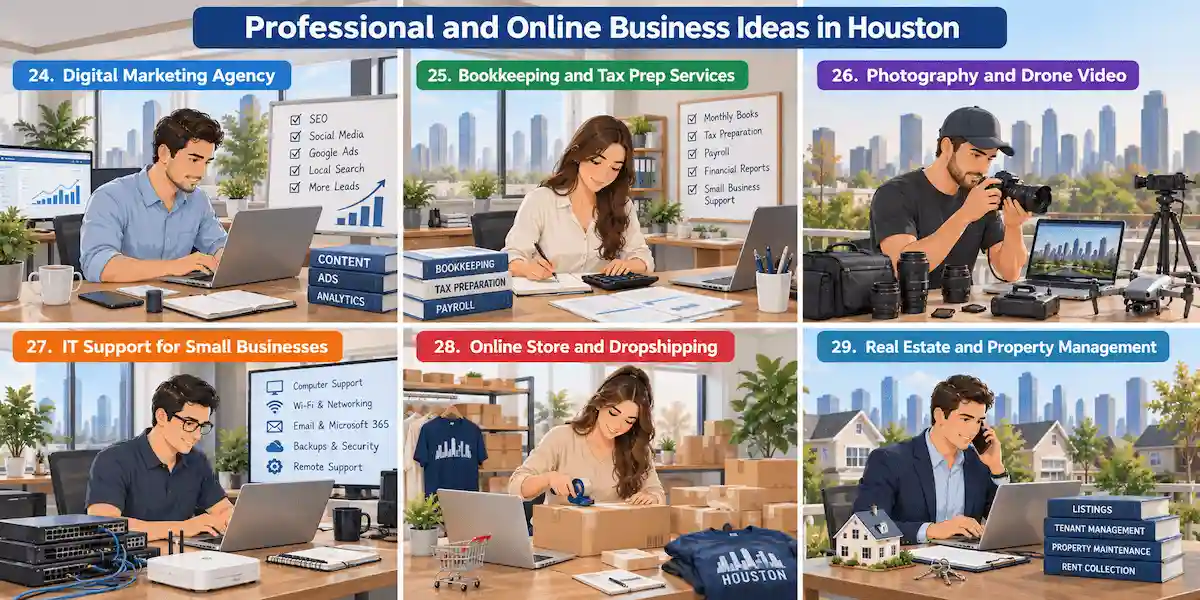
24. Digital Marketing Agency
Houston contractors, clinics, restaurants and shops need local search, ads and social media. Pick one niche, such as home services or medical clinics, build one case study and offer a fixed monthly package. Report the numbers every month: calls, forms and bookings. A narrow niche is easier to sell than a general agency.
| Detail | Estimate |
|---|---|
| Typical start-up cost | $500 to $3,000 |
| Time to first customer | 1 to 3 months |
| Income model | Monthly retainer plus ad management |
| Permit check | No state license |
| Best for | People who understand ads and local search |
Pros
- Low start-up cost
- Monthly retainers bring recurring income
- Local firms need help to be found online
- Skills carry over to many sectors
Cons
- Clients want results fast
- Competition from large agencies
25. Bookkeeping and Tax Prep Services
Houston small firms, contractors and gig workers need clean books and correct tax forms. Offer monthly bookkeeping with simple software, and add tax preparation if you hold the right IRS registration for paid preparers. Start with five small clients and a fixed monthly fee. Accuracy and deadlines matter more than any ad.
| Detail | Estimate |
|---|---|
| Typical start-up cost | $300 to $2,000 |
| Time to first customer | 1 to 2 months |
| Income model | Monthly fee or per return |
| Permit check | IRS PTIN needed for paid tax preparation |
| Best for | People who like numbers and routine |
Pros
- Recurring monthly income
- Low overhead
- Trust leads to long client relationships
- Can add payroll and advisory services
Cons
- Tax season is very busy
- Mistakes carry real cost for clients
26. Photography and Drone Video
Real estate listings, restaurants, events, families and online sellers all need photos and short videos. A good camera and a lens are the main cost, and a strong phone works to begin. If you fly a drone for paid work, you need the FAA Part 107 remote pilot certificate. Build a portfolio with free shoots first, then post your best work on Instagram.
| Detail | Estimate |
|---|---|
| Typical start-up cost | $1,000 to $6,000 |
| Time to first customer | 1 to 2 months |
| Income model | Per shoot or package |
| Permit check | FAA Part 107 for paid drone work |
| Best for | Creative people with an eye for detail |
Pros
- Weekend work pays well
- Real estate and restaurants hire often
- Portfolio on Instagram sells for you
- Drone video adds a second income
Cons
- Gear is expensive
- Slow until you have a portfolio
27. IT Support for Small Businesses
Small Houston offices, clinics and shops need help with computers, Wi-Fi, backups, email and security, but cannot hire a full-time person. Offer a monthly plan with a set number of support hours and remote tools. Start with one type of client, such as dental offices or contractors. If you want to add AI tools to your services, read how to start an AI business with no money.
| Detail | Estimate |
|---|---|
| Typical start-up cost | $500 to $3,000 |
| Time to first customer | 1 to 3 months |
| Income model | Monthly support plan plus project work |
| Permit check | No state license (certifications help) |
| Best for | People with technical skills and patience |
Pros
- Monthly plans bring recurring income
- Small firms lack their own IT staff
- Remote tools keep travel low
- Easy to add security and backup services
Cons
- Clients expect fast answers
- Responsibility for data and security
28. Online Store and Dropshipping
Pick a niche, such as Western wear, local food gifts, home goods or Houston-themed merchandise, and sell it online. With dropshipping, a supplier ships the order, so you do not hold stock. In Texas, taxable sales usually need a free sales tax permit from the Comptroller, and the Houston sales tax rate is 8.25%, so plan your prices and tax setup before you launch. Start with five to ten products.
| Detail | Estimate |
|---|---|
| Typical start-up cost | $300 to $2,000 |
| Time to first customer | 1 to 3 months |
| Income model | Margin on each product sold |
| Permit check | Texas sales tax permit for taxable sales |
| Best for | Sellers who enjoy marketing on social media |
Pros
- No shop rent
- Dropshipping means no stock to hold
- Social media sends buyers to your store
- Can reach customers outside Texas
Cons
- Margins can be thin
- Shipping, returns and sales tax need care
29. Real Estate and Property Management Services
Houston has a large rental market and many owners who live elsewhere. In Texas, selling, leasing or managing property for others usually needs a license from the Texas Real Estate Commission (TREC), and rent collection for others is covered by broker rules, so most people start with the license course and a sponsoring broker. Without a license, you can still sell services that do not need one, such as turnover cleaning, photos, minor repairs and house watching for owners.
| Detail | Estimate |
|---|---|
| Typical start-up cost | $1,000 to $3,000 for licensing; more for your own business |
| Time to first customer | 2 to 6 months |
| Income model | Commissions, management fees or per-service fees |
| Permit check | TREC license usually required for brokerage and rent collection |
| Best for | Organized people who like dealing with owners and tenants |
Pros
- Large rental and owner market
- Recurring management fees
- Referrals bring more properties
- Many support services need no license
Cons
- License and broker rules take time
- Income can be uneven early on
Energy, Health and Port Business Ideas in Houston
Houston has big industries that need many small suppliers. These profitable business ideas in Houston take more skill or capital, but they also lead to larger customers and higher prices.

30. Home Health and Senior Care
Families look for help with daily care for parents and grandparents. Non-medical companion care, transport and household help are the easiest places to start. Medical care and home health agencies are regulated by the Texas Health and Human Services Commission and need a license, so check the rules before you offer any health service. Hire caregivers carefully and run background checks.
| Detail | Estimate |
|---|---|
| Typical start-up cost | $5,000 to $30,000 |
| Time to first customer | 2 to 6 months |
| Income model | Hourly rate or monthly care plan |
| Permit check | Texas HHSC licensing may apply, check before you start |
| Best for | Caregivers and nurses with management skills |
Pros
- Strong long-term demand
- Recurring hourly income
- Referrals from doctors and families
- Can grow into a larger agency
Cons
- License and insurance costs
- Staffing and training take time
31. Solar and Energy Audit Consulting
Houston homeowners and small firms pay high summer power bills, and they want clear advice on insulation, windows, solar panels and smart thermostats. An energy consultant inspects, compares quotes and points to savings, without selling equipment. You need real knowledge of buildings and energy, and clients want proof. Start with a flat-fee home energy check and build trust through referrals from installers.
| Detail | Estimate |
|---|---|
| Typical start-up cost | $1,000 to $5,000 |
| Time to first customer | 2 to 4 months |
| Income model | Flat fee per check or per project |
| Permit check | No state license for advice; installers need licenses |
| Best for | Builders, engineers and energy specialists |
Pros
- Strong summer demand
- Referrals from installers and contractors
- Low overhead for an advice business
- Can expand into project management
Cons
- Needs real technical knowledge
- Rules and incentives change over time
32. Last-Mile Delivery and Courier Service
Houston is spread out, so shops, restaurants, clinics and online sellers need reliable local delivery. Start with one or two small business clients in one area, and promise time windows you can keep. Register as a business, buy commercial auto insurance and keep clear records. You can also take app-based delivery jobs while you build direct clients.
| Detail | Estimate |
|---|---|
| Typical start-up cost | $2,000 to $15,000 |
| Time to first customer | 1 to 4 weeks |
| Income model | Per delivery or monthly contract |
| Permit check | Business registration and commercial insurance |
| Best for | Reliable drivers with a good vehicle |
Pros
- Low start-up cost if you own a vehicle
- Contracts bring steady income
- Demand across a wide metro
- Can grow into a small fleet
Cons
- Fuel, traffic and vehicle wear
- Insurance and tax rules for drivers
33. Export Packaging and Crating
The Port of Houston and its many exporters need safe packaging for machinery, parts and equipment. A crating shop builds custom crates and pallets, wraps and labels freight, and works with freight forwarders. You need space, tools and knowledge of shipping rules, so start by talking to forwarders and manufacturers. One reliable account can keep a small shop busy.
| Detail | Estimate |
|---|---|
| Typical start-up cost | $10,000 to $60,000 |
| Time to first customer | 2 to 6 months |
| Income model | Per crate or per project |
| Permit check | Business registration; hazmat and export rules apply |
| Best for | Handy builders with industrial contacts |
Pros
- Large industrial customers
- Repeat work from forwarders
- Skills are hard to copy
- Can grow with port traffic
Cons
- Needs space and tools
- Sales cycles with large firms are slow
More Business Ideas in Houston to Test
Twelve more business ideas Houston readers can try sit below. Each line shows who pays and the cheapest first step.
- Mobile pet grooming – Busy pet owners. First step: groom five dogs for friends and ask for reviews.
- Coffee cart and pop-up coffee – Offices, markets and events. First step: test one morning cart at a local market.
- Transcription and data entry – Small firms and professionals. First step: offer a free sample page to three clients.
- Personal shopper and errand services – Busy families and older adults. First step: run errands for three neighbors and ask for referrals.
- Subscription boxes – Gift buyers and hobby fans. First step: sell a pre-order box to ten people.
- Custom printing and promo items – Teams, churches and small firms. First step: take pre-orders and use a local printer.
- Travel planning – Families and groups. First step: plan one trip and sell the plan as a guide.
- Western wear and boots – Rodeo fans and visitors. First step: test a small online batch.
- Hydroponic produce – Restaurants and shoppers. First step: grow a small batch and sell to two restaurants.
- Mobile massage – Busy clients who want care at home. First step: check the license rules, then book three trial clients.
- Child care and after-school support – Working parents. First step: check the state child care rules, then read these business ideas working with kids.
- Moving and junk removal – Renters, sellers and landlords. First step: rent a truck for a weekend and post prices.
Steps to Start a Business in Houston
Here is how to start a business in Houston, step by step. To start a business in Houston, you register with the state, arrange tax with the Comptroller and check permits for your type of work. Houston does not issue a general business license, but many activities need a specific license or permit.
- Pick a legal structure. A sole proprietorship is the simplest. An LLC separates your personal assets from the business.
- Register your name. Sole owners file an assumed name certificate (DBA) with the Harris County Clerk. An LLC files a Certificate of Formation (Form 205) with the Texas Secretary of State, and the fee is $300.
- Get an EIN. The IRS issues it for free.
- Get a sales tax permit. If you sell taxable goods or services, register with the Texas Comptroller. The Houston rate is 8.25%.
- Know the franchise tax rules. Texas LLCs file an annual franchise tax report and a Public Information Report, due May 15. For 2026 and 2027 reports, no tax is due if annualized revenue is at or below $2.65 million, but you still file. See the Texas Comptroller for forms and current rules.
- Check permits and licenses. Food, AC, child care, health care and some trades need a license. See the next section.
- Buy insurance. General liability and commercial auto cover the most common claims.
- Open a business bank account. Keep business and personal money apart from day one.
Write a One-Page Business Plan
You do not need a long document to start a business in Houston, but you do need one page that answers the main questions before you spend money. Write down:
- Customer: who buys, in which part of Houston and in which language;
- Offer: what you sell and why it is better or different;
- Price: your price and what is left after all costs;
- Channels: where customers will find you, such as search, Instagram or referrals;
- Costs and break-even: monthly costs and how many jobs you need to cover them;
- First 90 days: three clear goals, such as the first ten customers, the first five reviews and the first repeat buyer.
Houston and Texas Permits for Common Businesses
Rules change, so confirm each one with the agency that issues it before you start. These are the most common checks for the ideas in this guide:
- Food truck: a statewide mobile food vendor license from DSHS since July 1, 2026, one per vehicle, plus local fire and zoning rules.
- Cottage food: allowed foods sold from home under state law, with a $150,000 yearly sales cap and labeling rules.
- Catering and prepared meals: a licensed kitchen and food establishment rules.
- AC work: a TDLR license for air conditioning and refrigeration work.
- Plumbing and electrical work: licensed trades with their own state licenses.
- Tax preparation: an IRS PTIN for paid preparers.
- Drone photography: the FAA Part 107 certificate for paid work.
- Child care and home health: licensing and inspection through the state health and human services system.
- Pet services: check city requirements for commercial pet services.
- Alcohol: a license from the Texas Alcoholic Beverage Commission.
Home-Based Business Rules in Houston
Houston has no traditional zoning, and according to local property guides the city does not require a permit for most home businesses. The main limit comes from private deed restrictions and homeowner association rules, which can ban business use, signs, deliveries or customers visiting a home. Before you start:
- Read your deed restrictions and HOA rules, especially for signs, customer visits and vehicles;
- Read your lease if you rent, because many leases ban business use;
- Check food, license and tax rules for your type of work;
- Ask the Houston Planning and Development Department if you are unsure.
Free Help for Houston Entrepreneurs
You do not have to figure this out alone. Free or low-cost help in Houston includes:
- University of Houston Small Business Development Center (SBDC): free advising and training, including webinars on topics such as the new food truck law.
- SCORE Houston: volunteer mentors who have run businesses.
- MBDA Business Center: support for minority-owned firms.
- Cannon: workspace and community for founders.
Ask each group what it offers now, because programs change.
How to Fund Your Houston Business
Most of the business ideas in Houston in this guide can start with savings, so keep the first costs low and prove demand before you borrow. When you need more money, look at:
- Savings and family help: the cheapest source, with clear terms in writing.
- Pre-orders and deposits: customers pay before you buy stock or equipment.
- Equipment financing: useful for a truck, a trailer or tools, because the equipment secures the loan.
- Bank and credit union loans: ask local lenders what they need to see, usually a plan, a credit history and some cash of your own.
- SBA-backed loans and microloans: offered through approved lenders, so ask a lender or an SBDC adviser which program fits your case.
- Business credit cards: only for small, short-term costs that you can pay off fast.
Free advisers at the UH SBDC and SCORE Houston can help you prepare a loan request and check your numbers before you apply.
How to Find Your First Customers in Houston
Early customers come from the people closest to you, so start with a small circle and widen it, even if your business is a side hustle in Houston next to a job. Try these steps:
- Set up a free Google Business Profile so people find you when they search nearby.
- Post in neighborhood groups on Nextdoor and Facebook, and follow each group rules.
- Use Instagram and TikTok to show real work, photos and short videos.
- Ask for referrals and give a small discount to the first customers who send a friend.
- Partner with related businesses, such as realtors, property managers, contractors and venues.
- Advertise in English and Spanish, because many Houston customers prefer one or the other.
- Ask every customer for a review and answer messages fast.
Seasonal Calendar for Houston Businesses
Demand moves with the calendar, and every small business idea in Houston feels it, so plan staff, stock and marketing around these periods:
- January to April: tax season for bookkeeping and tax prep, and the Houston Livestock Show and Rodeo in late winter.
- May to September: the hottest months, with peak demand for AC repair, pool care, car detailing and lawn care.
- June 1 to November 30: hurricane season, with demand for cleanup, repairs, roofing and emergency supplies.
- August: back to school, with demand for tutoring and school items.
- November and December: holiday gifts, catering and events.
Insurance and Hurricane Preparation
Storms and flooding are part of doing business in Houston, so plan for them early. Get general liability insurance, and commercial auto insurance if you drive for work. Standard property policies often do not cover flood damage, so ask your agent about separate flood coverage. Keep copies of contracts, invoices and customer lists in cloud storage, write a simple plan for closing and reopening after a storm and tell customers how you will reach them.
How to Test a Business Idea Before You Spend Money
A good idea can be tested for under $100 before you buy equipment. These three steps keep you from spending on an idea nobody wants.
Sell to Ten People
Offer your product or service to ten people you know and ask what they would change. Their answers tell you more than any list of trends. Keep notes on price, timing and complaints.
Take Pre-Orders
Pre-orders show that people will pay before you buy stock. This works for baked goods, custom prints, subscription boxes and gift items. If five people pay in a week, the idea has a real chance. Students can read how to start an online business under 18 before they begin.
Set a Stop Rule
Decide before you start what result means yes and what result means stop, for example five paid jobs in 30 days. If you miss the target, move to the next idea. Write the rule down and review it every week.
Business Ideas in Houston to Avoid Without Experience
Not every one of these business ideas in Houston suits a beginner. The five below can work, but they need capital, experience or both.
- Restaurant: high rent and thin margins.
- Bar or nightclub: alcohol licensing, security and high overhead.
- Real estate flipping without capital: costs and market swings can wipe out a first deal.
- Trucking with a large loan: fuel, insurance and payments add up fast.
- Franchise without reading the contract: fees and rules can last for years.
Common Mistakes When Starting a Business in Houston
Six mistakes explain most failed starts with small business ideas in Houston. Check your list against them before you commit.
- Taking jobs that need a license. Fines and refunds follow.
- Ignoring travel time. A wide metro eats hours and fuel.
- Pricing too low. Low prices lead to burnout, not loyal customers.
- Skipping sales tax. Register and set money aside from the first sale.
- Ignoring weather. Plan for heat, storms and flooding.
- Mixing personal and business money. Keep a separate account from day one.
Final Verdict: Where to Start
People often ask what the best business to start in Houston is, and the answer depends on your skills and budget. The best business ideas in Houston are the ones you can test this month with the money and time you have. If your budget is small, start with a virtual assistant service, bilingual tutoring, social media management or cleaning. If you have a truck and tools, lawn care, pressure washing and AC repair can grow fast. If you want to earn from home, bookkeeping, digital marketing and an online store can bring extra income.
Whatever you pick, take one step this week: sell to five people. That test will tell you more about the business ideas Houston offers than any list. Register the business, check the permit for your work and keep track of every expense from day one. Among all the Houston business ideas on this list, the winners are simple, close to home and easy to repeat.
Business Ideas Houston FAQ
What is the easiest business to start in Houston?
Service businesses are usually the easiest. Tutoring, cleaning, lawn care, pet sitting and social media management need only your skills and basic tools. Pick the one people near you already pay for.
What is the most profitable small business in Houston?
No single business wins for everyone, but the most profitable business ideas in Houston are usually services with repeat customers. Home services such as AC repair and pool care, professional services such as bookkeeping and IT support, and industrial services near the port can earn well, but they need skills or licenses. Profit depends on your price, your costs and how many customers you keep.
Do I need a business license in Houston?
Houston does not issue a general business license, but many activities need a specific license or permit, such as food, AC work, child care and health care. Check the agency that covers your type of work before you take paid jobs.
How much does it cost to start a business in Houston?
It depends on the idea. Tutoring, virtual assistant work and social media management can start for under $300. Cleaning, lawn care and pressure washing often need $300 to $15,000, and a food truck or an AC company can need $30,000 or more. An LLC adds a $300 state filing fee.
Do I need an LLC to start a business in Houston?
No. Many people start as sole proprietors and file an assumed name certificate with the Harris County Clerk. An LLC separates your personal assets from the business, and it costs $300 to form in Texas.
What are the best home-based business ideas in Houston?
Good home-based business ideas in Houston include virtual assistant work, tutoring, bookkeeping, freelance writing, social media management, cottage food baking and online sales. Each one can start from a laptop or a home kitchen. Check the rules for food and any local limits on running a business from your home.
What are the best side hustle ideas in Houston?
Pet sitting, tutoring, social media management, mobile car detailing, lawn care and delivery work fit around a full-time job. They need little money and can start with friends and neighbors.
How do I register a business name in Harris County?
Sole owners file an assumed name certificate with the Harris County Clerk. An LLC registers its legal name with the Texas Secretary of State when it files the Certificate of Formation.
Do I have to pay Texas franchise tax?
Texas LLCs file an annual franchise tax report and a Public Information Report, due May 15. For 2026 and 2027 reports, no franchise tax is due if annualized revenue is at or below $2.65 million. Check the Comptroller for current rules.
Is Houston a good place to start a business?
Yes. The metro area has more than 7 million people, Texas has no state personal income tax, and large industries in energy, health care, shipping and aerospace create steady demand. Distances, weather and permits need planning, so check the rules and costs before you start.
How expensive is the cost of living in Houston?
Houston is often described as more affordable than other large US metros, but costs vary by neighborhood, and housing, transport and insurance can add up. Check current housing and price data from the Census Bureau or the Bureau of Labor Statistics before you plan your budget.
How is the business environment in Houston?
Houston has a very large customer base, no state personal income tax and strong industries in energy, health care, shipping and aerospace. Distances, heat, storms and permits for some trades need planning, so check the rules and costs before you start.
Is the tax structure in Houston favorable for small businesses?
Texas has no personal income tax, and many small LLCs owe no franchise tax because the no-tax-due threshold is $2.65 million for 2026 and 2027 reports. You still file reports and collect sales tax, which is 8.25% in Houston, so confirm the rules with the Texas Comptroller.
What are the key factors for success for a Houston business?
A clear customer, a fair price, reliable service, fast replies and strong reviews matter most. Choose one area of the city first, keep travel time low and follow the license and tax rules from day one.
How can I market a part-time business in Houston?
Start with a free Google Business Profile, neighborhood groups, Instagram and referrals from friends and past customers. Advertise in English and Spanish, show real photos and ask every customer for a review.
What legal things should I know before starting a part-time business in Houston?
Register the business name or form an LLC, get an EIN, register for sales tax if you sell taxable goods or services and check the license for your type of work. Keep business money separate from personal money and buy the right insurance.
Do I need insurance for a small business in Houston?
Most businesses should have general liability insurance, and anyone who drives for work needs commercial auto insurance. Standard property policies often do not cover flood damage, so ask your agent about separate flood coverage.
Can I run a business from home in Houston?
Yes, in most cases. Houston has no traditional zoning, and local property guides say the city does not require a permit for most home businesses, but deed restrictions, HOA rules and leases can limit business use at home. Read them before you start.
How do I get funding for a small business in Houston?
Most owners start with savings, pre-orders and equipment financing, then add bank, credit union or SBA-backed loans once the business has sales. Free advisers at the UH SBDC and SCORE Houston can help you prepare a loan request.
What is the best area in Houston to start a business?
It depends on your customers. Suburbs such as Katy, Sugar Land, Pearland and The Woodlands suit home services and family businesses, central areas such as Downtown, Midtown and the Galleria suit office services, and areas near the port suit industrial support.