The best business ideas under 5k are service jobs like cleaning, lawn care and virtual assistant work, because you sell your time and skill instead of buying stock. Most of them start for less than $1,000 and can bring in a first customer within two weeks. The $5,000 limit is a ceiling, not a target, and the smart move is to spend as little of it as you can.
This guide lists 32 businesses to start with 5k or less. Each one has a short review, a table with startup cost, time to first income and typical pricing, and a list of pros and cons. Ideas are grouped by type, and a comparison table near the end lets you compare them by cost and speed.
Costs and prices for these business ideas under $5,000 come from published guides and vary by city. Check them locally before you spend, and add insurance and permits to every number you see here.
Why Start a Business Under $5,000?
Starting small does not mean thinking small. A budget like this lets you test an idea without putting all your savings at risk, and if the idea does not work, you can switch to another one without a mountain of debt. That is why so many of the best business ideas under 5k come from people who started on the side.
- Low financial risk: you invest an amount you can afford while you learn the work.
- Room to change direction: if the first idea does not catch on, you have not sunk tens of thousands into it.
- Faster launch: a small budget forces you to focus on customers and sales instead of fancy extras.
- Room to grow: Sara Blakely started Spanx with $5,000 from her own savings and built a billion-dollar company.
Who This Guide Is For (And Who It Is Not)
This list of business ideas under $5,000 is for people who want a real business on a small budget: side hustlers, job changers, students with free time and anyone who wants to try self-employment without taking a loan. It works best for you if you:
- Want to get your first customer within weeks, not months
- Can do most of the work yourself at the start
- Are willing to find your own customers through local groups, referrals and online profiles
It is not a fit if you want a franchise or a store with a lease, because those cost far more than $5,000. Some trades, such as pest control, home inspection and locksmith work, also need training and licenses that can use most of the budget, so they are not in this list. Costs are in US dollars, and if you live in the Gulf, see how to start an online business in Qatar.
Business Ideas Under 5K at a Glance
Here are all 32 business ideas under $5,000 with the main reason each one works. The full reviews follow below, grouped by type.
- Cleaning Business – Low startup cost and weekly repeat clients
- Lawn Care and Landscaping – Steady seasonal work with weekly contracts
- Pressure Washing – One of the fastest paybacks on the list
- Mobile Car Detailing – Customers pay extra for convenience
- Handyman Services – Small jobs that big contractors skip
- Pet Sitting and Dog Walking – Very low cost and fast to the first booking
- Tutoring – Cheapest start with weekly repeat students
- Personal Training – High price per session, in person or online
- House Painting – High price per project, built on before and after photos
- Pool Maintenance – Weekly routes that turn into monthly income
- Junk Removal – Fast jobs for anyone with a truck
- Carpet and Upholstery Cleaning – Repeat customers every 6 to 12 months
- Virtual Assistant – Remote admin work with almost no startup cost
- Freelance Writing – Starts for almost nothing
- Social Media Management – Monthly retainers from local businesses
- Graphic Design – Logos and social graphics for small businesses
- Bookkeeping – Recurring monthly clients
- SEO Consulting – High rates with almost no equipment
- Web Design for Small Businesses – Templates keep the cost under $300
- Print-on-Demand Store – No stock to buy
- Online Course Creator – One skill sold again and again
- Blogging and Content Creation – Cheap to start, slow to pay
- AI Prompt Consulting – Workshops and templates for small businesses
- IT Support and Computer Repair – Monthly plans for small business clients
- Handmade Candles and Soap – Small batches sold online and at local events
- Microgreens – A shelf and some lights in a spare room
- Subscription Box – Recurring income if you pick a narrow niche
- Bounce House Rentals – High pay per booking on weekends
- Wedding and Party Decor Rentals – High margin per piece
- Vending Machines – Semi-passive income with weekly restocking
- Photography – Portraits, events and product shots
- Event Planning – Low startup cost, you sell organization
What You Can Start With 5K
A $5,000 budget goes further when you know where it is supposed to go. Most people overspend on equipment and forget insurance, permits and a cash cushion for the first slow weeks.
Where $5,000 Usually Goes
Here is a simple split you can adjust for your own idea. Service businesses often need much less than the full amount, so keep the rest as a reserve.
- Equipment and supplies: about 40% of the budget.
- Insurance, licenses and registration: about 15%.
- Marketing: about 10%, for business cards, local ads and a simple website.
- Software and tools: about 5%, for scheduling, invoices and accounting.
- Cash reserve: about 30%, so one slow month does not end the business.
How to Pick the Right Business Under 5K
Four questions narrow the list quickly. Answer them before you spend any of your $5,000 on low cost business ideas.
Match Your Skills and Free Time
The easiest business is the one you already know how to do. If you write well, start with writing. If you like animals, start with pet sitting. Anyone with no experience can pick cleaning or lawn care, and a side hustle can run on evenings and weekends. Students can also check our list of business ideas for students.
Check Local Demand Before You Spend
Search your city on Google, look at what competitors charge and ask three people if they would pay for the service. A post in a local Facebook group or Nextdoor costs nothing and tells you fast if anyone wants to be one of your first customers.
Decide How Fast You Need Income
Service businesses can pay in one to two weeks. Online services usually take two to six weeks, and product and content businesses take one to three months or more. If you need money soon, start with a service. If you can wait, a product or subscription business may grow bigger.
Compare the Four Business Types
Every idea in this guide fits one of four types. The table shows how they differ, so you can pick a type before you pick a business.
| Business Type | Startup Cost | Time to First Income | Skill Barrier | How You Earn |
|---|---|---|---|---|
| Service-based | $175 to $5,000 | 1 to 4 weeks | Low to medium | Per job or per hour |
| Online and digital | $50 to $2,000 | 2 to 6 weeks, longer for courses and blogs | Medium to high | Per project, retainer or sale |
| Product-based | $400 to $4,000 | 2 weeks to 3 months | Medium | Margin on each item sold |
| Rental and event | $250 to $5,000 | 1 to 4 weeks | Low to medium | Per booking |
Service-Based Business Ideas Under 5K
Service-based businesses under 5k cost the least with a $5,000 budget, because you sell your time and skill, not stock. Most can take a first customer within two weeks, so they are the best place to begin if cash matters. Expect more physical work or more pitching than in the other groups.
1. Cleaning Business
A cleaning business is one of the easiest ways to start with a mop and a bucket. You clean homes, offices or rental units, and most clients come from word of mouth and local Facebook groups.
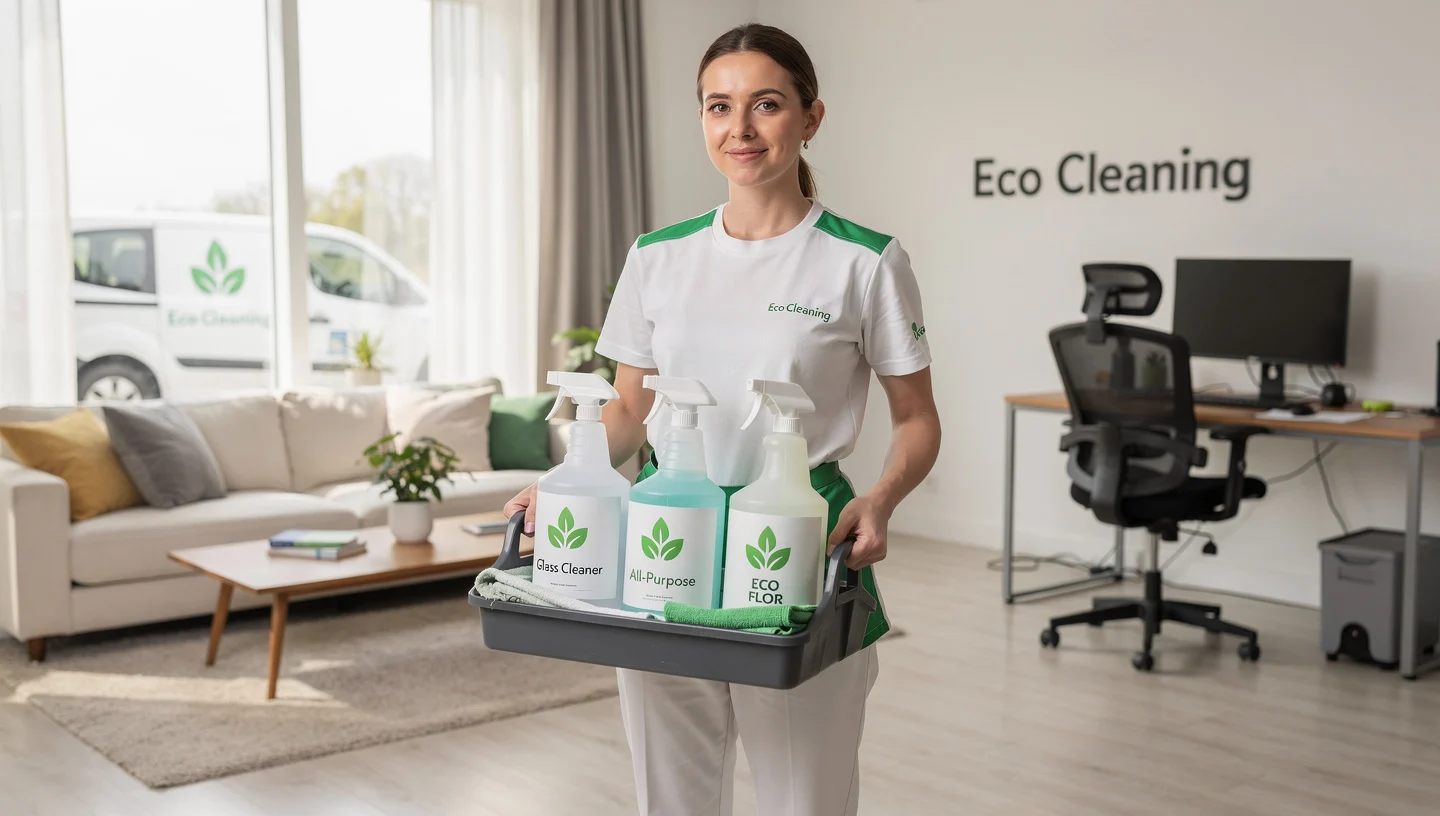
Start with a few weekly clients, buy basic supplies and add insurance before you take bigger jobs. Move-out cleans and short-term rental turnovers pay more per visit.
| Detail | Info |
|---|---|
| Startup Cost | $650 to $1,600 |
| Time to First Income | 1 to 2 weeks |
| Typical Pricing | Move-out cleans $200 to $500, rental turnovers $75 to $200 |
| Skill Level | Low |
| Best For | People who like physical work and want cash fast |
Pros
- Low startup cost
- Clients repeat every week
- Referrals do most of the marketing
Cons
- Physical and repetitive
- No-shows hurt trust and income
- Growth means hiring and managing people
2. Lawn Care and Landscaping
Lawn care needs a mower, a trimmer and a few basic tools, and the work is steady in season. Pick a small area, offer a short menu of services and knock on doors where yards look rough.
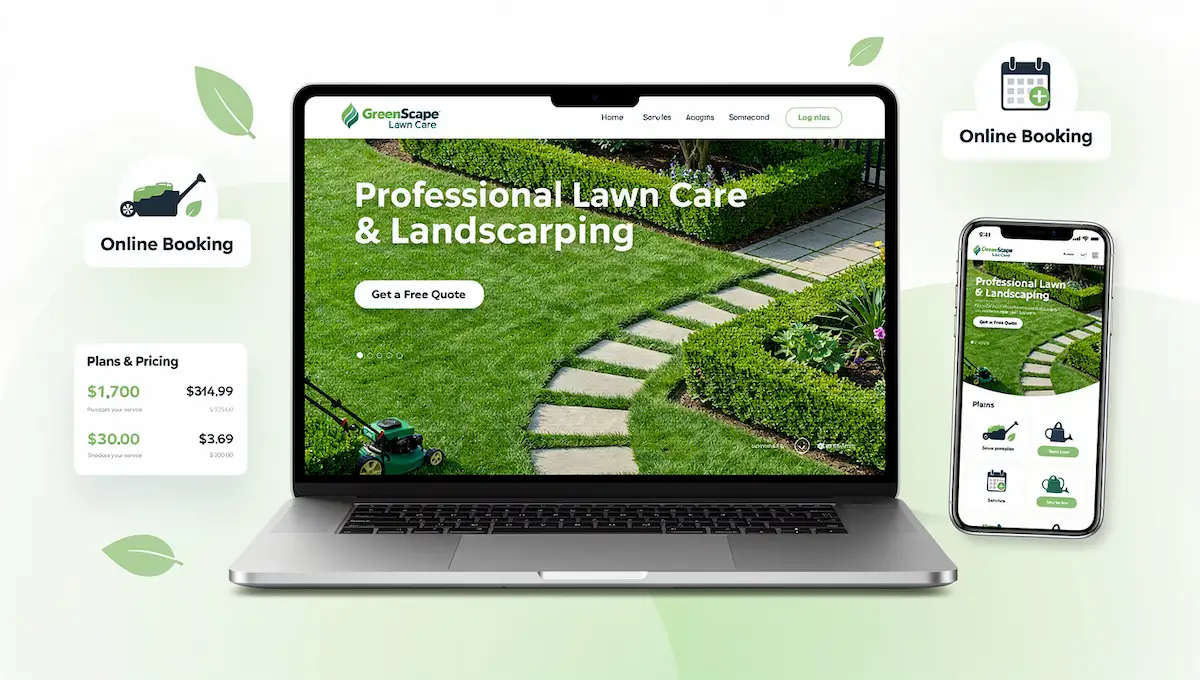
Weekly contracts matter more than one-off jobs. A trailer or truck pushes the cost up if you do not own one.
| Detail | Info |
|---|---|
| Startup Cost | $800 to $4,300 |
| Time to First Income | 1 to 2 weeks |
| Typical Pricing | About $40 to $80 per mow, or weekly contracts of $100 to $300 |
| Skill Level | Low |
| Best For | People who like working outdoors |
Pros
- Recurring weekly clients
- Easy to explain and sell door to door
- Leaf removal and cleanups add extra income
Cons
- Seasonal in cold areas
- Equipment and fuel add up
- Bad weather cancels work days
3. Pressure Washing
Pressure washing has one of the fastest paybacks on this list, because one commercial lot can cover a big part of your equipment. You need a professional washer, a surface cleaner and chemicals. Before and after photos sell the job for you.
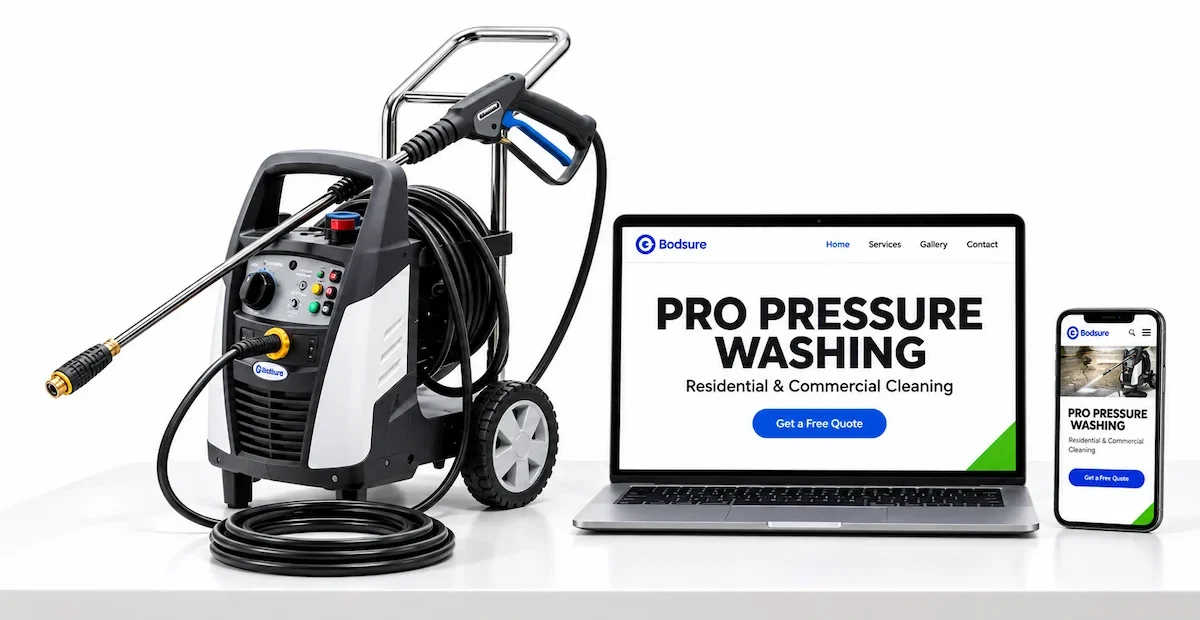
Check the water runoff rules in your area before you start.
| Detail | Info |
|---|---|
| Startup Cost | $2,500 to $5,000 |
| Time to First Income | 1 to 2 weeks |
| Typical Pricing | Driveways $150 to $400, house washing $300 to $600, commercial lots $500 to $2,000 |
| Skill Level | Low |
| Best For | Outdoor workers who like visible results |
Pros
- High price per job
- Before and after photos market it for you
- Commercial contracts can repeat
Cons
- Uses most of the budget
- Runoff rules in some places
- Slow in cold weather
4. Mobile Car Detailing
Mobile detailing brings the wash to the customer’s driveway or office lot, and people pay extra for the convenience.
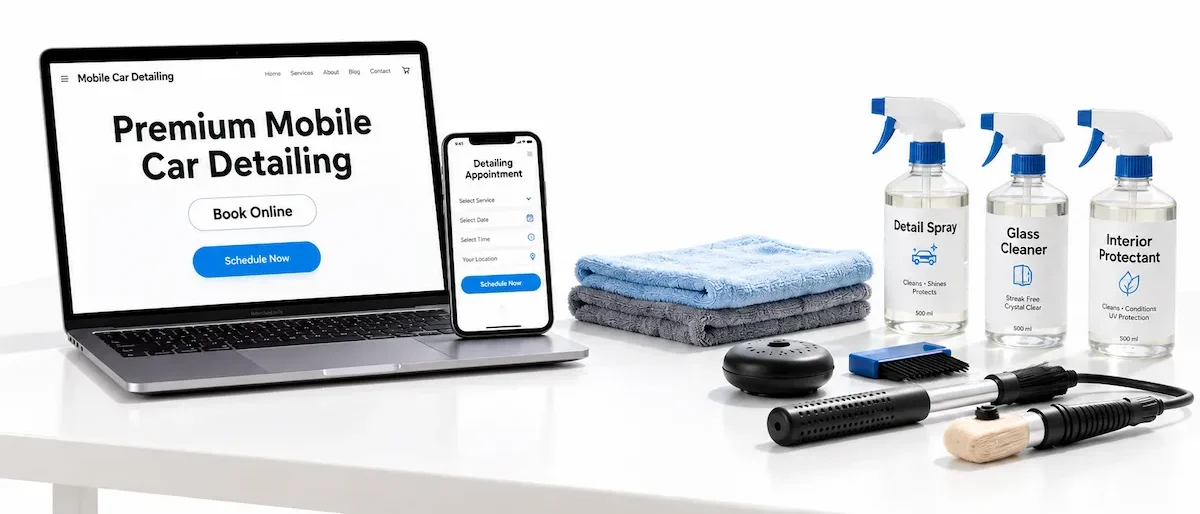
Start with friends and neighbors, post before and after photos, then ask apartment complexes and offices about service days. A portable water tank or pressure washer is the main purchase.
| Detail | Info |
|---|---|
| Startup Cost | $1,000 to $2,700 |
| Time to First Income | 1 to 2 weeks |
| Typical Pricing | Basic wash $50 to $100, full detail $150 to $300 |
| Skill Level | Low |
| Best For | People who take pride in clean work |
Pros
- Convenience lets you charge more
- No shop or lease needed
- Photos sell the service
Cons
- Water and power access can be a problem
- Weather limits work
- Insurance adds cost
5. Handyman Services
Many big contractors skip jobs under $500, and that leaves small repairs, furniture assembly and routine fixes to a local handyman. Buy tools only when jobs call for them, quote per job and keep your prices clear.
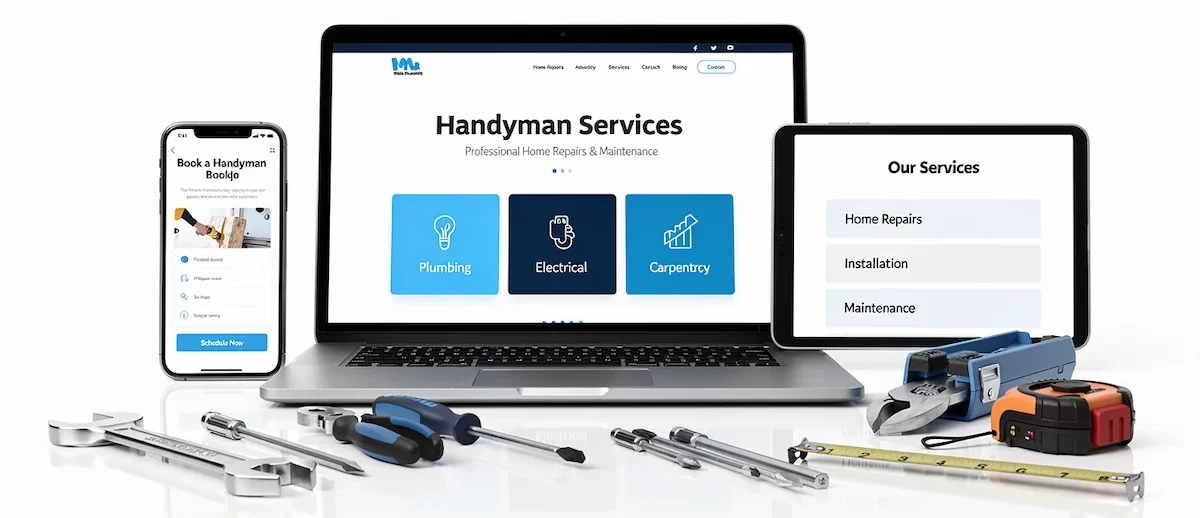
Trust and reliability count for more than speed.
| Detail | Info |
|---|---|
| Startup Cost | $1,500 to $4,000 |
| Time to First Income | 2 to 4 weeks |
| Typical Pricing | $50 to $100 an hour, average job $150 to $500 |
| Skill Level | Medium |
| Best For | People good with basic repairs who work well alone |
Pros
- Steady demand for small jobs
- Tool list grows with your income
- Referrals bring repeat work
Cons
- Physical and unpredictable days
- Electrical and plumbing work may need a license
- Liability means you need insurance
6. Pet Sitting and Dog Walking
Pet sitting costs little to start and works well in busy neighborhoods.
Create a profile on Rover or Wag, ask neighbors for referrals and send owners photos and updates. Trust sells this business more than any ad. Get a pet first aid certificate and insurance before your first overnight stay.
| Detail | Info |
|---|---|
| Startup Cost | $350 to $850 |
| Time to First Income | 1 to 2 weeks |
| Typical Pricing | Dog walks $15 to $30, overnight visits $25 to $75 |
| Skill Level | Low |
| Best For | Animal lovers who want flexible hours |
Pros
- Very low startup cost
- Fast to the first booking
- Regular schedules bring steady income
Cons
- Pets do not reschedule
- Holidays and weekends are busy
- One missed visit can lose a client
7. Tutoring
Tutoring suits teachers, students and anyone strong in one subject. List yourself on Wyzant or Varsity Tutors, post in local parent groups and start with a few regular students.
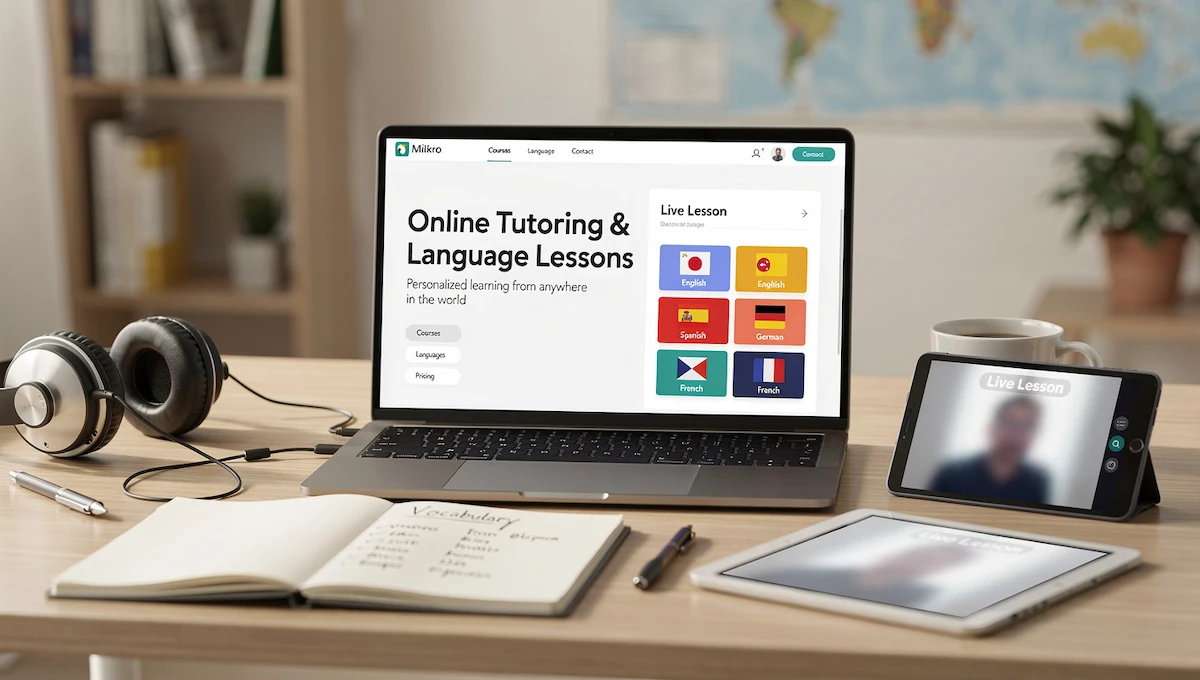
Test prep pays the highest rates. If you like working with children, see our business ideas working with kids.
| Detail | Info |
|---|---|
| Startup Cost | $175 to $600 |
| Time to First Income | 1 to 2 weeks |
| Typical Pricing | $25 to $80 an hour |
| Skill Level | Low |
| Best For | Teachers, graduate students and subject experts |
Pros
- Cheapest start in the service group
- Students come back each week
- Works online or in person
Cons
- Income is tied to your hours
- Evenings are the busy time
- A background check may be required
8. Personal Training
Personal training starts with a certificate such as ACE or NASM, a few pieces of basic gear and insurance.

Train friends at a discount, collect testimonials and show workout clips on Instagram. Online coaching raises the ceiling, because you are not limited to local clients.
| Detail | Info |
|---|---|
| Startup Cost | $950 to $2,600 |
| Time to First Income | 2 to 4 weeks |
| Typical Pricing | $30 to $100+ per session, online coaching $150 to $500 a month per client |
| Skill Level | Medium |
| Best For | Fitness fans who like coaching |
Pros
- High price per session
- Works at parks, homes or online
- Packages create repeat income
Cons
- The certificate costs money
- Early mornings and evenings
- Clients can quit when motivation fades
9. House Painting
House painting works best when you start with small interior jobs and build a gallery of before and after photos. You need brushes, rollers, drop cloths and ladders, plus insurance, and a vehicle if you do not already own one.
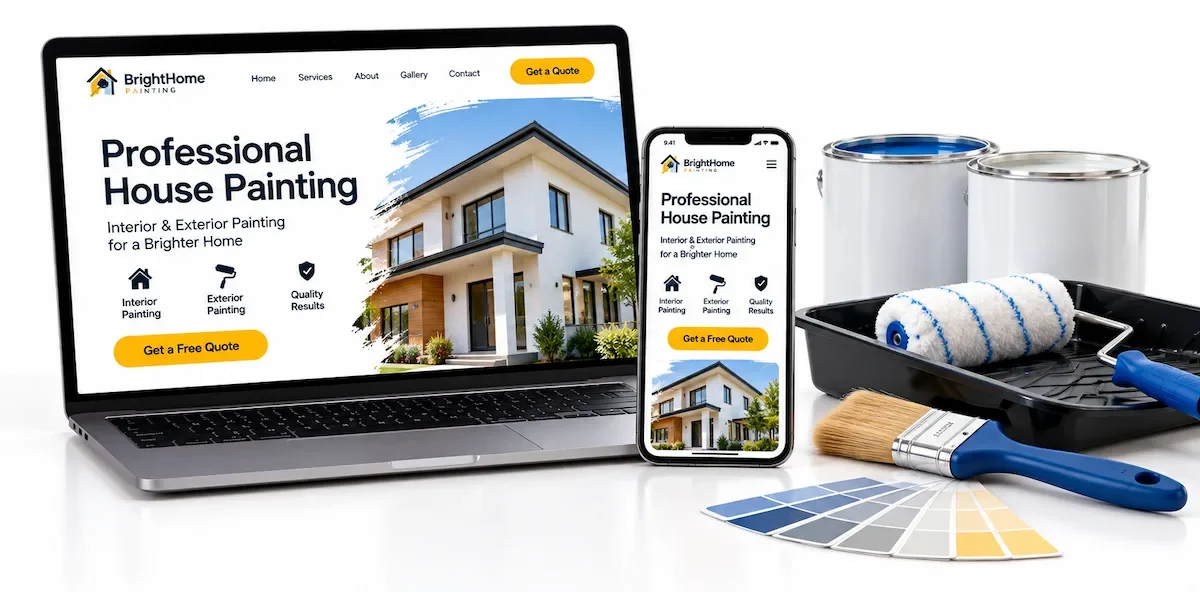
Post your work on local Facebook groups, Nextdoor and Thumbtack. Interior rooms are the easiest first jobs, and exterior projects pay much more.
| Detail | Info |
|---|---|
| Startup Cost | $800 to $4,200 |
| Time to First Income | 2 to 4 weeks |
| Typical Pricing | Interior room $200 to $600, exterior projects $1,500 to $4,000+ |
| Skill Level | Medium |
| Best For | Handy people who pay attention to detail |
Pros
- High price per project
- Photos market the work
- Referrals bring more jobs
Cons
- Physical and project-based
- Exterior work is seasonal
- Needs insurance and often a vehicle
10. Pool Maintenance
Pool maintenance pays through routes. You clean pools, balance the chemicals and visit on a weekly schedule, so each pool becomes a monthly payment.
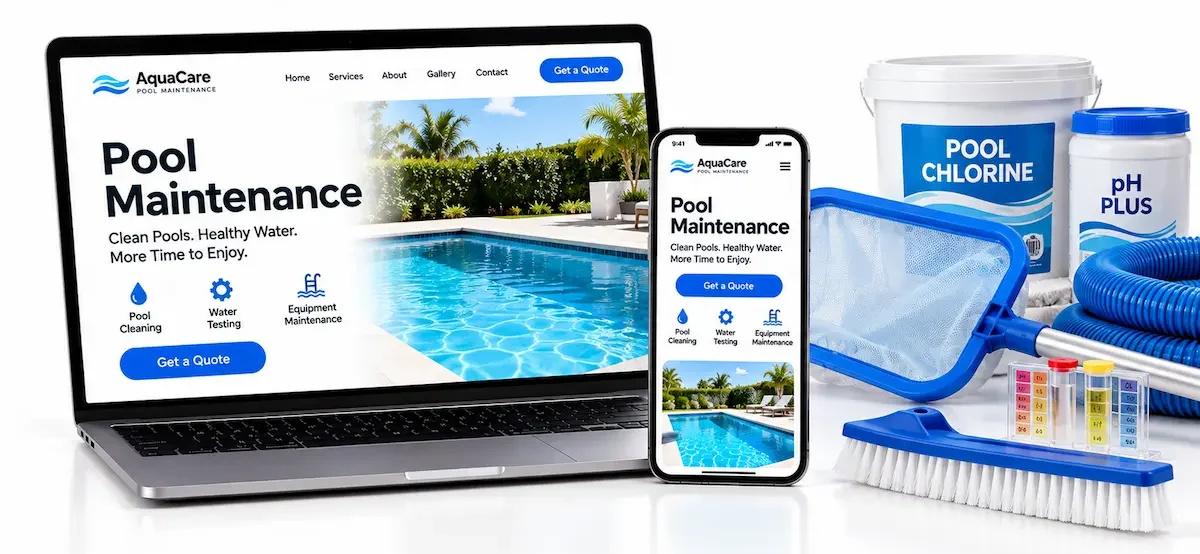
Learn the basics of pool chemistry from free videos, buy a skimmer, vacuum, brushes and a test kit, and knock on doors in neighborhoods with pools. A route of 20 to 30 pools makes solid recurring income.
| Detail | Info |
|---|---|
| Startup Cost | $700 to $1,700 |
| Time to First Income | 1 to 2 weeks |
| Typical Pricing | $80 to $200 a month per pool |
| Skill Level | Low |
| Best For | People in warm climates who want steady repeat customers |
Pros
- Recurring monthly income
- Low startup cost
- Routes build a predictable schedule
Cons
- Works best in warm climates
- Chemicals need careful handling
- Weekly visits in all kinds of weather
11. Junk Removal
Junk removal needs a truck or a trailer, a way to pay dump fees and a good local ad. Customers call for garage cleanouts, moves and estate cleanups, and they pay for speed and no effort.
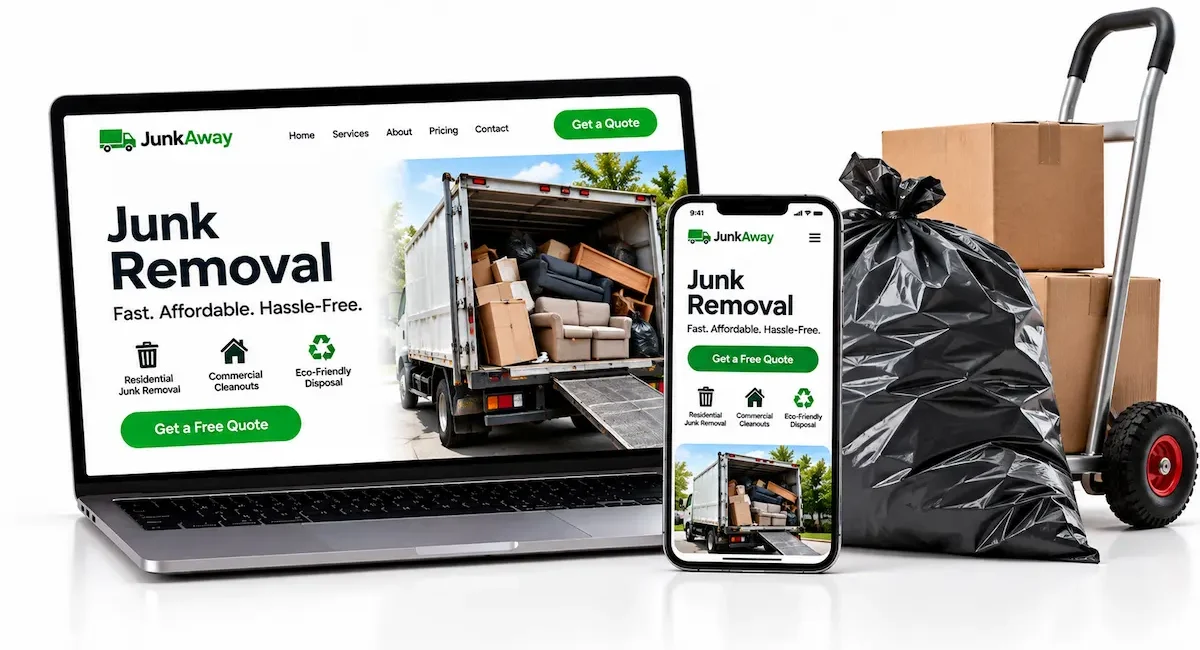
Resell or donate usable items for extra income. Large cleanouts and estate jobs pay the most.
| Detail | Info |
|---|---|
| Startup Cost | $2,000 to $5,000 |
| Time to First Income | 1 to 2 weeks |
| Typical Pricing | Average job $150 to $600, large cleanouts $500 to $2,000 |
| Skill Level | Low |
| Best For | People with a truck who do not mind heavy lifting |
Pros
- High price per job
- Low skill barrier
- Resale of usable items adds income
Cons
- Heavy lifting
- Dump fees and fuel cut into profit
- The truck can use most of the budget
12. Carpet and Upholstery Cleaning
Carpet and upholstery cleaning starts with a portable extraction machine, cleaning solutions and a few local ads. Homes need cleaning every 6 to 12 months, so happy customers become repeat customers.
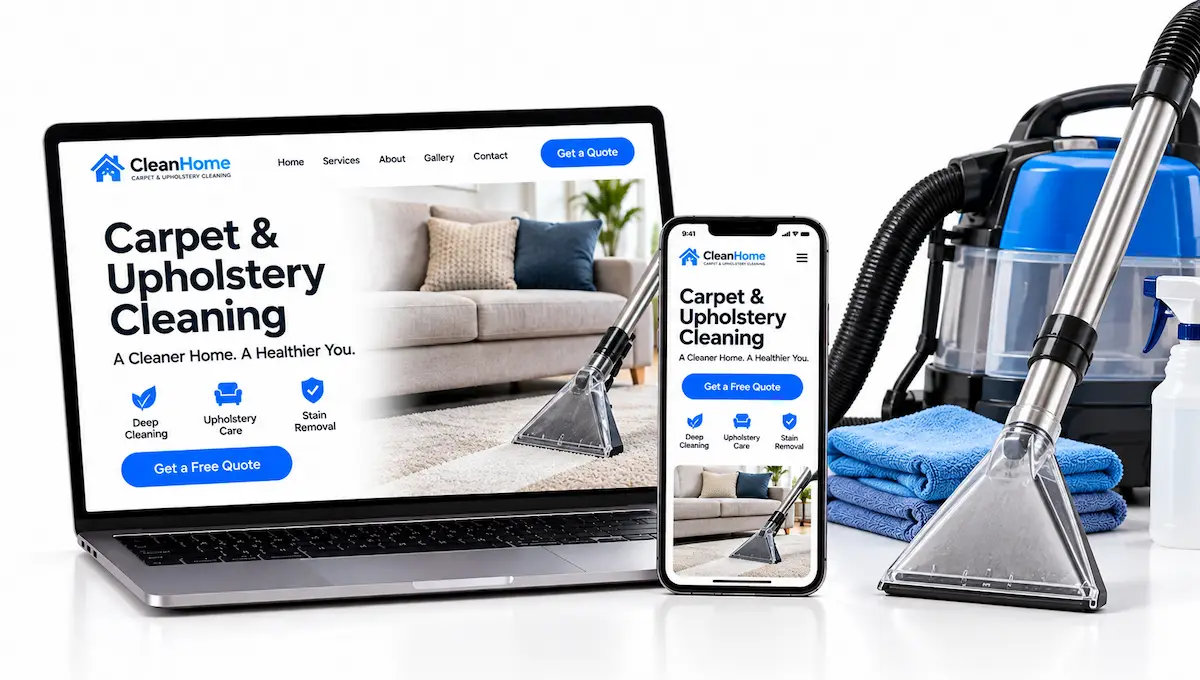
Offer a stain protection upsell and ask for a review after every job.
| Detail | Info |
|---|---|
| Startup Cost | $3,000 to $5,000 |
| Time to First Income | 1 to 2 weeks |
| Typical Pricing | $25 to $75 per room, $150 to $400 for a whole house |
| Skill Level | Low |
| Best For | People who like detail work and repeat customers |
Pros
- Customers repeat every 6 to 12 months
- Easy upsells like stain protection
- Clear pricing per room
Cons
- The machine uses most of the budget
- Heavy equipment
- Demand rises and falls with the seasons
Online and Digital Business Ideas Under 5K
These online business ideas can run from home and serve clients anywhere. The tradeoff is time. Pitching and building a portfolio usually take a few weeks before the first paid job, so plan your cash for that gap. Most online ideas under 5k need only a laptop and a few hundred dollars of the $5,000.
13. Virtual Assistant
A virtual assistant handles email, scheduling, research and other admin tasks for busy owners.
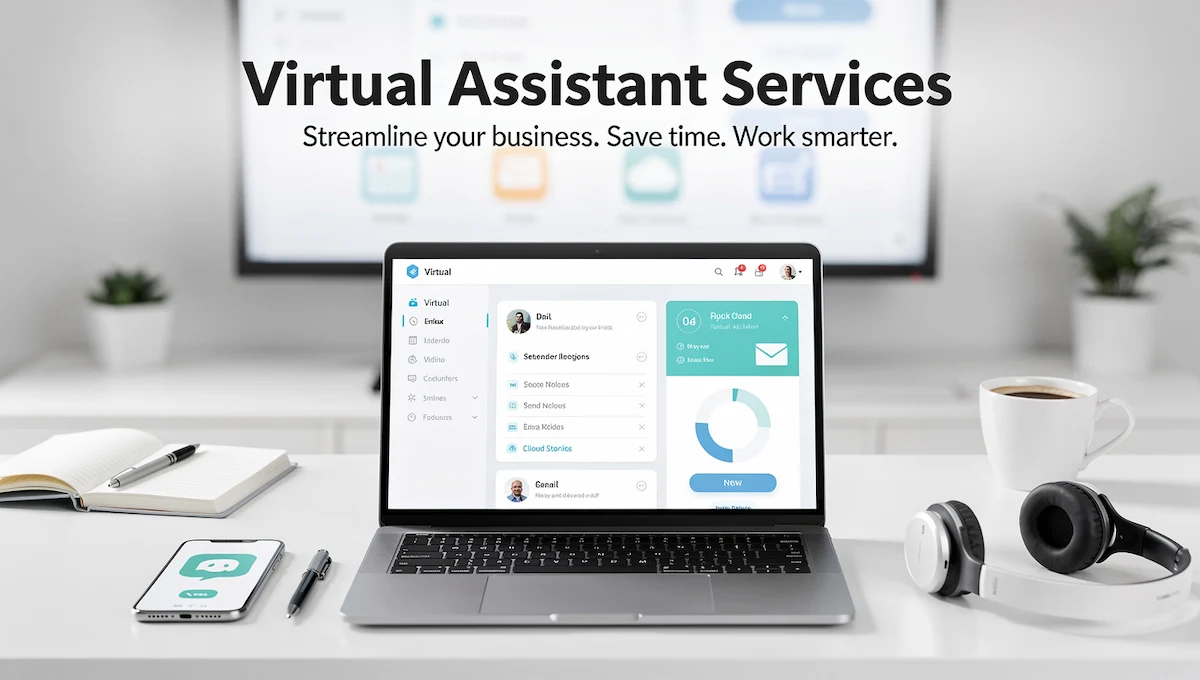
Pick one specialty, such as real estate or podcast support, and pitch on Upwork, Fiverr and LinkedIn. Start with lower rates to collect reviews, then raise them. Assistants who like operations can grow into an online business manager role.
| Detail | Info |
|---|---|
| Startup Cost | $200 to $1,500 |
| Time to First Income | 2 to 4 weeks |
| Typical Pricing | $20 to $25 an hour at entry, $50 to $75+ for specialists |
| Skill Level | Low |
| Best For | Organized people who want a remote business |
Pros
- Almost no startup cost
- Clients keep good assistants for years
- A specialty raises your rate
Cons
- Routine work
- Low rates at the start
- Clients expect fast replies
14. Freelance Writing
Freelance writing needs a laptop and a few samples.
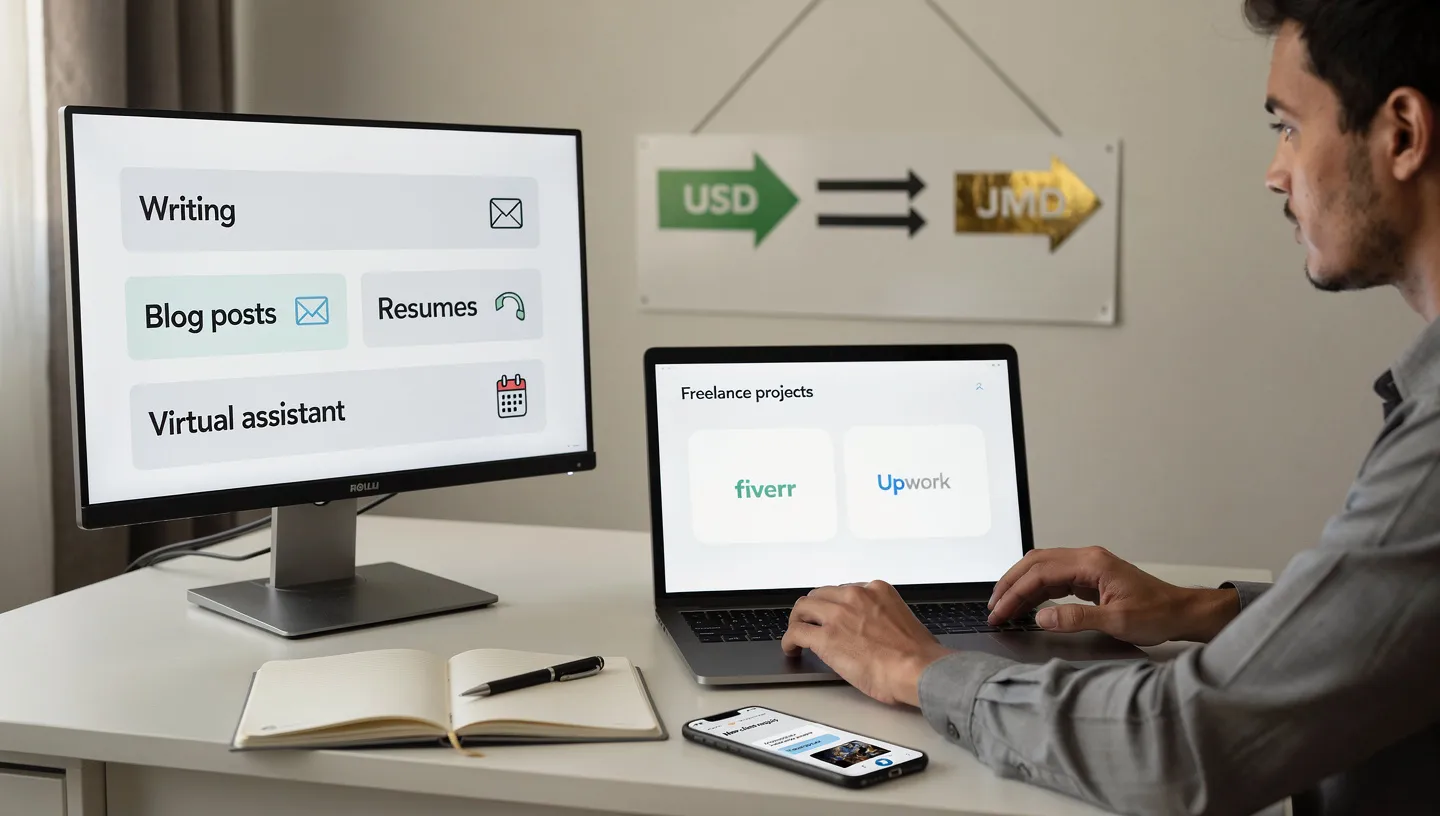
Write three to five pieces in one niche such as finance, health or tech, build a simple portfolio and pitch small businesses that need website copy. Specialists earn more than generalists. Expect two to six weeks before the first paid job.
| Detail | Info |
|---|---|
| Startup Cost | $50 to $1,400 |
| Time to First Income | 2 to 6 weeks |
| Typical Pricing | $0.10 to $1.00+ per word |
| Skill Level | Medium |
| Best For | Clear writers who can handle pitching |
Pros
- Starts for almost nothing
- Work from anywhere
- Retainers bring steady monthly income
Cons
- Pitching takes thick skin
- Low rates at first
- Income can be uneven
15. Social Media Management
Social media managers plan posts, make content and reply to comments for businesses that have no time for it.
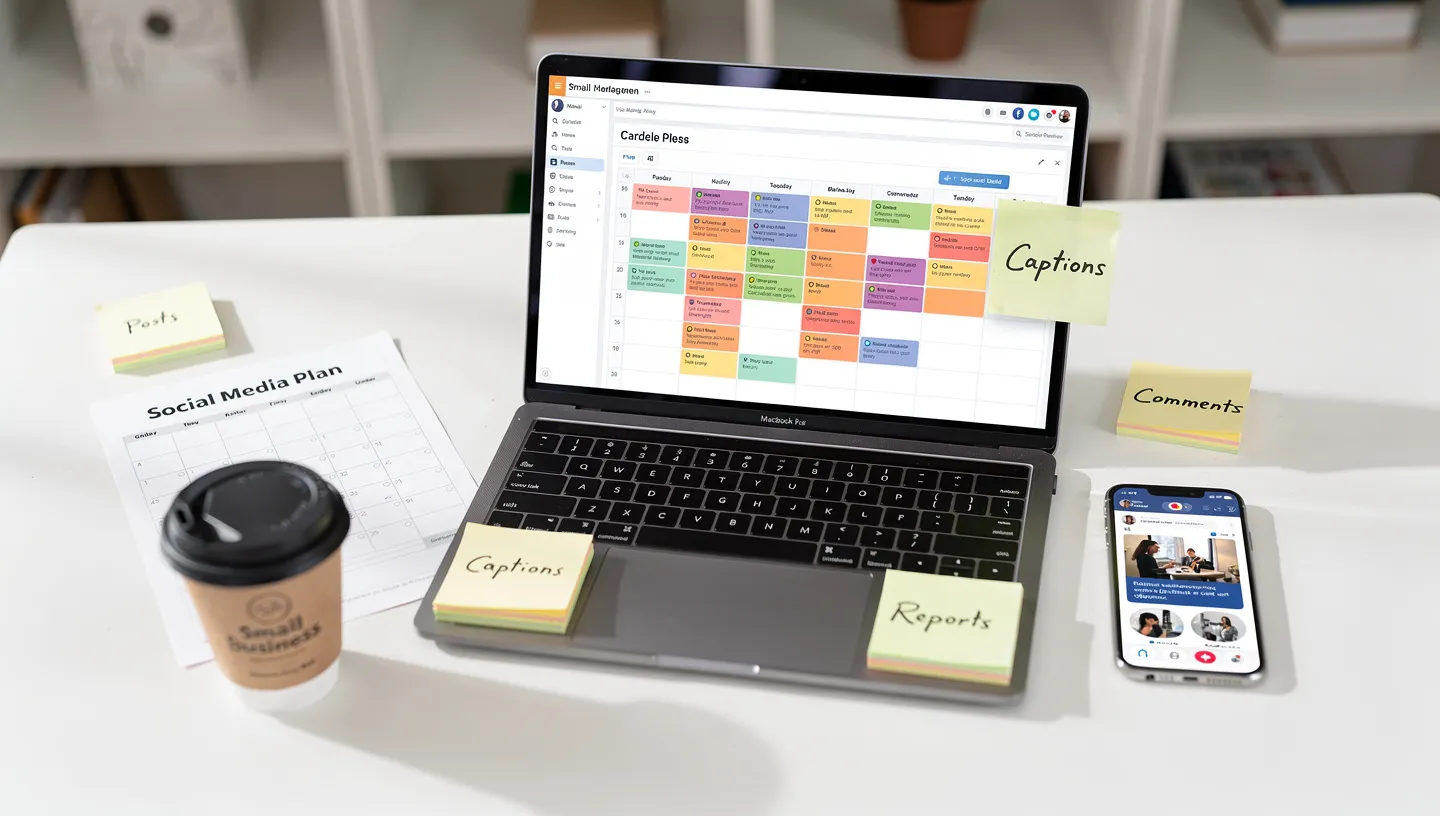
Build your own account first as proof, then offer a discounted first month to local shops. Three to five clients can bring in a full-time income.
| Detail | Info |
|---|---|
| Startup Cost | $100 to $1,500 |
| Time to First Income | 2 to 4 weeks |
| Typical Pricing | $500 to $2,500 a month per client |
| Skill Level | Medium |
| Best For | People who follow platform trends |
Pros
- Low startup cost
- Monthly retainers
- Local businesses always need help
Cons
- Results are judged in public
- Platform changes keep you learning
- Some clients expect fast growth
16. Graphic Design
Graphic designers make logos, social graphics and marketing material. Build a portfolio of five to ten samples, even free ones, then list yourself on 99designs, Dribbble and Upwork. Package deals attract first clients.
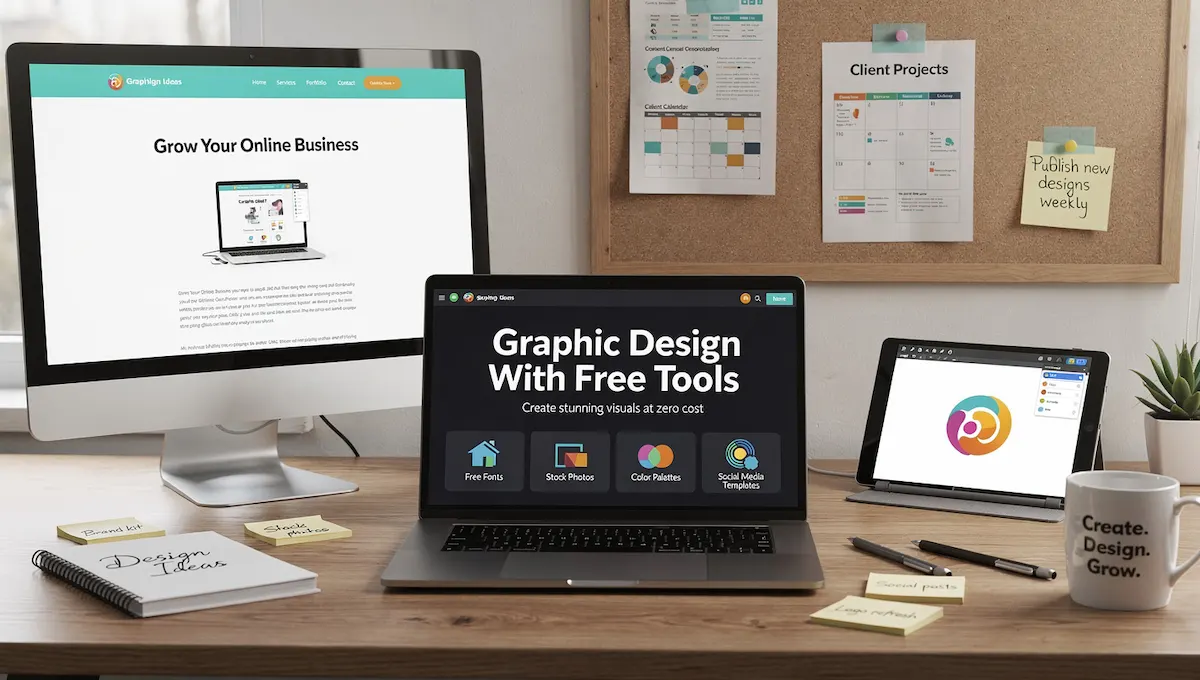
Need a quick logo for your own brand? See our guide to AI tools for 3D logo.
| Detail | Info |
|---|---|
| Startup Cost | $100 to $2,000 |
| Time to First Income | 2 to 4 weeks |
| Typical Pricing | $25 to $75 an hour, logo projects $200 to $2,500 |
| Skill Level | Medium |
| Best For | Creative people with software skills |
Pros
- Low startup cost
- Packages and retainers raise income
- Your portfolio brings in clients
Cons
- Crowded market
- Revisions eat time
- Software subscriptions add up
17. Bookkeeping
Bookkeepers keep records, send invoices and prepare numbers for tax time.
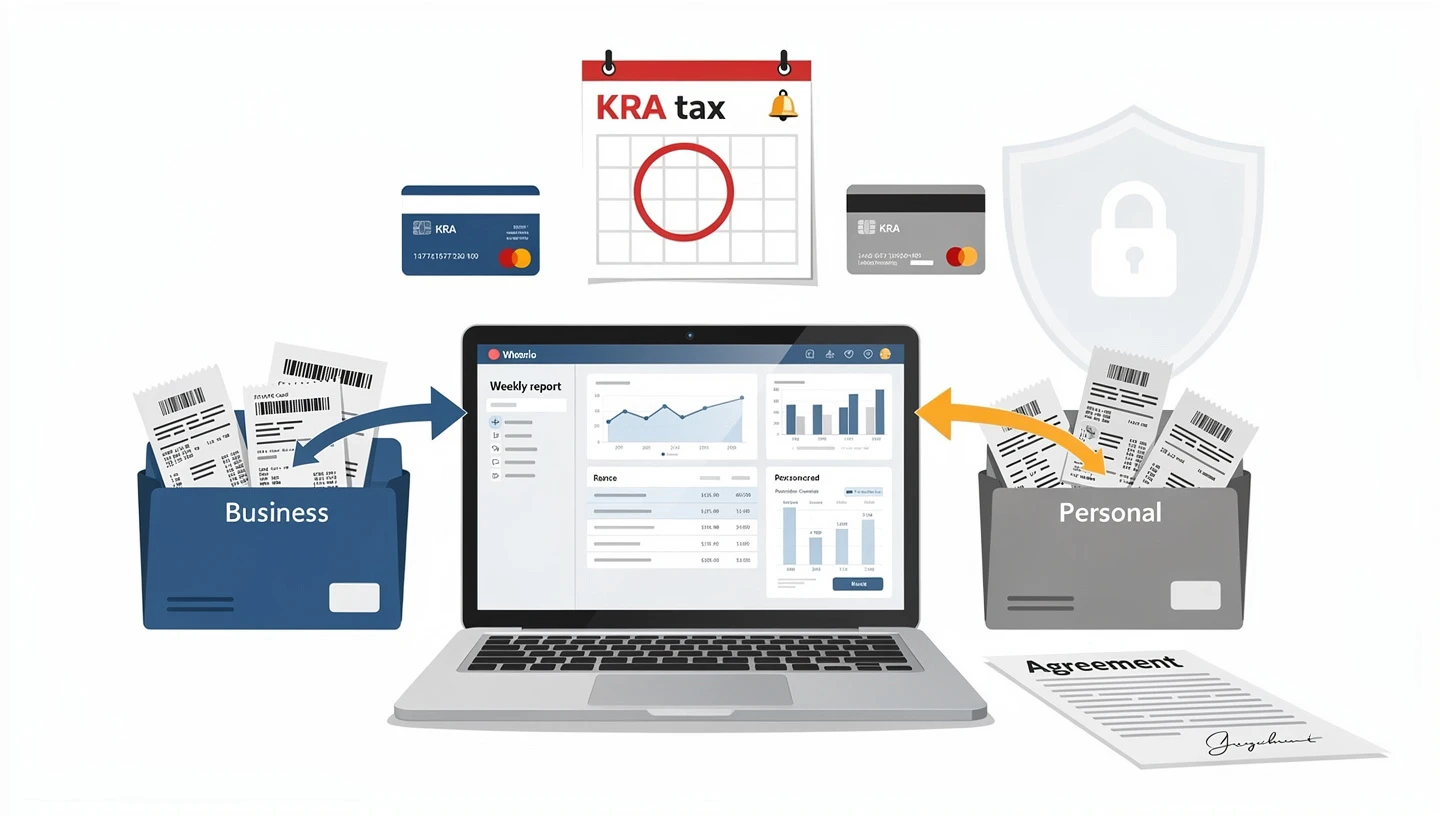
Start with freelancers and small businesses, and take a QuickBooks or Bookkeepers.com course if you have no background. Monthly packages give you steady income.
| Detail | Info |
|---|---|
| Startup Cost | $200 to $2,000 |
| Time to First Income | 2 to 4 weeks |
| Typical Pricing | $30 to $60 an hour, monthly packages $200 to $800 |
| Skill Level | Medium |
| Best For | Detail-minded people who like numbers |
Pros
- Recurring monthly clients
- Low startup cost
- Small businesses always need it
Cons
- Mistakes cost clients money
- Tax season is crowded
- Needs training if you are new
18. SEO Consulting
SEO consultants help local businesses rank higher in search. Learn the basics from free guides such as the Google SEO Starter Guide and Moz, offer a discounted audit to a few shops and turn their results into case studies.
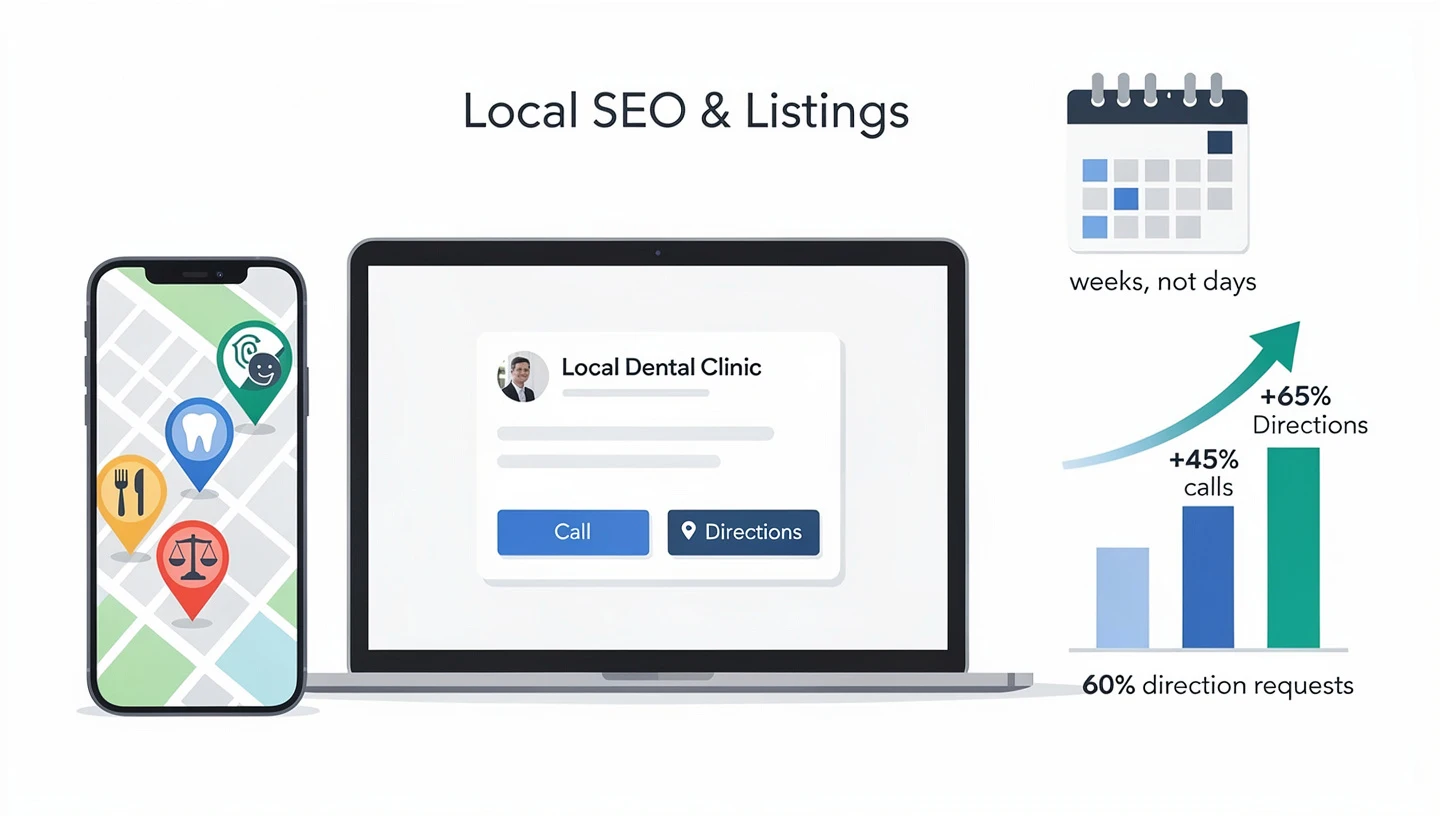
Retainers pay best, but trust takes time to build.
| Detail | Info |
|---|---|
| Startup Cost | $50 to $1,200 |
| Time to First Income | 1 to 2 months |
| Typical Pricing | $75 to $200 an hour, or $500 to $5,000 a month on retainer |
| Skill Level | High |
| Best For | Analytical people who like data |
Pros
- High rates
- Almost no equipment
- Retainers repeat every month
Cons
- Results take months
- The skill takes time to learn
- Hard to sell without case studies
19. Web Design for Small Businesses
Small business owners want a site that loads fast, looks credible and brings in calls.

Templates and page builders do most of the work, so you can build one clean demo and repeat the setup for each client. Monthly maintenance plans turn one-off jobs into regular income.
| Detail | Info |
|---|---|
| Startup Cost | Under $300 |
| Time to First Income | 3 to 6 weeks |
| Typical Pricing | Per project, based on pages and features |
| Skill Level | Medium |
| Best For | People who like templates and clear steps |
Pros
- Very low startup cost
- Maintenance plans repeat
- Local owners need sites
Cons
- Revisions drag on
- Competes with cheap builders
- Client support never really ends
20. Print-on-Demand Store
Print-on-demand lets you sell shirts, mugs and phone cases while Printful or Printify prints and ships each order.

You pay for the product only after a sale. Pick a small niche such as dog lovers or a hobby, design five to ten products and promote them on Pinterest or TikTok.
| Detail | Info |
|---|---|
| Startup Cost | $100 to $700 |
| Time to First Income | 1 to 3 months |
| Typical Pricing | Margins of 20% to 40% per item |
| Skill Level | Medium |
| Best For | People with design skill and a clear niche |
Pros
- No stock to buy
- The platform is free to start
- Easy to test niches
Cons
- Thin margins
- Slow sales without a niche
- Shipping times are out of your hands
21. Online Course Creator
An online course turns one skill you know well into something you can sell many times.
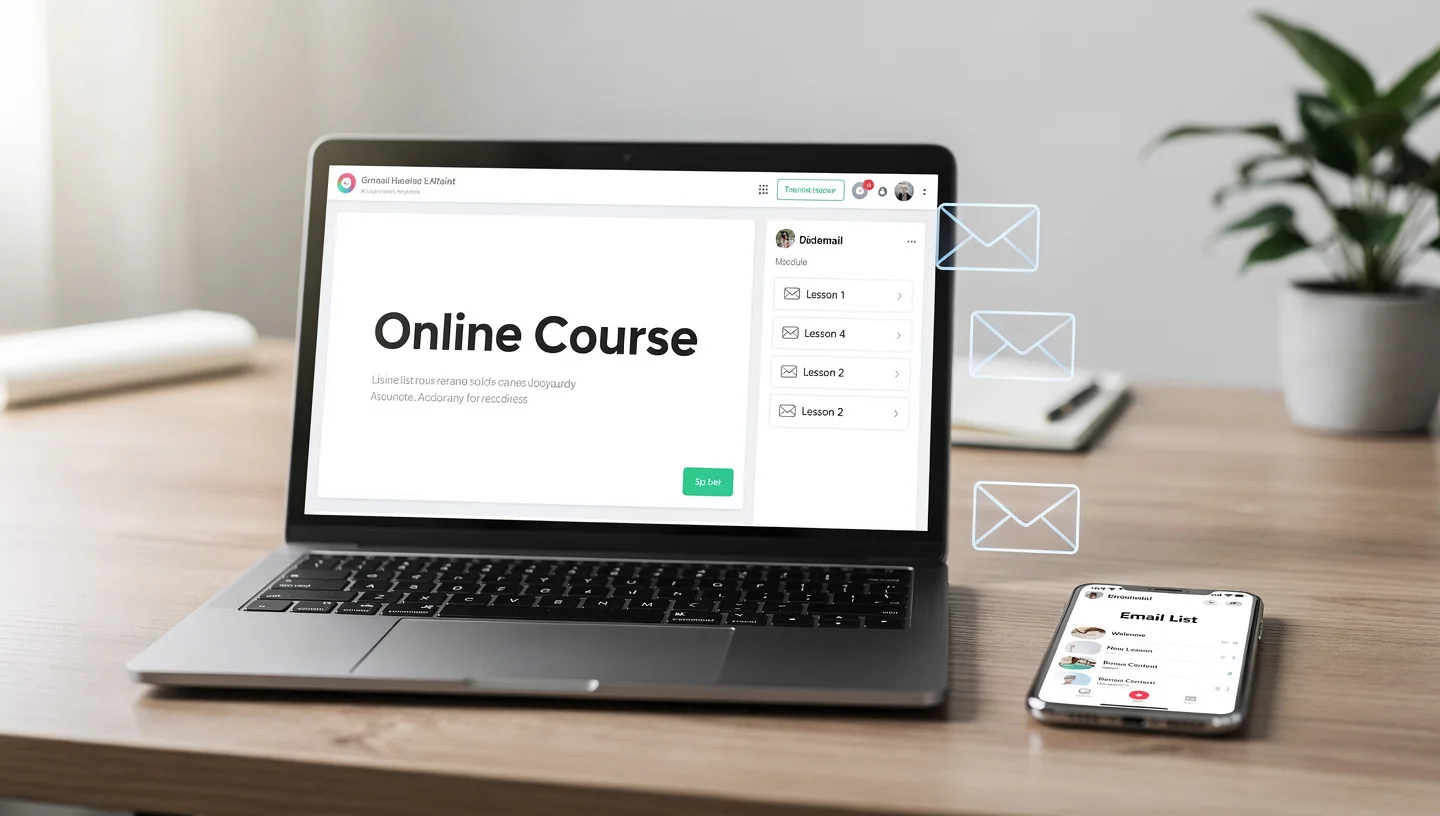
Pick a topic, outline five to ten lessons and record them with a decent microphone and a screen recorder. Pre-sell the course before you finish building it, so you know people want it. Teachable, Udemy and Thinkific host the course for you.
| Detail | Info |
|---|---|
| Startup Cost | $100 to $1,500 |
| Time to First Income | 1 to 3 months |
| Typical Pricing | Set by you per course, platform plans cost $0 to $99 a month |
| Skill Level | High |
| Best For | People with specialized knowledge who want passive income |
Pros
- Sells again and again after the build
- Low equipment cost
- Pre-selling tests demand
Cons
- Building takes weeks
- Needs marketing to find buyers
- Income is slow at first
22. Blogging and Content Creation
A blog earns from ads, affiliate links, sponsored posts and digital products, but it pays slowly. Pick a niche you can write about every week, publish two to three posts a week and build an email list from day one. Plan for 6 to 18 months before the income becomes meaningful.
| Detail | Info |
|---|---|
| Startup Cost | $50 to $800 |
| Time to First Income | 6 to 18 months |
| Typical Pricing | Ads, affiliate commissions and sponsors, no fixed rate |
| Skill Level | High |
| Best For | Patient writers who can wait 6 to 12 months for a return |
Pros
- Very low startup cost
- Income can grow without more hours
- Builds an audience you own
Cons
- Slowest payback on this list
- Crowded niches
- Traffic depends on search and social changes
23. AI Prompt Consulting
AI prompt consultants help businesses and creators get better results from tools like ChatGPT, Claude and Midjourney. Build a portfolio of prompt templates and workflow examples, run free workshops and post helpful content on LinkedIn and YouTube. Clients want someone who can explain AI tools in plain words.
| Detail | Info |
|---|---|
| Startup Cost | $100 to $700 |
| Time to First Income | 2 to 4 weeks |
| Typical Pricing | Per workshop or project, set by scope |
| Skill Level | Medium |
| Best For | Tech-curious people who can explain tools clearly |
Pros
- Very low startup cost
- Growing demand from small businesses
- Workshops build trust fast
Cons
- New field with no fixed rates
- Tools change quickly
- Needs a portfolio to win clients
24. IT Support and Computer Repair
Small businesses and homes need help with computers, networks and printers, but they cannot afford a full-time IT team. Start with diagnostic tools, a small parts stock and a basic certification such as CompTIA A+. Managed IT plans give you steady monthly income from each business client.
| Detail | Info |
|---|---|
| Startup Cost | $2,000 to $4,000 |
| Time to First Income | 2 to 4 weeks |
| Typical Pricing | $50 to $150 an hour, managed IT $500 to $2,000 a month per business, repairs $100 to $300 |
| Skill Level | Medium |
| Best For | Tech-savvy people who like solving problems |
Pros
- Steady demand from small businesses
- Monthly plans repeat
- Good hourly rates
Cons
- Needs ongoing learning
- Emergency calls
- Liability if client data is lost
Product Business Ideas Under 5K
Product-based businesses under 5k need money for materials, packaging and shipping, so they cost more than services. In return, you build something people buy again and again. Test with small batches or pre-orders before you buy inventory in bulk.
25. Handmade Candles and Soap
Handmade goods work when you sell to a specific group instead of everyone. Make small batches, test what sells on Etsy, and add local craft fairs and farmers markets. Repeat buyers drive the profit, so keep your scents simple and your packaging neat.
| Detail | Info |
|---|---|
| Startup Cost | $850 to $2,500 |
| Time to First Income | 2 to 4 weeks |
| Typical Pricing | Candles $15 to $40, soap bars $5 to $15 |
| Skill Level | Medium |
| Best For | Makers who like crafting |
Pros
- Low materials cost
- Repeat buyers
- Sells online and at local events
Cons
- Marketplace fees
- Packaging and branding take time
- Hard to stand out
26. Microgreens
Microgreens grow in a spare room, basement or garage on a shelf with lights. Offer samples to local restaurants and chefs, then add a stall at a weekend farmers market. Watch free growing videos before you buy trays in bulk.
| Detail | Info |
|---|---|
| Startup Cost | $400 to $1,150 |
| Time to First Income | 2 to 4 weeks |
| Typical Pricing | $20 to $50 per pound |
| Skill Level | Medium |
| Best For | Gardeners who like food and health |
Pros
- Small space is enough
- Restaurants buy every week
- Low cost to scale up
Cons
- Growing mistakes ruin batches
- Needs steady delivery
- Mold and moisture take practice
27. Subscription Box
A subscription box ships a themed set of products each month, such as snacks, pet treats or self-care items. Pick a narrow niche, source four to six items per box and take pre-orders before you buy in bulk. Profit grows with volume, since bulk buying cuts the cost per box.
| Detail | Info |
|---|---|
| Startup Cost | $1,500 to $4,000 |
| Time to First Income | 1 to 3 months |
| Typical Pricing | $25 to $75 per box |
| Skill Level | High |
| Best For | People who like finding and picking products |
Pros
- Recurring monthly income
- Pre-orders test demand first
- Bulk buying lifts the margin
Cons
- Needs money for stock
- Shipping costs eat profit
- Subscribers cancel
Rental and Event Business Ideas Under 5K
Rental businesses under 5k pay a lot per booking, but they need gear, storage and insurance, and most of the work happens on weekends. Start with one good item and put the profit into more.
28. Bounce House Rentals
A bounce house business needs one good unit, a blower, insurance and a way to deliver it. List it on local Facebook groups and rental sites, deliver it yourself on weekends and put the profit into more units. Insurance is not optional here.
| Detail | Info |
|---|---|
| Startup Cost | $2,000 to $5,000 |
| Time to First Income | 1 to 2 weeks |
| Typical Pricing | $150 to $350 per day |
| Skill Level | Low |
| Best For | People with storage space and a vehicle |
Pros
- High pay per booking
- One unit can pay for itself in a few rentals
- Add more units with the profit
Cons
- Weekend-heavy schedule
- Weather cancels bookings
- Liability and insurance cost
29. Wedding and Party Decor Rentals
Start with a small set of pieces that fit many events, such as arches, vases, linens and signs. Photograph them well and post on Instagram, Pinterest and wedding sites. Bridal shows put you in front of couples. Storage can cost extra.
| Detail | Info |
|---|---|
| Startup Cost | $1,200 to $3,800 |
| Time to First Income | 2 to 4 weeks |
| Typical Pricing | Arches $150 to $500 a weekend, packages $500 to $1,500+ |
| Skill Level | Medium |
| Best For | Design-minded people who like weddings |
Pros
- High margin per piece
- Good photos sell the items
- Pieces rent again and again
Cons
- Seasonal demand
- Storage and transport
- Damage and cleaning between events
30. Vending Machines
A used vending machine, a first batch of snacks and a good location are enough to start. Ask gyms, laundromats and offices about placement, track what sells and add machines slowly. The income is partly passive, but you still restock every week.
| Detail | Info |
|---|---|
| Startup Cost | $1,250 to $3,900 |
| Time to First Income | 2 to 4 weeks |
| Typical Pricing | $200 to $500 a month per machine |
| Skill Level | Low |
| Best For | People who want semi-passive income |
Pros
- Light time commitment
- Add machines slowly
- No customers to talk to
Cons
- Good spots are hard to get
- Breakdowns and theft
- Income per machine is small
31. Photography
Photographers sell portraits, events, product shots and real estate photos. Build a portfolio with free or cheap shoots for friends and local shops, post on Instagram and add a booking page. The camera and lenses are the big cost. For editing group shots, see our list of AI tools to add a person to a photo.
| Detail | Info |
|---|---|
| Startup Cost | $1,200 to $3,500 |
| Time to First Income | 2 to 4 weeks |
| Typical Pricing | Portraits $150 to $500, weddings $1,500 to $5,000+, product shots $25 to $75 per image |
| Skill Level | Medium |
| Best For | People with an eye for light and composition |
Pros
- High price per session
- Several income streams
- Referrals grow the business
Cons
- Gear costs add up
- Weekend wedding work
- Editing takes a lot of time
32. Event Planning
Event planners run birthdays, weddings and company parties. Volunteer for friends, family and community groups to build a portfolio, then market to local businesses and wedding sites. Startup costs are small because you sell organization, not products.
| Detail | Info |
|---|---|
| Startup Cost | $250 to $750 |
| Time to First Income | 2 to 4 weeks |
| Typical Pricing | $500 to $3,000+ per event |
| Skill Level | Medium |
| Best For | Organized people who stay calm under pressure |
Pros
- Low startup cost
- Vendor commissions can add income
- High pay per event
Cons
- Stress on event day
- Income can be uneven
- You need a portfolio first
Emerging Business Ideas for 2026
A few newer ideas also fit a small budget. AI prompt consulting is covered above, and these three follow the same low-cost pattern.
- Newsletter ghostwriting: you write email newsletters for experts and busy founders who have no time to do it.
- Digital product shops: you sell templates, planners and printables on Etsy or your own site, and each file sells again and again.
- Niche online courses: a short course on one narrow skill can sell well to a small, focused group.
These ideas have low startup costs, but they take time to build an audience, so treat them as a side hustle first.
Business Ideas Under 5K Compared
Here is a quick comparison of every idea in this guide. Use it to narrow the list by cost, speed and skill.
| Business Idea | Startup Cost | Time to First Income | Skill Level |
|---|---|---|---|
| Cleaning Business | $650 to $1,600 | 1 to 2 weeks | Low |
| Lawn Care and Landscaping | $800 to $4,300 | 1 to 2 weeks | Low |
| Pressure Washing | $2,500 to $5,000 | 1 to 2 weeks | Low |
| Mobile Car Detailing | $1,000 to $2,700 | 1 to 2 weeks | Low |
| Handyman Services | $1,500 to $4,000 | 2 to 4 weeks | Medium |
| Pet Sitting and Dog Walking | $350 to $850 | 1 to 2 weeks | Low |
| Tutoring | $175 to $600 | 1 to 2 weeks | Low |
| Personal Training | $950 to $2,600 | 2 to 4 weeks | Medium |
| Virtual Assistant | $200 to $1,500 | 2 to 4 weeks | Low |
| Freelance Writing | $50 to $1,400 | 2 to 6 weeks | Medium |
| Social Media Management | $100 to $1,500 | 2 to 4 weeks | Medium |
| Graphic Design | $100 to $2,000 | 2 to 4 weeks | Medium |
| Bookkeeping | $200 to $2,000 | 2 to 4 weeks | Medium |
| SEO Consulting | $50 to $1,200 | 1 to 2 months | High |
| Web Design for Small Businesses | Under $300 | 3 to 6 weeks | Medium |
| Print-on-Demand Store | $100 to $700 | 1 to 3 months | Medium |
| Handmade Candles and Soap | $850 to $2,500 | 2 to 4 weeks | Medium |
| Microgreens | $400 to $1,150 | 2 to 4 weeks | Medium |
| Subscription Box | $1,500 to $4,000 | 1 to 3 months | High |
| Bounce House Rentals | $2,000 to $5,000 | 1 to 2 weeks | Low |
| Wedding and Party Decor Rentals | $1,200 to $3,800 | 2 to 4 weeks | Medium |
| Vending Machines | $1,250 to $3,900 | 2 to 4 weeks | Low |
| Photography | $1,200 to $3,500 | 2 to 4 weeks | Medium |
| Event Planning | $250 to $750 | 2 to 4 weeks | Medium |
| House Painting | $800 to $4,200 | 2 to 4 weeks | Medium |
| Pool Maintenance | $700 to $1,700 | 1 to 2 weeks | Low |
| Junk Removal | $2,000 to $5,000 | 1 to 2 weeks | Low |
| Carpet and Upholstery Cleaning | $3,000 to $5,000 | 1 to 2 weeks | Low |
| Online Course Creator | $100 to $1,500 | 1 to 3 months | High |
| Blogging and Content Creation | $50 to $800 | 6 to 18 months | High |
| AI Prompt Consulting | $100 to $700 | 2 to 4 weeks | Medium |
| IT Support and Computer Repair | $2,000 to $4,000 | 2 to 4 weeks | Medium |
Quick Picks by Goal
If you do not want to read all 32 reviews of business ideas under 5k, start with one of these picks.
- Fastest to first dollar: cleaning, lawn care, pet sitting, tutoring and junk removal, all within one to two weeks.
- Lowest startup cost: freelance writing, SEO consulting, blogging, web design and tutoring.
- Best with no experience: cleaning, pet sitting and lawn care. Teens can read how to start an online business at 15.
- Best to run part-time as a side hustle: pet sitting, tutoring, event planning, blogging and vending machines.
- Best online from home: virtual assistant, freelance writing, bookkeeping, graphic design and IT support.
- Best for repeat customers: cleaning, lawn care, pool maintenance, bookkeeping and social media management.
How to Start a Business Under 5K in 7 Steps
Once you pick one of the business ideas under 5k, the steps are mostly the same. Do them in this order so you do not spend money before you have your first customers. If you run the business part-time as a side hustle, the order stays the same.
Step 1: Validate Before You Spend
Ask three to five people to pay for your service at a discount. A simple landing page or a post in a local group works too. If nobody pays, change the offer before you buy gear.
Step 2: Register Your Business
Most people start as a sole proprietor, which is the fastest option. An LLC costs from about $50 to $500 depending on the state and keeps your home and savings apart from business debt. The SBA business guide explains the options for your state.
Step 3: Get Insurance, Licenses and Permits
Ask your city and state what you need before your first job. Food, pest control, home inspection and locksmith work usually need a license. Business insurance often runs from $200 to $600 a year, and it is not optional for rentals and anything that involves a customer’s property.
Step 4: Open a Business Bank Account
Keep business money in its own account so taxes stay clean. In the US you can get a free EIN on the IRS website, and banks often ask for it. Wave and QuickBooks track income and costs from day one.
Step 5: Build Your Brand and Online Presence
Pick a short name that is easy to spell and check that the web address and social handles are free. Make a simple logo in Canva or a free logo maker, set up a one-page site or social profile and fill in your Google Business Profile. Use the same name, colors and photo everywhere so people recognize you.
Step 6: Set Your Prices
Charge per job for one-off work and per month for retainers. Check what local competitors charge, then price at or slightly below them while you collect reviews. Raise your prices after your first ten customers.
Step 7: Get Your First Customers
Tell friends and neighbors, post in local Facebook and Nextdoor groups and offer a first-time discount. Ask every happy customer for a referral and a review. A Google Business Profile helps local buyers find you.
Free and Organic Marketing Strategies
You do not need a big ad budget to get customers. These free methods work for most business ideas under $5,000.
- Local groups: answer questions in Facebook groups and Nextdoor first, then mention your service when it fits.
- Google Business Profile: a free listing that shows your business in local searches. Ask every customer for a review.
- Referrals: give a small discount to customers who bring a friend.
- Before and after photos: they sell cleaning, painting, detailing and pressure washing better than any ad.
- Partnerships: work with businesses that meet your customers first, such as real estate agents for photography and cleaning, property managers for turnovers and wedding planners for rentals.
- Door to door and flyers: still the fastest way to find your first lawn care, painting or washing customers.
- Short videos: show your work on Instagram and TikTok, and post helpful tips on LinkedIn if you sell online services.
- Freelance and local platforms: Upwork and Fiverr for online work, Thumbtack for local jobs.
How to Measure Profit and Return on Investment
Return on investment tells you how fast the business pays back the money you put in. The formula is simple: net profit divided by startup cost, multiplied by 100. Net profit is what you keep after supplies, fuel, fees and insurance, not the money customers pay you.
Here is a simple example. Say a cleaning business costs $1,200 to start. In the first month you earn $2,000 from clients and spend $500 on supplies, fuel and fees. Your net profit is $1,500, so you recover the full $1,200 in under one month, which is a first-month return of 125%. Your own numbers will be different, but the math works the same way.
- Track revenue, costs and net profit every month.
- Divide startup cost by monthly net profit to see how many months it takes to get your money back.
- Compare the return on each service before you put profit into the next one.
Common Mistakes to Avoid
Most new owners lose money on the same few mistakes.
- Spending the whole budget on gear before you have a single customer.
- Skipping insurance and permits to save money, then paying much more after a problem.
- Pricing too low to cover your time, fuel and fees.
- Mixing personal and business money, which makes taxes harder.
- Relying on one customer for most of your income.
- Ignoring the seasons in lawn care, pool, painting and event businesses.
- Quitting your job too early before the business pays your bills.
- Not tracking costs, so you never know if you make a profit.
Tools You Need to Launch
You do not need many tools. Most of these have a free plan.
- Payments: Stripe, Square or PayPal.
- Scheduling and quotes: Calendly, Jobber or Housecall Pro.
- Invoices and accounting: Wave or QuickBooks.
- Design: Canva for flyers, social posts and a simple logo.
- Email and documents: Google Workspace.
- Finding clients: Upwork, Fiverr, LinkedIn and Thumbtack.
- Local visibility: Google Business Profile.
- Learning: free YouTube lessons, the Google SEO Starter Guide and QuickBooks courses.
Hidden Costs to Plan For
The price of gear is only part of the cost of any business under 5000 dollars. These are the hidden costs that catch most new owners.
- Insurance: often $200 to $600 a year.
- Licenses and permits: the cost depends on your city and state.
- Vehicle: fuel, repairs and a trailer if you need one.
- Software: accounting and scheduling tools often run $15 to $50 a month.
- Taxes: self-employment tax is roughly 15.3% of net income in the US.
- Payment fees: card and marketplace fees take a cut of each sale.
- Marketing: business cards, local ads and a website at $50 to $200 a year.
How to Fund a Business Under 5K
Most people use personal savings, a tax refund or money from a current job. Microloans from groups like Kiva or the SBA and crowdfunding can fill a gap. Avoid high-interest debt this early. Another path is seller financing, where you pay a down payment to buy a small existing business and pay the rest from its income. Check the books and the customer list before you agree to anything. If you have almost no money at all, read about online business without investment first.
Ways to Buy an Existing Business Under 5K
Buying a small business can be faster than starting one, because you get customers on day one. The price can fall under $5,000 for small websites, online shops, local routes and part-time service businesses.
- Online marketplaces: sites like Flippa list small websites and online shops for sale.
- Local routes: vending, pool and lawn care routes often sell with a customer list.
- Seller financing: pay part now and the rest from the income of the business.
- Training from the seller: ask for 30 to 60 days of help after the sale.
- Checks before you pay: look at bank records, the customer list, reviews and the reason the owner is selling.
Ask a local accountant or a lawyer to read the contract before you sign. A bought business can have debts or unhappy customers that are not obvious from the price.
How to Reinvest, Outsource and Grow From Solo to a Team
Once the first customers pay, the next step is growth. Most owners grow in this order.
- Reinvest the first profits in what brings more customers, such as marketing and better equipment, before you buy extras.
- Outsource the tasks you dislike or that limit your hours, such as bookkeeping, scheduling or social posts.
- Subcontract overflow work to trusted helpers before you hire full-time.
- Raise prices after you collect good reviews and your calendar fills up.
- Turn one-off jobs into contracts with weekly, monthly or yearly plans.
- Add a second service for the same customers, such as leaf removal with lawn care or window washing with cleaning.
State and Local Rules for US Founders
Rules differ from state to state and city to city, so check your state website and your city clerk before you start. These are the usual items to look up.
- A local business license from your city or county.
- State registration and the LLC filing fee if you form one.
- A sales tax permit if you sell products.
- An EIN from the IRS if you hire help or open a business bank account.
- Professional licenses for regulated trades.
- Home business and zoning rules if you work from your house.
- Business insurance for your type of work.
Outside the US the rules are different, so check local law first. For one example, see how to start an online business in Ireland.
Business Ideas by Budget: Under $100, $500, $1,000 and $10,000
If $5,000 is too much to risk, start with the lowest-cost business ideas under $5,000 in this guide. The lists below show where each idea starts.
- Under $100 to start: freelance writing, SEO consulting and blogging can begin at about $50.
- Under $500 to start: virtual assistant, social media management, graphic design, bookkeeping, print-on-demand, online courses, AI prompt consulting, event planning, tutoring, pet sitting, microgreens and web design.
- Business ideas under $1,000: all of the above, plus cleaning, pool maintenance, lawn care, house painting, handmade candles and personal training at the low end of their range.
If you have more room, a subscription box or a vending route can grow faster with extra stock or machines, and the same ideas fit a business ideas under $10,000 budget with better gear. Either way, start small and add money only after you get paid.
How We Picked These Business Ideas
We compared published lists of business ideas under 5k from startup and small business sites and chose ideas that appeared in several of them. We looked at startup cost, time to first income, skill needed and repeat customers. Costs are in US dollars and come from those guides, so they vary by city. If you start outside the US, see our business ideas in Dubai for a local example. Prices were last checked in October 2026.
Frequently Asked Questions
Can I Really Start a Business With Less Than $5,000?
Yes. Many service and online businesses start for under $1,000, and almost every idea in this guide fits under $5,000. Pick a business that matches your skills, keep costs low and reinvest your first profits.
What Is the Best Business to Start With $5,000?
Cleaning, lawn care and virtual assistant work are the best bets for most people. They cost little, pay fast and bring repeat clients. The best fit depends on your skills, your city and how much time you have.
What Is the Most Profitable Business Under $5,000?
Freelance writing, SEO consulting and virtual assistant work have the highest rates and almost no overhead. Pressure washing, mobile car detailing and photography also pay well per job. Profit depends on how many paying clients you land.
Which Business Has the Fastest Return on Investment?
Pressure washing, cleaning and lawn care often pay back fastest, because one or two jobs can cover much of the startup cost. Online courses and blogs take much longer, sometimes several months before the first sale.
Is $5,000 Enough to Start a Real Business?
It is enough for a real business if you pick low-overhead ideas. Many owners start with $1,000 to $3,000 and keep the rest as a reserve. Rentals, vending and photography use more of the budget on gear.
What Business Can I Start With 5K and No Experience?
Cleaning, pet sitting, lawn care and event planning need little training. Tutoring and freelance writing work if you know a subject well. You can learn most basic skills for free on YouTube or in short online courses.
Do I Need Special Skills to Start?
Not for most service ideas. Cleaning, lawn care, pet sitting and junk removal can be learned in days. Online ideas like SEO, bookkeeping and IT support need training, and some trades need a license.
How Long Does It Take to Make Money?
Cleaning, pet sitting and lawn care can pay in one to two weeks. Online services take two to six weeks. Subscription boxes, print-on-demand and SEO consulting often take one to three months before the first sale.
What Equipment Should I Buy First With $5,000?
Buy only what you need for the first job, such as a mower, cleaning supplies or a laptop. Add insurance before your first customer. Wait on bigger purchases like trailers and extra machines until the business pays for them.
Do I Need an LLC to Start?
Not in most states, but an LLC keeps your personal assets apart from business debt. It costs from about $50 to $500 depending on the state. A sole proprietorship is faster and cheaper if you want to test the idea first.
What Are the Hidden Costs of Starting a Business?
Insurance, licenses and permits, vehicle costs, software, taxes, payment fees and marketing. Insurance often runs $200 to $600 a year, and self-employment tax is roughly 15.3% of net income in the US.
What Tools Do I Need to Launch?
A way to take payments like Stripe or Square, a scheduling tool like Calendly or Jobber, an invoicing tool like Wave, a Google Business Profile and a simple logo. Most of these have a free plan.
How Do I Promote My Business Without Spending Much?
Post in local Facebook and Nextdoor groups, set up a Google Business Profile, ask for reviews and referrals, and share before and after photos. Door to door flyers and partnerships with local businesses also cost very little.
Should I Start Full-Time or as a Side Hustle?
Start as a side hustle if you can. Keeping your paycheck lets you test the idea, find customers and build a cash cushion. Pet sitting, tutoring, event planning, freelance writing and vending machines all fit around a job.
Should I Use Savings or Take a Loan to Fund My $5,000 Startup?
Use savings, a tax refund or part-time income first. Microloans from Kiva or the SBA can help, but avoid high-interest debt this early. Starting with less money lowers your risk.
Can I Buy an Existing Business for Under 5K?
Sometimes, through seller financing. You pay a down payment and send the rest from the business income. Check the financials, the customer list and how the business runs before you sign.
Final Thoughts
The best business ideas under 5k are the ones you can start this month with tools you can afford. Cleaning, lawn care and virtual assistant work get you to a first customer fastest, and rentals and product businesses pay more once they are running. You do not have to use the full $5,000. Pick one idea, count the real startup costs including insurance, and get your first customers before you buy anything else. A business under 5000 dollars only works if you count insurance and permits from the start.