Looking for business ideas in Zambia that you can start with the money you have right now? This list covers 77 options, grouped by budget and by type, from a K500 airtime stall to a solar installation company. Every idea comes with a rough start-up cost in kwacha, the kind of customer you will sell to and the first step you can take this week.
The ideas fit students, graduates, people who work full time and want a second income, women who run a business from home and Zambians living abroad who plan to invest back home. You will also find the registration steps with PACRA and ZRA, the taxes that apply, funding options and a FAQ at the end. All prices are estimates for 2026 and change with the market, so check them in your own town before you spend money. This article is general information and not legal or tax advice.
Key Takeaways
- You can start many small business ideas in Zambia with K500 to K3,000, mostly in retail, food and phone services.
- Online work such as freelance writing, graphic design and social media management needs a phone or laptop and data, not stock.
- Farming and food processing stay strong because people buy food every day, and the rainy season runs from November to March.
- A business name is registered with PACRA, and tax is handled through a TPIN from ZRA.
- Rates for turnover tax and VAT differ between sources, so confirm the current figures with ZRA before you file.
- Start with one idea, test it with real buyers for a month and only then add more products or staff.
Why Start a Business in Zambia?
Zambia is a landlocked country in Southern Africa with Lusaka as the capital and the biggest city. Its economy rests on copper mining, farming, tourism and a growing services sector, and the government runs support programmes for small and medium businesses. A young population and fast city growth mean steady demand for food, clothes, phone services, building materials and schooling.
Zambia Economy and Market in Numbers
Official trade data for 2024 shows that Zambia produced about 820,000 tons of copper, which is around 5% of world output. Internet use reached roughly 67% of the population, mobile subscriptions passed 23 million and mobile money transactions were worth more than 18 billion US dollars. Tourism earned close to 10% of GDP and brought in about 2.2 million visitors. Only about 15% of the arable land is farmed, so there is space for farmers, food processors and input suppliers. Most of these figures come from the US trade office country guide, and they show where buyers and money already are.
Are Business Ideas in Zambia Really Profitable?
Yes, but the profit depends on your costs, your location and how often you sell. A vegetable seller in a Zambian market may earn K300 to K600 a week, while a soap maker or a mobile money agent in a busy Zambian town can earn several thousand kwacha a month once the brand is known. Income figures in most Zambian business lists are estimates and not guarantees, so use them to compare ideas and then test your own numbers in the first month. The most profitable business ideas in Zambia are usually the ones that sell something people buy every day: food, airtime, soap, clothes and phone services.
Who Can Use These Business Ideas in Zambia
Students under 18 should first read our guide on how to start an online business under 18, because age limits affect contracts and bank accounts. Students can pick online and service work that fits around classes. Graduates without a job can use their degree in tutoring, bookkeeping or design. Employees can run a market stall or a baking order from home in the evening and weekends. Women often start from the kitchen, a sewing machine or a salon chair, and many of the lowest cost ideas below suit that. People abroad can fund a farm or a shop and manage it through a trusted partner at home.
How to Choose the Right Business Idea in Zambia
A good idea is one you can afford, understand and sell in the place where you live. A stall at a busy bus stop in Lusaka and a fish pond in Kasama need very different amounts of money, time and skill, so look at those three things before you copy a list.
Match the Idea to Your Capital, Skills and Location
If you are searching for business ideas in Zambia with low capital, write down how much you can spend without borrowing, what you already know how to do and who lives or walks near you. Retail and food sell best where many people pass, such as markets, bus stations, schools and offices. Farming needs land and water. Online services need steady data and a quiet place to work. If a business needs a licence, a vehicle or special equipment, add that to the budget before you commit.
Seasons, Power Cuts and Demand in Zambia
Zambia has a rainy season from November to March and a long dry season, and both change what sells. Farm inputs, raincoats, umbrellas and building materials sell best before and during the rains, while cold drinks, ice and irrigation equipment sell in the hot months. Power cuts, which became severe during the 2024 drought, create demand for solar lights, charging points, candles, generators and battery sales. Before you pick a Zambian business idea, ask yourself what your customers will need in each season, and plan stock and cash for it.
Quick Comparison of the Best Business Ideas in Zambia
| Idea | Start-up cost (estimate) | Skill level | Best place |
|---|---|---|---|
| Airtime and data sales | K500 to K1,000 | Low | Markets, compounds |
| Vegetable vending | K500 to K1,000 | Low | Markets, roadsides |
| Hair braiding | K300 to K800 | Medium | Home, small salon |
| Mobile money agent | K3,000 to K5,000 | Low | Towns, rural areas |
| Poultry farming | From K5,000 | Medium | Peri-urban land |
| Freelance writing | Close to K0 | Medium | Anywhere with data |
| Soap making | K5,000 to K10,000 | Low to medium | Home, small workshop |
| Solar installation | High | High | Towns with power cuts |
Business Ideas in Zambia With Little Capital (K500 to K3,000)
If you only have a few hundred kwacha, buy stock that sells every day and reinvest the profit before you take any money for yourself. These ten business ideas in Zambia with low capital are the cheapest ways in, and most of them can be started alone.
1. Mobile Airtime and Data Sales
People buy airtime and data bundles daily, so a stall or a phone with mobile money gives you a steady stream of small sales. You earn a commission on each top up.
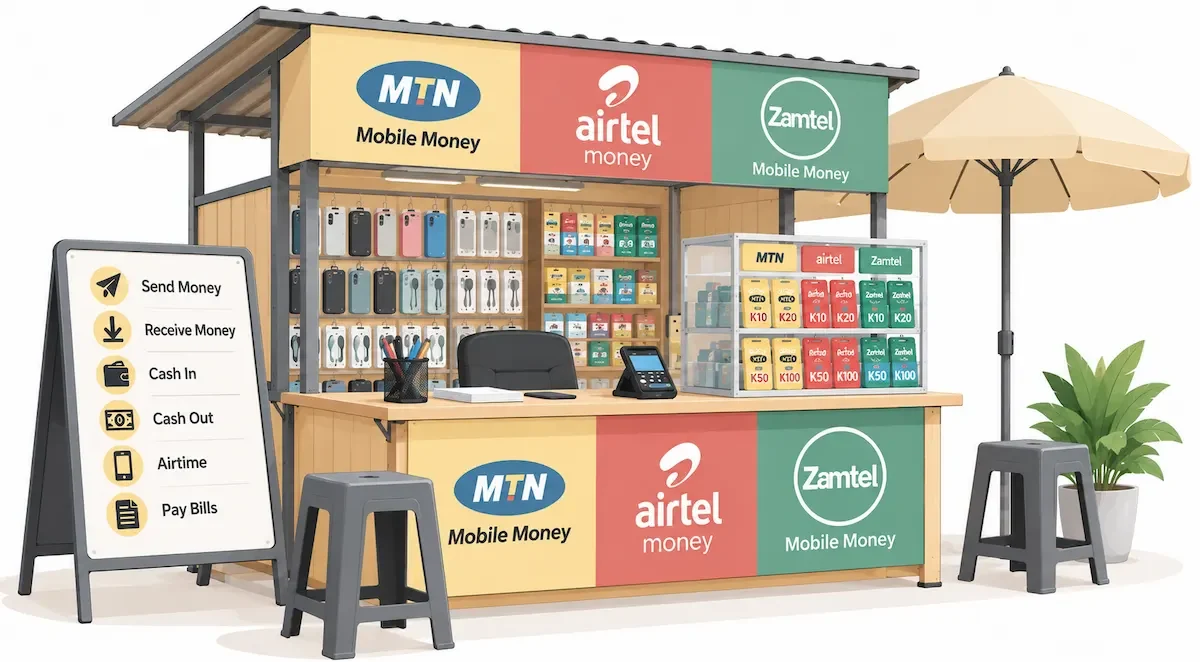
In Zambia, a start of around K1,000 in float can bring K200 to K500 a week in busy spots. Sell at a market corner, near a school or from a compound shop.
2. Vegetable and Fruit Vending
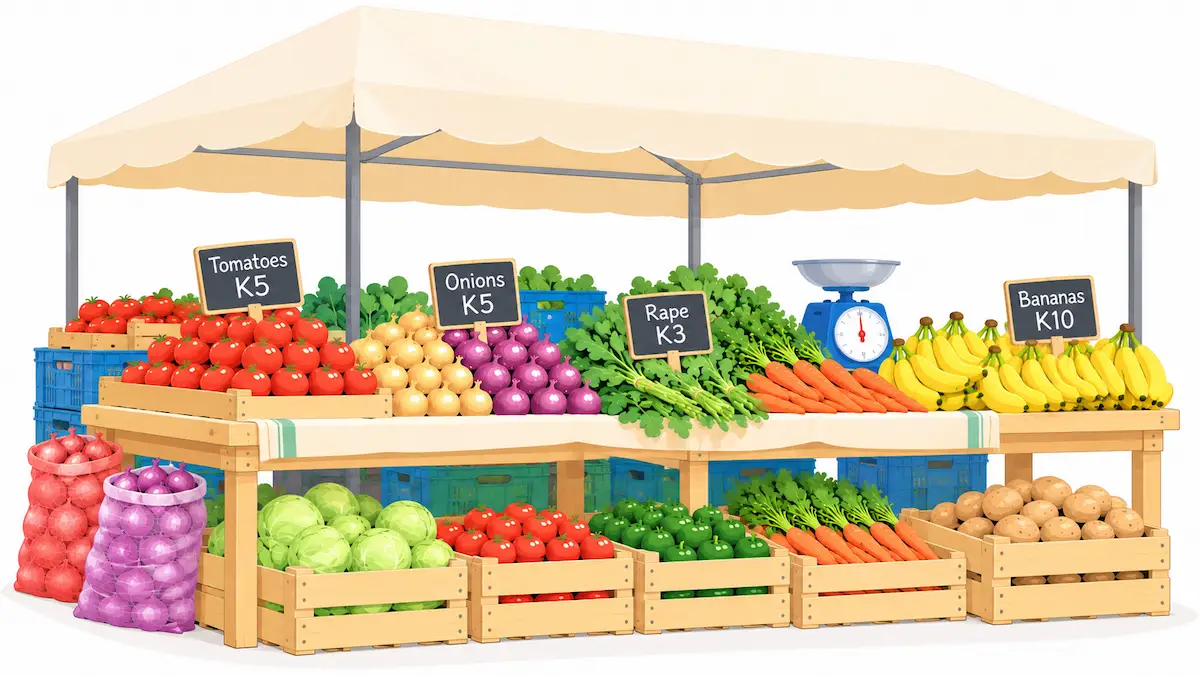
In Zambian markets, buyers look for tomatoes, onions, rape, bananas and other produce from farmers or the wholesale market in the early morning and resell by the heap. Margins are small, but turnover is quick and you need only a table or a mat. Start with about K1,000 and add a second product once you know what moves fastest at your spot.
3. Second-Hand Clothes (Salaula)
Bales of used clothes sell in every Zambian town. A bale usually costs somewhere between K2,000 and K4,000, depending on the grade, and you sort it into piles by price.
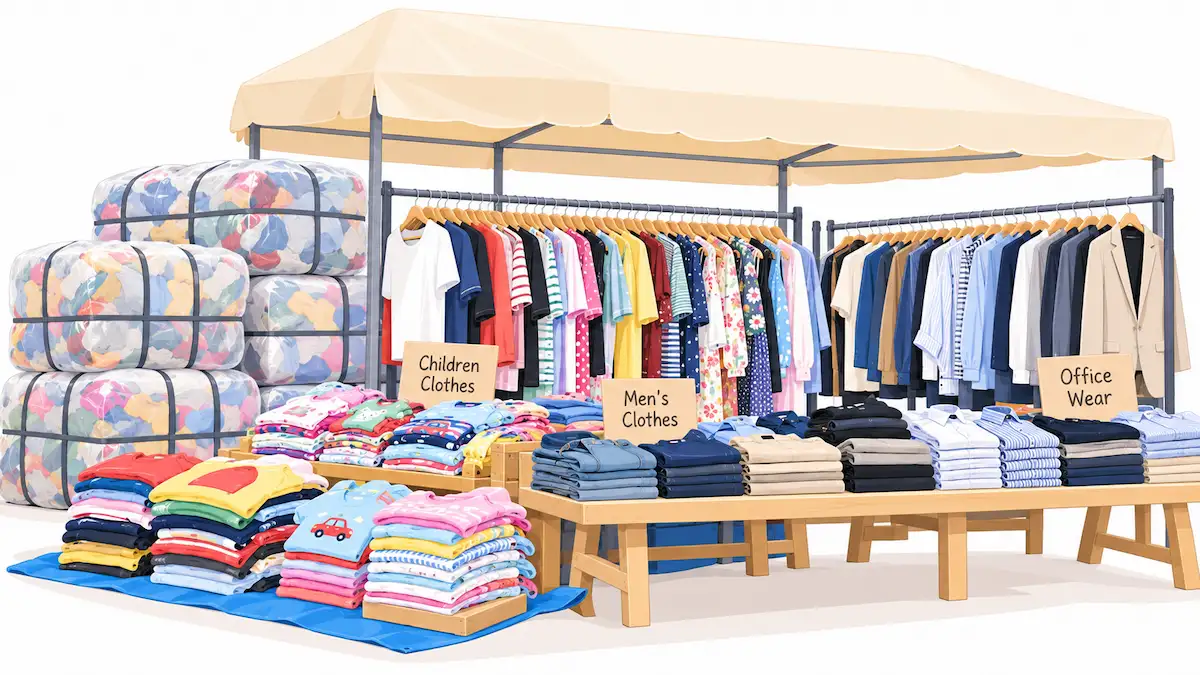
Sell at a market, from a chitenge cloth on the roadside or through WhatsApp and Facebook groups. Choose children clothes and office wear if you want quicker sales.
4. Egg Vending
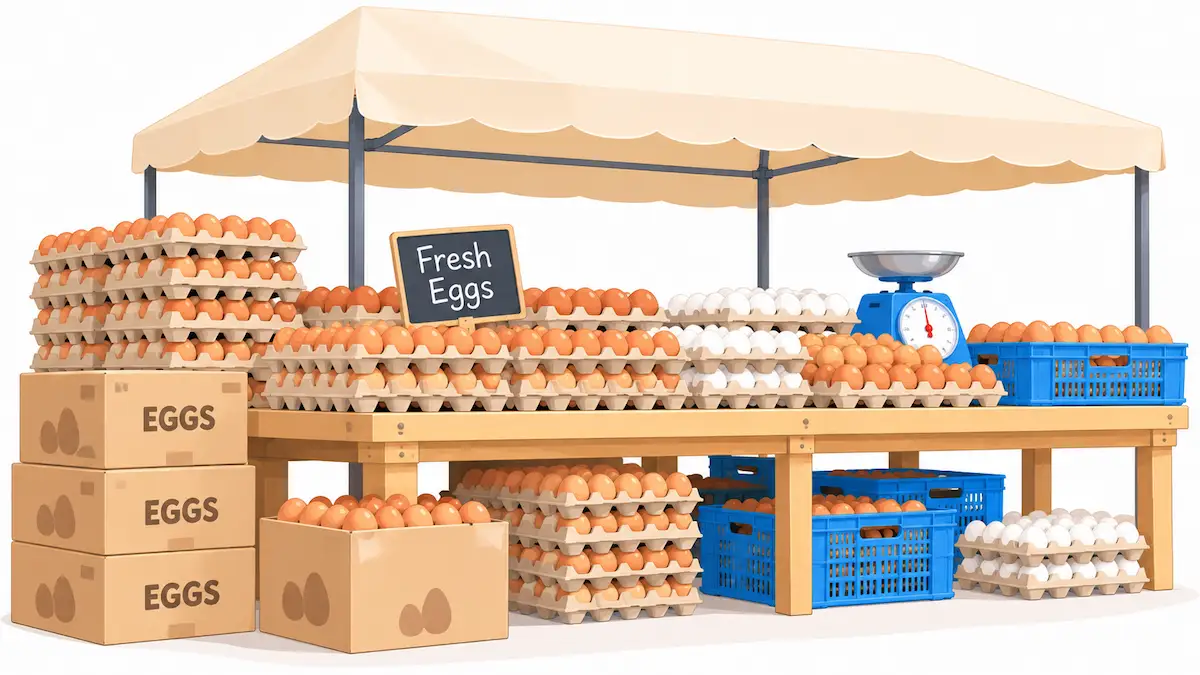
Buy trays of eggs from a farm and resell to shops, tuck shops, schools and neighbours. It is a low effort business with a steady demand, and eggs keep for a short time when stored well. Deliver to regular customers to build repeat orders.
5. Snack Vending and Popcorn
Popcorn, fried snacks and sweets sell at schools, bus stations and events. Maize, oil and salt cost little, and you can cook at home and sell by the pack. Pick spots near students and travellers, and keep your packs clean and clearly priced.

6. Mobile Phone Accessories
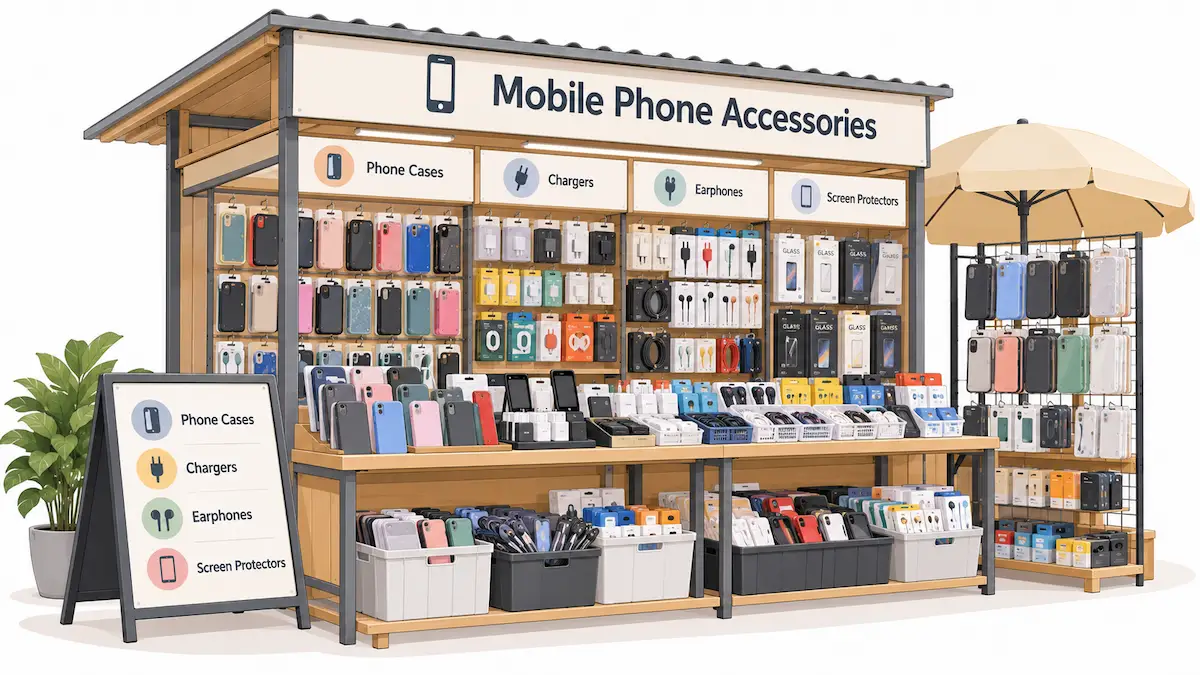
Chargers, earphones, phone cases and screen protectors sell well in busy locations. Buy from a wholesaler in town and add a small markup. Test a few products first, since fast moving items change with each season.
7. Packaged Water and Ice Blocks
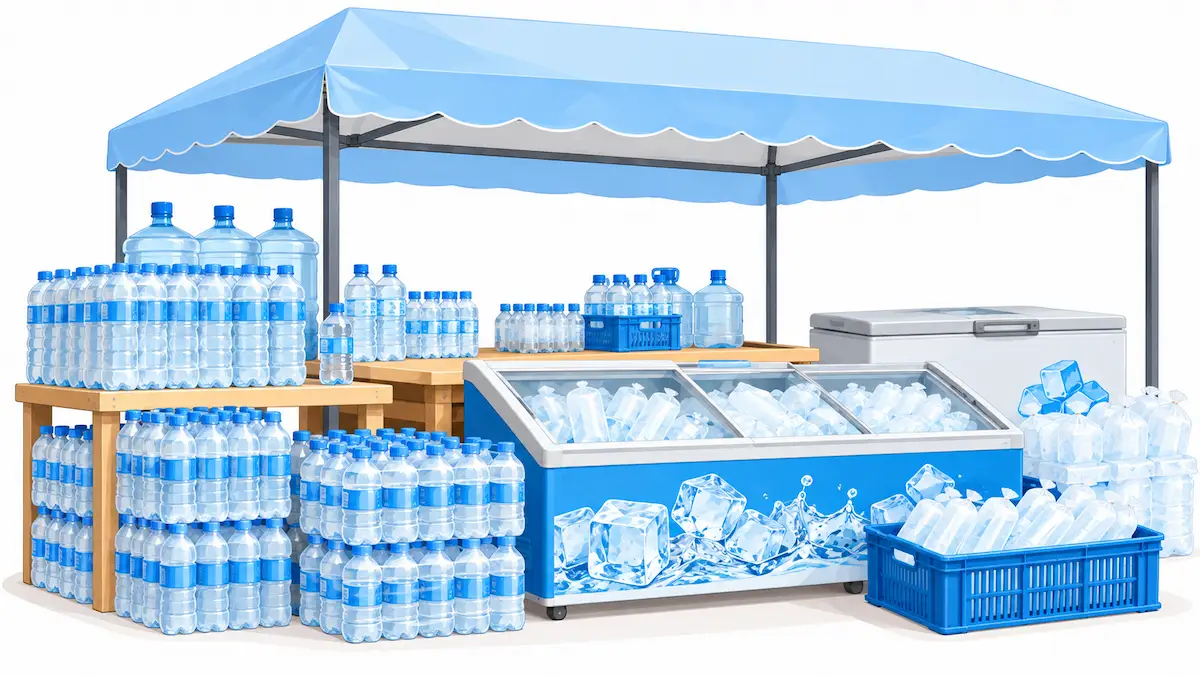
Hot weather and unreliable power mean many households and small shops buy cold water and ice. Bottled or sachet water needs clean sources and a permit, while ice blocks need a freezer and a power backup. Start with a few freezers and sell to bars, fish sellers and event organisers.
8. Hair Braiding and Beauty Services
In Zambia, braiding needs only a few hundred kwacha for combs, extensions and a chair, and you grow through word of mouth.

Many clients come back every few weeks, which makes income predictable. Work from home or from a rented corner of a salon, and post your styles online to find new customers.
9. Solar Phone Charging
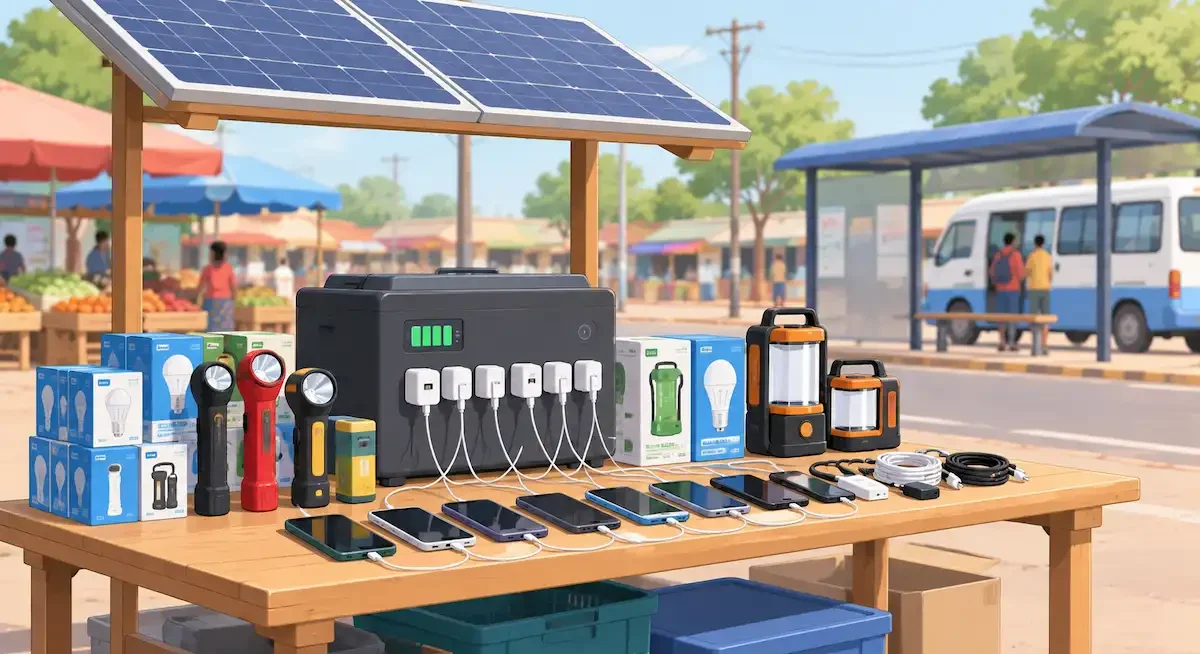
Where power cuts are common, people pay a small fee to charge a phone. A small solar panel, a battery and a few charging ports are enough to open a charging point at a market or a bus stop. You can also sell torches and bulbs from the same table.
10. Roadside Food Kiosk
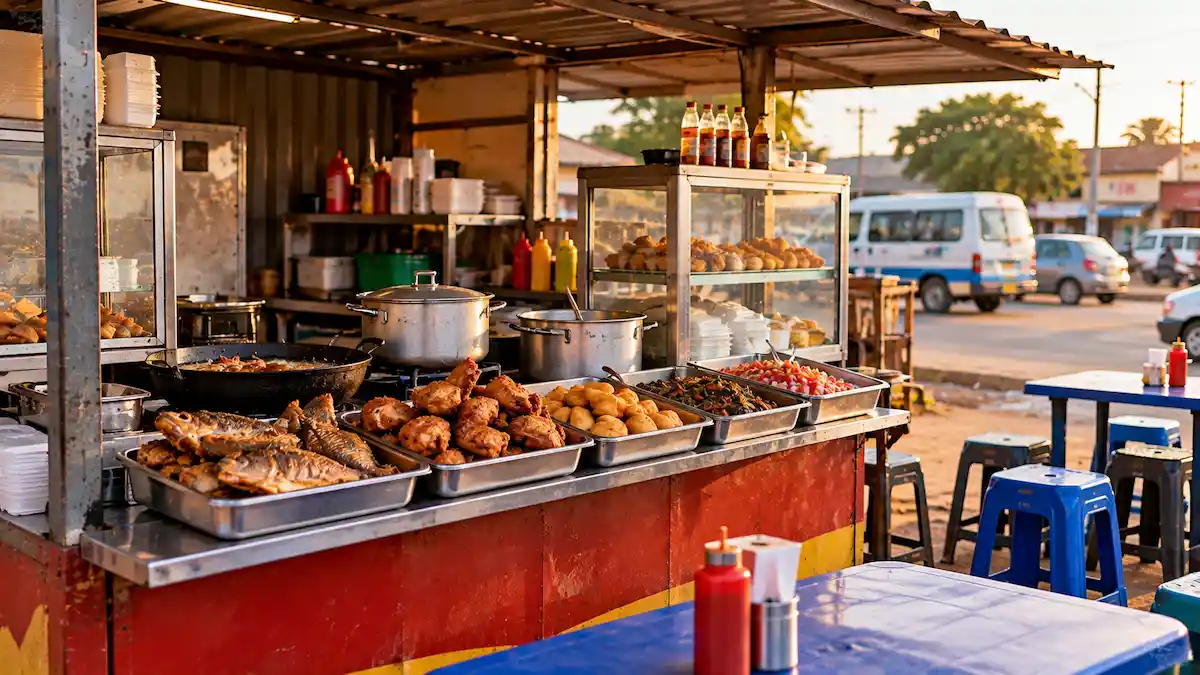
A kiosk that sells fried fish, chicken, nshima with relish or fritters can earn daily cash. Pick a spot where workers, students or travellers pass at lunch and in the evening. Keep a short menu, buy ingredients fresh and keep the cooking area clean so you are not closed down by the council.
For more low-cost options that need no stock, see our list of online business ideas without investment, which works well for people with only a smartphone and data.
Small Business Ideas in Zambia for K3,000 to K10,000
With a few thousand kwacha, you can buy equipment and stock for a business that earns more per sale. These small business ideas in Zambia need a bit more planning but give better monthly returns.
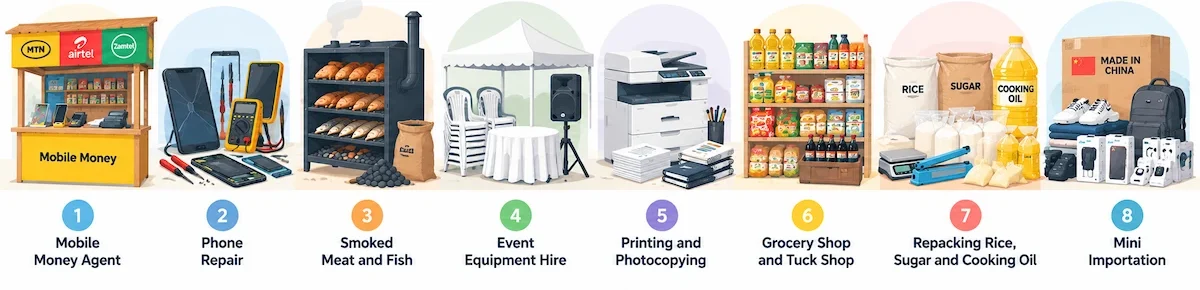
1. Mobile Money Agent
Agents for MTN, Airtel and Zamtel earn commissions on deposits, withdrawals and transfers.
A kiosk, a registered line, a phone and a float of about K3,000 to K5,000 is the usual start. Peri-urban areas and villages far from a bank branch often have the strongest demand. Keep your float safe and record every transaction.
2. Phone Repair
A basic workstation with screwdrivers, a multimeter and spare screens can cost under K5,000. Cracked screens, charging ports and batteries are the most common jobs. Learn from a repair shop for a few weeks first, and ask for payment on collection.
3. Smoked Meat and Fish
In Zambia, smoking chicken, beef or fish for resale to vendors and households needs a smoker, charcoal and a supply of fresh meat. Around K3,000 can get you started. Once your brand becomes known, income of K1,500 to K2,500 a month is realistic according to local business sources, but treat that as a guide and not a promise.
4. Event Equipment Hire
In Zambia, weddings, funerals, church functions and birthday parties need chairs, tents, speakers and decorations. Buy a small set, rent it out for a weekend and add items as bookings grow. The return per event is high, but you must store and transport the equipment safely.
5. Printing and Photocopying
A printer, a photocopier and a laminator near a school, college or office earn money from students and staff all day. Offer CV typing, passport forms and binding to raise income per customer. Keep paper and toner stocked and buy a power backup.
If your budget is below K5,000, our guide to business ideas under 5k gives more options you can compare with the ones above.
6. Grocery Shop and Tuck Shop
A tuck shop in a compound or a small grocery near a bus stop sells sugar, cooking oil, bread, soft drinks, airtime and other things people buy every day. Stock costs vary, but a modest start usually needs several thousand kwacha. Choose a location with many households within walking distance, buy from wholesalers in bulk and record what sells fastest.
7. Repacking Rice, Sugar and Cooking Oil
Buy rice, sugar, salt and cooking oil in large bags or containers and repack them into small packs that low income buyers can afford. The profit comes from the gap between the bulk price and the sum of the small packs. You need clean bags, a scale and a sealing tool, and you sell through shops, markets and neighbours.
8. Mini Importation
Some traders order bags, shoes, phone accessories, clothes or electronics from China, South Africa or Tanzania and resell in Zambia. One local guide says careful buying with a few hundred kwacha can double your money, but shipping, customs duty and delays eat into profit. Start with one small order, learn the import rules with ZRA and test the product on a few customers first.
Home-Based Business Ideas in Zambia
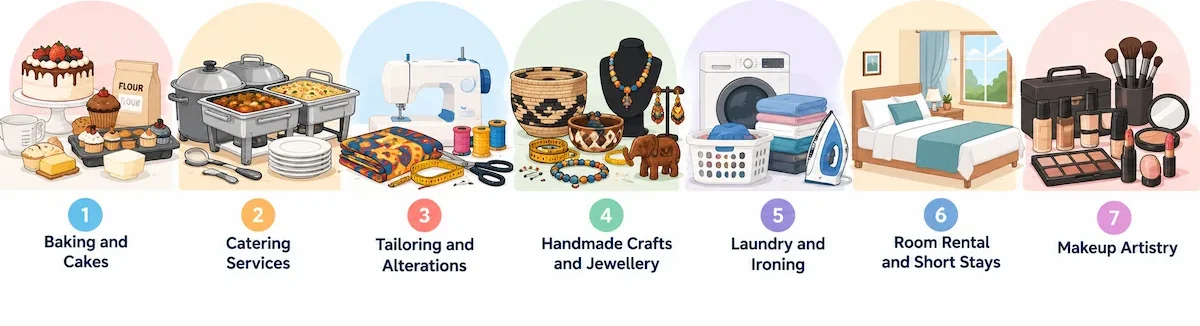
A home-based business saves rent and lets you work around family and a day job. These home-based business ideas in Zambia use a kitchen, a sewing machine or a spare room.
1. Baking and Cakes
Cakes, bread, cupcakes and cookies sell across Zambia to schools, offices, churches and neighbours. A home oven, basic tools and ingredients cost about K1,000 to K3,000 to begin. Take orders through WhatsApp, post photos of finished cakes and ask for a deposit on custom orders.
2. Catering Services
Weddings, kitchen parties, funerals and office meetings in Zambia all need cooked food in bulk. Start with small orders for friends and family, then move up as you collect reviews. You need large pots, serving dishes and a way to carry food hot, and many caterers hire helpers only on event days.
3. Tailoring and Alterations
In Zambia, school uniforms, office wear, traditional outfits and curtains all bring steady orders. A second-hand sewing machine and basic tools are enough to start, and alterations such as hems and zips bring quick cash between larger jobs. Show a few finished pieces to build trust with new clients.
4. Handmade Crafts and Jewellery
Beads, paper jewellery, baskets and woodwork sell at markets, craft fairs and online. Materials can cost as little as K500 to K1,000. Tourist towns such as Livingstone give crafts a better price, and you can also sell through Facebook and Instagram pages.
5. Laundry and Ironing
Students, workers and guest houses pay to have clothes washed and pressed. A washing machine or tubs, an iron and a drying area are the main costs. Offer pickup and delivery to stand out from other services nearby.
6. Room Rental and Short Stays
If you have a spare room or a small cottage, you can rent it nightly to visitors, contract workers and travellers. Good photos, a clean bed and a clear price on a listing site or Facebook make the difference. Check council rules before you take paying guests.
7. Makeup Artistry
Brides, bridesmaids, models and women going to events pay for makeup. A basic kit costs a few thousand kwacha, and clients find you through photos on Facebook, Instagram and WhatsApp. Practise on friends, take clear before and after pictures and offer packages for wedding parties.
Online Business Ideas in Zambia
More Zambians go online every year, and clients in Lusaka and abroad pay for writing, design and virtual help. These online business ideas in Zambia need a phone or laptop, steady data and the skills to deliver, but almost no stock.
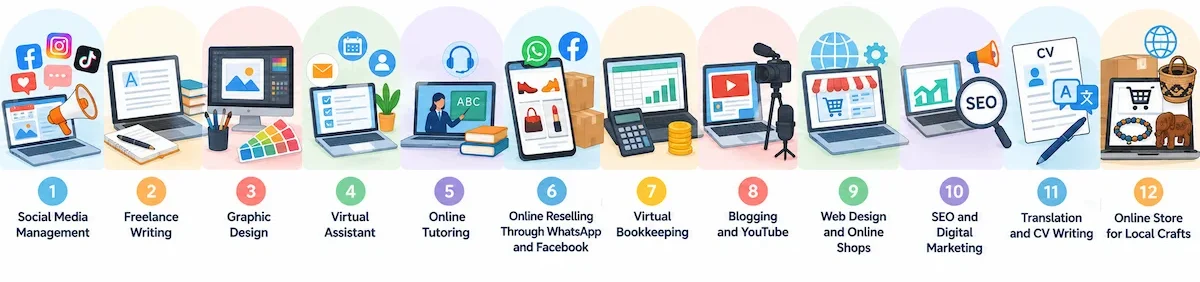
1. Social Media Management
Shops, salons, restaurants and schools want regular posts but have no time. You plan content, take photos, reply to messages and run small ads. Packages of K1,000 to K5,000 a month are common according to local sources. Start with one client from your own network and show results before you raise prices.
2. Freelance Writing
Articles, product descriptions, business profiles and website content are in demand. You can find clients on Upwork, Fiverr or locally. A laptop and decent English are the main requirements, and monthly income of K800 to K3,000 is a common range in the first year.
3. Graphic Design
Logos, posters, flyers, menus and social media graphics are always needed. Free tools such as Canva are enough to start, and paid design software can come later. Build a small portfolio and share it in business groups on WhatsApp and Facebook.
4. Virtual Assistant
Business owners in Zambia pay for help with email, calendars, bookings, data entry and customer replies. Monthly retainers bring more stable income than single jobs. Good organisation and clear communication matter more than technical skill here.
5. Online Tutoring
Maths, English, science and exam preparation are the main subjects. Lessons run by Zoom, WhatsApp video or a phone call, and a quiet room with good data is all you need. Parents will pay for results, so keep notes on progress.
6. Online Reselling Through WhatsApp and Facebook
Buy shoes, bags, cosmetics or kitchen goods in bulk and sell through status updates, groups and Facebook Marketplace. You do not need a shop, only clear photos, honest prices and a fast reply. Some sellers also use dropshipping with suppliers who send goods directly, but check delivery times and customs fees first.
Founders in other African markets run similar models, and our guide on online business ideas in Kenya shows what is working in a neighbouring economy.
7. Virtual Bookkeeping
Small businesses in Zambia often keep paper records or none at all. With a short course and software such as QuickBooks or Wave, you can record sales, track expenses and prepare reports for owners. Learn the ZRA filing dates so you can remind clients before deadlines.
8. Blogging and YouTube
A blog or channel on farming, cooking, education or local news earns slowly, often only after six to twelve months, through ads, sponsorships and affiliate links. A domain and hosting cost around K500 to K1,000 a year. Pick a topic where you can post every week and where readers search for answers.
If you want to work for foreign clients from home, our list of remote business ideas covers more services you can sell without a shop.
9. Web Design and Online Shops
Small businesses want a simple website, a Facebook page or an online shop but do not know how to set one up. With WordPress or a website builder and a domain, you can build a basic site for a client in a few days. Learn how to connect mobile money payments and how to write short, clear pages that load fast on phones.
10. SEO and Digital Marketing
Shops, lodges and schools pay to be found on Google and to run Facebook and Instagram ads. You help with page titles, listings on Google Maps, content and small ad budgets. Results take time, so agree on a monthly fee and report what changed each month.
11. Translation and CV Writing
Job seekers, students and small companies need CVs, cover letters, proofreading and translation between English and local languages such as Bemba, Nyanja and Tonga. You can offer the service from a phone or laptop and charge per page or per document. Ask for payment before you send the final file.
12. Online Store for Local Crafts
Zambian crafts, fabric, baskets, jewellery and honey sell to buyers in other countries and to tourists who want to order after they leave. A page on a platform such as Etsy, a Facebook shop or your own simple site works as a window. The hard parts are photos, packing and shipping, so test with a few orders first.
Agribusiness Ideas in Zambia
Farming and food processing fit Zambia well, and many Zambian farmers sell to nearby towns, because of fertile land, a long rainy season and a growing city population. These agribusiness ideas in Zambia range from small backyard projects to larger farms.
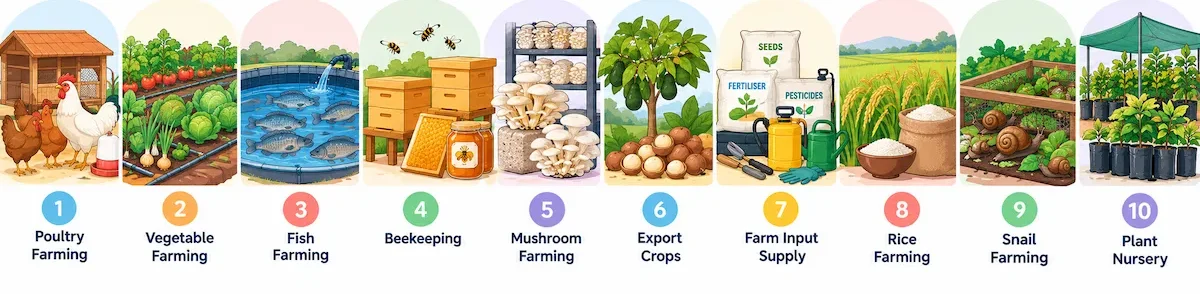
1. Poultry Farming
Broilers for meat and layers for eggs sell all year in Zambia. You can begin with 50 to 100 birds in a backyard and spend from about K5,000 on chicks, feed and a simple house. Keep the house clean, vaccinate on schedule and sell to butcheries, restaurants and households.
2. Vegetable Farming
Tomatoes, onions, cabbage, rape and green beans grow fast and bring cash within months. A quarter acre with a borehole or drip irrigation is enough to start, and a dry-season crop often sells at higher prices. Agree on buyers before harvest so you do not lose produce.
3. Fish Farming
Tilapia and catfish ponds work in Zambia in areas with reliable water. Ponds, fingerlings and feed are the main costs, and fish take several months to reach market size. Sell to restaurants, markets and traders, and ask an extension officer for advice on pond size.
4. Beekeeping
Honey, wax and other bee products are in demand in Zambia and for export, and hives need little attention. Place hives away from houses and near flowering trees. Package honey in clean containers with a label to charge better prices.
5. Mushroom Farming
Mushrooms need little space and little capital, and hotels, supermarkets and restaurants pay good prices. A cool, dark room and clean growing material are the basics. You need training from a grower first, as contamination can ruin a batch.
6. Export Crops
Some farmers are moving from maize towards macadamia nuts and avocados for export and local sale, while others sell to buyers across the border in the DRC. These crops take longer to produce and need more land and money, so they suit people with patience and a reliable partner or buyer.
7. Farm Input Supply
Seeds, fertiliser, pesticides and tools are bought mostly before planting in the rainy season. An agro-dealer shop in a farming town can earn well from small farmers. You need a licence for some products, and you must store chemicals safely.
8. Rice Farming
Rice grows well in wet areas, and Zambian rice from regions such as the north and west is sold in towns and shops. You need land with water, seed and labour at planting and harvest, and a plan to dry and mill the crop. Many farmers begin with a small plot and sell to local traders.
9. Snail Farming
Snails need little space and little water, which makes the idea suit people with a small yard. They are raised in boxes or pens, fed on leaves and vegetables and sold to restaurants and individuals who eat them. Demand is smaller than for chickens or fish, so find buyers before you build.
10. Plant Nursery
Seedlings of trees, vegetables, flowers and fruit trees are bought by farmers, gardeners, schools and lodges. A shaded area, water, soil bags and seeds are the main costs. Sell during the rains, when planting is at its peak.
Manufacturing Business Ideas in Zambia
Making products locally can replace imports and sell at a good margin. These manufacturing business ideas in Zambia start in a home or a small workshop and can grow into a small factory.
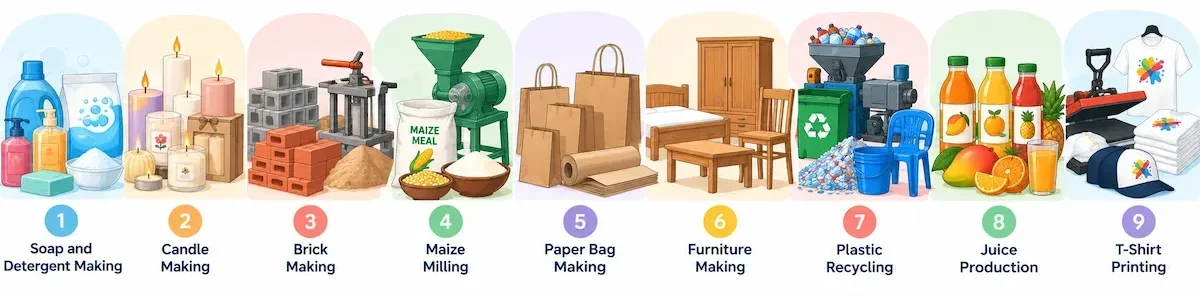
1. Soap and Detergent Making
Liquid soap, washing powder and disinfectant are used in every household, school and clinic. Training is short, materials are available in town and start-up costs of about K5,000 to K10,000 are common. Package neatly and approve the product with the proper authority if you plan to sell in shops.
2. Candle Making
Power cuts make candles an everyday item, and churches and homes buy them in bulk. Wax, wicks and moulds cost between K2,000 and K5,000 to begin. Scented and decorative candles can be sold at a higher price in gift shops.
3. Brick Making
Construction needs a steady supply of bricks and blocks, so demand follows house building. Start with a simple mould or a block machine and a place with clay or sand. Plan for the rainy season, when work slows down and bricks can be damaged.
4. Maize Milling
Mealie meal is the staple food in Zambia, and a hammer mill brings a steady income, especially in villages and townships. Customers bring their own maize or buy packed meal. Machines cost more than most ideas on this list, usually K10,000 to K20,000 or higher, so many owners start with a used mill.
5. Paper Bag Making
With the ban on plastic bags, shops and markets need alternatives. Paper bags in different sizes, printed with the shop name, can be sold in bulk. A simple cutting and folding machine is enough to start.
6. Furniture Making
Beds, chairs, tables and cupboards are sold in Zambia to homes, offices and schools. You need carpentry skills, tools and a place to work, and starting costs run from K5,000 to K10,000. Take custom orders with a deposit to avoid keeping unsold stock.
7. Plastic Recycling
Zambian cities produce large amounts of plastic waste, and recycled plastic can be turned into buckets, chairs and building products. This idea needs more money and equipment, often K10,000 to K20,000, and an agreement with waste collectors. It helps keep the neighbourhood clean and gives you cheap raw material.
8. Juice Production
Mango, orange, baobab and pineapple juice are sold in bottles and sachets to schools, shops and offices. You need a clean place, a juicer, bottles, labels and approval from the right authority before you sell to shops. Fresh fruit is cheap in season, so plan storage for the dry months.
9. T-Shirt Printing
Churches, schools, political events, companies and families order printed T-shirts and caps. Heat press or screen printing machines cost money, but small runs of custom shirts earn a good margin. Show samples, take orders with a deposit and deliver on time.
Service Business Ideas in Zambia
Service businesses sell your time and skill, so they need less stock and fewer licences. These six work in towns and growing neighbourhoods.
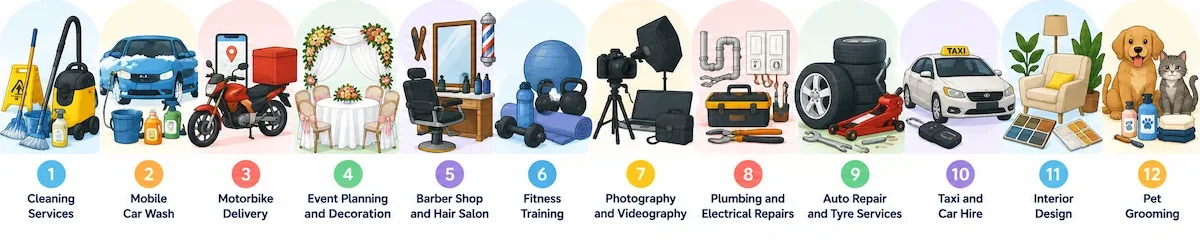
1. Cleaning Services
Homes, offices, lodges and shops in Zambia pay for regular cleaning. Brooms, mops, buckets and detergents are the main costs, and a small team can handle several clients a week. Advertise in local groups and ask clients for referrals.
2. Mobile Car Wash
Come to the customer with buckets, soap, brushes and a pressure washer if you can afford one. Office parks, flats and guest houses give you many cars in one place. Offer weekly packages so you have repeat income.
3. Motorbike Delivery
Food, documents, parcels and shopping need to move quickly across Zambian towns. You need a motorbike, a licence and a phone, and you can work for restaurants and shops or run your own service. Agree on prices by distance and insure the bike.
4. Event Planning and Decoration
Weddings, kitchen parties, graduations and corporate events need someone to organise venues, food, music and decoration. Begin with simple decoration such as balloons and table covers, then add services as bookings grow. Photos of finished events sell the next job.
5. Barber Shop and Hair Salon
Clippers, combs, towels, products and a chair are enough for a basic barber shop. Locations near markets, colleges and busy roads bring walk-in clients. Good service and a clean shop create loyal customers who bring friends.
6. Fitness Training
Personal trainers can start with outdoor sessions in a park or a client home and move to a small gym as clients grow. Qualifications and a first aid course help build trust. Group classes at a low price bring in income faster than one-on-one sessions.
7. Photography and Videography
Weddings, graduations, funerals, product photos and company events all need a photographer. A decent camera or a good phone, a computer for editing and a few lights are enough to start. Post your best work online and ask each client for a referral.
8. Plumbing and Electrical Repairs
Homes and shops in growing towns need fitters for taps, pipes, wiring, sockets and solar connections. Training from a trade school or an apprenticeship helps, and tools cost a few thousand kwacha. Reliable work and fair prices bring repeat jobs by word of mouth.
9. Auto Repair and Tyre Services
More vehicles on the road mean steady demand for servicing, tyres, batteries and small repairs. A mechanic with a few tools can begin in a rented yard and expand as customers return. Keep spare parts you use often and be honest about prices.
10. Taxi and Car Hire
One car can work as a taxi, a delivery vehicle or a hire car for visitors and weddings. You need a licence, insurance and a reliable driver, and costs of fuel and repairs are high. Many owners register with ride-hailing apps in Lusaka and build a base of regular clients.
11. Interior Design
People building or renovating houses, offices and lodges pay for help with layouts, colours, furniture and curtains. You can start with a portfolio of simple projects and a deal with a carpenter and a tailor. Photos of finished rooms bring the next clients.
12. Pet Grooming
Dogs and cats in cities need bathing, trimming and care, and some owners pay for pet sitting while they travel. Basic equipment and a clean space can start the business, and you find customers through vets, social media and neighbours. It is a small market, so it works best in areas with many households that keep pets.
Larger Business Ideas in Zambia With Higher Investment
These ideas need more capital, planning or partners, but they serve large markets and often come with bigger contracts.
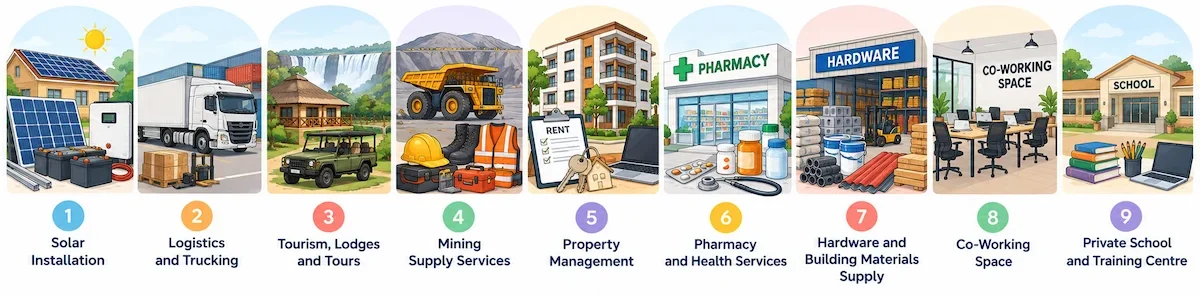
1. Solar Installation
Hydropower supplies about 85% of electricity, and drought cut generation sharply in 2024, which left many homes and shops without steady power. Solar panels, inverters and batteries are now sold to households, farms, lodges and clinics. You need technical training and supplier contacts, and you can start by selling and fitting small home kits.
2. Logistics and Trucking
Zambia sits between copper mines, ports and neighbouring countries, which creates work for transporters and freight agents. A truck or a delivery van is a big investment, so many owners begin with one vehicle and a few regular customers. Corridor projects such as the Lobito link to Angola may create more contracts in the future.
3. Tourism, Lodges and Tours
Victoria Falls, the national parks and the river systems bring international and local visitors. You can open a guest house, run day tours, rent cars or offer cultural experiences. Licensing and the cost of running a lodge can be heavy, so research local rules and compare similar places first.
4. Mining Supply Services
Instead of mining itself, many entrepreneurs sell to mines: safety gear, catering for camps, equipment hire, transport and cleaning. In Zambia, mines often pay slowly and rarely sign long contracts, so you need working capital and patience. Solwezi and the Copperbelt are the main bases.
5. Property Management
Landlords and diaspora owners in Zambia pay agents to find tenants, collect rent and handle repairs. You earn a commission or a monthly fee. Demand is strongest in Lusaka, Ndola, Kitwe and Solwezi, where housing is growing, and a good reputation brings more properties.
6. Pharmacy and Health Services
Pharmacies, clinics, laboratories and home care services are needed as the population grows. These businesses need qualifications, a licence from the proper health authority and a lot of capital for stock and equipment. If you do not have a medical background, you can partner with a qualified person.
7. Hardware and Building Materials Supply
Construction was the largest sector in 2024, so cement, blocks, roofing sheets, paint, pipes and tools sell steadily. A hardware shop needs a large stock and storage space, and many owners add delivery to builders. Competition is stiff, so a good location and fair prices matter.
8. Co-Working Space
Freelancers, start-ups and remote workers in Lusaka need a place with power, internet and a quiet desk. You rent a building, add desks, a generator or solar and fast internet, and charge by the day or the month. Occupancy takes time to build, so keep your starting costs low.
9. Private School and Training Centre
Parents pay for private schools, tutoring centres, computer training and vocational courses such as tailoring, welding or hairdressing. You need registration with the education authorities, a building, teachers and learning materials. Start with a small training centre before you try a full school.
Business Ideas for Vacant Land in Zambia
If you own a plot that sits empty, it can earn money. Common uses are crop and vegetable farming, fish ponds, beekeeping, a small solar plant that powers your own use, camping and recreation space for visitors, and storage units for goods or vehicles. Check that the land has proper title, because a title deed is also useful when you apply for a bank loan.
Business Ideas in Zambia for Women and Students
Zambian women and students often have less capital but plenty of time and energy, so the best business ideas in Zambia for them are cheap to start and easy to run from home or a campus.
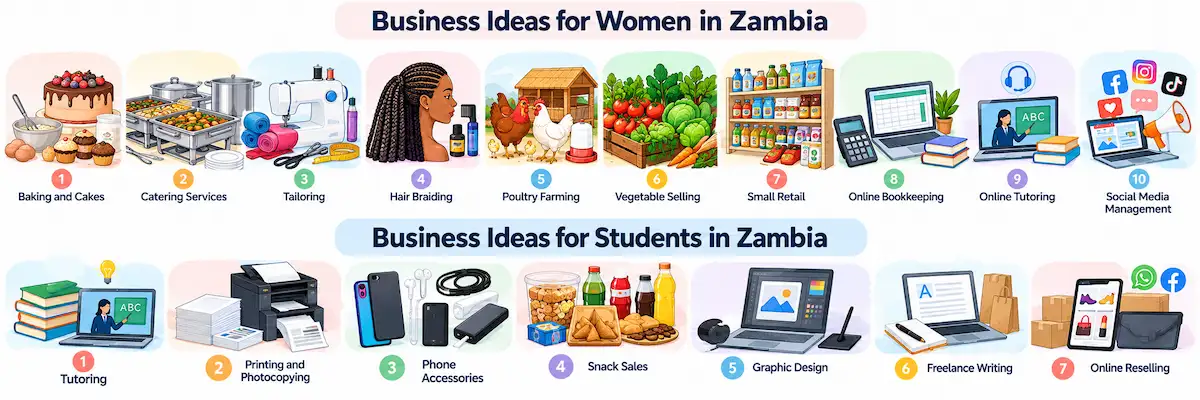
Business Ideas for Women in Zambia
Many Zambian women start with what they already know: baking, catering, tailoring, hair braiding, poultry, vegetable selling and small retail. These need little money and fit family time. Group savings circles, women cooperatives and support programmes give extra capital and training, and online work such as bookkeeping, tutoring and social media management lets you earn without leaving home.
Business Ideas for Students in Zambia
Students need ideas that fit a timetable and a small budget: tutoring, printing, phone accessories, snack sales, design, freelance writing and online reselling. Offer services to classmates and hostels first. For more options that match college life, see our list of business ideas for students.
Best Business Ideas by City in Zambia
Lusaka
Lusaka is the capital and the main commercial centre, so almost every idea in this guide works here. Retail, delivery, catering, printing, online services and property management are strong because of the large and fast growing population. Competition is also strongest, so pick a niche or a neighbourhood.
Copperbelt: Kitwe and Ndola
Kitwe and Ndola are industrial and mining centres with many workers and families. Mining supply, catering, transport, cleaning, building materials and food processing do well. Wages in the mines support spending on housing, schooling and food.
Livingstone and Solwezi
Livingstone depends on tourism, so guest houses, tours, crafts, restaurants and car hire fit well. Solwezi is a growing mining town with demand for housing, supplies and services, and its closeness to the DRC border supports trade. In both towns, local knowledge and a good partner matter.
How to Register a Business in Zambia
The steps below explain how to register a business in Zambia and how to start a business in Zambia legally. Fees and rules change, so confirm the current details on the official sites of PACRA and ZRA before you pay.
How to Start a Business in Zambia in Six Steps
- Choose one idea from this list and test it with a small stock or a few clients.
- Pick a business name and check that it is free through PACRA.
- Register the business name or company with PACRA.
- Get your TPIN from ZRA and choose the right tax type.
- Apply for a trading licence from your city or town council.
- Open a bank or mobile money account for the business and keep records from day one.
Business Name Registration With PACRA
Anyone aged 18 or older, Zambian or foreign, can register a business name as a sole proprietor. You check that the name is free, complete the business name form, attach your National Registration Card or passport and proof of address, and pay the fee. One local guide lists the business name form at about K166, so treat that as an estimate. Registration usually takes a few days if documents are in order, and you receive a certificate.
Registering a Private Limited Company
A private company name must end with Limited. Sources list at least two directors and two shareholders, a maximum of 50 shareholders and a minimum authorised capital of about K15,000 for a company limited by shares. Registration with PACRA takes a few working days, while full set-up with a bank account, NAPSA and a council licence can take weeks or longer, especially for foreign owners.
Getting a TPIN From ZRA
Every person or business that earns income needs a Taxpayer Identification Number. After PACRA registration, you register with ZRA online, and a TPIN is often issued within a day or so. You need it to file taxes, open some accounts and bid for supply contracts.
Turnover Tax, VAT and Income Tax
Small businesses usually pay turnover tax on gross sales instead of income tax. Local guides give different figures: one says 4% of monthly sales for businesses with annual turnover up to K800,000, while another reports 5% for turnover up to K5,000,000. Returns are due by the 14th of the following month. VAT is charged at 16%, with registration required above a turnover threshold that one guide puts at K800,000 in 12 months, and VAT returns are due by the 18th. Basic foods such as mealie meal, bread, milk and eggs, along with exports, are zero-rated. Companies with higher turnover pay income tax at 30% on profit. Because sources disagree, confirm every rate and threshold with ZRA or an accountant before you file.
NAPSA for Employees
If you hire staff, you must register with the National Pension Scheme Authority and pay contributions for each employee. Check the current contribution rates with NAPSA, as the exact figures were not confirmed in the sources used for this guide.
Local Trading Licence From Your Council
In Zambia, most businesses that trade from a fixed place need a trading licence or levy permit from the city or town council, such as the Lusaka City Council. Food businesses may also need a health inspection. Apply early, because you may not be allowed to open without it.
| Step | Who | Purpose |
|---|---|---|
| 1. Name search and registration | PACRA | Legal registration of the business or company |
| 2. TPIN | ZRA | Tax identification and VAT or turnover tax registration |
| 3. Social security | NAPSA | Pension contributions for employees |
| 4. Trading licence | City or town council | Permission to operate in your area |
How to Fund Your Business in Zambia
Savings and Group Savings
Most small business owners in Zambia start with their own savings, money from family or contributions from a savings group. This keeps you free of interest and forces you to spend carefully. Set aside part of your first profits for restocking and emergencies.
Banks, Microfinance and Support Programmes
Banks and microfinance lenders in Zambia offer small business loans, but they usually ask for a business plan, records and security. Agencies such as the Citizens Economic Empowerment Commission have supported youth, women and other groups, and various donor programmes offer training and grants. Eligibility and amounts change often, so ask the institution directly. Avoid borrowing more than your business can repay from sales.
Common Mistakes When Starting a Business in Zambia
Many new owners in Zambia spend all their money on stock and have nothing left for restocking. Others copy the neighbour without checking whether the area can support another seller. Not keeping records is another common problem, since you cannot tell whether you make a profit and you will struggle with ZRA returns. Skipping registration in Zambia may work at first, but it blocks loans, contracts and growth. Finally, trust figures with care: lists online often promise high income that few people reach in the first year. When the business grows and you need someone to run daily operations, our guide on the online business manager role explains what that job covers.
Tips for Success in Zambia
- Start small and test your product with real customers before you buy more stock.
- Keep your business money separate from your personal money, even if it is only two mobile money accounts.
- Record every sale and expense in a notebook or a phone app.
- Choose a location where your buyers already walk or search online.
- Build repeat customers through good service, fair prices and quick replies.
- Use WhatsApp, Facebook and Instagram to show products and take orders.
- Ask a local partner or an experienced business owner for advice before big decisions, and read market studies where they exist.
Final Thoughts
Zambia offers a wide range of options, from a K500 stall to a solar company, and the best choice is the one you can afford, understand and sell every week. Pick one idea for Zambia, register the business, keep clear records and grow slowly from what the market tells you. For another African market to compare with, see our guide to business ideas in Ghana.
FAQ: Business Ideas in Zambia
What are the best business ideas in Zambia?
Food and farming businesses, mobile money agencies, phone services, tailoring, baking, cleaning and online services such as social media management and freelance writing are among the best business ideas in Zambia. The right one depends on your budget, skills and town.
What is the most profitable small business in Zambia?
Farming, especially poultry and vegetables, is often named as the most profitable small business in Zambia because food is bought every day. Mobile money, soap making and event equipment hire also bring good returns. Profit depends on your location, costs and how well you manage stock.
How much capital do I need to start a business in Zambia?
You can start with as little as K500 to K1,000 for retail or vending. Manufacturing and farming usually need K5,000 to K20,000, and larger ideas such as solar or logistics need much more. Capital needs change with prices, so check them locally.
What business can I start with K500 in Zambia?
With K500 you can buy a small stock of airtime, vegetables or phone accessories, or buy braiding supplies. Online services such as design or writing can start with almost no money if you already own a phone and have data.
What business can I start with K1,000 in Zambia?
K1,000 is enough for egg vending, snack sales, a vegetable stall, airtime and data sales or a small stock of second-hand items. Pick products that sell every day and reinvest the profit.
What are the best online business ideas in Zambia?
Social media management, freelance writing, graphic design, virtual assistance, online tutoring, virtual bookkeeping and online reselling are the most common online business ideas in Zambia. They need data, a phone or laptop and a clear service to offer.
What are the best business ideas for women in Zambia?
Baking, catering, tailoring, hair braiding, poultry, vegetable selling, small retail and online services suit many women because start-up costs are low and the work can fit around family time.
What are the best business ideas for students in Zambia?
Tutoring, printing, snack sales, phone accessories, graphic design, freelance writing and online reselling suit students. They can be run between classes and need little money.
Which business is best in Lusaka?
In Lusaka, retail, food, delivery, printing, catering, cleaning, property management and online services all have strong demand. Because competition is high, focus on one neighbourhood or customer group.
How do I register a business in Zambia?
Search and register the business name with PACRA, get a TPIN from ZRA, register with NAPSA if you hire staff and obtain a trading licence from your council. Companies follow a longer process with directors and shares.
How much does it cost to register a business in Zambia?
One local guide lists the business name registration form at about K166, but fees for companies and extra services differ and change. Check current fees on the PACRA website before you pay.
Do I need a TPIN to start a business?
Yes. Every business or person that earns income should have a TPIN from ZRA. It is needed for tax returns, VAT registration and many contracts.
Are there government grants for small businesses in Zambia?
Some programmes, including those run by the Citizens Economic Empowerment Commission and donor-funded projects, support small businesses, women and youth. Amounts and rules change, so ask the agency directly for the latest information.
What are the best-selling products in Zambia?
Mobile phones and accessories, building materials, cosmetics, processed food, school supplies and clothing are among the best-selling products in Zambia. Daily food items such as vegetables, eggs and mealie meal sell the most steadily.
Which business is best in rural areas?
Farming, farm input supply, maize milling, mobile money agencies, small shops and solar charging points suit rural areas, where people have fewer options and long distances to town.
Can I start a business in Zambia while employed?
Yes, if your contract allows it and the business does not compete with your employer. Many people begin with baking, online work or a small stall after hours, and register the business once sales become regular.