An online business without investment is real, but the word investment needs a clear meaning. You can start many of these businesses with no cash at all, using a laptop or a phone, free accounts, and your own time. What you cannot skip is effort, because every idea below pays you in skills, hours, and patience before it pays you in money.
This guide covers the best online business without investment for beginners: 15 ideas with a plain description, a table of start cost and time to first income, and a list of pros and cons. You will also find free tools, a step-by-step plan, income expectations, and the warning signs of fake offers. Every idea has a no upfront cost start, and the few small costs that come later are marked honestly.
Prices, fees, and platform rules change, so check the current terms on each website before you sign up. Results depend on your skills, your niche, and your consistency, and no idea on this page guarantees income. Some tool links on this page are affiliate links, so the site may earn a small commission at no extra cost to you.
Online Business Without Investment at a Glance
These are the ideas and tools most guides compare first for an online business without investment. Each one has a full review below, and these online business ideas without investment appear in the same order.
- Social Media Management – Run posts and replies for small businesses
- Freelance Writing – Get paid for articles, web copy, and emails
- Online Tutoring and Coaching – Teach a skill over video calls
- Virtual Assistant – Handle email, scheduling, and research for clients
- Graphic Design With Free Tools – Make posts, thumbnails, and menus in Canva
- Resume and LinkedIn Writing – Help job seekers improve their profiles
- Affiliate Marketing – Earn a commission when readers buy through your link
- Blogging on Free Platforms – Publish on Medium or WordPress.com and earn later
- YouTube Channel – Earn from ads, sponsors, and links as the channel grows
- Content Creator and Influencer – Build an audience around one topic
- Podcasting – Record episodes with a phone and free hosting
- Dropshipping – Sell products that a supplier ships for you
- Selling Digital Products – Sell templates, planners, and ebooks again and again
- Print on Demand – Sell custom designs on shirts and mugs, paid per order
- Online Reselling – Flip items you already own on free marketplaces
- Shopify – A store builder with a free trial
- Systeme.io – Funnels, email, and courses on a free plan
- Canva – Free templates for designs and digital products
What Does an Online Business Without Investment Really Mean?
An online business without investment means you start without paying cash for stock, an office, or software. It does not mean you start without any cost at all. Your time is the first cost, and small costs such as a domain, a better microphone, or a paid plan appear later, usually after your first sales.
Think of it in three levels:
- Zero cash – free accounts and free tools only, as in freelancing, tutoring, and social media management
- Pay after you sell – print on demand and dropshipping, where the supplier takes payment only when a customer orders
- Small first cost later – a domain, a custom email, or better equipment once the idea works
Before you start, write down every cost you expect, including small fees and your weekly hours. The SBA offers a startup cost guide that shows how to list expenses before launch. A zero-investment online business is still a business, and the list keeps you honest about what each idea really needs. This approach also fits an online business with zero investment on a very tight budget.
Pros and Cons of Starting an Online Business Without Investment
Starting with no cash has clear benefits and real limits. Knowing both before you begin helps you set honest expectations for an online business without investment.
Advantages
- Low risk – you lose time, not savings, if an idea does not work
- Flexible hours – most ideas fit around a job or classes
- Work from anywhere – a phone or laptop and an internet connection are enough
- Skills that last – writing, design, selling, and marketing help every later business
- Room to grow – income is no longer capped by your hours once you add products or an audience
Disadvantages
- Slow start – first sales take weeks, and content takes months
- Strong competition – free tools bring many beginners into the same niches
- Time is the real cost – every idea needs steady weekly hours
- No guaranteed income – results depend on skills, niche, and effort
- Small costs appear later – a domain, a better tool, or a paid plan arrive once you earn
If you cannot give up your income yet, keep your current job while you test an idea. Most people start an online business without investment next to a job or classes, and move to full time only after the income is steady.
What Are the Best Online Businesses to Make Money Without Investment?
The online businesses that make money without investment fall into three groups: service businesses that sell your skills, content businesses that build an audience, and product businesses that sell without stock. Each group works as an online business to make money without investment, but they pay at different speeds.
- Service businesses pay first, often within days or weeks, because a client pays for your time
- Content businesses pay last, because an audience takes months to build
- Product businesses sit in the middle, because you pay a supplier or a platform only after a sale
The simplest path to an online business to make money without investment is to pick the group that matches your skills and your timeline, then choose one idea inside it. If you want to make money online without investment and you write or organize well, services usually earn first. A person with patience and a clear niche can build content, and a person with a design eye can test products.
What Is the Best Online Business Without Investment?
The answer depends on your skills, your free time, and how soon you need income. There is no single winner, but the pattern is clear. Services pay the fastest, content and affiliate marketing have the strongest long-term growth, and products without stock carry the lowest risk.
- Need money soon? Start with freelance writing, virtual assistant work, or social media management
- Have time and patience? Build a blog or a YouTube channel and add affiliate marketing
- Have a design eye? Test print on demand or digital products
For most beginners, the best online business without investment is a service business, because you can win a first client in days with a free profile and a short portfolio. You can add a content business later, while the service pays your bills. This is also the right start for an online business without investment for beginners who have no audience and no products yet.
15 Best Online Business Ideas Without Investment
The 15 ideas below are grouped by how they earn. Each review uses the same format, so you can compare them quickly: a short description, a table with start cost and time to first income, and a list of pros and cons.
How These Ideas Were Chosen
These online business ideas without investment appear again and again in guides from software companies, banks, and business blogs, and each one has a clear first step that costs nothing. Costs, fees, and timelines in the tables are typical ranges, not promises, so check the current terms before you commit. Every idea in this online business without investment list can start with free tools, and a few turn into low investment business ideas once you add a small budget.
Service Businesses You Can Start With Your Skills
Service businesses sell your time and skills, so they need no product and no stock. They are the fastest way to turn an online business from home without investment into real income, because a client pays after the work is done, or sometimes before it. All six are work-from-home business ideas that can run on free profiles and free tools, which makes them popular online business ideas without investment.
1. Social Media Management
Small businesses need posts, replies, and a steady schedule, but many cannot afford a full-time hire. As a social media manager, you plan content, publish it, answer messages, and report simple results each month.
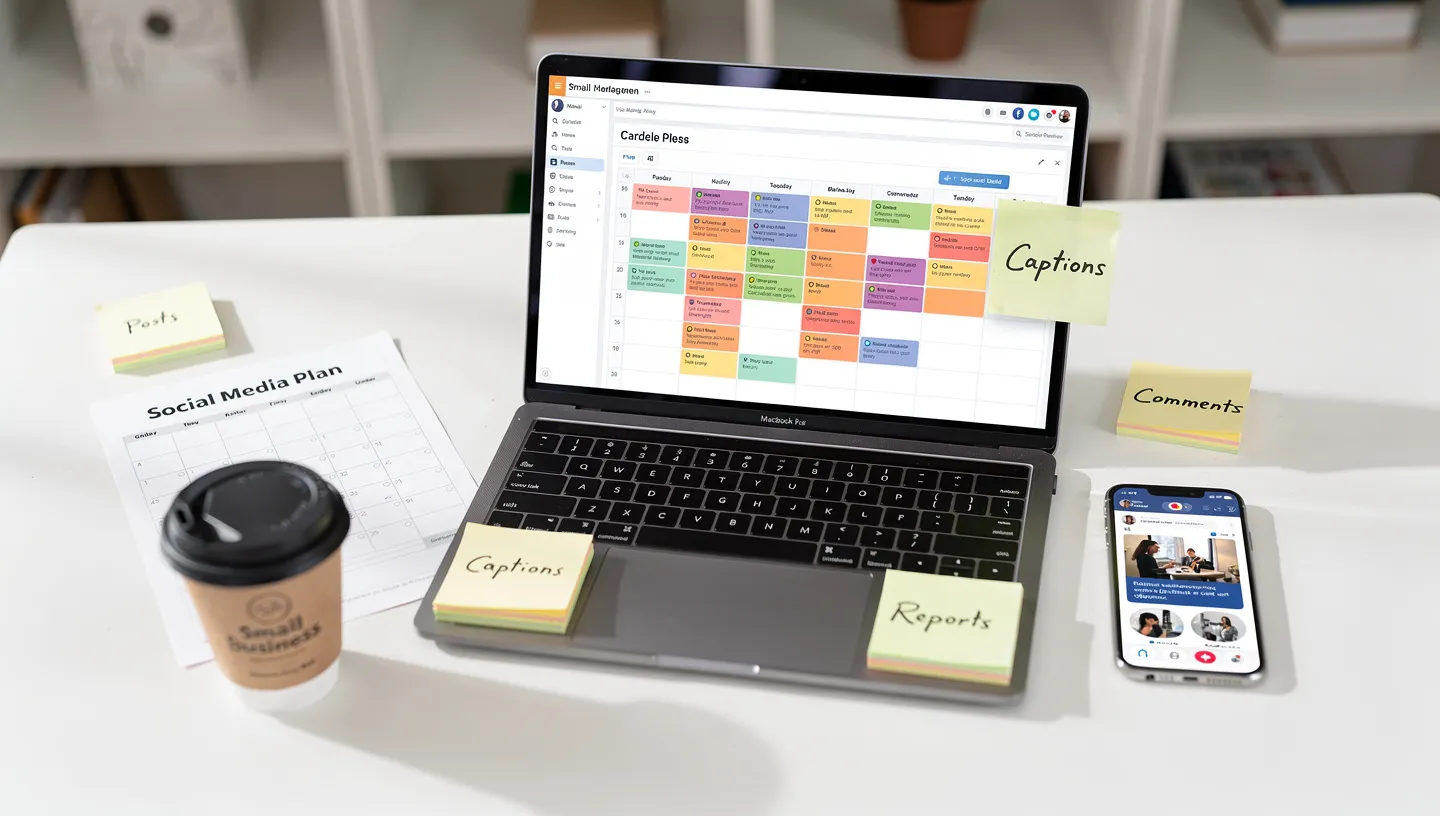
Free tools such as Canva, Buffer, and Meta Business Suite cover design and scheduling, so you can start with no cost. Offer a short trial month to your first client and keep screenshots of results for your portfolio. The main downside is that client work during campaigns can eat into your free time.
| Detail | Estimate |
|---|---|
| Typical start cost | $0 with free plans of Canva, Buffer, and Meta Business Suite |
| Time to first income | Often a few weeks |
| Income model | Monthly fee per client |
| Best for | People who enjoy social media and clear communication |
Pros
- Many small businesses need help
- Free tools cover design and scheduling
- Monthly clients bring steady income
- Skills grow with every account
- Easy to add services later
Cons
- Clients expect fast replies
- Results take time to show
2. Freelance Writing
Companies pay writers for blog posts, website copy, product descriptions, and emails. You can create a free profile on Upwork, Fiverr, or LinkedIn and pitch clients in one niche, such as finance, health, or tech. Build a small portfolio with three samples before you pitch, even if you write them yourself.
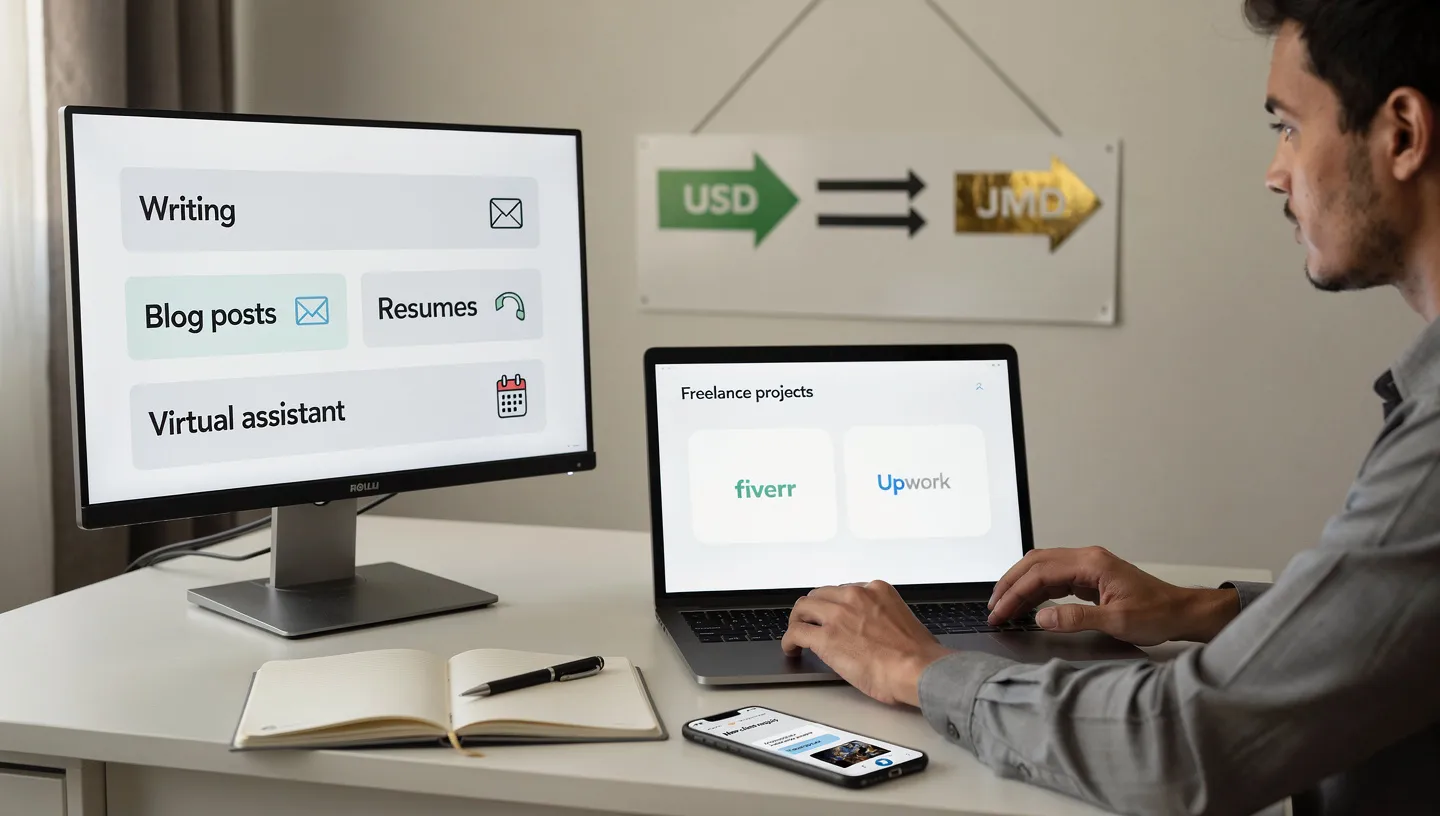
AI writing helpers can speed up drafts, and you can compare AI writing tools beyond Claude, but clients still expect edited and original work. The main downside is that your first rates are low until you have reviews.
| Detail | Estimate |
|---|---|
| Typical start cost | $0 with free profiles |
| Time to first income | Days to a few weeks |
| Income model | Per article or per project |
| Best for | People who write clearly and meet deadlines |
Pros
- No equipment or stock
- Free platforms bring clients
- A niche raises your rates
- Samples double as a portfolio
- Work from any place
Cons
- Early rates are low
- Platforms keep a share of each payment
3. Online Tutoring and Coaching
If you know math, science, languages, or a work skill well, you can teach it online. Sign up on a tutoring platform such as Preply, TutorMe, or Wyzant, or run lessons on Zoom or Google Meet and find students through social media.
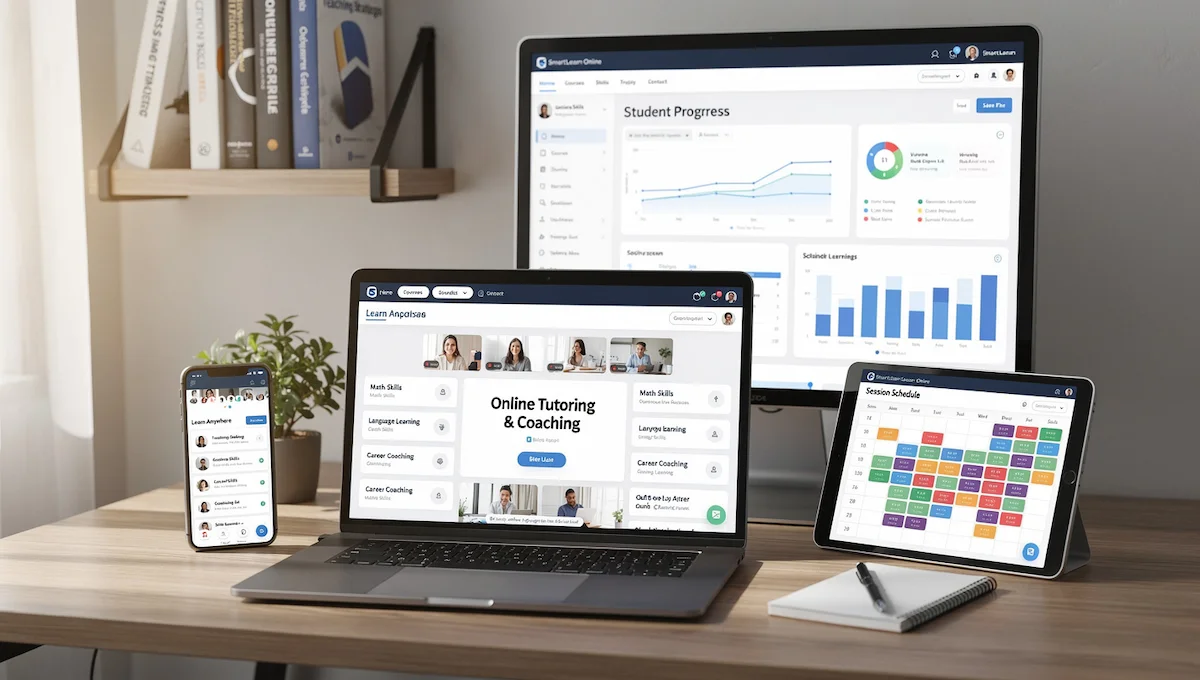
Write a short profile that names the subject, the level, and the results students can expect. Free first lessons help you win trust and reviews. The main downside is that tutoring platforms take a share of each lesson, and rates start low until you build a reputation.
| Detail | Estimate |
|---|---|
| Typical start cost | $0 with free video call tools |
| Time to first income | Days to a few weeks |
| Income model | Per lesson or monthly package |
| Best for | People with a strong subject or skill |
Pros
- You already own the skill
- Zoom and Google Meet are free
- Repeat students bring steady income
- Group sessions raise income per hour
- Courses can follow later
Cons
- Income depends on your hours
- Platform fees reduce early earnings
4. Virtual Assistant
Business owners hand off email, calendars, research, data entry, and social posts to a virtual assistant. You need a laptop, a stable connection, and free tools such as Google Workspace, Zoom, and a task board.
Create a free profile on Upwork or Freelancer, list three services, and pitch small businesses and solo founders. Start with a trial week to prove that you are reliable. The main downside is that early tasks can be repetitive and paid by the hour at a low rate.
| Detail | Estimate |
|---|---|
| Typical start cost | $0 with a laptop and free tools |
| Time to first income | A few weeks |
| Income model | Hourly rate or monthly retainer |
| Best for | Organized people who communicate well |
Pros
- No special degree needed
- Free tools cover daily work
- Retainers bring steady income
- Skills grow into specialist roles
- Clients exist in every industry
Cons
- Early work can be repetitive
- Hourly pay caps your income
5. Graphic Design With Free Tools
Small businesses and creators need posters, menus, thumbnails, invites, and social posts, but many do not know how to design them. Free tools such as Canva let you create clean visuals from templates without paid software.
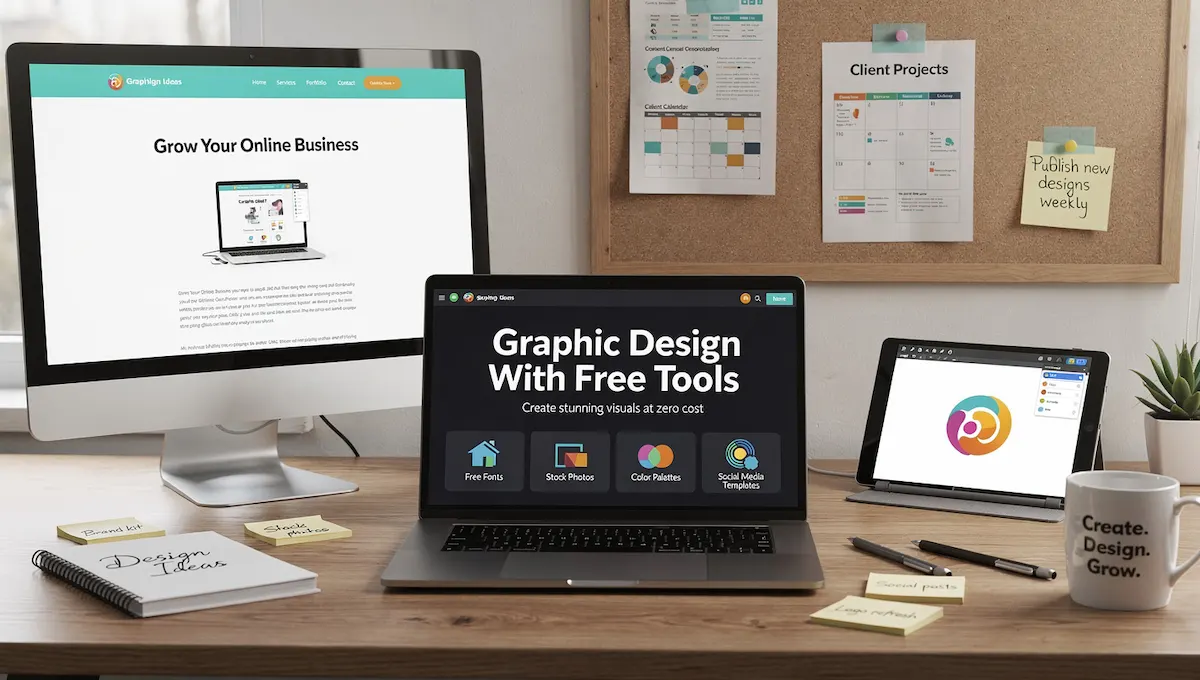
Offer a monthly package, such as ten posts a month, and show before and after samples. If a client needs a logo, quick AI tools for 3D logos can give you a starting concept to refine. The main downside is that templates are shared by many users, so you need a clear style to stand out.
| Detail | Estimate |
|---|---|
| Typical start cost | $0 with the free version of Canva |
| Time to first income | A few weeks after you build a portfolio |
| Income model | Monthly retainer or fee per design |
| Best for | Visual thinkers |
Pros
- Free tools produce clean designs
- Demand from small businesses stays steady
- A portfolio shows skill in minutes
- Retainers bring repeat income
- Skills lead to branding work
Cons
- Templates make designs look similar
- Clients can ask for many revisions
6. Resume and LinkedIn Writing
Many job seekers dread writing a resume or a LinkedIn profile, so they pay someone who knows how. If you write well and understand hiring trends, you can offer resume rewrites, cover letters, and profile updates.
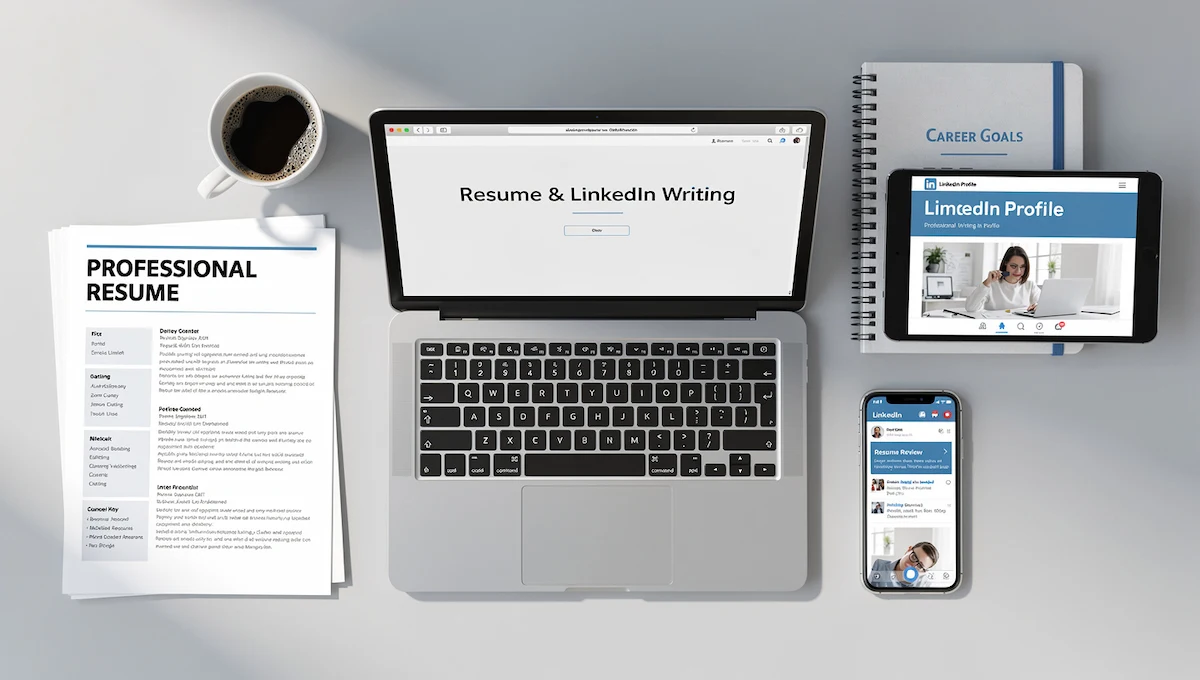
Create three before and after samples, post your service on LinkedIn and freelance sites, and use free tools such as Canva for layouts and Grammarly for editing. Students, graduates, and career changers are your main clients. The main downside is that demand peaks during hiring seasons and slows at other times.
| Detail | Estimate |
|---|---|
| Typical start cost | $0 with free tools |
| Time to first income | A few weeks |
| Income model | Fee per document or package |
| Best for | Writers with an eye for detail |
Pros
- Clients pay per project
- Free tools cover layout and editing
- Narrow niches have less competition
- Repeat clients return at career changes
- Skills lead to career coaching
Cons
- Demand rises and falls with hiring seasons
- You need samples before the first sale
Content and Audience Businesses You Can Build for Free
Content businesses build an audience first and earn later. A content business is a free online business without investment as long as you use free platforms and accept that income can take months. These online business ideas without investment have the strongest long-term growth.
7. Affiliate Marketing
Affiliate marketing pays you a commission when someone buys through your unique link. You join free programs such as Amazon Associates, ShareASale, or CJ Affiliate, pick a niche, and share links in blog posts, videos, or email.
Trust matters most, so recommend only products you have used and explain why. The FTC expects you to disclose the commission link clearly, which also protects your reputation. The main downside is that earnings stay low until your content brings steady traffic.
| Detail | Estimate |
|---|---|
| Typical start cost | $0 to join most programs |
| Time to first income | Often several months |
| Income model | Commission per sale or lead |
| Best for | People who will publish content regularly |
Pros
- Free programs to join
- No product, stock, or support
- Fits blogs, videos, and email
- Many niches to choose from
- Income grows with traffic
Cons
- Income stays low early
- Commission rates differ by program
8. Blogging on Free Platforms
A blog lets you publish useful content and earn from ads, sponsors, and affiliate links once readers arrive. You can start on Medium, Blogger, or WordPress.com without buying hosting or a domain. Pick one narrow topic, write posts that answer real questions, and learn simple SEO, such as clear titles and search terms.
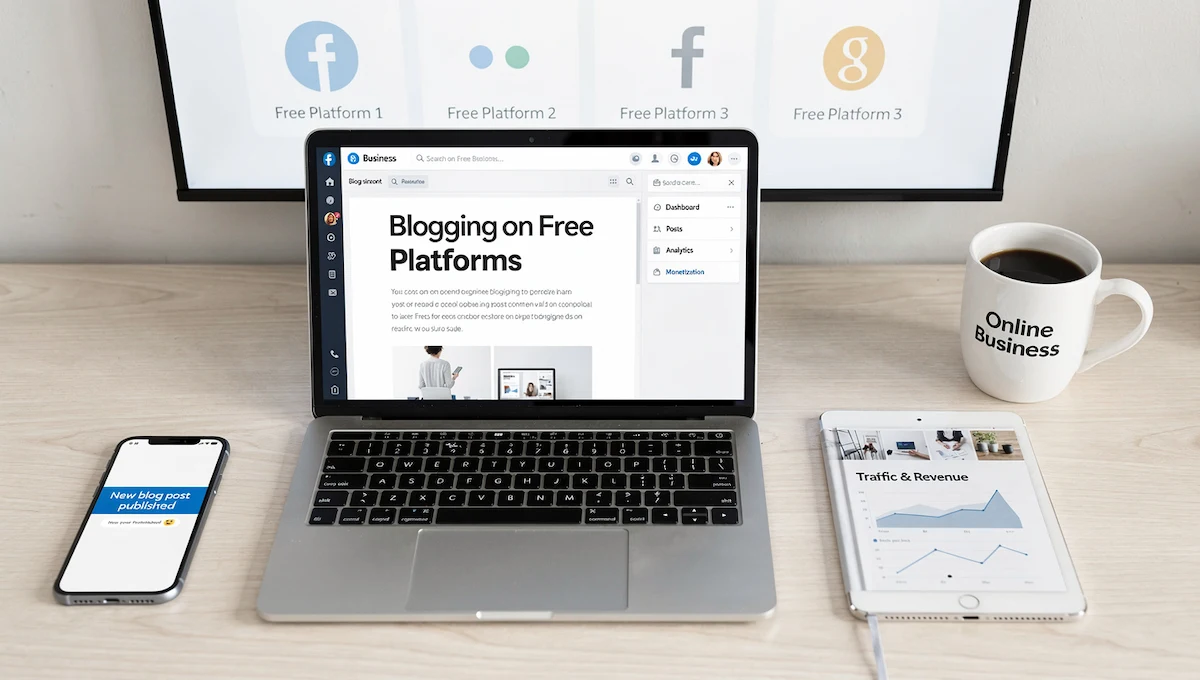
Move to your own domain later, when the blog earns its first money. The main downside is that most blogs need several months before traffic and income appear.
| Detail | Estimate |
|---|---|
| Typical start cost | $0 on free platforms |
| Time to first income | Often six months or more |
| Income model | Ads, sponsors, and affiliate links |
| Best for | Patient writers |
Pros
- Free platforms need no hosting
- One post can bring traffic for years
- Several ways to earn from one blog
- Skills help every other idea here
- Your content stays an asset
Cons
- Income arrives slowly
- Free platforms limit design and ads
9. YouTube Channel
A YouTube channel earns from ads, sponsors, and affiliate links once it meets the platform rules.
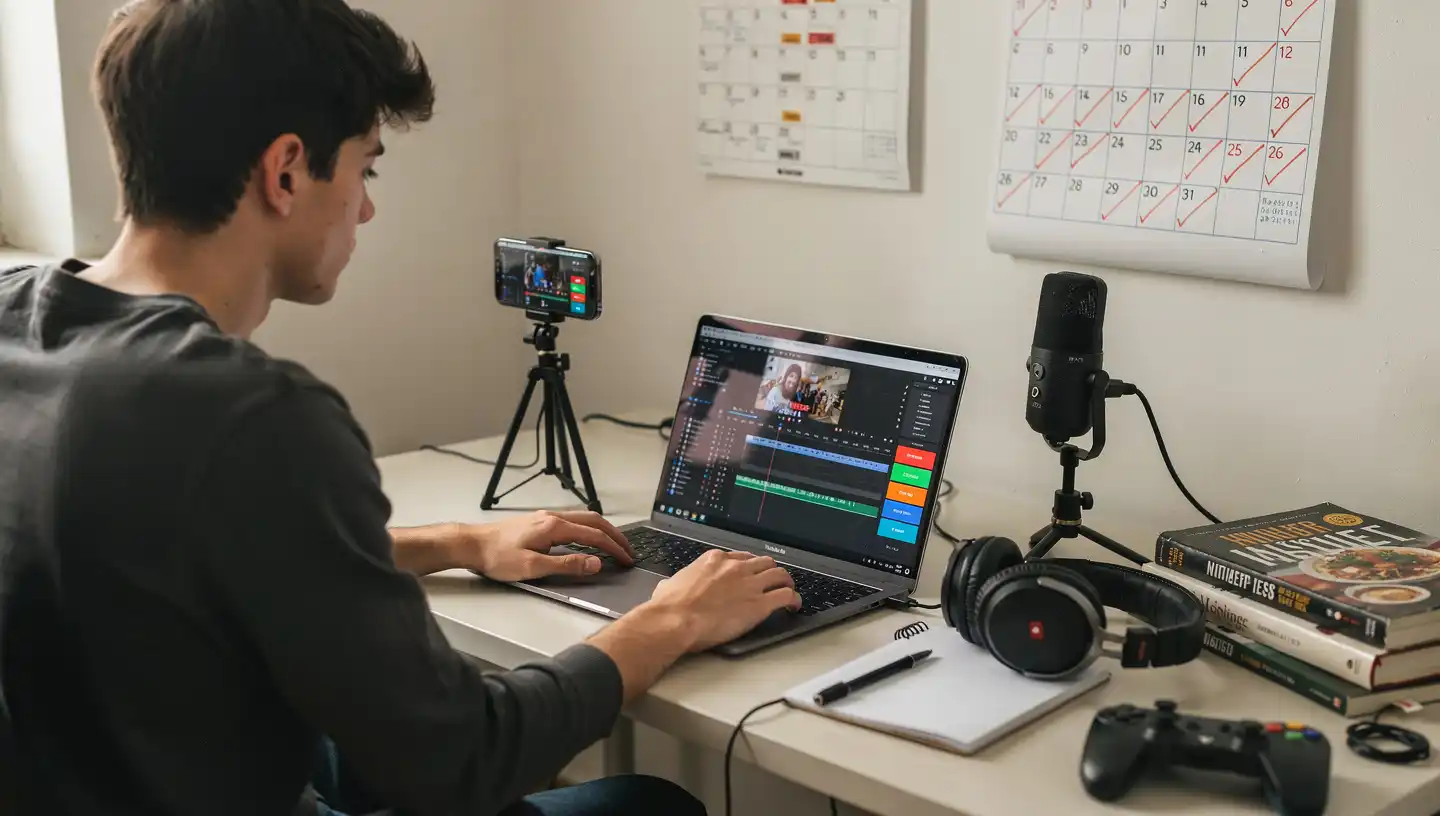
You can record with a phone, edit with free software, and publish on a free channel. Choose a topic where you can post often, such as tutorials, reviews, or tips, and write clear titles that match what people search for. Check the current monetization requirements in YouTube Studio before you plan income. The main downside is that growth takes steady uploads, and many channels stay small for months.
| Detail | Estimate |
|---|---|
| Typical start cost | $0 with a phone and a free editor |
| Time to first income | Often several months |
| Income model | Ads, sponsors, and affiliate links |
| Best for | People comfortable on camera, or those who prefer faceless videos with voiceover |
Pros
- Free to open a channel
- A phone is enough to start
- Search brings viewers over time
- Several income streams
- Videos keep working after upload
Cons
- Monetization has minimum requirements
- Editing takes more time than text
10. Content Creator and Influencer
Creators earn from sponsored posts, affiliate links, and their own products once followers trust them. Pick one platform, such as Instagram, TikTok, or LinkedIn, and one topic you can post about every week.
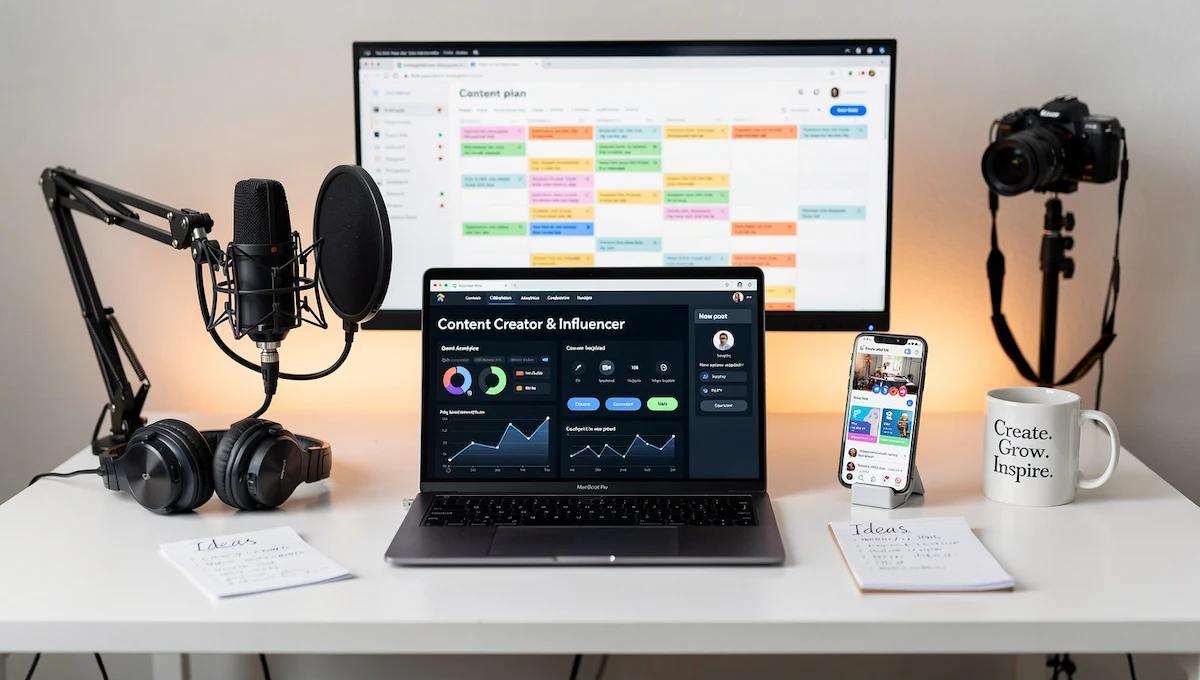
Post consistently, show real results, and reply to comments. A phone is enough to start. Brands usually look for engaged followers in a niche, not only large numbers. The main downside is that platform rules and reach can change, so a single account is a risky base.
| Detail | Estimate |
|---|---|
| Typical start cost | $0 with a phone |
| Time to first income | Often several months |
| Income model | Sponsors, affiliate links, and own products |
| Best for | People who like to show and explain |
Pros
- Free to start on any platform
- Niche audiences attract brands
- Several ways to earn
- Skills carry into other ideas
- Direct feedback from followers
Cons
- Reach depends on platform changes
- Growth takes steady posting
11. Podcasting
A podcast works for people who like to talk and share ideas. You can record on a phone, edit with free software such as Audacity, and host on free platforms such as Podbean.
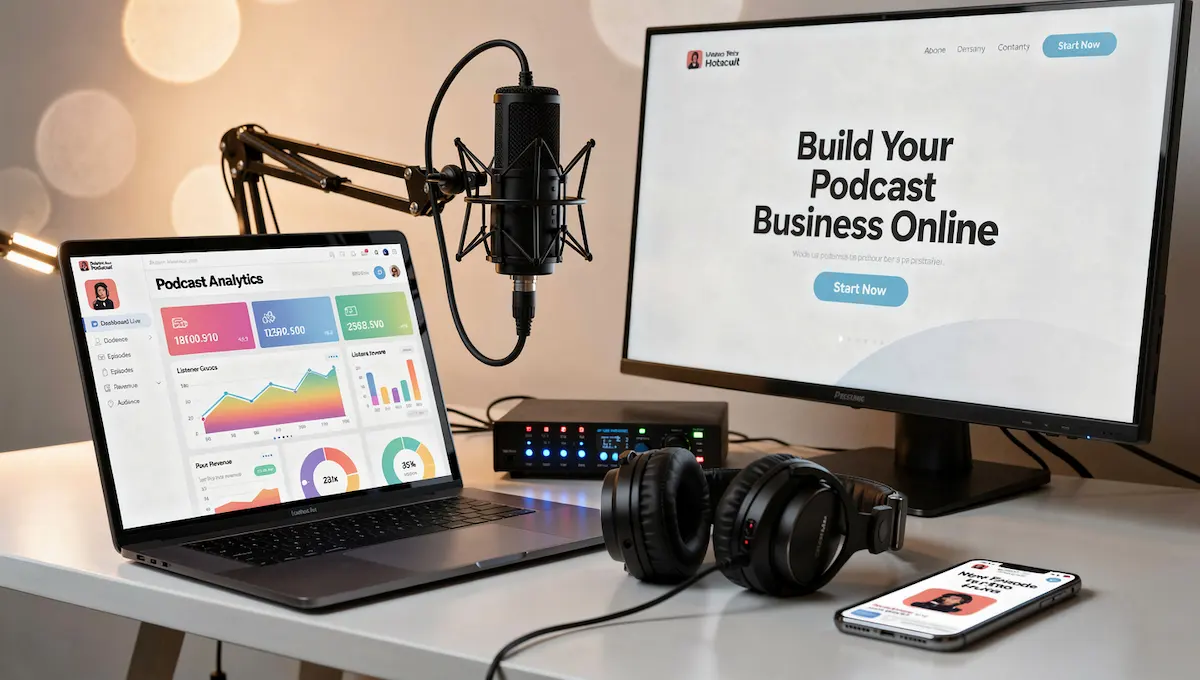
Earnings come from sponsors, affiliate links, and listener support once the audience grows. Be honest about equipment: a better microphone and a quiet room improve quality, so a small first cost may come later. The main downside is that growth is slow without guests and steady promotion.
| Detail | Estimate |
|---|---|
| Typical start cost | $0 at first, small cost for better audio later |
| Time to first income | Often several months |
| Income model | Sponsors, affiliate links, and listener support |
| Best for | Confident speakers |
Pros
- A phone and free software are enough to start
- Free hosting is available
- Interviews bring new listeners
- Episodes stay online for years
- Several income options
Cons
- Better audio may need a small purchase
- Audience growth is slow
Product Businesses Without Inventory
Product businesses sell items or files without owning stock. You pay a supplier or a platform only after a customer orders, which keeps the no upfront cost promise intact. They need more setup than services, but they can earn while you sleep. These online business ideas without investment suit people who like design, research, and testing.
12. Dropshipping
In dropshipping, you list products in your store, and a supplier ships each order directly to the customer. You do not hold stock, so you pay the supplier only after the customer pays you.
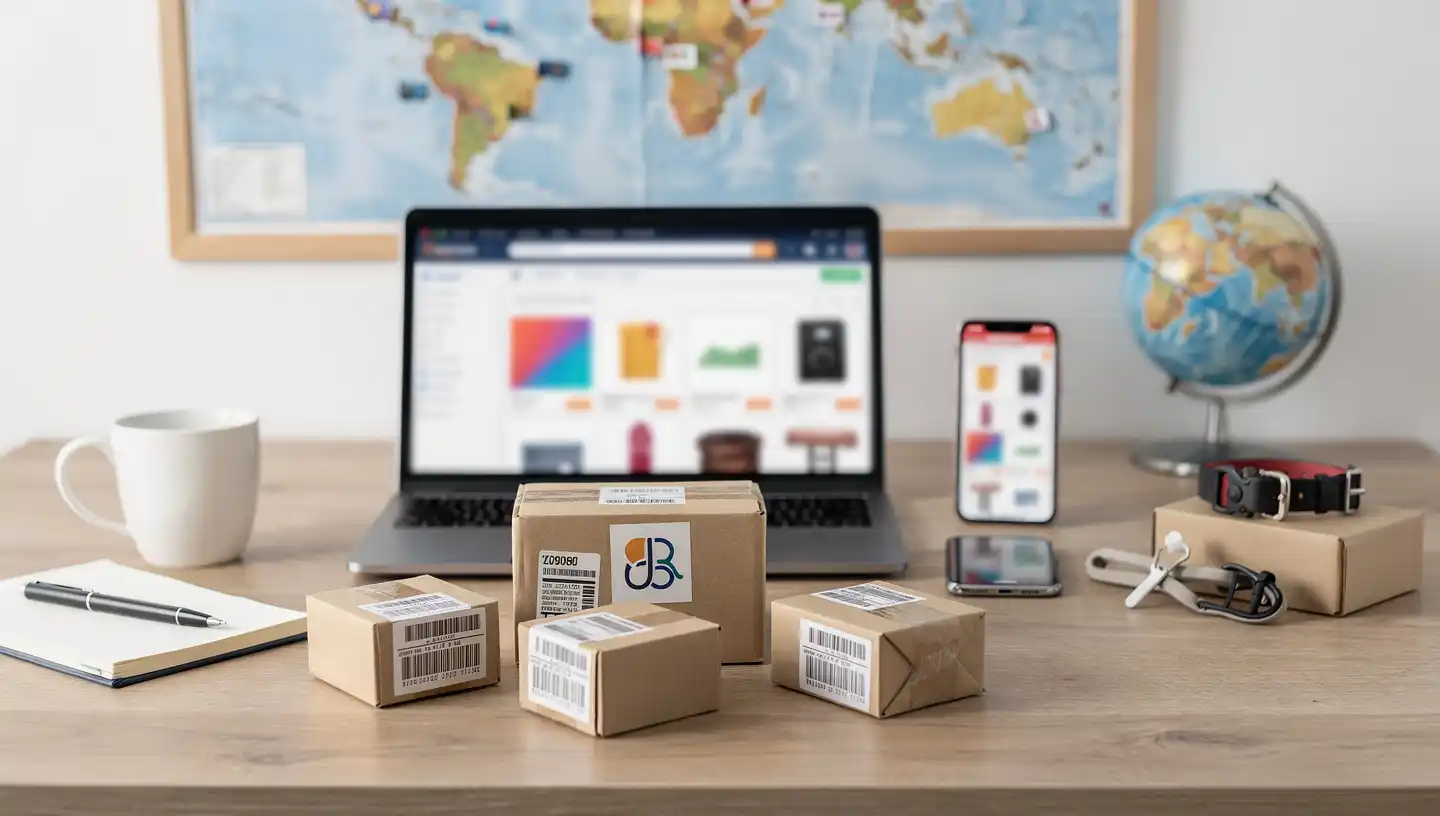
Use free apps such as DropCommerce or Syncee with a store builder such as Shopify or WooCommerce, and pick a niche with a clear problem to solve. Test five to ten products before you commit. The main downside is that margins are thin and competition is high, so store and ad costs can appear quickly.
| Detail | Estimate |
|---|---|
| Typical start cost | $0 with a free trial and free apps, then a store plan |
| Time to first income | Weeks to a few months |
| Income model | Gap between supplier price and selling price |
| Best for | People who like testing products |
Pros
- No stock or warehouse
- Pay the supplier after the sale
- Free apps connect suppliers
- Test many products fast
- Run it from anywhere
Cons
- Margins are thin
- Store plans and ads add costs
13. Selling Digital Products
Digital products such as templates, planners, printables, ebooks, and short courses are made once and sold many times. Design them with free tools such as Canva or Google Docs, then list them on Gumroad, Payhip, or Etsy.
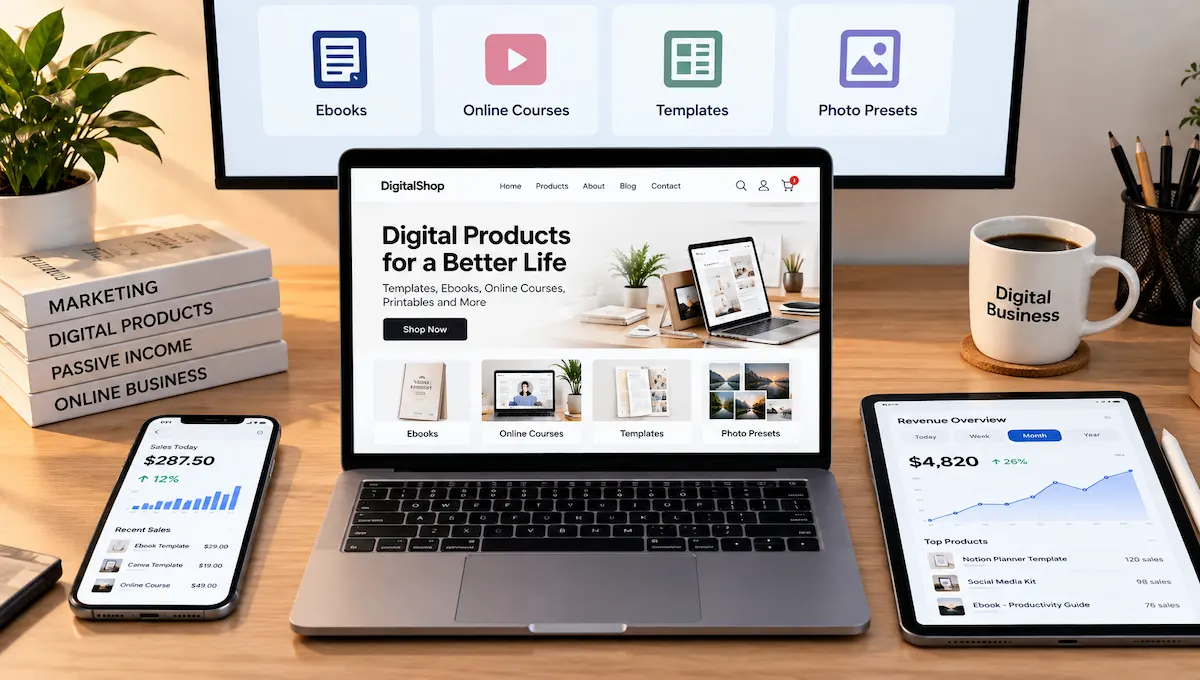
There is no printing, no shipping, and no stock. Pick a problem you know well, such as meal planning, budgeting, or resumes, and make one useful product first. The main downside is that platform fees apply and buyers have many choices, so your product needs a clear promise and good preview images.
| Detail | Estimate |
|---|---|
| Typical start cost | $0 with free design tools |
| Time to first income | Weeks to a few months |
| Income model | Per sale, minus platform fees |
| Best for | Designers and organized planners |
Pros
- Make once and sell again
- No shipping or stock
- Free tools create the files
- Fits every niche
- Delivery is automatic
Cons
- Platform fees apply
- Many sellers compete
14. Print on Demand
Print on demand lets you sell shirts, mugs, tote bags, and phone cases with your own designs, without buying stock. A partner such as Printful or Printify prints and ships each order, and you pay the production cost only after a sale.
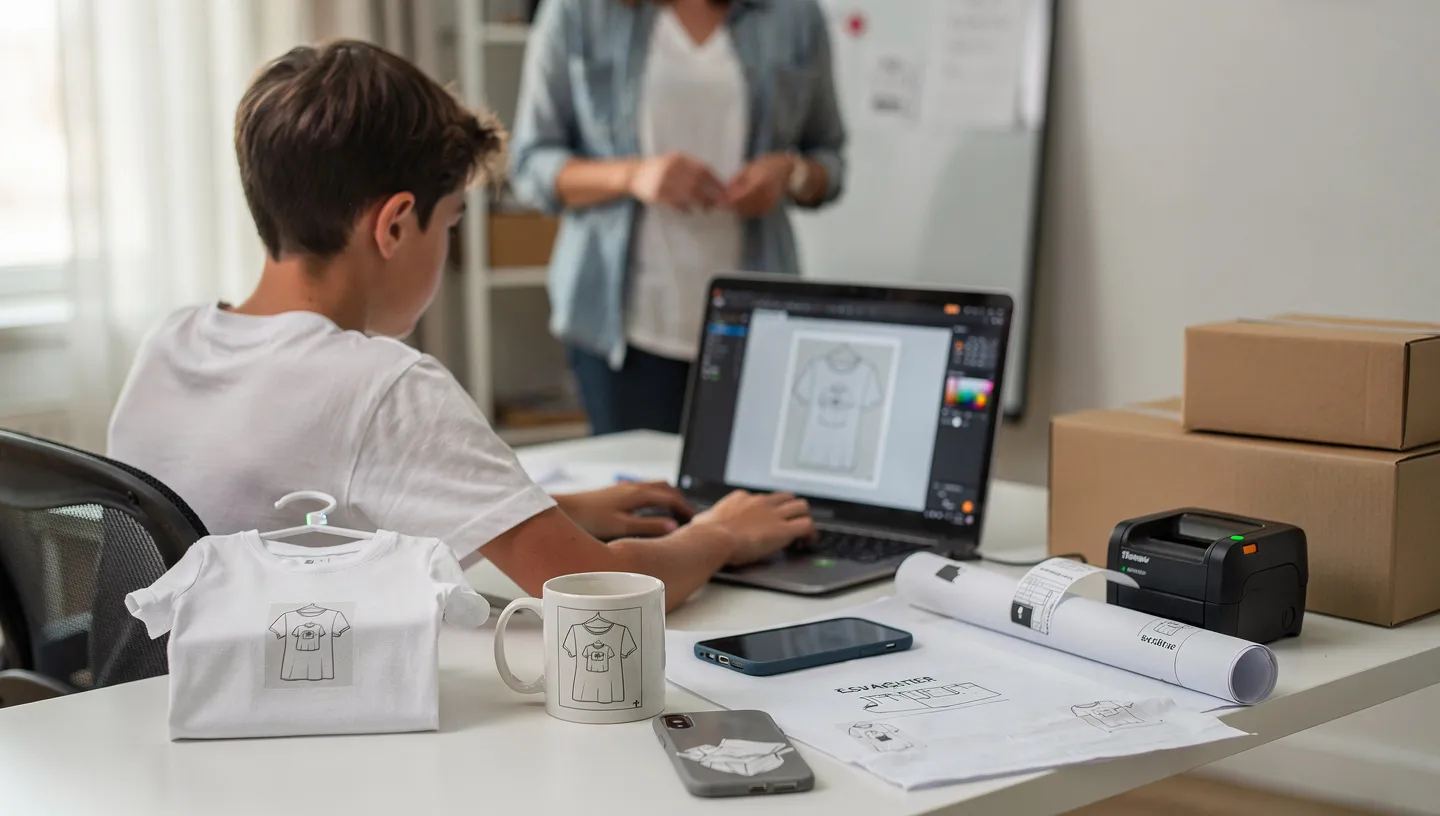
Make designs in Canva, upload them to a store or a marketplace, and test a few niches. Order a sample of your best product to check quality. The main downside is that profit per item is small, so you need steady traffic to earn.
| Detail | Estimate |
|---|---|
| Typical start cost | $0 upfront, production cost paid per order |
| Time to first income | Weeks to a few months |
| Income model | Selling price minus production cost |
| Best for | Designers and niche hobbyists |
Pros
- No stock or storage
- Pay only when a sale happens
- Test many designs quickly
- Free design tools are enough
- The partner handles printing and shipping
Cons
- Profit per item is small
- Sample orders add a small cost
15. Online Reselling
Reselling means you list items online and sell them for more than they cost you. The easiest free start is to sell things you already own, such as clothes, electronics, and collectibles, on eBay, Depop, Vinted, or Facebook Marketplace.
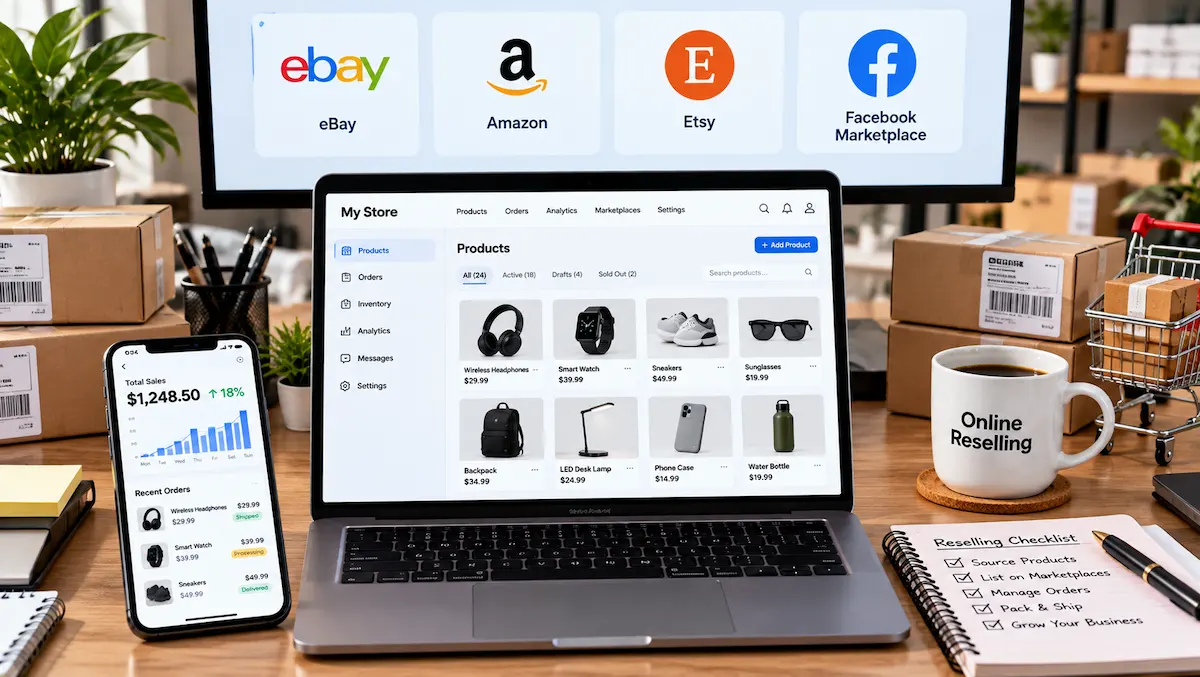
Take clear photos, write honest descriptions, and price items against similar listings. Later you can source cheap items from thrift stores and clearance sales. The main downside is that finding good items takes time, and sourcing needs money once your own stock runs out.
| Detail | Estimate |
|---|---|
| Typical start cost | $0 with items you already own |
| Time to first income | Days to a few weeks |
| Income model | Selling price minus item cost and fees |
| Best for | People with items to sell and an eye for deals |
Pros
- Start with things you already own
- Local listings are free on some marketplaces
- First sales come quickly
- Simple to learn
- Fits part-time work
Cons
- Sourcing needs money later
- Shipping and fees reduce profit
More Online Business Ideas Without Investment to Consider
These eleven ideas are mentioned less often, but they also work as online business ideas without investment and as work-from-home business ideas. If you speak two languages, you can offer translation, and live translation tools can speed up drafts and speech work. Check the first step of each idea before you commit, because any online business without investment still needs a plan.
| Idea | Best for | First step |
|---|---|---|
| Translation and Transcription | Bilingual people and fast typists | Create a freelance profile and list your language pair |
| Web Design | People who like building pages | Build two sample sites with a free builder |
| SEO Services | Analytical thinkers | Audit one small site for free as a sample |
| Community Management | Good moderators | Offer to run a Facebook Group or a Discord server |
| Stock Photos and Video | Phone photographers | Upload your best shots to free contributor accounts |
| Microtasks and Surveys | Beginners with spare minutes | Join one platform and test small tasks, expecting small pay |
| Handcrafted Goods | Makers and crafters | List one product on Etsy, and plan for the cost of materials |
| App Development | People who can code | Build a simple app and test it with ten users |
| Music and Voiceover | Creators with audio skills | Record a sample and list it on a freelance site |
| Online Courses | Experts with a skill they can teach | Record two short lessons and host them on a free plan |
| Video Editing | Creators who like cutting footage | Edit one sample video for free and show it in a portfolio |
Free Tools to Start an Online Business Without Investment
Free tools make an online business without investment possible, because they replace software and services that once cost money. Three tools come up often in guides about starting for free: a store builder, an all-in-one marketing platform, and a design tool. Use the free or trial version first, and upgrade only after your first sales. If you want to start an online business without investment, these tools remove most early costs. Some links in this section are affiliate links, as noted at the top of this page.
16. Shopify
Shopify is a store builder for selling physical or digital products online.
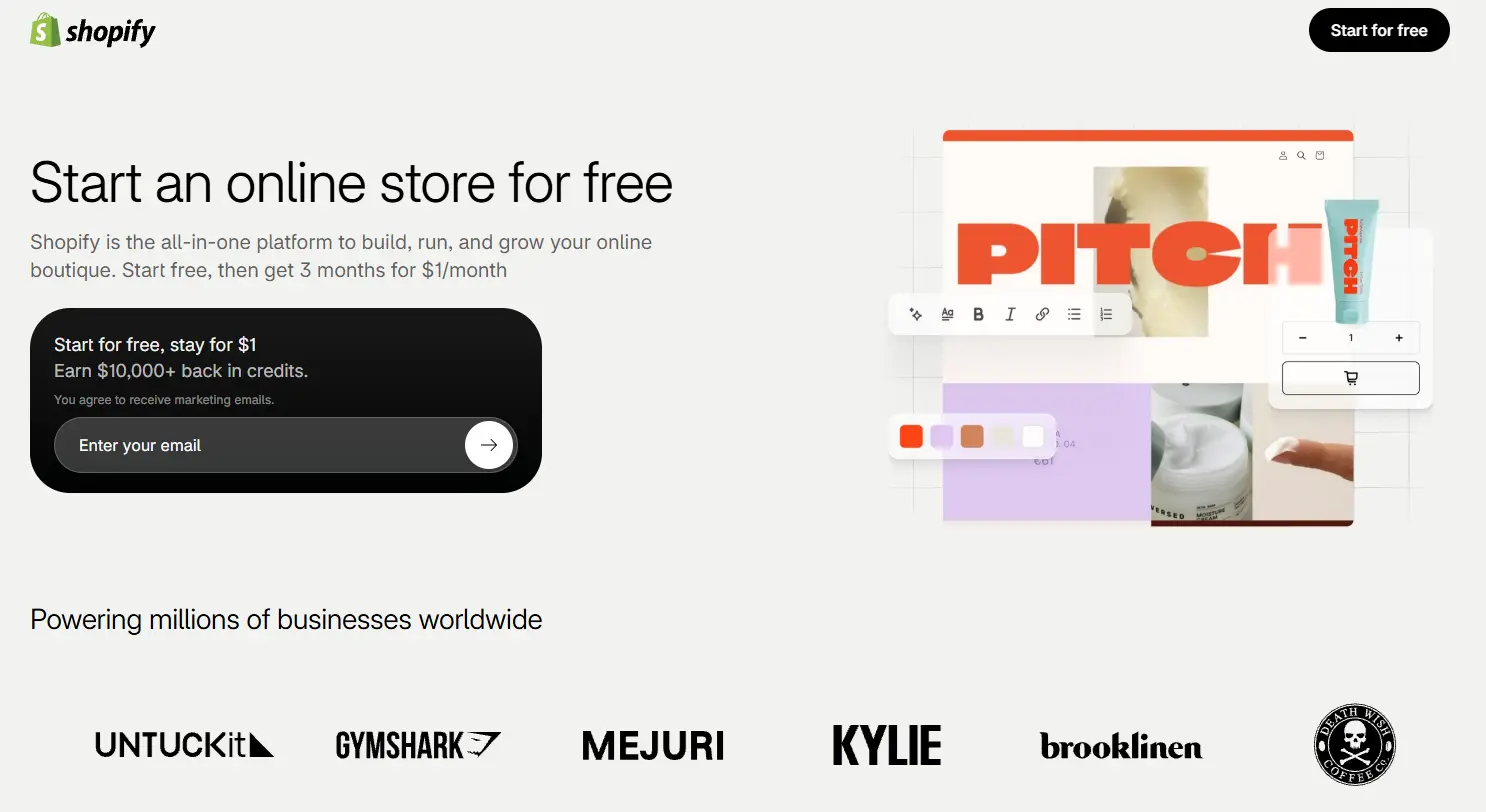
It fits dropshipping, print on demand, and digital downloads, because it handles product pages, checkout, and basic marketing in one place. Shopify advertises a three-day free trial, and its Starter plan has been listed at $5 a month after the trial, so check current pricing on the site. Use the trial to build a test store and validate one product before you pay. The main downside is that a store plan is a monthly cost once the trial ends.
| Detail | Estimate |
|---|---|
| Typical cost | Free trial, then a monthly plan (check current pricing) |
| Time to set up | A few hours |
| Use in this guide | Dropshipping, print on demand, digital products |
| Best for | Sellers of products |
Pros
- Free trial to test a store
- Product pages and checkout are built in
- Large library of apps and themes
- Works for physical and digital items
- Free business name and logo tools
Cons
- A monthly plan starts after the trial
- Apps and ads add costs
17. Systeme.io
Systeme.io is an all-in-one platform for sales funnels, email marketing, and online courses. Its website lists a free plan, so you can build a landing page, collect emails, and sell a digital product without paying monthly.
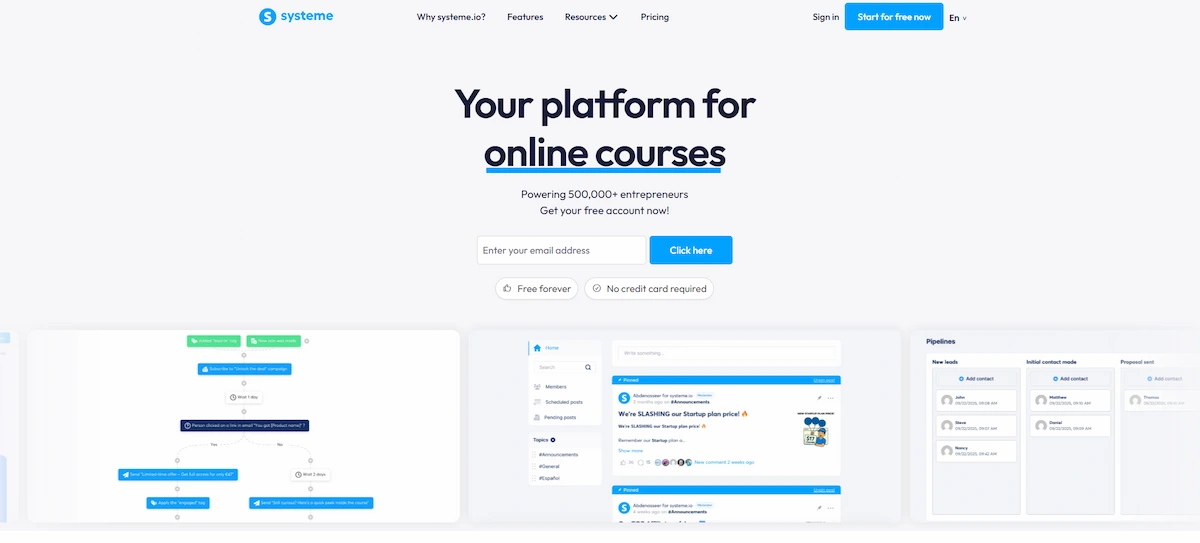
It suits affiliate marketing, digital products, and coaching, where one funnel replaces several separate tools. Start with one funnel for one offer and test it before you add more. The main downside is that free plans have limits, so check the current limits before you build around them.
| Detail | Estimate |
|---|---|
| Typical cost | Free plan, paid plans for higher limits (check current limits) |
| Time to set up | A few hours |
| Use in this guide | Funnels, email, courses, digital products |
| Best for | Sellers of digital products and services |
Pros
- A free plan to start
- Funnels, email, and courses in one place
- Fits digital products and coaching
- Fewer separate tools to pay for
- Simple for beginners
Cons
- You may outgrow the free limits
18. Canva
Canva is a free design tool with templates for posts, thumbnails, menus, resumes, planners, and logos. Almost every guide on free online businesses mentions it, because it replaces paid design software.
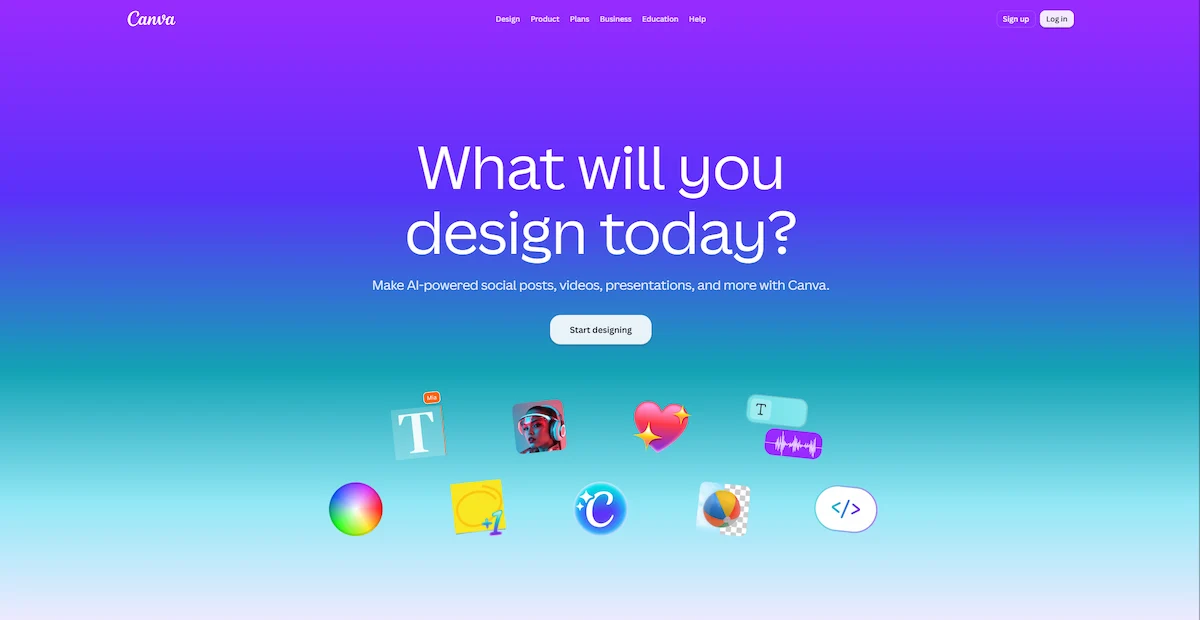
Use it for social media management, digital products, print on demand, and graphic design services. Start with a free template, change the colors and fonts, and export in the format you need. The main downside is that popular templates look alike, so add your own style to stand out.
| Detail | Estimate |
|---|---|
| Typical cost | Free version, paid plan for extra features (check current pricing) |
| Time to set up | Minutes |
| Use in this guide | Designs, templates, digital products |
| Best for | Beginners |
Pros
- The free version is enough to start
- Thousands of templates
- Easy to learn
- Exports for web and print
- Useful in many ideas here
Cons
- Popular templates look similar
- Some assets need a paid plan
First Paid Steps: Domain, Hosting, and Business Email
Most ideas start free and later become low investment business ideas, because a few small costs usually appear once you earn. A domain gives you a professional web address, hosting keeps a website online, and a business email makes you look more reliable. Pay for these only after your idea has produced its first sales.
| Step | Provider examples | When to pay |
|---|---|---|
| Domain name | Namecheap | After your first paying customer, or when you launch a blog |
| Website hosting | Hostinger | When you outgrow a free platform |
| Business email | Your domain provider or Google Workspace | When clients start to write to you |
Prices and plans change, so compare current offers before you buy.
How to Choose the Right Online Business for You
Use the table to match your situation to an idea. If you want to start an online business with no money, test one idea for thirty days. A student can start an online business without investment with tutoring or digital products, and these business ideas for students add more options. The same list works as online business ideas without investment for anyone who wants a side hustle without investment next to a job or classes.
| Your situation | Best idea | Why |
|---|---|---|
| You need income soon | Freelance writing or virtual assistant | Clients pay after a short setup |
| You write well | Freelance writing or blogging | Words are your main tool |
| You enjoy speaking or teaching | Online tutoring or podcasting | Your voice is the product |
| You have items to sell | Online reselling | You start with stock you already own |
| You have a design eye | Graphic design or print on demand | Free design tools are enough |
| You have patience but no audience yet | Blogging with affiliate marketing | Content keeps earning over time |
| You are a student with limited hours | Tutoring or digital products | Flexible hours and low setup |
Rank your shortlist by how fast you can reach a first paying customer and how much free time the idea needs each week. Before you pick, run five quick checks on your top idea:
- Skill – can you start using it today?
- Demand – do people already pay for it?
- Competition – is the niche too crowded, and can you narrow it?
- Time – how many hours a week does it need?
- Money path – how does it earn, and how soon?
What You Need to Start an Online Business Without Investment
The list of requirements is short, and most people already own everything on it:
- A phone or a laptop for work, calls, and content
- A stable internet connection for clients, platforms, and uploads
- A free email address for sign-ups and client messages
- A payment account such as PayPal or a bank transfer option
- One free design tool such as Canva for posts, covers, and samples
- A few hours each week kept free for steady work
Paid software, a custom domain, and extra equipment are optional, and they can wait until your first income.
How to Start an Online Business Without Investment Step by Step
You can start an online business without investment in about a week if you keep the plan small. Follow these steps in order, and do not add a second idea until the first one has earned. This plan works for any online business ideas without investment in this guide, and it is the simplest way to start an online business with no money.
Step 1: Pick One Idea and One Skill
Choose one idea from the list and one skill you can use today. A narrow start is easier to explain and easier to sell than a broad one. If you like software, browse these software and app business ideas for a niche to focus on.
Step 2: Check Demand for Free
Search your idea on Google, Upwork, Fiverr, and social media to see what people ask for and what they pay. Free tools such as Google Trends show whether interest grows or falls. If nobody pays for it, pick another idea before you spend weeks on it.
Step 3: Set Up Free Profiles and Tools
Create the accounts you need: a freelance profile, a Canva account, a free blog, or a store trial. Choose a simple business name, write a one-page plan, and add a short description and three samples. Keep every login in one place so you can track your work. All of these have a free plan or a trial, so there is no upfront cost.
Step 4: Get Your First Customer or Your First Visitors
For a service, pitch ten small businesses or job posts each week. For content, publish one useful post or video a week. For products, list five items and share them in two communities. Offer a small free sample to earn your first review.
Step 5: Set Up a Free Way to Get Paid
Open a free payment account, such as PayPal, a bank transfer option, or the payout method of your platform. Payment options differ by country, so check what works where you live, for example if you start an online business in Nepal. Keep a simple invoice template for service clients.
Step 6: Track Results and Small Costs
Write down your hours, your income, and every small cost in a simple sheet. After thirty days, compare what you earned with the time you spent. This shows which idea deserves more of your week and which one to drop.
Step 7: Reinvest the First Earnings
Spend the first money on the one thing that removes your biggest limit, such as a domain, a better microphone, or a paid plan. Reinvesting a small share keeps the business growing without outside money.
How to Grow Your Online Business Without Investment
Growth also has a free path. These six habits bring customers or visitors without ad spend, and they work for most ideas in this guide.
- Use free SEO tools. Google Trends and Google Search Console show what people search for and which pages bring visitors.
- Collect social proof early. Ask your first clients for a short review and show it on your profile.
- Use free automation. Schedule posts and set up a welcome email on the free plan of your tools.
- Post useful content. Short posts, videos, and answers in communities bring organic traffic over time.
- Network with peers. Join groups, comment with real advice, and trade shout-outs with creators in your niche.
- Test and improve. Try two titles or two thumbnails, keep the one that works better, and repeat.
Pick two of these habits and repeat them every week. Steady small actions beat a single big push when you grow an online business without investment.
Ways an Online Business Without Investment Makes Money
Every idea in this guide earns in one of five ways. Knowing them helps you pick a model and later mix two of them.
- Client fees – you are paid for work, as in freelance writing, tutoring, and social media management
- Commissions – you earn a percentage when someone buys through your link, as in affiliate marketing
- Ads and sponsors – blogs, YouTube channels, and podcasts earn from advertisers once the audience grows
- Product sales – you earn from templates, designs, resold items, or dropshipped goods
- Memberships and subscriptions – readers or students pay monthly for lessons, content, or a community
Start with one model. Add a second one after the first earns, for example a digital product for the readers of your blog.
How Much Money Can You Make Without Investment?
Income from an online business with zero investment depends on the idea, your skills, and your hours. Nobody can promise a number to people who want to make money online without investment, and anyone who does should be treated with caution. What you can plan is the speed, because the three groups pay at different times.
- Days to a few weeks – freelance writing, virtual assistant work, tutoring, and reselling, where a client or buyer pays soon after the work
- One to three months – social media management, digital products, and print on demand, which need a portfolio or a few listings first
- Six months or more – blogging, YouTube, podcasting, and affiliate marketing, which need an audience before income starts
Treat these ranges as typical, not guaranteed. Passive income from content is possible, but it follows months of regular work, so a passive income online business is better seen as a long-term build. As income grows, an online business manager can take over routine tasks so you can focus on sales.
Mistakes to Avoid When Starting an Online Business Without Investment
Most beginners lose time, not money, when they start a zero-investment online business. Check your plan against these seven mistakes before you begin an online business without investment, and keep the no upfront cost rule in mind.
- Expecting fast money. Even the quickest ideas need a few weeks of setup and outreach.
- Starting five ideas at once. One idea with steady effort beats five half-finished ones.
- Skipping the niche. A narrow audience is easier to reach than everyone.
- Relying on one income source. If one client or platform stops, your income stops with it.
- Ignoring marketing. A good idea earns nothing if nobody sees it.
- Not tracking small costs. Fees, plans, and tools add up and hide your real profit.
- Paying for training to get work. Real clients pay you, not the other way around.
Do You Need a License or Tax Registration?
Rules depend on your country and region, so check the local requirements before your income grows. These points apply in many places:
- Income is usually taxable. Keep a record of every payment from the first day.
- Business registration. Some places ask for a registration or a local permit once you earn on a regular basis.
- Tax forms from platforms. Marketplaces and affiliate programs may ask for tax details before they pay you.
- Sales tax or VAT. Selling products can trigger it above a set threshold.
- Separate accounts. A separate account for business money keeps your records clean.
A local small business office or an accountant can confirm what applies to your online business without investment.
How to Spot a Fake No Investment Offer
Because many people search for a legit online business or a zero-investment online business, scammers use the same words. A real online business without investment never asks you to pay to get paid. Watch for these red flags:
- Upfront fees – a payment for a starter kit, a license, or access
- Guaranteed income – no honest business can promise earnings
- Daily payouts with no real work – an online business that pays daily without work is a warning sign
- Paid training required – you must buy a course before you can earn
- Recruiting others – your income depends on signing up new people
- No real product or client – nobody can show who pays and for what
Before you join any platform, search its name with the word reviews, check who owns it, and read the payment terms. A legit online business shows who pays you and why. If an offer fails any of these checks, walk away.
Final Verdict: Where to Start
The simplest way to start an online business without investment is to pick one idea, use free tools, and test it for thirty days. A beginner who wants a side hustle without investment should start with a service such as freelance writing, virtual assistant work, or social media management. A person with patience should add a blog or a YouTube channel with affiliate marketing, and a designer can test print on demand or digital products.
Take one step today to start an online business with no money: choose an idea from the list, open a free profile, and send your first pitch or publish your first post. Even the best online business ideas without investment only start paying after the first action.
Online Business Without Investment FAQ
What is the best online business without investment?
The best online business without investment depends on your skills and your timeline. Services such as freelance writing, virtual assistant work, and social media management pay the fastest, while blogging, YouTube, and affiliate marketing grow slower but last longer. Pick one idea and test it for thirty days.
What are the online businesses to make money without investment?
The online businesses to make money without investment include freelancing, virtual assistance, social media management, affiliate marketing, blogging, dropshipping, print on demand, digital products, and reselling. Service businesses pay first, and content businesses pay last.
Can I start an online business with absolutely no money?
Yes. Many ideas need only a phone or a laptop, free accounts, and your time, so an online business from home without investment is realistic. You can start an online business with no money by offering a service, selling items you own, or publishing content on a free platform. Small costs may appear later, after you start to earn.
What is the easiest online business to start with zero investment?
Freelance writing, virtual assistant work, and online tutoring are the easiest online business without investment for beginners, because you need only a free profile and a short sample. Reselling items you already own is also simple. Pick the one that matches a skill you use today.
Which online business makes money daily without investment?
Be careful with promises of daily income when you try to make money online without investment. Freelance gigs, tutoring sessions, and resale of your own items can bring quick payments, but income depends on your work each day. Any online business that pays daily without real work is a warning sign of a scam.
Which business can I start today with no cost?
Freelance writing, virtual assistant work, social media management, tutoring, and reselling items you own can all start today. Each needs only a free profile or a free account. Pick one, write a short pitch, and send it to three possible clients before the day ends.
How can students start an online business without investment?
Students can start an online business without investment for students with tutoring, freelance writing, social media management, or digital products, because these fit flexible hours and need only free tools. If you are younger, read how to start an online business under 18 for the rules and safe options.
Is dropshipping possible without investment?
Yes, in the early stage. You list products and pay the supplier only after a customer orders. Store plans, ads, and returns can add costs later, so test a few products with free trials and organic posts first.
How long does it take to earn money from an online business with no investment?
Services and resale can pay within days or weeks. Digital products and print on demand usually need one to three months. Blogging, YouTube, podcasting, and affiliate marketing often need six months or more, so match the idea to your timeline.
What are the most profitable free online businesses?
A free online business without investment can be profitable, but profit depends on your skills and effort, not only on the idea. Freelance writing, affiliate marketing, blogging, and print on demand are often named as profitable, but only after you build samples, traffic, or designs. Track your hours and income to see what pays best.
What are the best passive income ideas for beginners?
Affiliate marketing, blogging, YouTube, digital products, and print on demand are the most common passive income ideas. They are not passive at the start, because they need steady work first. Income keeps coming after the work is done, but it can take months to begin.
Do I need technical skills to start an online business without investment?
No. An online business without investment for beginners needs only basic digital skills, such as using email, a spreadsheet, and a free design tool. Technical skills help for web design or app development, but freelance writing, tutoring, and virtual assistant work do not require them.
What do I need to start an online business without investment?
You need a phone or a laptop, an internet connection, a free email address, a payment account, and a few free tools such as Canva. Add a few hours each week and one clear idea. Paid tools are optional and can wait until you earn.
How do I market my business for free?
Use free channels: social media posts, a blog or a YouTube channel, communities and forums, and word of mouth. Ask early customers for reviews and share samples of your work. Consistent posting matters more than a big budget.
Can I start an online business without investment from any country?
Yes. You can run an online business from home without investment in most countries, because your location matters less than local payment options and tax rules. Check how platforms pay in your country, and for a local example see how to start an online business in Trinidad.
Can I keep my job while I start an online business without investment?
Yes, and it is the safest way. Most free ideas run in a few hours each week, such as tutoring, freelance writing, or reselling. Move to full time only when your income is steady and you have a small savings buffer.
Is an online business without investment legit?
Yes, when it sells a real service or product and pays you from real customers. Be careful with offers that ask for fees, promise daily income, or require you to recruit others. A legit online business always shows who pays you and for what.