A remote business lets you find customers, deliver the work and get paid without a fixed office. That makes it one of the cheapest ways to start, since you skip rent, commuting and stock. The best business ideas remote workers can start today need only a laptop, an internet connection and a skill that someone will pay for.
This guide lists 25 remote business ideas with the skills you need, the startup cost, the income potential and the main risk of each one. It also shows how to start a remote business step by step: choose an idea, test it before you spend money, price your work, find your first clients, handle taxes and contracts, and work across time zones.
The short version: start with a service you can sell this month, such as virtual assistance, writing or design. Add products, courses or a newsletter later, once you know what your customers buy. Many of these low startup cost remote business ideas can begin with a few hundred dollars or less.
Best Remote Business Ideas at a Glance
The easiest remote business to start is a service you already know how to do, because you can sell it before you build anything. Use this list to match a low startup cost idea to your situation and your remote business plan, then read the full notes below.
- Fastest to start: virtual assistant, freelance writing, graphic design, bookkeeping and translation
- Best for experts: online tutoring, coaching and consulting, online courses
- Best for recurring revenue: social media management, bookkeeping, customer support, newsletters and memberships
- Best for scale: digital products, micro-SaaS, software development and marketing agencies
- Best for creatives: video editing, podcast production and content creation
These are business ideas you can run from anywhere, but each one has a different workload. Services pay faster. Products and content take longer and scale further.
What Makes a Business Truly Remote?
A business is remote when its core work can be done online without one fixed office, shop or studio. That includes marketing, sales, delivery, billing, customer support and reporting. A remote business may still use local suppliers, contractors or a coworking space now and then. What matters is that you can manage the main work from a laptop. Not every list of work from home business ideas meets this rule, so the remote business ideas below all do. Asynchronous work, where people reply when it suits them, is common.
A home-based business is not always remote. A dog walker or a baker works from home but serves local customers. A location-independent business can serve a client in another country and run from a café, a rented room or a train. That freedom is the main reason people choose a location-independent business, and it is also why you need clear systems, written communication and reliable internet. A home-based business that serves only local clients does not give you that choice.
Pros and Cons of Starting a Remote Business
Every remote business trades some things for others. Weigh these points before you pick from the remote business ideas below.
Benefits
- Lower overhead: no rent, utilities or commute, which cuts the money at risk
- Flexible hours: you choose when and where to work, as long as you meet deadlines
- Global reach: customers and contractors can come from any country
- Faster testing: you can launch a small offer in a weekend
- Recurring revenue: retainers, subscriptions and memberships are easy to run online
Challenges
- Time zones: a client in another region can turn a flexible day into a long one
- Isolation: working alone needs routines and contact with other people
- Uneven income: early months can be slow, especially for content and products
- Security: client files and payment accounts need protection
- Rules across countries: tax, contracts and data protection depend on where you and your customers live
Best Remote Business Ideas for Services
Service businesses pay fastest, because you sell your time or skill before you build a product. These fifteen work well from anywhere, and most of them start with tools you already own. The pay ranges are rough numbers from public freelance data and differ by country and experience.
1. Virtual Assistant Services
A virtual assistant handles inbox management, scheduling, research, CRM updates and invoice follow-up for busy founders and small teams. Many assistants start alone and later turn the work into an agency.
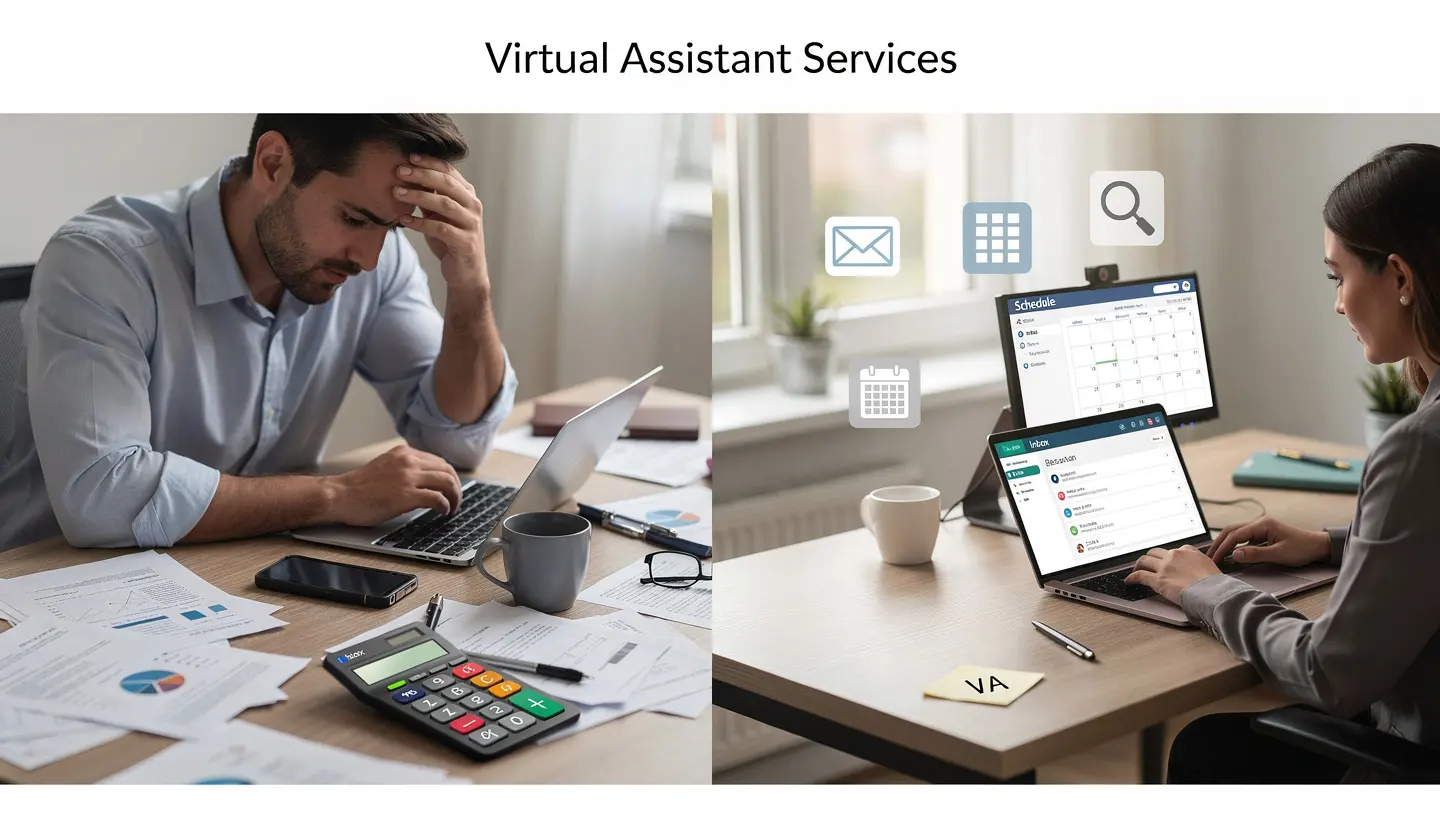
Best for: organized people with strong written communication. Skills needed: organization, communication and office software. Startup cost: close to zero. Income potential: Forbes puts typical pay at roughly 10 to 50 dollars per hour, with beginners at the low end. First income: often within a few weeks. Main risk: low-price competition, so specialize in a niche such as real estate, ecommerce or podcast operations.
2. Freelance Writing and Content Strategy
Businesses need articles, case studies, email campaigns, website copy and reports. Writers who understand search intent, interviews and brand voice earn more than those who only produce text. Charge per article, per project or through a monthly content package.
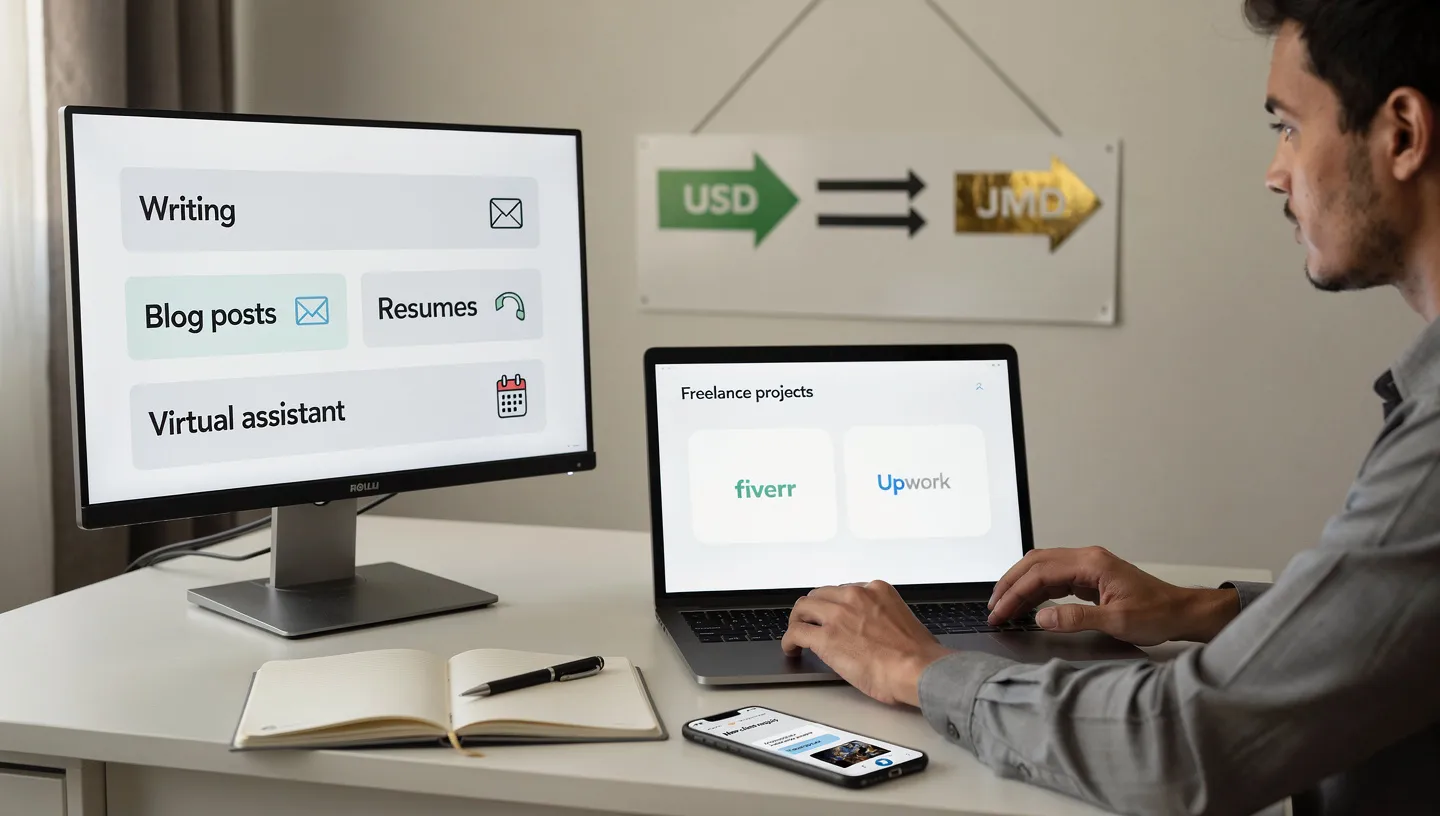
Best for: writers with a clear niche such as finance, health or technology. Skills needed: writing, research and basic SEO. Startup cost: near zero, plus a few sample pieces. Income potential: about 15 to 40 dollars per hour for beginners, more for specialists. First income: a few weeks. Main risk: price pressure, so pick a topic where you know more than a general writer.
3. Graphic Design
Remote designers make brand identities, social graphics, presentations, packaging and ecommerce visuals. You can sell project fees, monthly retainers or design subscriptions. For brand work, these AI tools for 3D logo design can speed up the first drafts before you refine them by hand.
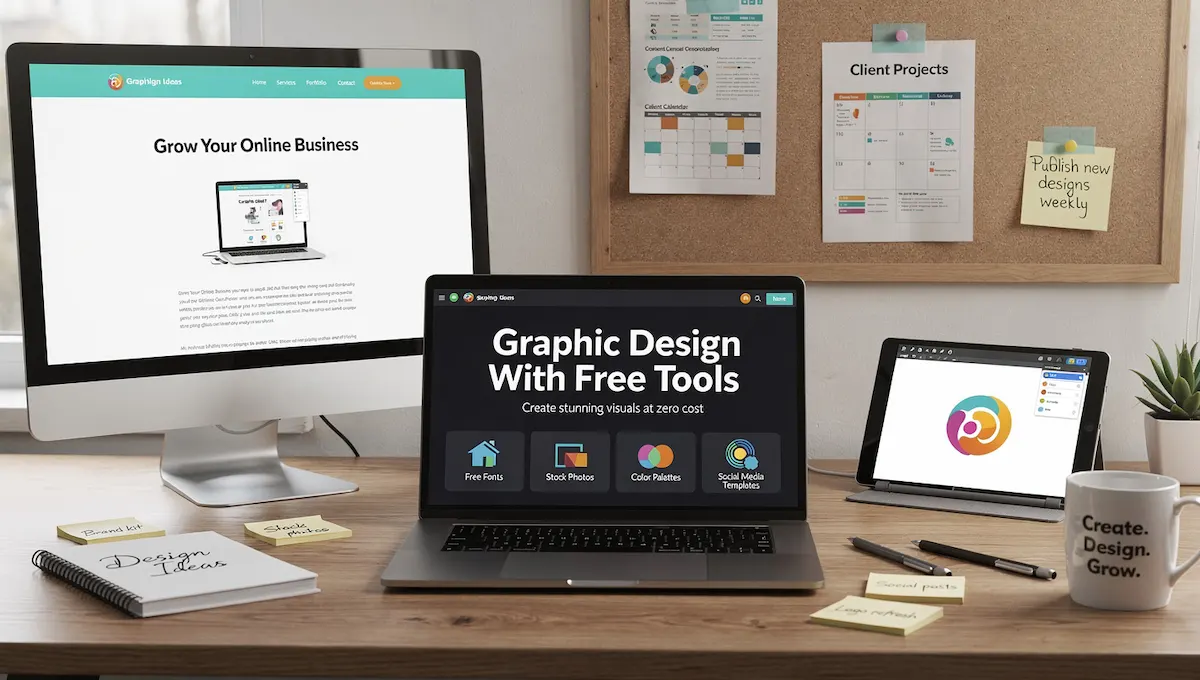
Best for: creatives with a portfolio. Skills needed: design software, layout and client communication. Startup cost: low, and free design tools are enough at first. Income potential: about 15 to 35 dollars per hour at entry level and 65 or more for experienced designers. First income: weeks. Main risk: scope creep and too many revisions, so put the number of rounds in the contract.
4. Web Design and Development
Every business needs a website, and demand for new sites and redesigns stays steady. You can build landing pages, ecommerce stores and small business sites with WordPress, Webflow or Figma. Add monthly maintenance plans for hosting, updates and performance checks to create recurring revenue.

Best for: people with design or coding skills. Skills needed: design, a site builder or code, and basic SEO. Startup cost: low to medium. Income potential: about 15 to 50 dollars per hour, depending on skills. First income: weeks. Main risk: support requests after launch, so define what the maintenance plan covers.
5. Software and App Development
Freelance developers build custom tools, mobile apps, integrations and internal dashboards for small companies that have no tech team. You can work per project or on a monthly contract, and a niche such as booking systems, ecommerce or healthcare tools helps you stand out.

Best for: developers who can explain technical work in simple words. Skills needed: programming, testing and project communication. Startup cost: low. Income potential: from about 20 to well over 100 dollars per hour, depending on skills and stack. First income: weeks. Main risk: unclear requirements, so write the scope and the delivery date before you start.
6. Social Media Management
Social media managers plan content calendars, write captions, schedule posts, answer comments and report on results. Niche focus helps a lot. A manager who works only with gyms, dentists or real estate agents becomes far more valuable than a generalist. Most clients pay a monthly retainer.
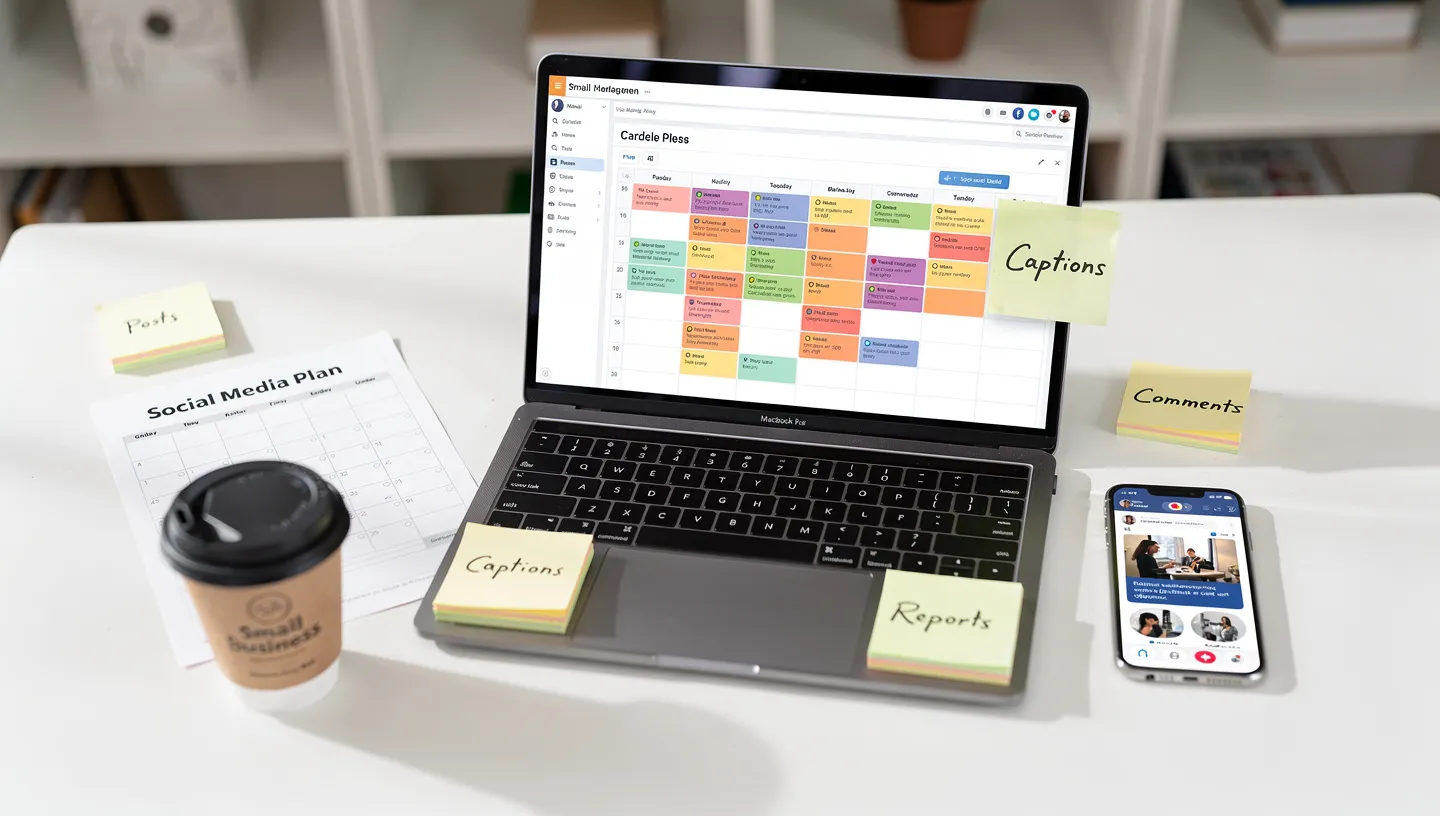
Best for: people who know how each platform works. Skills needed: content planning, copywriting and analytics. Startup cost: close to zero. Income potential: about 15 to 35 dollars per hour. First income: weeks. Main risk: clients who expect instant replies, so set support hours and approval deadlines in writing.
7. Video Editing and Podcast Production
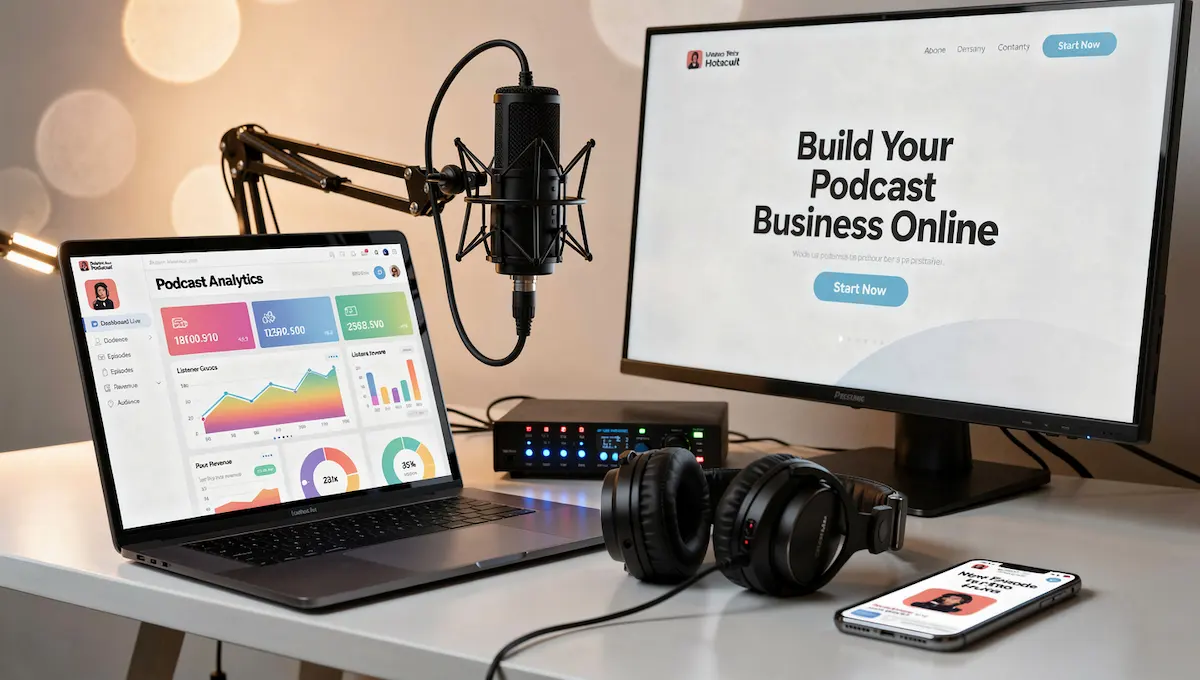
Creators, coaches and companies need long-form edits, short clips, captions, show notes and publishing. Podcasters also need guest coordination and thumbnails. Charge per episode, per video or through a monthly package, and write down your workflow so you can hand parts of it to contractors later.

Best for: editors with a sample reel. Skills needed: editing software, audio basics and deadline discipline. Startup cost: low to medium, because you need editing software and a fast computer. Income potential: varies by project, and per-video pricing is common. First income: weeks. Main risk: large files need storage, backups and a fast connection.
8. Bookkeeping
Small businesses often need reliable books without hiring a full-time employee. A remote bookkeeper categorizes transactions, reconciles accounts, tracks invoices and sends monthly reports using tools such as QuickBooks or Xero. Packages based on transaction volume give steady monthly income.
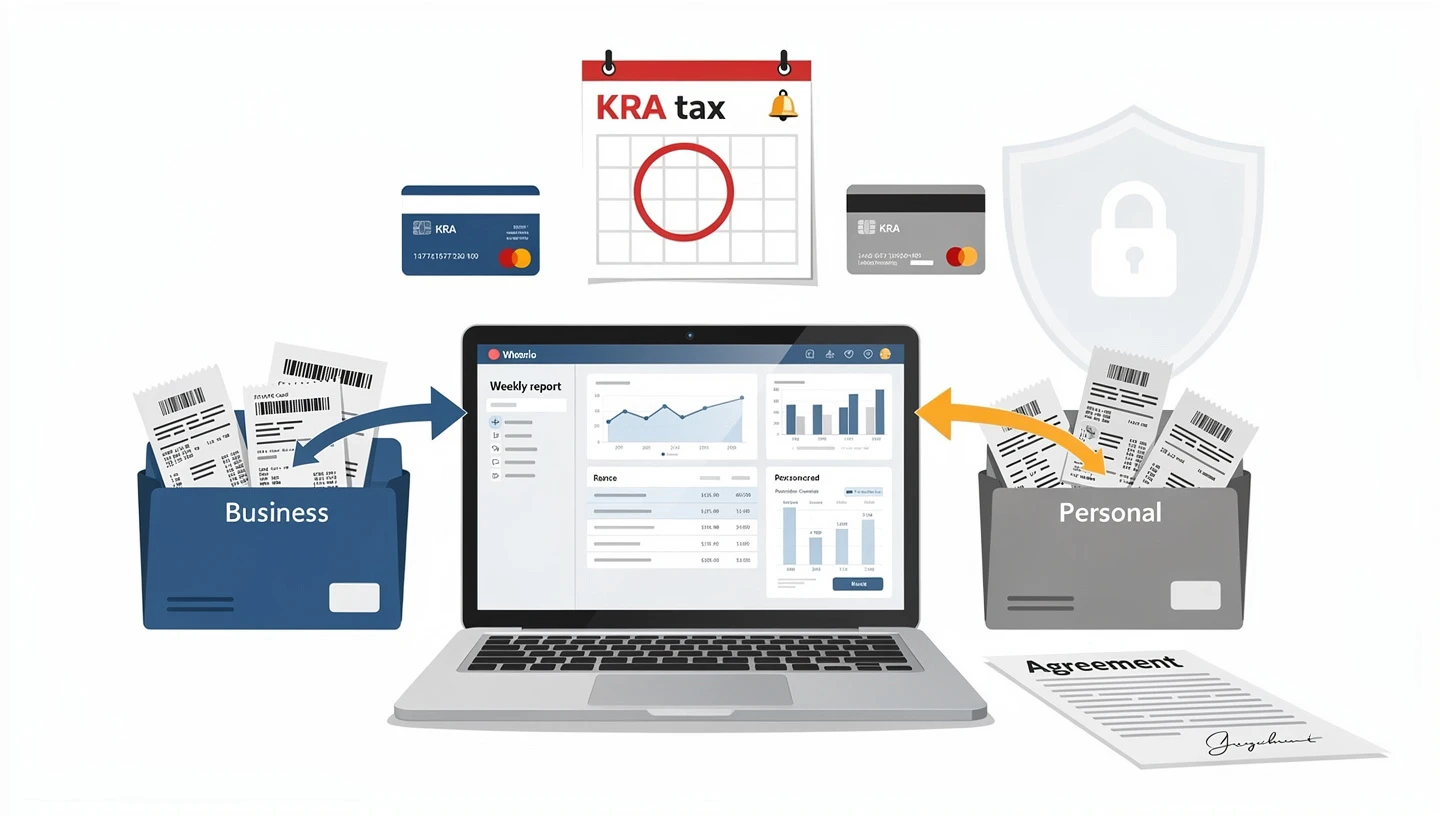
Best for: detail-oriented people with accounting basics. Skills needed: accounting, accuracy and data security habits. Startup cost: low. Income potential: about 15 to 50 dollars per hour, with monthly packages for steady clients. First income: weeks. Main risk: mistakes cost clients money, and licensing and data privacy rules vary by region, so check what applies where you work.
9. Remote Tech Support
You solve IT problems for small businesses or home users through screen sharing and video calls. Typical jobs are software setup, device problems, email migration and basic security checks. Demand is steady because technology breaks and small firms rarely have an IT department.
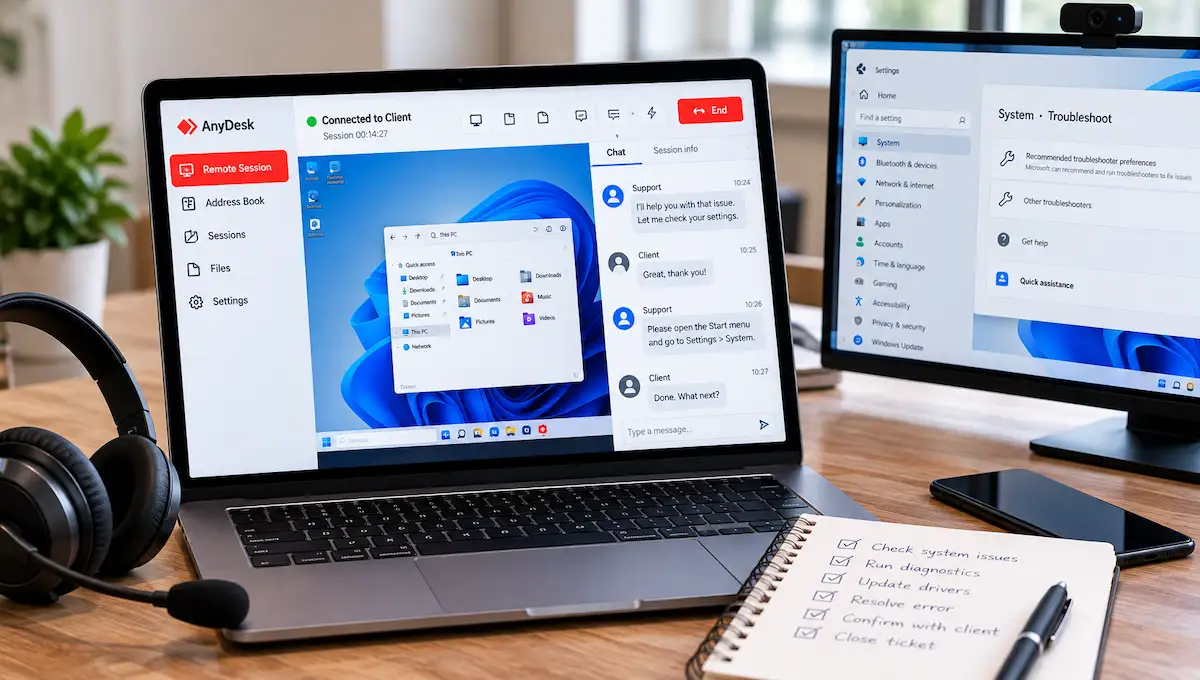
Best for: people with IT skills and patience. Skills needed: troubleshooting, networks and clear explanations. Startup cost: low, plus a headset and remote access software. Income potential: per-call fees or monthly support plans. First income: weeks. Main risk: urgent outages create stress, so set clear response times.
10. Customer Support Agency
Small online stores and software companies need someone to answer emails, chats and tickets, but cannot afford a full team. A remote support agency handles inboxes, returns and common questions under a monthly contract, and later hires part-time agents in different time zones to cover more hours.

Best for: people with a service background and a calm tone. Skills needed: written communication, help desk tools and process thinking. Startup cost: low. Income potential: monthly contracts per client, which makes income steady. First income: weeks. Main risk: response-time promises, so set service hours and a limit on ticket volume.
11. Remote Project Management
Freelance project managers plan tasks, track deadlines, run weekly check-ins and keep clients, designers and developers on the same page. Agencies and small teams hire them for launches, product updates and campaigns, then keep the best ones on a retainer.
Best for: organized people who stay calm under pressure. Skills needed: planning, communication and tools such as Trello or Asana. Startup cost: close to zero. Income potential: about 20 to 60 dollars per hour. First income: weeks. Main risk: blurred responsibility, so write down who owns each task.
12. Translation and Localization
Companies need websites, product pages, contracts and manuals in more than one language. Translators work from home for clients in other countries, and localization goes further by adjusting tone, units and examples for the local market. When you work with live calls, these AI tools for live translation can help with quick chats, but keep your own review for anything important.

Best for: fluent speakers of two or more languages. Skills needed: language fluency, cultural knowledge and attention to detail. Startup cost: low. Income potential: about 20 to 40 dollars per hour, with higher rates in legal, medical or technical fields. First income: weeks. Main risk: machine translation lowers prices for simple text, so specialize in a field.
13. Transcription and Captioning
Podcasters, researchers, lawyers and video creators need accurate text from audio and video. Transcribers type interviews, meetings and lectures, and caption editors add subtitles that make videos easier to watch and to find in search.
Best for: fast, accurate typists with good listening skills. Skills needed: typing speed, grammar and a quiet workspace. Startup cost: close to zero. Income potential: about 15 to 30 dollars per hour, with higher rates for medical or legal work. First income: weeks. Main risk: automatic tools compete on price, so sell accuracy and fast turnaround.
14. Digital Marketing Agency
A small remote agency can focus on SEO, paid ads, email marketing or content strategy. Specialization is the difference between a crowded market and a steady client list. Start alone, prove the results with one or two clients, then standardize onboarding and reporting before you add people.
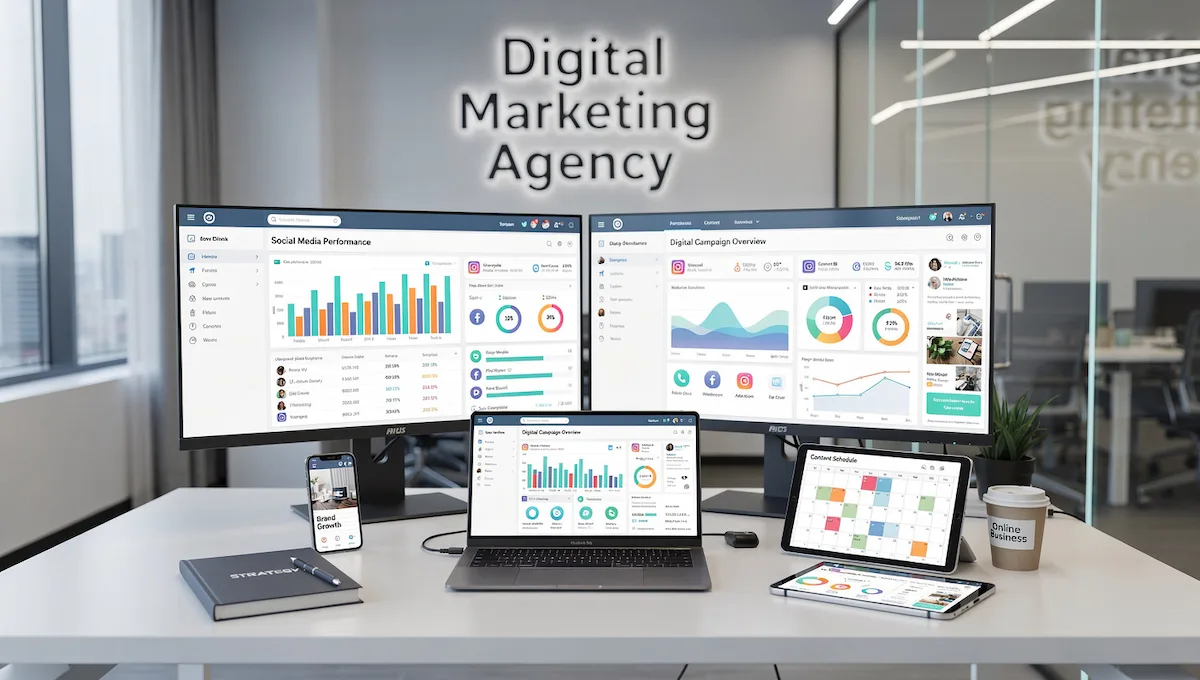
Best for: marketers who can show results. Skills needed: analytics, copywriting and client reporting. Startup cost: low. Income potential: monthly retainers, with solo marketers at about 15 to 60 dollars per hour. First income: weeks to a few months. Main risk: clients who expect fast results from slow channels such as organic search. Report progress every month.
15. AI Automation Services
Many small firms lose hours every week on repeated tasks such as lead follow-up, reporting and invoice reminders. An automation consultant sets up workflows with tools like Zapier so those tasks run without manual work.
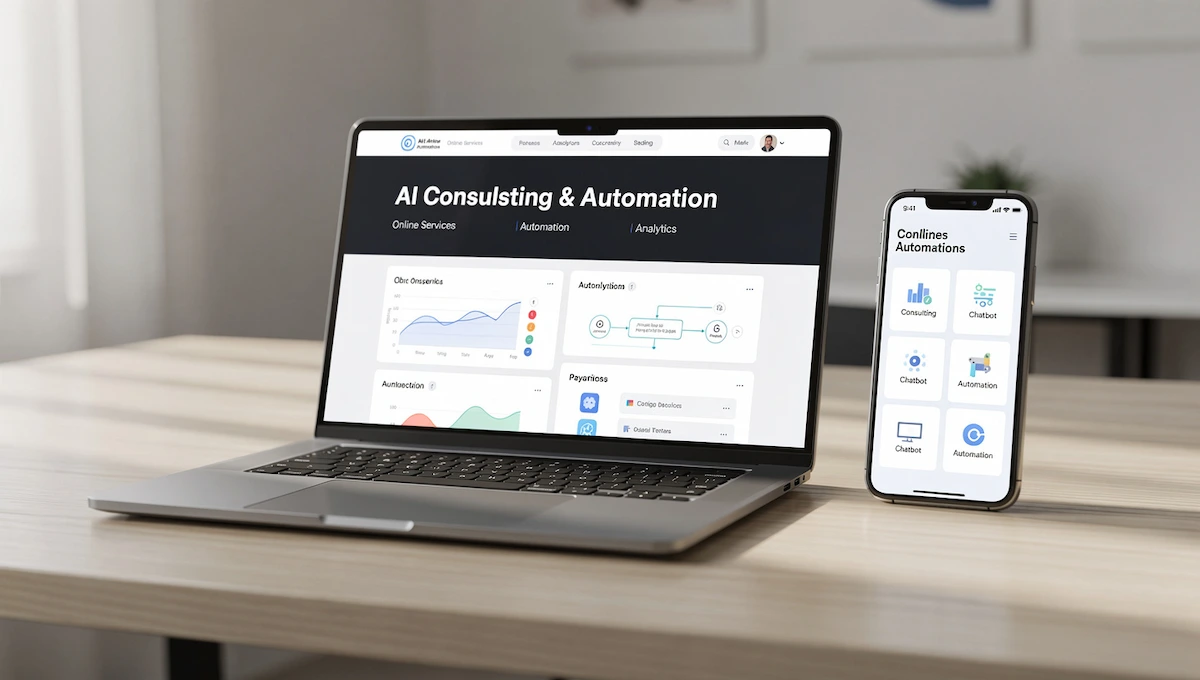
Best for: people who like systems and process. Skills needed: workflow design, no-code tools and clear documentation. Startup cost: low. Income potential: project fees plus monthly support. First income: weeks. Main risk: tools change fast, so keep documentation and review each setup every few months.
Best Remote Business Ideas for Experts and Teachers
If you already know a subject well, these three remote business opportunities let you sell that knowledge online.
16. Online Tutoring
Tutors teach school subjects, languages, test preparation, music and professional skills through video calls. You can sell hourly lessons, lesson packages or group classes, and later add recorded material. Parents and adult learners both pay for patient tutors who explain a topic in simple steps. If you are still in school, see these business ideas for students for options that fit around lessons.
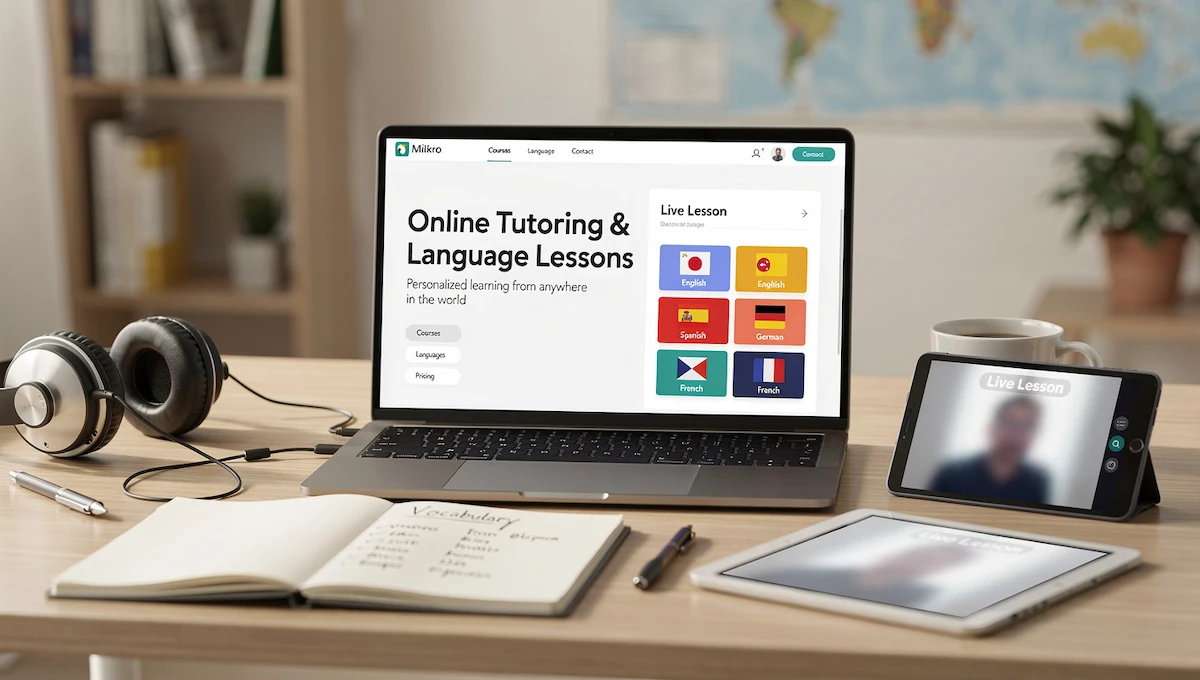
Best for: strong students and experienced teachers. Skills needed: subject knowledge and teaching skills. Startup cost: a video call app and a stable connection. Income potential: about 15 to 50 dollars per hour. First income: weeks. Main risk: income is capped by your hours, so move to group classes and digital materials over time.
17. Online Coaching and Consulting
Coaches and consultants sell expertise, analysis and accountability. Common niches are career, business, leadership, wellness and operations. Charge by project, by session package or through a monthly retainer. A clear niche and a few case studies matter more than a fancy website.

Best for: people with a track record in one field. Skills needed: expertise, listening and structured advice. Startup cost: low. Income potential: a wide range, from about 25 dollars per hour for new coaches to well over 100 for specialists. First income: weeks. Main risk: it takes time to build trust, and coaching must not be sold as therapy, legal advice or medical care unless you are qualified.
18. Online Course Creation
A course turns knowledge into a product you sell many times. Platforms such as Teachable and Udemy handle hosting and payments, so you focus on a clear result for the student. Revenue comes from single courses, bundles, cohort programs or memberships.
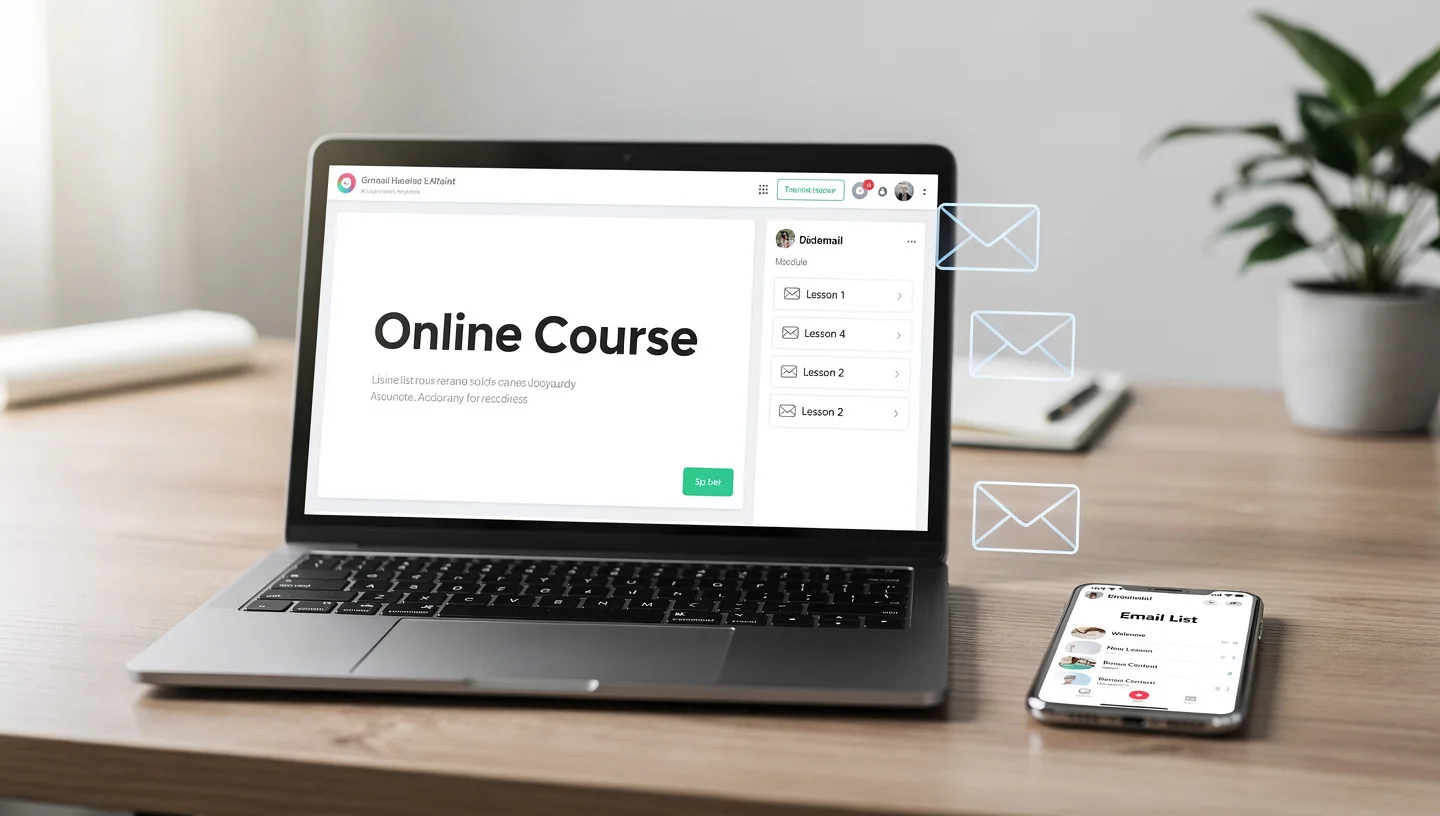
Best for: experts who can teach step by step. Skills needed: subject expertise, lesson planning and basic video or slide production. Startup cost: low to medium. Income potential: depends on audience size and price. First income: often two to four months. Main risk: months of work without proof of demand. Test the topic with a live workshop or a preorder before you record anything.
Best Remote Business Ideas for Products and Content
Products and content can keep selling while you work on something else, but each one still needs marketing, support and updates. These seven suit people who can wait a few months for the first income.
19. Digital Products
Templates, planners, spreadsheets, printables, ebooks and presentation decks are made once and sold again and again. You can sell them on Etsy or Gumroad, on your own site or inside a bundle. Digital products are one of the lowest-cost ways to start an online business, and teens can begin here too, as this guide on how to start an online business at 15 shows.
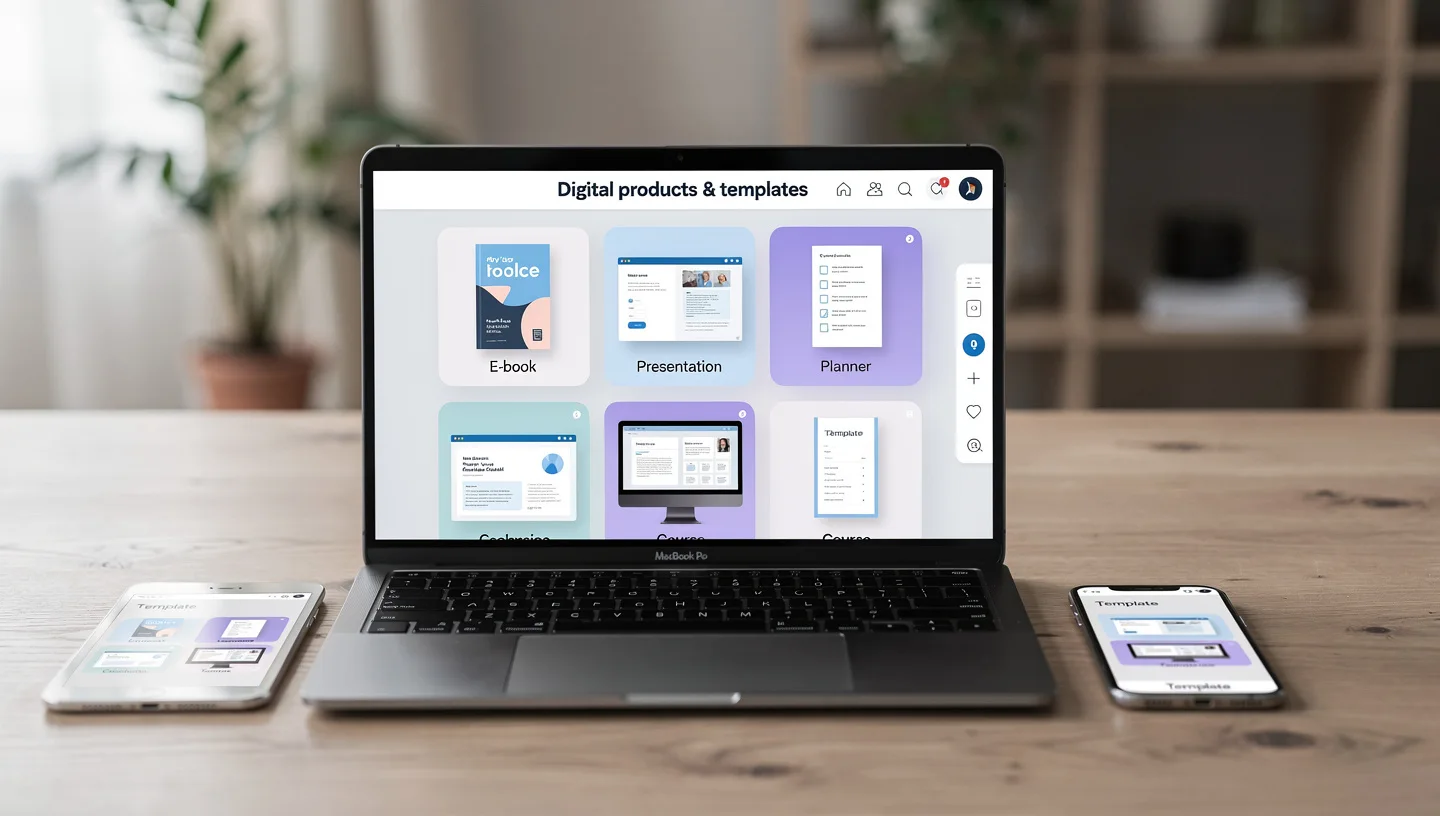
Best for: people who can solve one problem with a ready-made file. Skills needed: design or writing, plus simple marketing. Startup cost: close to zero. Income potential: varies widely with audience and price. First income: weeks to a few months. Main risk: marketing and standing out. Build for a narrow audience and update the product often.
20. Print on Demand and Dropshipping Store
A supplier prints or ships each order after a customer buys, so you hold no stock. Shopify and Etsy make setup simple. You can sell shirts, mugs, posters, stationery or niche products for one audience, and the store runs while partners handle production and shipping.

Best for: designers and niche community builders. Skills needed: product research, design and digital marketing. Startup cost: low to medium, including a store plan and ads. Income potential: depends on product choice and marketing. First income: weeks. Main risk: thin margins and heavy competition. Generic designs rarely sell, so build for one clear audience.
21. Affiliate Marketing and Niche Websites
You earn a commission when a reader buys through your tracked link. Most affiliates publish reviews, tutorials and comparison articles on a blog, a video channel or a newsletter. Networks such as Impact and PartnerStack connect you with brands, and a clear disclosure is required.
Best for: writers and video creators who know a topic well. Skills needed: content creation, SEO and honest product testing. Startup cost: low, mostly hosting and tools. Income potential: depends on traffic and niche. First income: often several months. Main risk: income depends on traffic and search rankings, so one algorithm update can cut earnings.
22. YouTube and Content Creation
Creators earn from ads, sponsorships, affiliate links and their own products. Blogs, podcasts and video channels work from anywhere, and short-form video and faceless channels are growing. Choose one narrow topic and publish on a fixed schedule for months.
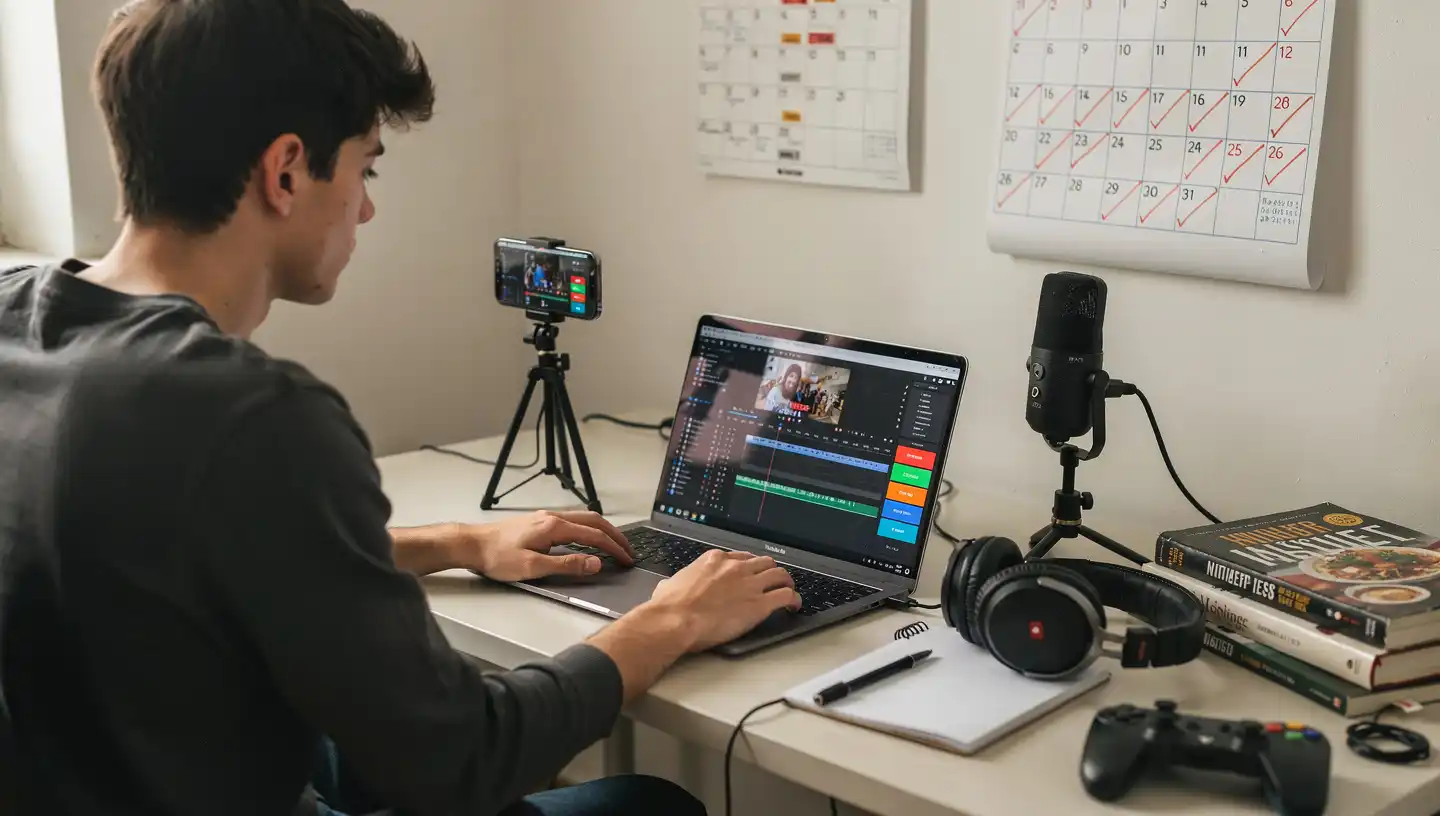
Best for: people who enjoy making content every week. Skills needed: video or audio production, storytelling and consistency. Startup cost: low. Income potential: follows audience size and engagement. First income: months. Main risk: uneven income, because earnings depend on views and sponsors.
23. Newsletter
A focused newsletter builds an audience around analysis, curation or tips. You can earn from sponsors, paid subscriptions, affiliate links, consulting leads and product sales. Email gives you a direct line to readers, which no social platform can take away.
Best for: writers with a narrow topic. Skills needed: writing, curation and audience growth. Startup cost: near zero on most free plans. Income potential: grows with the number of subscribers and sponsors. First income: months. Main risk: slow growth, so publish on a fixed day and keep the promise to readers clear.
24. Micro-SaaS and No-Code Tools
A micro-SaaS is a small program that solves one narrow problem, such as a calculator, a scheduling tool, a client portal or a reporting dashboard. No-code platforms let you build a first version without a developer. Charge a subscription, a one-time fee or a business license. Rules for registering a software company differ by country, as this guide on how to start a SaaS business in Dubai shows.
Best for: people who understand a niche problem well. Skills needed: product thinking, no-code or coding skills and customer support. Startup cost: medium. Income potential: monthly subscriptions that grow with users. First income: often six to twelve months. Main risk: maintenance, security and customer support never stop.
25. Paid Membership Community
A paid community offers peer support, expert sessions, resources, events and feedback for a monthly or yearly fee. It works well for niches such as freelancing, fitness, careers or a hobby with a loyal audience.
Best for: people who already have an audience or an email list. Skills needed: community management, content and event hosting. Startup cost: low. Income potential: monthly fees from members, which makes revenue predictable. First income: months. Main risk: members need steady value, so community management is active work, not passive income.
Remote Business Ideas Compared
This table puts the 25 remote business ideas side by side. Startup cost and time to first income are typical ranges, and your result depends on skills and effort. Look at the revenue model and the meeting load, not only the startup cost, when you compare a remote business.
| Idea | Startup cost | First income | Scalability | Meeting load |
|---|---|---|---|---|
| Virtual assistant | Low | Weeks | Medium | Medium |
| Freelance writing | Low | Weeks | Medium | Low |
| Graphic design | Low | Weeks | Medium | Medium |
| Web design and development | Low to medium | Weeks | High | Medium |
| Software and app development | Low | Weeks | High | Medium |
| Social media management | Low | Weeks | Medium | Medium |
| Video editing and podcast production | Low to medium | Weeks | Medium | Medium |
| Bookkeeping | Low | Weeks | Medium | Low |
| Remote tech support | Low | Weeks | Medium | High |
| Customer support agency | Low | Weeks | High | Medium |
| Remote project management | Low | Weeks | Medium | High |
| Translation and localization | Low | Weeks | Medium | Low |
| Transcription and captioning | Low | Weeks | Low | Low |
| Digital marketing agency | Low | Weeks to months | High | High |
| AI automation services | Low | Weeks | High | Medium |
| Online tutoring | Low | Weeks | Medium | High |
| Coaching and consulting | Low | Weeks | Medium | High |
| Online course | Low to medium | 2 to 4 months | High | Low |
| Digital products | Low | Weeks to months | High | Low |
| Print on demand and dropshipping | Low to medium | Weeks | High | Medium |
| Affiliate and niche websites | Low | Months | High | Low |
| YouTube and content creation | Low | Months | High | Low |
| Newsletter | Low | Months | High | Low |
| Micro-SaaS and no-code tools | Medium | 6 to 12 months | High | Low to medium |
| Paid membership community | Low | Months | High | Medium |
Service Business vs Product Business
Most remote business ideas fall into one of these two groups, and most first-time owners start with a service and add products later. The table shows why.
| Factor | Service business | Product business |
|---|---|---|
| Time to first income | Weeks | Weeks to months |
| Startup cost | Low | Low to medium |
| Income pattern | Projects and retainers | Repeated sales and subscriptions |
| Scalability | Limited by your hours until you hire help | High once the product exists |
| Main workload | Client work and communication | Marketing, support and updates |
A good plan is to use a service to earn your first money, learn what customers ask for, and then turn those answers into a course, a template or a software tool.
How to Choose the Right Remote Business Idea
Do not pick the idea that sounds best on a list. Pick the one that fits your skills, a real demand and the life you want to live with a remote business. Use these questions to narrow the list of remote business ideas.
Match the Idea to Your Skills
Start with what you can already deliver at a professional level today. Writing, design, marketing, teaching, research, finance, support and technology are all valid starting points. If you love the topic, it is easier to keep going when the first months are slow. A writer, for example, can start with a blog or sell copywriting services.
Check the Demand
Look for customers who already spend money on the problem. Search the market, study competitors and see how crowded the niche is. Demand also differs by market, so compare local lists such as these business ideas in Dubai before you choose. If you plan to manage social media accounts, check whether a smaller group, such as clinics or local gyms, is easier to win. Also consider the revenue model you prefer: projects, hourly work, retainers, subscriptions, commissions or product sales.
Skills Every Remote Business Owner Needs
The idea decides what you sell. Every one of the remote business ideas above depends on the same skills, and these skills decide whether a remote business survives.
- Written communication: clear emails, proposals and updates replace most meetings
- Self-management: you set your own hours, deadlines and routines
- Basic sales: you must explain your offer and ask for payment
- Money habits: you track income, costs and taxes from the first sale
- Tool skills: you know your chat, project, calendar and invoicing apps
How to Validate a Remote Business Idea Before You Spend Money
Most failed remote business ideas fail because nobody wanted them, not because the founder worked too little. This is how to start a remote business without risking your savings: test demand first.
- Pick one customer: do not aim at everyone online. Choose a group such as coaches, ecommerce brands or small clinics.
- Find an expensive problem: look for lost time, lost sales, risk or confusion that customers already pay to fix.
- Build a small offer: one clear service or product with a price and a result.
- Talk to ten buyers: ask how they solve the problem today and what they would pay for a better result.
- Sell a paid pilot: a first client who pays is stronger proof than ten people who say it sounds good.
After the pilot, write down every repeated step, question and template. That record becomes your delivery process and makes it easier to hire help later.
How to Price and Package Your Remote Services
Price is part of the offer in any remote business. Pick one revenue model and keep the first version simple.
- Hourly: easy to start, but your income stops when you stop working
- Per project: a fixed price for a clear result, such as a website or a logo
- Retainer: a monthly fee for a set amount of work, which gives steady income
- Subscription: a recurring plan for a defined service, such as monthly design requests
- Commission: a share of the sale, common in affiliate and sales work
Package the service in three levels, such as basic, standard and premium, with a clear list of what each one includes and how many revisions are allowed. A short menu helps clients choose faster and keeps projects from growing past the scope.
How to Find Your First Clients
You do not need a big website to get a first client for your remote business. You need a clear offer and a few places to show it.
- Profile and portfolio: a professional profile with two or three sample projects or case studies
- Direct outreach: a short message to ten people who fit your customer, with one specific idea for their business
- Referrals: ask friends, former colleagues and early clients for introductions
- Marketplaces: use freelance platforms to get the first reviews, then move to direct clients
- Communities: answer questions in groups where your customers already ask for help
Reply fast, deliver what you promised and ask for a review after the first project. Early reviews do more for sales than a perfect logo.
How to Start a Remote Business in 30 Days
Use this plan if you want a clear schedule for your remote business. It keeps every step small, so you can follow it next to a job or study.
- Days 1 to 3: pick one idea and one customer group
- Days 4 to 7: talk to ten possible buyers and write a one-page offer
- Days 8 to 12: set your price, your packages and your contract
- Days 13 to 17: build a simple profile, a portfolio and a booking page
- Days 18 to 24: contact 30 potential clients and book calls
- Days 25 to 30: deliver a paid pilot, ask for a review and write down your process
After 30 days, check what sold, what did not and how many hours it took. Keep the part that worked and drop the rest.
How Much Does It Cost to Start a Remote Business?
The cost depends on the type of business. A remote business has lower startup costs than a shop, but they are not zero. Service businesses are the cheapest low startup cost option, and software and stores cost the most. The table shows what to expect.
| Type | Typical startup costs | What you pay for |
|---|---|---|
| Service business | Low | Laptop, internet, a basic site, invoicing app |
| Content or digital products | Low | Design tools, hosting, platform fees |
| Online store | Low to medium | Store plan, samples, ads |
| Software | Medium | Development time, hosting, security |
To start a remote business with no money, begin with a service and use free tools. Your first paying client then funds the website, the invoicing app and any extra software. For more options that start with very little money, see this guide to an online business without investment.
Tools You Need to Run a Remote Business
A remote business runs on a few well-chosen tools. Use the smallest set that supports your work, because too many apps add cost and confusion.
- Communication: Slack for chat and Zoom for video calls
- Project management: Trello or Asana to track tasks and deadlines
- Accounting: QuickBooks or Xero for invoices and bookkeeping
- Documents and storage: Google Workspace for shared files
- Scheduling: an online booking tool, so clients can book calls without email chains
- Security: a password manager and two-factor login on every account
Legal, Tax and Money Basics for Remote Business Owners
A remote business is still a regulated business. Business registration, tax residency, sales tax or VAT, contracts, data protection and cross-border payments all depend on where you live, where the business is registered and where your clients are. Many solo owners start as a sole proprietor and form an LLC when revenue or risk grows. Use a written contract with scope, price, payment dates and revision limits for every client. A remote business owner who sells to several countries should also check data protection rules in each market.
In the United States, net profit from self-employment of $400 or more in a year means a tax return, with Schedule C for profit and Schedule SE for self-employment tax. The IRS Self-Employed Individuals Tax Center explains what counts as income and which costs you can deduct. Other countries have different rules, as this guide to an online business in Ireland shows. For anything large, talk to a local accountant or lawyer.
How to Work Across Time Zones and Stay Secure
Every remote business needs clear working hours. Publish your response times, so clients know when to expect an answer. Use asynchronous communication where you can: written updates, recorded walkthroughs, shared project boards and documented decisions. Asynchronous updates also help clients who live in other regions, and fewer live meetings protect your time. Owners who plan to travel, such as people looking for digital nomad business ideas, should choose services with few live meetings. At the end of each task, write who owns the next step and what the deadline is.
Basic security is not optional. Use two-factor login, a password manager, device encryption and regular backups. Avoid public Wi-Fi for client work unless you use a protected connection, and keep client data in one secure place.
Remote Business Trends to Watch in 2026
These shifts shape which remote business ideas have the best outlook this year.
- AI automation: small firms pay for people who set up workflows and keep them running
- Specialized services: niche agencies and consultants beat generalists on price and trust
- Short-form and faceless content: creators build channels around topics, not personal brands
- Niche communities and newsletters: small paid audiences replace large free ones
- Asynchronous work: fewer calls, more written updates and recorded walkthroughs
Common Mistakes When Starting a Remote Business
Most remote business ideas fail for the same few reasons. Check this list before you spend money.
- Choosing for lifestyle only: the idea still needs paying customers.
- Aiming at everyone: a clear niche is easier to market and to deliver.
- Relying on one client: if that client leaves, your income stops.
- Ignoring time zones: a meeting-heavy service can destroy the freedom you wanted.
- Underpricing communication: calls, revisions and support are part of the work.
- Treating digital products as passive income: they need marketing, support and updates.
- Using too many tools: every extra app adds cost and training time.
- Skipping tax and legal checks: small problems grow when you ignore them.
- Doing everything alone: once work piles up, look at what an online business manager does and which tasks you can hand off.
Final Verdict: Which Remote Business Idea to Start First
The best remote business ideas for a first launch are the ones that pay fast: virtual assistance, writing, design, bookkeeping, translation and tutoring. They need little money, and one paid client proves the idea. A remote business works best when it starts small. Move to digital products, courses, newsletters and software once you know your customers and have cash flow to support slower projects.
Pick one of these remote business ideas, define one customer and sell a paid pilot in the next 30 days. A location-independent business is built on customers, not on a place, and a small business that earns its first dollar teaches more than a perfect plan.
Frequently Asked Questions
What is the easiest remote business to start?
Service-based remote business ideas such as virtual assistance, freelance writing, graphic design and bookkeeping are the easiest. They need a computer, an internet connection and a skill, and you can sell them before you build any product or website.
What is the first step in starting a remote business?
Choose one idea and one customer group, then test demand before you spend money. Talk to ten possible buyers, write a one-page offer and try to sell a paid pilot. Registration, a website and a logo can wait.
What are the best remote business ideas with low startup costs?
Virtual assistance, freelance writing, social media management, bookkeeping, translation, tutoring and digital products all start for little money. Most of the cost is your time and a few basic tools.
Can I start a remote business with no money?
Yes. Choose a service, use free tools for design, video calls and invoicing, and sell a first paid pilot. The income from the first client pays for any upgrades.
Which remote business is most profitable?
It depends on your skills and your niche. Software development, consulting, marketing agencies and AI automation tend to command higher rates, while products and content can scale further over time. A skilled specialist in a small niche often earns more than a generalist in a large one.
Which remote businesses create recurring revenue?
Retainers, subscriptions and memberships create recurring revenue. Common examples are social media management, bookkeeping, website maintenance, customer support, marketing agencies, newsletters, software and paid communities.
Can a remote business be run while traveling?
Yes, a remote business can run while you travel if the work uses portable tools, secure accounts, a stable connection and manageable time zones. Choose services with fewer live meetings and keep a backup plan for internet and power.
Do I need a website to start a remote business?
Not at the start. A strong profile on a professional network, direct outreach and a simple booking page can win the first clients. A website helps with trust later, once you have case studies and a clear offer.
Can I hire a remote team?
Yes, a remote business can hire contractors once you have steady work. Start with one contractor for a clear task, such as editing or support, and write instructions for the job. Check the tax and contract rules for the country where the person lives before you hire.
Are digital products passive income?
Not fully. A product can sell repeatedly after you make it, but it still needs marketing, customer support, platform management and regular updates.
Do I need to register a remote business?
It depends on your country and state. Many freelancers start as sole proprietors, and some form an LLC later when revenue grows. Check local rules, and ask an accountant or lawyer if you plan to hire people or sign large contracts. For another country example, see how to start an online business in Qatar.